Last Tuesday, I was halfway through a slice of crusty sourdough when I heard a sickening click. It was not the bread; it was my molar. Within seconds, my tongue instinctively found the new, jagged edge, and the torture began. It felt like a tiny steak knife was living in my mouth. Every time I spoke or swallowed, it was a fresh slice against the side of my tongue. It is truly incredible how a microscopic chip in your enamel can consume your entire day and make you feel like you are losing your mind. If you are currently sitting there, frantically running your tongue over a sharp point, I know exactly how much it hurts. We are going to get that sorted out today so you can actually eat dinner tonight without wincing. Have you ever tried to ignore a sharp tooth only to have your tongue feel like it went through a paper shredder by morning?
Stop the Tongue Torture Right Now
The first thing I learned the hard way is that your tongue is surprisingly fragile and remarkably persistent. It cannot leave a sharp edge alone. I remember one time, early in my journey of trying to manage my own oral health, I actually tried to polish a sharp edge down with a metal nail file. Please, for the love of everything, do not do that. I ended up with a tooth that was ten times more sensitive to cold and a lecture from my dentist about damaging my enamel. If the edge is from a recent procedure, you might be wondering why your new filling feels sharp to your tongue, and the answer is usually just a quick adjustment away. But if it is a fresh break, you need a temporary barrier. Dental wax is your absolute best friend here. It is the same stuff kids use for braces, and it creates a smooth bumper so your tongue can finally heal.
Does a tiny chip really require a dentist visit?
You might be tempted to just wait it out, especially if the tooth does not ache in the traditional sense. However, even a small snag can be a sign of a structural issue. According to the American Association of Endodontists, even minor chips can sometimes hide deeper craze lines or cracks that allow bacteria to seep into the inner chambers of the tooth. I used to think I was being tough by ignoring these things, but I eventually learned that how to tell if a chipped tooth is a true emergency often comes down to how deep that break goes. Sometimes you can get away with a simple polish, and other times you might find that dental crowns explained as a restorative option are the only way to keep the tooth from splitting further. If the chip is purely cosmetic and in the front, there are ways to fix a tiny chip in your front tooth without a crown, but you have to act before the edge wears down even more. We are going to look at the immediate at-home fixes that actually work, and when you definitely need to bite the bullet and call the office.
Smooth the Edge Before You Lose Your Mind
If you cannot get to a clinic immediately, you need a physical barrier between that jagged enamel and your soft tissue. Think of your tongue like a curious toddler; it will not stop touching the stove even when it knows it will get burned. I remember being stuck at a wedding in the middle of nowhere when my back molar snapped. I tried using a piece of sugar-free gum as a makeshift shield, but it was a disaster. It kept sliding off, and the artificial sweetener actually made the raw spot on my tongue sting. What you actually need is orthodontic wax. You can find it at any pharmacy. Simply pinch off a pea-sized amount, warm it between your fingers until it is pliable, and press it firmly over the sharp point. It acts like a bumper on a sharp corner of furniture, giving your tongue a chance to heal. If you are on the road when this happens, knowing how to handle a dental emergency while traveling can save your entire trip from being a painful blur.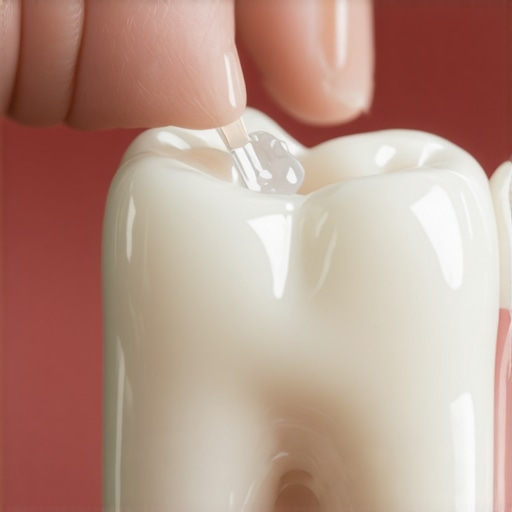
Determine if the Break Goes Deeper than the Surface
Not all chips are created equal. If you are lucky, it is just a superficial snag in the enamel. However, if you start noticing that the tooth reacts poorly to your morning coffee, you are dealing with more than a cosmetic nuisance. You need to learn how to manage a tooth that is sensitive to heat but not cold, as this often indicates the internal pulp is irritated or exposed. When I finally dragged myself into the chair after my sourdough incident, my dentist explained that a chip is like a crack in a windshield—if you leave it, the vibration of chewing will eventually make it spiderweb across the whole tooth. This is where dental crowns explained as a protective ‘helmet’ for your tooth makes perfect sense. A crown doesn’t just hide the sharp edge; it holds the remaining structure together so the tooth doesn’t split down to the root.
Choose the Right Fix for Your Smile
Once the immediate pain is managed, you have to decide on a permanent fix. For minor snags, a dentist can often just perform a ‘selective reduction’—basically a professional sanding job that rounds the edge in seconds. But if you have lost a significant chunk, you will be looking at dental crowns vs. other restorations like composite bonding. Bonding is faster and cheaper, but if you are a heavy coffee drinker or a tooth-grinder, it might pop off within a year. For those looking at the bigger picture, modern offices are using expert cosmetic dentistry solutions to make these repairs look completely invisible. If you have kids, this is a great time to review a family dentistry guide because children are prone to these same chips on the playground, and child-friendly dental care ensures their adult teeth aren’t compromised by early injuries.
Why Your Crown Isn’t a Get-Out-of-Jail-Free Card
Many people walk out of the dentist’s office with a new porcelain cap and think they are done with that tooth for life. This is the biggest myth in restorative dentistry. While dental crowns explained as a ‘final solution’ makes sense for stability, the reality is that the margin—where the crown meets your natural tooth—is still vulnerable to decay. If you think a crowned tooth can’t get a cavity, you are in for a very expensive surprise. In fact, research published by the American Dental Association (ADA) suggests that the average lifespan of a crown is about 10 to 15 years, primarily because of wear at the gum line. If you notice a dark shadow there, it might be why your gum line looks dark around an old crown, and it often signals that the seal is failing. 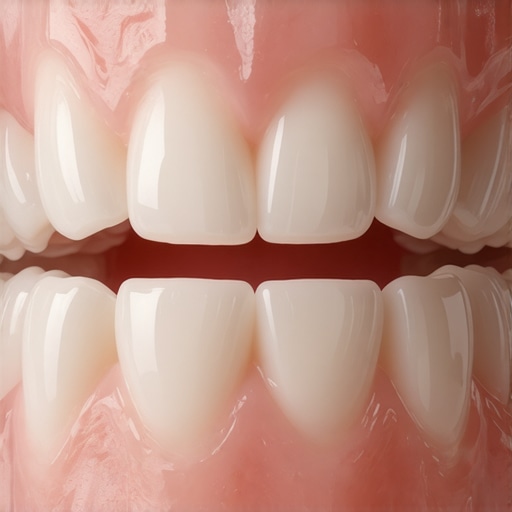
Can a hidden crack ruin a brand-new restoration?
Absolutely. The ‘oops’ factor I see most often is people rushing into a cosmetic fix without checking the foundation. You might think you just need a quick chip repair, but if there is an underlying stress fracture, even the best expert cosmetic dentistry solutions will fail. I have seen patients spend thousands on veneers only to have them pop off because they didn’t realize they were grinding their teeth at night. This is why the real reason your porcelain crown keeps chipping usually has more to do with your bite alignment than the material of the crown itself. Before you commit to a permanent change, you have to ensure you don’t have a hidden crack that is slowly splitting the root.
The Trap of Thinking Family Dentistry is Only for Kids
Another common mistake is treating family dentistry as ‘basic’ or just for cleanings. Real family dentistry is about tracking the genetic and behavioral trends across your entire household. For instance, if you are prone to enamel wear, your children likely will be too. Waiting until a tooth breaks to see a specialist is a reactive trap. You should be looking at dental crowns vs. other restorations long before an emergency occurs. If you delay, the real cost of delaying a necessary dental crown isn’t just the price of the procedure; it’s the potential loss of the entire tooth structure. Have you ever fallen into the trap of waiting ‘just one more month’ only to have the tooth snap completely? Let me know in the comments how you handled it.
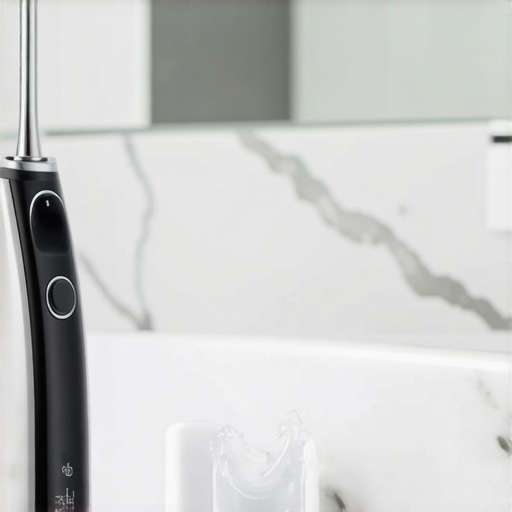
To move from survival mode to mastery, you have to stop treating your bathroom cabinet like a junk drawer. If you have crowns or a bridge, a standard toothbrush is simply the bare minimum. I personally swear by the high-pressure water flosser; the pulsing action clears out the sticky biofilm that builds up at the margins where a normal brush cannot reach. This is especially vital when you follow the best routine for cleaning under a dental bridge to prevent that dreaded metallic taste or decay under the porcelain. You also need to switch to a non-abrasive paste immediately. The American Academy of Cosmetic Dentistry (AACD) warns that many popular whitening toothpastes contain abrasive silica that can micro-scratch the surface of porcelain and composite, making them look dull and stained over time. I suggest looking for a low-RDA (Relative Dentin Abrasivity) toothpaste to keep your smile bright without the sandpaper effect.
How can I protect my dental investment over the long haul?
True maintenance is not just about hygiene; it is about mechanical protection. If you are a grinder—and most of us are in this high-stress world—you are literally crushing your investment while you sleep. A custom-fit night guard is the cheapest insurance policy you will ever buy for your mouth. Once you have one, you will need to master the best way to clean a night guard to prevent odors and bacterial buildup. Without this protection, you will eventually find out the real reason your porcelain crown keeps chipping is often the sheer, unrecognized force of your own jaw muscles. This logic applies to the little ones in the house too. When caring for your child’s teeth, establishing these protective habits and checking for early signs of wear prevents the need for major reconstructions by the time they hit their twenties.
Demand the high-tech edge for better results
If your provider is still using that goopy, gag-inducing putty for impressions, they are falling behind the curve. Modern precision requires digital 3D scans. This is why your Culpeper dentist might need a 3D scan to find hidden tooth pain; it allows for a restorative fit that is accurate to the micron, reducing the chance of a sharp edge or a loose fit. I predict that in the next few years, AI-integrated software will be able to predict exactly when a restoration will fail before it even starts to feel sensitive. Looking at the top cosmetic dentistry trends for 2025, we are seeing a massive shift toward ‘biomimetic’ materials that expand and contract exactly like natural enamel. For your next step, I challenge you to ask your provider about a digital bite analysis at your next cleaning to see where you are putting the most stress on your teeth. Protecting your smile is a marathon, not a sprint.
The Expensive Mistakes I Made Before Mastering Dental Resilience
Over the years, I have realized that dental health is not a “set it and forget it” event. One major epiphany was learning that even the most expensive ceramic work is only as strong as the gum tissue supporting it. If you are currently weighing dental crowns vs. other restorations, remember that the material matters less than the daily maintenance you provide at home. I also learned the hard way that ignoring a tiny snag leads to a catastrophic break; the real cost of delaying a necessary dental crown isn’t just the invoice—it is the bone density and structural integrity you lose over time. Most importantly, I discovered that the real reason your porcelain crown keeps chipping is rarely the dentist’s technique, but usually an unaddressed grinding habit that requires a mechanical barrier like a night guard.
My Go-To List for Staying Out of the Emergency Chair
To keep your teeth in peak condition and avoid that panicked 2:00 AM search for a clinic, I recommend a few specific tools. First, a high-quality water flosser is non-negotiable for flushing out the margins of your restorations where bacteria love to hide. Second, I always keep a fresh pack of orthodontic wax in my travel kit; it is the ultimate temporary shield for jagged edges until you can get professional help. Third, for those with kids, sticking to a consistent family dentistry guide helps catch genetic enamel weaknesses early. Finally, choosing child-friendly dental care ensures that the youngest members of your family view the dentist as a partner in health rather than a source of fear. These proactive steps are the best insurance policy for your smile.
#IMAGE_PLACEHOLDER_E#
Your Smile Deserves More Than Just Quick Fixes
Dealing with a sharp or broken tooth is a major wake-up call, but it is also an opportunity to revamp your approach to oral longevity. Whether your next step is to fix a tiny chip in your front tooth without a crown or to invest in a full smile makeover, the goal is always stability and comfort. A healthy mouth is the foundation of your overall well-being, and taking action today ensures you can enjoy your next meal without a second thought about your teeth. Have you ever had a minor tooth snag turn into a major dental project because you waited too long? Let me know in the comments below.