I stood in aisle four of the local pharmacy, clutching a tube of expensive, ‘organic’ toddler paste like it was a life raft in a stormy sea. My daughter had just swallowed a glob of minty gel the night before, and I had spent an hour on Google convinced I was failing at the whole parenting thing. The sweat on my palms was real. I wanted the absolute best for her growing smile, but I was terrified of the ‘F-word’—fluoride. I was certain that going natural was the only way to be a responsible mom, but that one decision led to a realization that changed how I view our entire family’s dental health. I felt like I was failing a test I hadn’t even studied for, and the stakes felt incredibly high. Today, I want to pull back the curtain on the fluoride-free trend and show you exactly what happens to little teeth when we skip the minerals they crave.
How I Realized My Natural Choice Was Leaving My Kids Vulnerable
I’ll be honest with you: I fell for the marketing hook, line, and sinker. I spent nearly two years buying every fluoride-free brand on the market, thinking I was nailing the basics of child-friendly dental care. I was so proud of our ‘chemical-free’ routine. But then came the routine check-up that changed everything. My dentist pointed out tiny, chalky white spots on my son’s molars—the unmistakable early signs of demineralization. I was devastated. We were being so diligent with snacks for kids that don’t lead to instant cavities, yet the lack of enamel protection was already showing. I realized that my fear of fluoride had actually created a different, more immediate danger: tooth decay. [image_placeholder]
Is fluoride-free toothpaste actually worth the hype?
It is a question that keeps many parents up at night, especially when your toddler hasn’t mastered the ‘spit’ part of brushing. The skepticism is understandable! However, the American Academy of Pediatrics (AAP) actually recommends using a tiny smear of fluoride toothpaste as soon as that very first tooth pops through the gums. This is because fluoride is one of the few things that can actually repair weakened enamel before a cavity forms. When I was sticking strictly to fluoride-free options, I was effectively sending my kids into a boxing match with no gloves on. If you’ve been feeling guilty or confused about this, please know you aren’t alone. I learned that caring for your child’s teeth is less about avoiding every single ‘scary’ ingredient and more about providing the tools their bodies need to stay strong. Have you ever felt that same paralysis in the toothpaste aisle, wondering if you’re making the right call? Understanding the truth about fluoride varnish and daily pastes is the first step toward a cavity-free future without the unnecessary stress.
Rebuilding Your Child’s Enamel One Smear at a Time
Transitioning from a fluoride-free lifestyle to a mineral-rich routine doesn’t happen overnight; it requires a shift in how you view the brushing process. For children under the age of three, you have to treat fluoride toothpaste like a high-potency supplement rather than a soap. The most important rule I learned was the ‘Grain of Rice’ strategy. I remember the first night I applied this: I sat on the bathroom floor with my daughter, clutching her tiny toothbrush, and I was so nervous I practically had a ruler out to measure the smear. I felt like a scientist in a lab. But that tiny amount is specifically designed to provide topical protection without posing a risk if a little is swallowed. When you are caring for your child’s teeth, consistency with this small dose is what actually halts those chalky white spots from turning into full-blown decay. 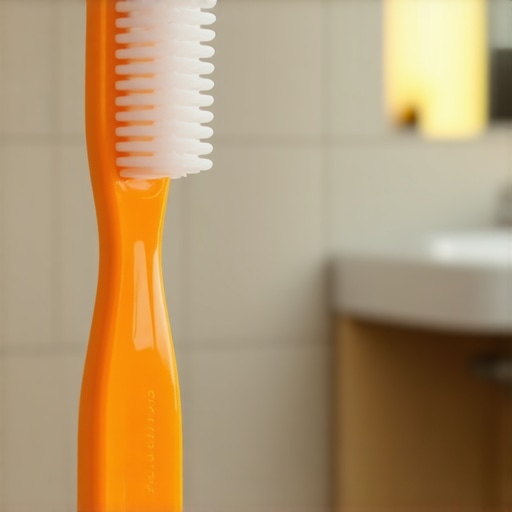
Mastering the Tiny Amount Strategy
Once your child hits age three, you can graduate to a pea-sized amount, but the goal remains the same: contact, not consumption. I found that using a timer helped distract my kids from the ‘spit’ requirement. We would dance for two minutes, and then I would make a game out of ‘the big spit.’ It turned a stressful medical requirement into a silly family ritual. This daily habit is the core of the role of family dentistry in ensuring oral health for all ages. You aren’t just cleaning teeth; you are actively remineralizing the surfaces that sugary snacks and acidic juices have worn down.
Why Professional Varnish is Your Secret Weapon
Sometimes home brushing needs a backup, especially if your child has naturally thin enamel. This is where the truth about fluoride varnish comes into play. Think of varnish as a high-tech, temporary shield for the teeth. When my son had his first treatment, the dentist painted on a sticky, concentrated layer of minerals that stayed on his teeth for hours. It acted like a deep-conditioning treatment for his enamel. If decay has already progressed too far for varnish to save, you might find yourself understanding dental crowns and why they are needed much sooner than expected. A crown is essentially a protective helmet for a damaged tooth, sealing it off from further bacterial attacks.
Protecting the Future Smile
We often think about the immediate need to fix a cavity, but proper mineral care is a long-term investment. By keeping baby teeth strong, you are setting the stage for healthy adult teeth and potentially avoiding the need for expert cosmetic dentistry solutions in their teenage or adult years. Every time you successfully navigate a brushing session with that tiny smear of paste, you are reinforcing the foundation of their lifelong dental health.One of the biggest misconceptions I see—and one I held for a long time—is the idea that a dental crown is a permanent, ‘set it and forget it’ solution. We tend to think of these restorations as bulletproof shields that protect the tooth from everything. But here is the contrarian truth: a crowned tooth actually requires more meticulous care than a natural one. I used to think that because the surface was porcelain, I didn’t need to worry about cavities there anymore. I was wrong. The real danger isn’t the crown itself; it’s the tiny margin where the porcelain meets your natural tooth. According to research from the American Dental Association, recurrent decay at the margin is a leading cause of restoration failure. This is the ‘Oops’ factor most people miss. If you aren’t flossing perfectly around that base, bacteria can seep underneath. You need to know how to tell if your crown is leaking and trapping bacteria before the tooth underneath rots away without you even feeling it. 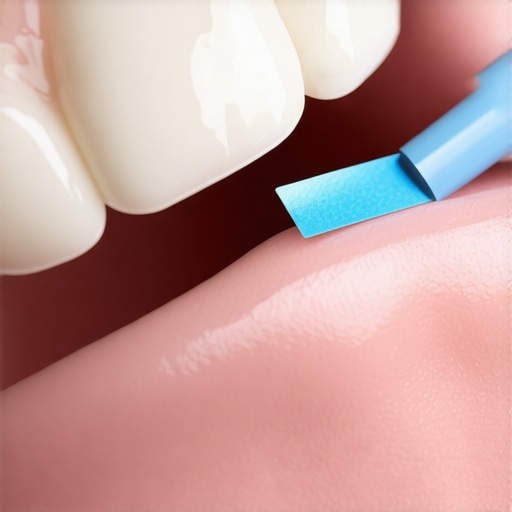
Why does your new crown feel like a mountain in your mouth?
When we start understanding dental crowns and why they are needed, we often focus on the procedure and forget the aftermath. If you’ve ever noticed why your porcelain crown feels too high when you bite down, you aren’t just being sensitive. Your mouth can detect a discrepancy as small as 13 microns—that’s thinner than a human hair! Ignoring a ‘high’ crown is a massive trap. It doesn’t just feel weird; it can cause your jaw to shift, leading to muscle pain or even cracking the crown itself. This is why the role of family dentistry in ensuring oral health for all ages involves more than just drilling and filling; it’s about the precise engineering of your bite.
The hidden truth about ‘just for looks’ procedures
We often talk about transform-your-look-with-expert-cosmetic-dentistry-solutions as if it’s a vanity project. However, the nuance most people miss is that cosmetic dentistry is often the most advanced form of structural repair. When we look at revamp-your-smile-top-cosmetic-dentistry-trends-for-2025, the focus is shifting toward ‘biomimetic’ dentistry—restoring teeth in a way that mimics their natural flexibility and strength. If you choose dental crowns vs other restorations which is right for you based solely on price or speed, you might be missing the long-term structural benefits of a more sophisticated material. In my journey through family-dentistry-guide-building-a-lifetime-of-healthy-smiles, I discovered that the biggest mistake is failing to realize that your dentist should be a partner in preventative engineering. The goal is a lifetime of health, not just a quick fix that looks good for a year then fails. Have you ever fallen into the ‘set it and forget it’ trap with a filling or a crown? Let me know in the comments—I’d love to hear how you handled it.To keep my own dental work from failing, I had to stop relying on luck and start relying on the right gear. I personally swear by my cordless Waterpik. Why? Because no matter how much I tried to master the ‘C-shape’ with traditional string, I could never quite get the debris out from under the margin of my back molar crown. The Waterpik uses a targeted stream that physically flushes out the bacterial biofilm that hand-flossing often just moves around. This is vital when you are building a lifetime of healthy smiles. If you aren’t using some form of interdental irrigation, you’re likely leaving behind the very colonies that cause your crown to fail. 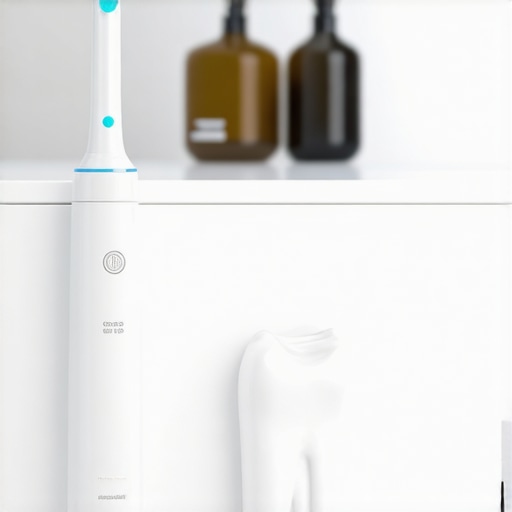
How do I maintain my dental work over the long haul?
Maintenance isn’t just about what happens in your bathroom; it’s about the partnership you have with your hygienist. I used to think a cleaning was just a ‘buff and shine,’ but why a prophy treatment is much more than just a simple tooth cleaning becomes clear when they start measuring your gum pockets. According to technical guidelines from the FDI World Dental Federation, professional mechanical plaque removal is the only way to disrupt the matured subgingival biofilm that we can’t reach at home. This is the cornerstone of the role of family dentistry in ensuring oral health for all ages. For those of us with older restorations, you might even notice why your dental implant crown feels loose after several years if the bone support isn’t checked annually.
Why Smart Brushes and AI are the Next Big Leap
Looking ahead, I predict we are moving toward a ‘set it and monitor it’ era where your toothbrush will be smarter than your phone. We’re already seeing AI-powered brushes that map your mouth in real-time to ensure 100% coverage. This technology is going to revolutionize child-friendly dental care by gamifying the process so kids actually want to hit every spot. It takes the guesswork out of caring for your child’s teeth because the app tells you exactly where they missed. If you want to stay ahead of the curve, I highly recommend switching to an oscillating-rotating electric brush today. It’s an advanced tip that sounds simple, but the sheer volume of plaque it removes compared to a manual brush is the difference between a crown lasting ten years or thirty. Give it a shot for just one week—your gums will feel the difference immediately.
The Hard Truths About Maintaining Restorative Dental Work
I learned the hard way that a crown isn’t a ‘forever’ fix without constant help. First, the ‘halo effect’ is real—if the gum health around your crown fails, the whole restoration is at risk. Second, I realized that fluoride varnish isn’t just for kids; it’s a critical tool for adults to prevent decay at the base of their dental work. Third, your diet actually matters more once you have restorations, as sticky snacks can eventually compromise the integrity of the bond and lead to costly repairs later on.
Tools I Trust for a Cavity-Free Household
To keep my family on track, I rely on a few specific resources and tools that take the guesswork out of oral hygiene. I highly recommend checking the American Academy of Pediatric Dentistry’s ‘Parent’s Guide’ for navigating child-friendly dental care without the emotional overwhelm. For my own routine, I swear by a pH-balancing mouthwash to neutralize acidity immediately after my morning coffee. Finally, keeping a close relationship with your provider is the best way to ensure building a lifetime of healthy smiles stays a reality rather than just a goal.
Start Your Journey to Lasting Oral Health
Transitioning from being fearful of dental products to being an empowered advocate for your family’s teeth is a massive win. You now have the knowledge to look past the marketing trends and focus on what actually strengthens enamel. Whether you need help with a current issue like dental crowns explained or want to prevent future ones, our team is ready to help you thrive. Don’t wait for a toothache to act; contact us today to secure your next appointment and keep your family dentistry routine on the right track. Have you ever felt overwhelmed by all the conflicting dental advice you see online? Let me know your experience in the comments below!