I remember sitting in that small, plastic chair at the dentist’s office, sweating as the hygienist did the “tap test” on my six-year-old’s molars. Then came the words every parent dreads: “We’ve got a couple of soft spots here.” I was floored. I bought the organic pouches! I avoided the candy aisle like it was a crime scene! That moment was my visceral wake-up call. I realized that the “healthy” labels in the grocery store were often lying to my face, and my kid’s enamel was paying the ultimate price. I felt like I’d failed a basic parenting test, but that failure led me to obsess over finding a better way. Today, I’m going to share the exact snack swaps that ended our cycle of constant dental work and kept my kids happy.
The Hidden Sugar Trap in Your Pantry
It’s not just about the lollipops and gummy bears. If only it were that easy to spot the enemy. No, the real villains are the sticky, starchy, “natural” snacks that cling to those tiny teeth like industrial-grade glue. After that first expensive filling, I dove deep into a family dentistry guide and learned that the frequency of snacking is just as dangerous as the sugar itself. If you’ve ever wondered why your own teeth are sensitive to sugar and sweets, imagine what’s happening in a little mouth where the enamel is still maturing. I made a huge mistake early on by thinking dried fruit was a safe bet—turns out, those raisins are basically cavity-starters in a box because they lodge into the grooves of the teeth for hours.
Are “Healthy” Fruit Snacks Actually Worse Than Candy?
This is the skepticism I hear from every parent I talk to over the backyard fence. The truth is often a resounding yes. According to the American Academy of Pediatric Dentistry, foods that are chewy and sticky are significantly more likely to cause decay because they aren’t easily washed away by saliva or water. We are trying to build a foundation of good oral health, but we’re often fighting against clever marketing. Have you ever felt that “fuzzy” feeling on your teeth after a supposedly healthy granola bar? That’s the feeling of a biofilm party starting on your enamel. Have you struggled with getting your little ones to swap the fruit leathers for something that won’t result in a dental crown later? I’ve been there, and the secret isn’t deprivation; it’s the crunch.
Crunchy Alternatives That Act Like Nature’s Toothbrushes
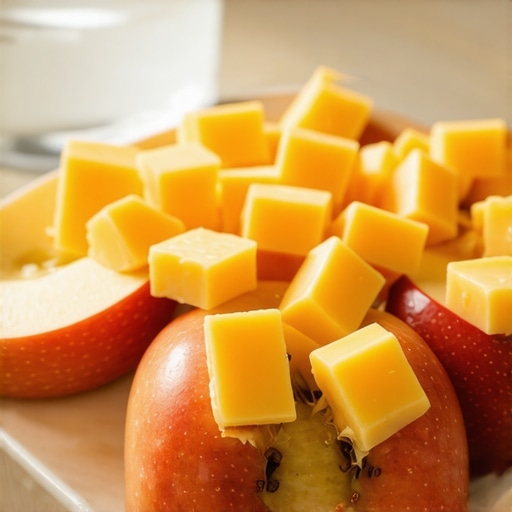
When I finally traded the sticky pouches for crisp veggies and hard cheeses, the difference in our next dental check-up was night and day. Crisp, watery snacks like celery or apples actually help scrub the surfaces of the teeth while the child chews. It’s a win-win. Plus, dairy products like cheese and plain yogurt provide the calcium and phosphates that help remineralize enamel on the fly. It took me a while to realize that a simple cube of cheddar was a better “treat” than a sugary yogurt tube. Transitioning your pantry doesn’t have to happen overnight, but once you see those clean check-up reports, you’ll never want to go back to the sticky stuff.
Stop the Acid Attack with the Five-Minute Rule
The biggest mistake I made early on wasn’t just the food choice; it was the timing. Every time your child eats something starchy or sweet, their mouth becomes an acid bath for about twenty minutes. If they are snacking every hour, their teeth never get a break to recover. I started implementing a strict “water chaser” rule. After any snack that isn’t a plain vegetable, they have to drink a full glass of water. Think of it like a sprinkler system washing away the debris before it can settle into the grooves. This is one of those essential family dentistry tips that sounds too simple to work, but it dramatically changes the pH balance in their mouth.
Why Cheese is the Secret Weapon for Enamel
I used to think of cheese as just another calorie-dense snack, but it’s actually a tooth’s best friend. When you eat cheese, it triggers saliva production—nature’s own cleaning fluid. Even better, the calcium and phosphates in dairy help “re-arm” the enamel. I remember a particularly stressful afternoon when my youngest was throwing a tantrum because I wouldn’t give her a juice box. I noticed why your child’s breath smells like fruit can sometimes be a sign of high sugar intake, so I stood my ground and offered a string cheese “octopus” instead. It was messy, and she initially threw it at the cat, but once she started nibbling, the “fuzzy” teeth feeling disappeared. Pairing a slice of apple with a cube of cheddar is the ultimate proactive move because the cheese neutralizes the natural acids in the fruit.
Don’t Let Your Kid Graze All Day Long
Frequency is the real enemy. I used to let my kids walk around with a bowl of crackers all morning. Big mistake. It’s better for them to eat five crackers in five minutes than one cracker every ten minutes for an hour. Constant grazing means the teeth are under a continuous structural assault. If you’ve ever worried about why your child’s adult teeth look yellow next to baby teeth, remember that new enamel is porous and easily weakened by this constant acid. We moved to “designated snack times” where eating happens at the table. It felt like boot camp for a week, but their gums stopped looking angry and red, and they actually ate better at dinner.
Watch Out for the Liquid Sugar Trap
We often focus on what’s on the plate, but what’s in the cup is just as vital. Even “no sugar added” apple juice is a concentrated shot of acid. If your child is struggling with the transition, try diluting the juice by 10% each day until it’s mostly water. During this transition, we also talked about the easiest way to get your child to start flossing, making it part of a “clean mouth” game rather than a chore. Sometimes, even with the best diet, kids need extra protection, which is why I finally asked about the truth about fluoride varnish during our last visit. It provides that extra layer of armor when they inevitably sneak a stray gummy bear at a birthday party.
How to Spot a Failing Restoration Before It Hurts
Even if you’ve fixed the snacks, you have to monitor the work already done. My son had a small restoration that I thought was fine until he started complaining of a “weird taste.” It turns out, even with a great diet, old work can wear down. I had to learn how to tell if your dental crown has a hidden crack just by watching how he chewed his crunchy carrots. If they start favoring one side of their mouth or wincing at a cold drink, it’s not just a quirk; it’s a signal that something needs a professional look. We now do a “tooth check” every Sunday night to catch these things before they become emergency appointments.
People often assume that once a tooth is capped, it is invincible. That is the biggest myth in the waiting room. Everyone says a crown is a permanent shield, but in my experience, it is actually a complex interface that requires more maintenance than a natural tooth. While dental crowns explained as a solution for damage might sound like the end of the road, it is actually the beginning of a new maintenance cycle. The American Dental Association notes that the longevity of any restoration is tied directly to the health of the underlying tissue and the precision of the fit. Research published in the Journal of Dentistry suggests that the marginal fit—where the crown meets your gum—is the single most important factor for its longevity, even more than the material itself. If that seal fails, the tooth underneath is essentially a sitting duck.
Why a Crown Is Not a Set-it-and-Forget-it Shield
The biggest nuance most people miss is that bacteria are microscopic, but the gaps at the edge of a crown can be massive in comparison. I have seen parents spend a fortune on a restoration only to ignore it because it looks ‘finished.’ You need to understand that the margin of the crown is the most vulnerable spot in your mouth. If you are debating dental crowns vs other restorations, remember that a crown creates a 360-degree seam that plaque loves to call home. This is why I tell people that the ‘Oops’ factor is not the sugar you eat, but the way you clean that specific seam. If you let it go, you might start noticing why your porcelain crown has a dark line at the gum line, which is often a sign that the fit or the health of the tissue is shifting. It is not just a cosmetic issue; it is a structural warning.
How Can You Tell if Your Dental Crown is Leaking Bacteria?
This is the advanced question I get from readers who have moved past basic brushing. A leaking crown is a silent disaster. It usually does not hurt until the decay has reached the nerve. One of the primary red flags is a persistent bad taste or a subtle odor that does not go away with brushing. You can actually learn how to tell if your dental crown is leaking bacteria by paying attention to localized gum inflammation that only appears around that specific tooth. If the gum looks ‘angry’ while the rest of your mouth looks pink and healthy, that seal has likely been compromised. 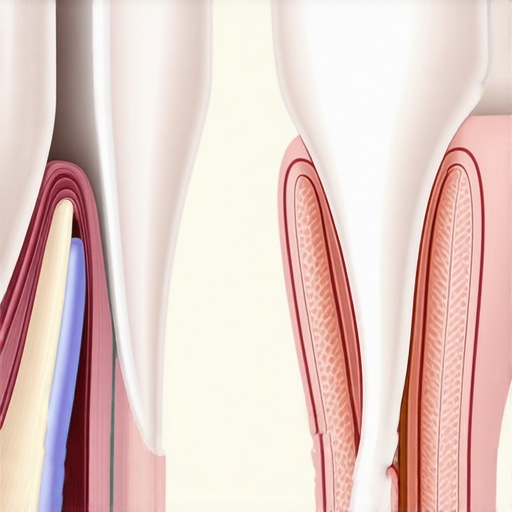
Watch for the Margin Gap Before It Ruins Your Smile
Another common trap is assuming that porcelain is indestructible. While the truth about the lifespan of composite vs porcelain veneers and crowns favors porcelain for durability, it is brittle under the wrong kind of pressure. If you are a night-grinder or have a misaligned bite, you might find yourself wondering about the real reason your porcelain crown keeps chipping. It is rarely a defect in the material; it is usually a failure to address the mechanics of how your teeth meet. This is why high-end cosmetic work requires a deeper understanding of your jaw’s movement. Have you ever fallen into this trap of thinking a crown was a ‘fix’ rather than a ‘commitment’? Let me know in the comments. We need to stop treating dentistry like a one-time repair and start treating it like the architectural maintenance it actually is.
Stop Scrubbing Your Gums Into Oblivion
After years of being a manual toothbrush purist, I had a rude awakening when my dentist pointed out the receding tissue around my premolars. I was brushing too hard, essentially sawing away at my own foundation. I finally invested in a high-quality electric toothbrush with a pressure sensor. This isn’t just about bells and whistles; it’s about biological safety. If you’ve ever wondered why your gums bleed only when you use an electric toothbrush, it’s often because the brush is finally reaching debris your manual brush missed, or you’re pressing far too hard. In the world of family dentistry, we often focus on the habit, but the tool determines the outcome. Modern sensors take the guesswork out of the equation, ensuring you don’t turn a routine cleaning into a self-inflicted injury.
Why the Water Flosser is a Game Changer for Crowns
If you have any type of restoration, a standard piece of string isn’t going to cut it anymore. When I got my first porcelain crown, my flossing routine became a source of anxiety. I was terrified of snagging the edge. That’s when I discovered the water flosser. It’s the only way to effectively flush out the gingival sulcus—the tiny pocket where the crown meets the gum. However, there is a learning curve. I recommend starting on the lowest setting to avoid irritation. Learning how to stop your gums from hurting when you use a water flosser is key to making this a permanent part of your life rather than a discarded gadget in your drawer. It’s the most effective way to manage the 360-degree seam of a restoration without mechanical friction. 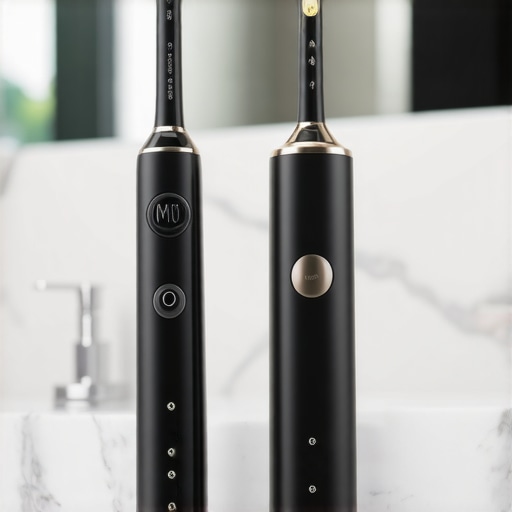
How do I maintain my complex dental work over time?
Consistency is the obvious answer, but the technical answer lies in pH management and mechanical protection. As Dr. Gordon J. Christensen, a world-renowned clinical researcher, often notes in the Clinicians Report, the lifespan of a restoration is almost entirely dependent on the patient’s ability to control the oral environment. This means if you are a grinder, you must wear a night guard. Period. I used to wake up with a sore jaw and tiny chips in my enamel until I committed to a custom guard. You also have to keep that equipment pristine; knowing the best way to clean a night guard to prevent odors is just as important as the cleaning of your actual teeth. If your guard is covered in bacteria, you’re just soaking your teeth in a pathogen bath for eight hours every night. This level of detail is what separates a crown that lasts five years from one that lasts twenty.
Why 2025 Will Change How We View Tooth Repairs
Looking ahead, the trend is moving away from ‘patchwork’ dentistry toward total oral bio-integration. We are seeing incredible shifts in top cosmetic dentistry trends for 2025, specifically with AI-driven marginal fits and 3D-printed materials that mimic the natural wear of human enamel. We are entering an era where cosmetic dentistry isn’t just about looking better; it’s about engineering a system that behaves like natural anatomy. When you compare the truth about the lifespan of composite vs porcelain veneers, the gap is closing because the bonding tech is becoming so sophisticated. I predict that within the next few years, we will see ‘smart crowns’ that can actually alert your phone if the marginal seal begins to fail. For now, my advanced tip for you is this: after your next cleaning, ask your hygienist to show you exactly where your ‘shadow areas’ are—the spots you’re missing—and adjust your water flosser angle to target them specifically. The role of family dentistry is evolving from repair to proactive engineering, and you are the lead engineer of your own mouth.
The Hardest Lessons I Learned Managing My Family’s Dental Health
Reflecting on that first ‘tap test’ at the dentist, I realized that oral health isn’t about perfection; it’s about persistence and catching the small things before they become expensive restorations. The biggest lightbulb moment for me was accepting that even the best work isn’t invincible. I had to learn how to tell if your crown needs to be replaced immediately by watching for tiny shifts in how my kids chewed or complained of ‘pressure.’ Another hard truth? Marketing is rarely your friend. Just because a snack says ‘organic’ or ‘real fruit’ doesn’t mean it won’t feed the bacteria on your child’s molars. Finally, I learned that a family dentistry guide is only as good as the daily habits you actually stick to. It’s the water chaser after the apple and the five-minute rule that save the day, not the fancy labels on the box.
My Tested Gear for Staying Out of the Dentist’s Chair
Over the years, our bathroom counter has seen its fair share of gadgets, but only a few have earned a permanent spot. First, a pressure-sensing electric toothbrush is non-negotiable for parents and kids alike to prevent gum trauma. Second, I cannot recommend a water flosser enough for anyone with crowns or veneers; it is the most efficient way to flush that vulnerable 360-degree seam. If you’ve tried one before and quit, take the time to learn how to stop your gums from hurting when you use a water flosser by starting on the lowest possible setting. Lastly, if you are a grinder, a custom-fitted night guard is the best insurance policy you can buy for your enamel. Just make sure you know the best way to clean a night guard to prevent odors so you actually want to wear it every single night.
#IMAGE_PLACEHOLDER_E#
Your Next Step Toward a Confident Smile
Transitioning from reactive ‘patch-it-up’ dentistry to proactive ‘engineering’ for your mouth is the most empowering shift you can make. Whether you are looking into cosmetic dentistry innovations to watch for yourself or just trying to get through the toddler years without another cavity, remember that you are the lead engineer of your family’s oral health. If you ever feel overwhelmed by the technical details or the options available, don’t hesitate to contact us for a professional evaluation that considers your unique goals. You’ve got the tools and the knowledge—now it’s just about the consistency of the ‘water chaser’ and the nightly floss. What’s the one ‘healthy’ snack you were shocked to find out was actually bad for teeth? Let me know in the comments below!