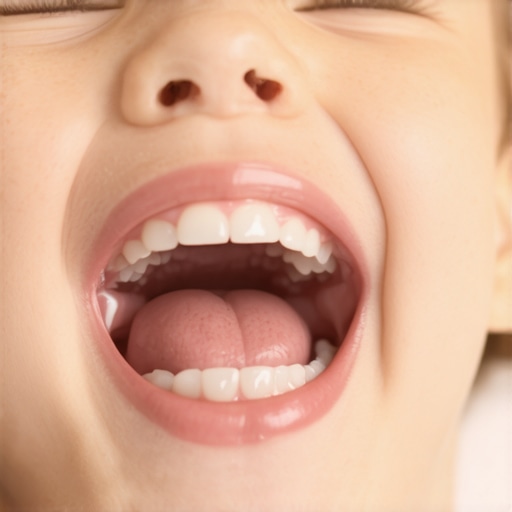
I remember leaning in for a bedtime kiss from my youngest, expecting the usual scent of toothpaste and maybe a lingering hint of dinner, only to be hit with a smell so sweet it was almost like they had been sneaking fruit snacks under the covers. My first thought was a playful “Caught you!” but a quick search of the room revealed no hidden wrappers. The scent stayed for days—a cloying, saccharine aroma that didn’t match anything they’d actually eaten. As a parent, you know that gut feeling when something is just slightly off. I spent hours down the rabbit hole of medical forums, worrying about everything from simple dehydration to much scarier possibilities. If you’ve ever sniffed your child’s breath and thought it smelled more like Juicy Fruit gum than a human mouth, you aren’t alone. Today, I’m sharing what I learned during that stressful week so you can navigate this weird symptom with confidence. [image_placeholder_1]
That Sweet Scent Might Not Be So Sweet After All
When we talk about oral hygiene, we usually focus on the “bad” smells—the kind that make you want to back away during a conversation. But a fruity or sweet odor is a unique signal that your child’s body is sending. I’ve learned that breath is often a window into the metabolism, not just a result of what happened in the bathroom with a toothbrush. My goal here is to help you distinguish between a harmless phase and a reason to call the doctor. We’re going to solve the mystery of that fruit-basket breath today and get you back to those worry-free snuggles. Have you ever felt that sudden jolt of confusion when your kid’s breath smelled better—but weirder—than usual? Share your story with me in the comments; I’d love to know I wasn’t the only one sniffing the air like a bloodhound.
Is fruity breath really something to worry about?
It’s tempting to think that “sweet” equals “clean,” but that’s one of the biggest mistakes I made early on. I assumed that as long as I followed the best essential family dentistry tips, everything was fine. However, persistent fruity breath is often metabolic rather than dental. You might be skeptical—could a smell really indicate a serious health issue? The reality is that according to the American Diabetes Association, an acetone-like or fruity smell is a classic hallmark of Diabetic Ketoacidosis (DKA). This happens when the body can’t use glucose for energy and starts breaking down fat too quickly, producing ketones. While this is a more extreme scenario, it’s the reason we can’t just ignore it. I felt guilty for days after realizing I had just been trying to brush it away with standard child-friendly dental care instead of looking at the bigger picture of my child’s internal health.
Why Your Kids Breath Smells Like a Fruit Basket
There are a few main reasons your little one might be sporting this tropical aroma. One of the most common is simple ketosis, which can happen if they’ve been a bit under the weather and haven’t had much of an appetite. Their body starts burning its stores for fuel, and “sweet breath” is the byproduct of those escaping gases. Another factor often handled by your local family dentistry expert is chronic mouth breathing. If your child has large tonsils or allergies, their mouth dries out, which kills off the healthy, odor-neutralizing saliva. While this often leads to breath that smells bad even after brushing, certain bacterial strains that thrive in dry environments can actually produce a sweet, sickly scent. Understanding whether this is a dental issue or something for the pediatrician is the first step in keeping your family healthy and happy. It’s about looking past the teeth and seeing the whole child.
Spot the Red Flags Before You Panic
I remember sitting on the kitchen floor with my daughter, trying to stay calm while I checked her for other symptoms. That week taught me that fruity breath is like a check-engine light for the body. You don’t need to be a doctor to do a basic “body scan.” First, look at their energy levels. If the sweet smell is accompanied by extreme thirst or frequent bathroom trips, that’s your signal to skip the internet and call your pediatrician immediately. I once spent an hour researching the real reason your breath smells like mothballs, only to realize I was looking at the wrong symptoms entirely. Focus on the big three: thirst, fatigue, and that specific acetone scent.
Check the Moisture Levels in Their Mouth
Think of your child’s mouth as a tiny garden. Saliva is the “rain” that washes away debris and keeps the environment healthy. When the rain stops, things get weird. Chronic mouth breathing is a major culprit here. If your child’s mouth feels like sandpaper when they wake up, it’s likely they aren’t producing enough saliva to neutralize odors. This is often where the role of family dentistry in ensuring oral health for all ages becomes crucial. A dentist can check if their airway is blocked or if they have enlarged tonsils that are forcing them to breathe through their mouth, which dries out the tissues and creates that sickly-sweet aroma.
Simple Ways to Fix a Fruity Mouth at Home
Before you dive into complex medical solutions, start with the basics of hydration and diet. I found that my son’s breath improved significantly once we cut back on sugary juices and focused on plain water. Sometimes, a “sweet” smell is just a sign that their body is slightly dehydrated and working harder to process sugars. While you’re at it, make sure they aren’t just brushing the front teeth; they need to reach the back where bacteria hide. If you’re struggling to get them to cooperate, you might need to learn how to stop gagging every time you brush your back teeth so you can model the right technique for them. It sounds silly, but kids mirror what we do.
Distinguish Between Teeth and Tonsils
It’s easy to blame the teeth, but sometimes the smell comes from deeper back. Tonsil stones, while usually associated with a different odor, can sometimes trap food that ferments and produces strange scents. If you suspect dental damage is the cause, you might be looking at a situation where a tooth is compromised. While kids’ teeth are resilient, severe decay can sometimes alter breath. You might even find yourself researching dental crowns explained if the decay has gone too far. My rule of thumb is this: if the breath smells sweet and the teeth look clear, it’s metabolic. If the breath is funky and you see spots, it’s time for a child-friendly dental care visit.
Stay Calm During the Permanent Tooth Transition
Don’t be surprised if the smell changes as they age. When those big kid teeth start pushing through, the gums can get inflamed. This inflammation can harbor bacteria that shift the “scent profile” of their mouth. Many parents worry when why your child’s permanent teeth look yellow compared to baby teeth, but that’s actually normal. What isn’t normal is a persistent, cloying scent that won’t go away with a good scrub. If they are currently losing teeth, check for any swelling. If you notice a bulge, you should know why your child’s gums look swollen near a loose baby tooth to ensure it’s not an infection causing the odor.
Stop Treating Your Family Dentist Like a Once-a-Year Visitor
It’s easy to get stuck in the mindset that following a family dentistry guide is just about routine cleanings and the occasional filling. But here is the contrarian truth I’ve learned: we often wait for physical pain before considering ‘real’ dental work, and that is the most expensive mistake you can make. Most people assume expert cosmetic dentistry solutions are purely for vanity, but in reality, they are often about structural prevention. A slightly crooked tooth or a small gap isn’t just a visual quirk; it’s a functional failure that traps bacteria, leading to the metabolic and dental odors we’ve been discussing. By the time you notice a smell, the decay might already be deep enough to require more than just a brush-up.
Can you spot a failing restoration before it becomes a dental emergency?
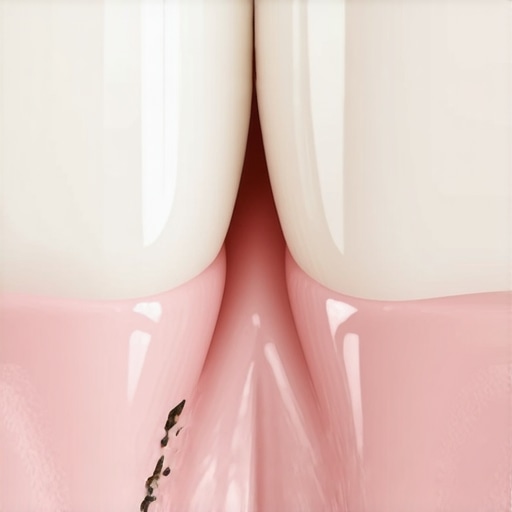
Advanced dental health requires looking beyond the surface of your smile. For instance, if you have older dental work, you might eventually notice that your gum line looks dark around an old crown. This isn’t always just an aesthetic annoyance; it’s often a sign of marginal leakage. According to a study published in the International Journal of Prosthodontics, the integrity of the seal where the restoration meets the natural tooth is the single most important factor in preventing secondary decay. When that seal fails, bacteria seep in, creating a ‘pocket’ of infection that smells sickly sweet or metallic—long before you feel a single throb of pain. If you’ve been ignoring a dark line or a slightly loose-feeling cap, you’re sitting on a ticking time bomb.
Avoid the Dangerous DIY Repair Trap
When a dental emergency strikes on a weekend, the temptation to fix it yourself is overwhelming. I have seen the disastrous results of people researching the danger of using super glue to fix a broken crown. Not only are household adhesives toxic to your soft tissues, but they also create an uneven surface that can permanently damage your bite and the opposing teeth. This is where the real cost of delaying a necessary dental crown becomes apparent. What could have been a simple re-cementing appointment turns into a full extraction and implant because the DIY fix trapped a massive infection underneath the porcelain.
Why Your Gum Line is the Ultimate Early Warning System
We often focus so much on the teeth themselves that we ignore the ‘soil’ they grow in. If you are comparing dental crowns vs other restorations, your dentist isn’t just looking at the hole in your tooth; they are looking at the health of your gums. Spongy, dark, or receding gums are a signal that your body’s inflammatory response is in overdrive. This is why child-friendly dental care is so vital in those early years—it’s not just about stopping cavities; it’s about training the immune system of the mouth to stay calm. Have you ever fallen into the ‘wait until it hurts’ trap? Let me know in the comments; I’d love to hear how you handled your last dental surprise.
Stop Guessing with These Professional Tools
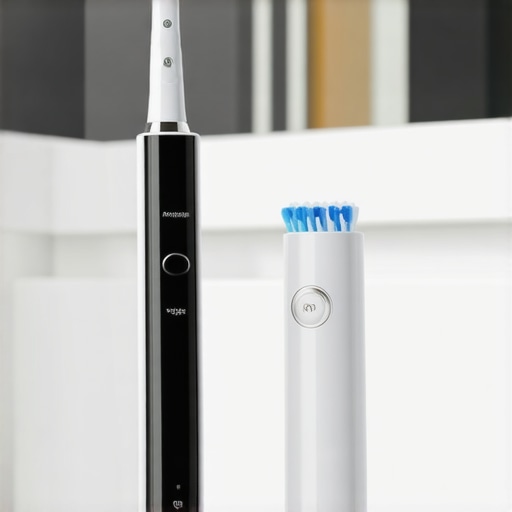
My medicine cabinet used to look like everyone else’s: a stray manual brush and a dusty box of floss. That changed when I realized that maintenance is a technical job, not a chore. I personally swear by a high-frequency sonic toothbrush—the specific kind that buzzes if you press too hard. Why? Because most of us are literally scrubbing our gums away without knowing it, leading to sensitivity and recession. I also added a Waterpik to the mix. It’s not just a fancy gadget; it’s the most effective way to clear out debris from under bridges or around the base of restorations. When you are understanding dental crowns when and why they are needed, you realize that the margin where the porcelain meets the gum is the most vulnerable spot. If you’ve ever wondered why your breath still feels slightly ‘off’ after a deep clean, it’s usually because of the plaque hiding in the tiny pockets that standard floss simply cannot reach.
How can I keep my smile healthy for the long haul?
Maintenance isn’t just about what you do in the morning; it’s about what you do while you sleep. If you have invested in expert cosmetic dentistry solutions, you are wearing a significant financial and physical investment. According to a clinical guide by the American Academy of Cosmetic Dentistry (AACD), the mechanical force of nighttime grinding is the leading cause of porcelain fractures and restoration failure. This is why I never skip my night guard. I’ve seen friends lose thousands in dental work because they thought the risks of skipping your night guard for just one week wouldn’t matter. It does. The guard acts as a shock absorber, preserving the integrity of your bite and preventing the ‘sweet’ or metallic bacterial smells that thrive in the microscopic cracks of damaged dental work. It is the cheapest insurance policy you will ever buy for your mouth.
What the Future Holds for Your Teeth
Looking ahead, we are moving into an era of ‘smart’ dentistry that focuses on biology rather than just mechanics. I predict that by 2025, we will see a massive shift toward bio-active materials that actually help the tooth structure heal itself by releasing calcium and phosphate. When you look at the top cosmetic dentistry trends for 2025, the focus is shifting from pure aesthetics to ‘integrated biology.’ We are seeing the rise of 3D-printed restorations that fit with micron-level accuracy, far surpassing the old hand-poured molds. This means fewer gaps for bacteria to hide and much longer-lasting results. We are also seeing a change in the truth about the lifespan of composite vs porcelain veneers, where new ceramic hybrids are becoming almost indistinguishable from natural enamel in both their strength and how they reflect light.
Your Next Step for a Lasting Smile
If you want to take your oral health to a professional level today, here is my advanced tip: swap your standard mouthwash for a pH-neutralizing rinse. Most store-bought washes are actually quite acidic, which can erode enamel over time if used too frequently. Look for a brand that specifically mentions ‘pH balance’ to create an environment where bad bacteria simply can’t survive. Try this for one week—you’ll notice the ‘fuzzy’ feeling on your teeth disappears much faster throughout the day. If you’re curious about how these tools fit into your specific family needs, check out our family dentistry guide to see how to scale these high-tech habits for every age group in your household.
What That One Week of Fruit-Scented Panic Taught Me
That stressful week taught me that the body never speaks without reason. First, I realized that “good” habits aren’t a shield against systemic shifts; even the best brushers can face metabolic hurdles. Second, I learned that dental issues are often localized warnings—like why your gums bleed only in one specific spot—rather than just “bad luck.” Finally, I accepted that as a parent, my job is to be the first line of observation, connecting the dots between a sweet scent and a potential health alert before it becomes a crisis.
My Go-To Toolbox for a Healthier Family Smile
I’ve distilled my routine down to a few non-negotiables that I trust completely. I rely on pH-balancing rinses because they fundamentally change the mouth’s chemistry by neutralizing acids that erode enamel. I also recommend keeping an eye on the top cosmetic dentistry trends for 2025 to see how bio-active materials are changing the game. If you’re currently dealing with more visible issues, like trying to figure out how to tell if that bump on your gum is an abscess, these professional-grade tools and resources help you cut through the internet noise with real clinical insight.
[image_placeholder_5]
Take the Lead on Your Child’s Health Journey
Don’t wait for a “check engine light” to start caring for your family’s oral and metabolic health. Whether it’s a fruity scent or a loose tooth, these signals are opportunities to strengthen your proactive care and refine your habits. By staying curious and informed through our family dentistry guide, you can ensure every member of your household keeps a vibrant, healthy smile for years to come. Have you ever noticed a strange scent that turned out to be a major health signal? Let me know below!