I remember the first time my daughter, Sophie, came running to me with a wobbly front tooth. She was beaming, but when I took a closer look, my heart did a little jump—not out of excitement, but out of pure parental panic. The gum around that tiny, dancing tooth wasn’t just pink; it was puffy, red, and looked downright angry. My mind immediately went to the worst-case scenarios: Is it an infection? Did she hit her face? Why does it look like her mouth is rejecting the tooth? It turns out, I was overreacting, but that feeling of ‘dental dread’ is something almost every parent goes through when the Tooth Fairy is about to make a house call.
The Panic of the Puffy Gums
When you see those swollen tissues, it is easy to think something is wrong with your child-friendly dental care routine. I made the classic mistake of thinking I needed to ‘help’ the tooth along by poking at it with a toothpick—a move I quickly learned was a terrible idea. In fact, the hidden dangers of using a toothpick to clean your gums (or your child’s) often involve introducing more bacteria into an already sensitive area. What I didn’t realize back then was that a little bit of swelling is actually a sign that the body is doing exactly what it is supposed to do. Today, we are going to dive into why this happens, how to tell the difference between ‘normal’ and ‘not okay,’ and the best ways to keep your little one comfortable while that tooth prepares to take its final bow.
Is this swelling actually a dental emergency?
This is the big question every parent asks. You might be wondering if that redness is a sign of an abscess or just part of the process. According to the American Academy of Pediatric Dentistry, localized gum inflammation is a frequent companion to ‘exfoliation’—the fancy term for losing baby teeth—because the moving tooth creates tiny gaps where food can get trapped, and the tissue itself is reacting to the pressure of the permanent tooth pushing from below. While it looks scary, it is rarely a reason to rush to the family dentistry clinic at 2:00 AM. Usually, it is just a case of the best way to handle a loose baby tooth being patience and gentle cleaning. Have you ever seen a bump that looked like a ‘pimple’ on your child’s gums and worried it was something more serious? I certainly have, and knowing how to tell if that bump on your gum is a pimple or an abscess can save you a lot of sleepless nights.
Why the Gum Tissue Reacts This Way
Think of it like this: that baby tooth has been anchored in place for years. As the root dissolves and the tooth becomes mobile, it starts to wiggle against the surrounding gingiva. This friction, combined with the fact that it is much harder to brush a tooth that feels like it might fall out, leads to a buildup of plaque right at the gum line. I noticed with Sophie that she stopped brushing that area entirely because it ‘felt weird,’ which only made the swelling worse. If you have noticed why your child’s mouth smells bad even after brushing, it might actually be due to these tiny pockets of inflammation around a loose tooth. It is a cycle that is easy to break once you know the cause.
Clean the Area Without Causing More Grief
The first rule of thumb is to stop the manual ‘extraction’ attempts. I remember trying to use a dry tissue to get a better grip on Sophie’s tooth, thinking I was helping speed up the process. All I did was make her cry and turn the pink gum into a darker, angrier shade of red. Instead, treat the area like a fresh scrape on a knee. You wouldn’t scrub a scrape with a hard brush; you’d rinse it. I started having her swish with warm salt water three times a day. It acts like a natural disinfectant, drawing out the fluid that causes that puffy look. This is a staple of child-friendly dental care because it’s effective without being invasive.
Switch to a Soft-Bristle Strategy
If your child is avoiding the area because it’s tender, the plaque buildup will only fuel the inflammatory fire. I bought Sophie a brush with the softest bristles I could find—think of it as using a feather instead of a scrub brush. We practiced ‘gentle circles’ around the loose tooth rather than back-and-forth sawing. This prevents the bacteria from settling into the gap created by the shifting root. This approach is much better than the safe way to use toothpicks without damaging gums, which is really more for adults with tight gaps, not kids with moving teeth. If you see a tiny amount of blood, don’t panic; it’s often just the gum tissue being compressed between the old tooth and the new one pushing up.
Spot the Difference Between Healing and Infection
Not all red bumps are created equal. When Sophie’s gum looked like a tiny balloon, I panicked. But then I looked for the ‘pimple.’ A localized, bright red swelling right where the tooth is wiggling is usually just ‘eruption gingivitis.’ However, if you see a white or yellow-ish head on the bump, that’s a different story. Knowing how to tell if that bump on your gum is a pimple or an abscess is the best tool in your parental toolkit. An abscess will often come with a bad taste in the mouth or a low-grade fever, whereas normal exfoliation swelling is just slightly tender to the touch.
Manage the Discomfort with Cold Pressure
Since the swelling is essentially an inflammatory response, cold is your best friend. I used to give Sophie frozen grapes (halved for safety) or a cold, damp washcloth to bite on for a few minutes. The cold numbs the nerve endings and constricts the blood vessels, which visibly reduces the puffiness. This is much more effective than any messy ‘teething’ gel. If the tooth is being particularly stubborn, you might find the best way to handle a loose baby tooth that won’t fall out is to simply let the cold therapy do its work while nature takes its course. It’s a marathon, not a sprint.
When to Call the Dentist for a Pro Opinion
Sometimes, the baby tooth won’t budge because the permanent tooth is coming in at an odd angle, essentially ‘trapping’ the baby tooth in place. This can cause chronic inflammation that won’t resolve on its own. If the swelling hasn’t gone down after a week of salt-water rinses and gentle brushing, it’s time to consult your family dentistry professional. They can take a quick look to ensure there isn’t a ‘shark tooth’ situation where the permanent tooth grows behind the baby tooth. In some cases, if a tooth was damaged earlier in life, it might require dental crowns explained as a restoration solution if the permanent tooth isn’t ready but the baby one is failing. However, for most kids, the ‘swollen’ phase is just the final hurdle before the Tooth Fairy arrives.
But here is the thing that many ‘family dentistry’ pamphlets won’t tell you: that wobbly tooth is the gateway to your child’s permanent smile, and how you handle these early issues sets the stage for everything from braces to future cosmetic needs. Most people think that because baby teeth are ‘disposable,’ the health of the gum tissue around them isn’t a long-term priority. In my experience, this is a dangerous misconception. The way we manage caring for your child’s teeth during these transition years dictates the bone density and space available for adult teeth. If you ignore localized inflammation now, you might be looking at more complex cosmetic dentistry solutions later to fix alignment or spacing issues that could have been prevented with proactive care.
Wait and see might cost you more later
The biggest ‘trap’ parents fall into is the ‘it’s just a baby tooth’ mentality. I’ve seen cases where a minor infection around a loose tooth was left too long, affecting the enamel development of the permanent tooth sitting right underneath it. This often leads to the real cost of delaying a necessary dental crown being much higher than just the financial aspect—it’s a cost of time and comfort. If a baby tooth is lost too early due to decay rather than natural wiggling, the adjacent teeth can shift, creating a domino effect of orthodontic nightmares. This is why family dentistry is more about architecture than just cleaning; it is about maintaining the ‘blueprints’ of the mouth.
Is that dark line around your crown actually decay?
As we move into more advanced care, even for adults, there’s a nuance most people miss. Have you ever noticed why your gums look dark around a dental crown? Many patients panic, thinking it’s a sign of a new cavity. However, it’s often just the metal substructure of an older porcelain-fused-to-metal crown showing through thin gum tissue. A study published in the Journal of Esthetic and Restorative Dentistry highlights that the marginal fit and the choice of material—like all-ceramic or zirconia—are far more important for long-term gum health than simply ‘matching the color’ of your teeth. When considering top cosmetic dentistry trends for 2025, it’s essential to look at the biocompatibility of these materials rather than just the immediate visual boost.
Don’t chase trends until the foundation is solid
Another common mistake is seeking out cosmetic dentistry innovations like whitening or veneers when there is underlying gum disease. It’s like painting a house with a crumbling foundation. I always tell my friends: focus on the health of the gingiva first. Even for kids, if you notice why your child’s permanent teeth look yellow compared to baby teeth, don’t rush into whitening products. Permanent teeth have more dentin, which is naturally more yellow. Forcing cosmetic fixes on a developing mouth can lead to permanent sensitivity. Have you ever fallen into the trap of wanting a quick cosmetic fix before checking the underlying health? Let me know in the comments! If you’re unsure whether your child’s current ‘wobbly’ stage is normal or needs professional intervention, it’s always better to seek child-friendly dental care sooner rather than later to keep their smile on the right track.
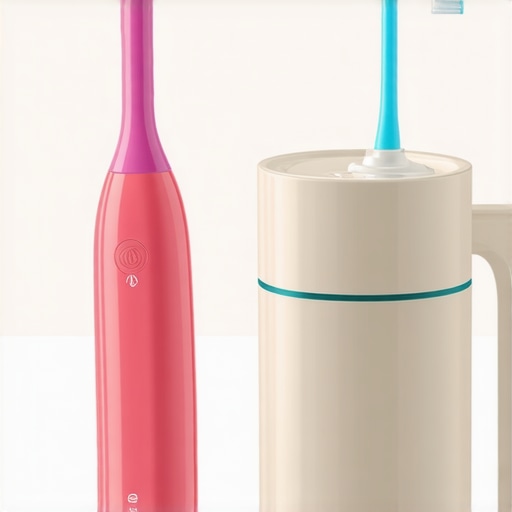
When Sophie’s first permanent molar started peeking through, I realized that the ‘wait and see’ approach was officially over. If we wanted to avoid the need for transform-your-look-with-expert-cosmetic-dentistry-solutions later in her life, we had to get serious about the tools we were using at home right now. For us, the game-changer wasn’t a fancier toothpaste, but switching to a dedicated pediatric water flosser. I personally found that string floss was just too clinical and intimidating for a seven-year-old, whereas the water flosser felt like a toy. It allowed us to flush out those tiny gaps around her wobbly teeth without the physical trauma of manual flossing, which often kept the inflammation at bay better than any rinse could.
Skip the string and try a water flosser
The reason I recommend a water flosser specifically for families in the transition phase is its ability to reach the ‘hidden’ surfaces of erupting permanent teeth. These teeth often sit lower than the baby teeth, creating a shelf where plaque thrives. By using the lowest pressure setting, we were able to practice caring-for-your-childs-teeth-essential-family-dentistry-tips without causing her gums to bleed. It’s about building a habit that scales. If she can master a water flosser now, she won’t be the adult wondering why your gums look dark around a dental crown due to poor hygiene-induced recession decades down the line.
How do I maintain these results for the long haul?
Maintenance isn’t just about the tools you hold in your hand; it’s about the clinical safeguards you put in place. I’ve become a huge advocate for pit and fissure sealants. According to a landmark study in the Journal of Clinical Pediatric Dentistry, sealants can reduce the risk of decay in molars by nearly 80% for up to four years after placement. This is a critical step in the-role-of-family-dentistry-in-ensuring-oral-health-for-all-ages because it effectively ‘waterproofs’ the most vulnerable parts of the mouth. When you consider dental-crowns-vs-other-restorations-which-is-right-for-you, the goal should always be to choose the option that prevents the need for a crown in the first place.
Why 3D scanning is the next big thing for your family
Looking ahead, I predict that traditional ‘goopy’ molds for crowns and expanders will completely disappear by the end of this decade. We are already seeing how why-your-culpeper-dentist-might-need-a-3d-scan-to-find-hidden-tooth-pain is becoming the standard for diagnosing issues that an X-ray might miss. Digital scans allow for 3D printing of restorations that fit with micrometer precision, which is essential when you are trying to revamp-your-smile-top-cosmetic-dentistry-trends-for-2025. This tech isn’t just for adults; it’s being used to track how a child’s jaw grows in real-time, allowing for ‘pre-orthodontics’ that can save you thousands. If your dentist offers a digital scan instead of a physical mold, take it—the accuracy is worth the investment for the long-term stability of the bite. My advanced tip for this week? Ask your dentist about ‘preventive resin restorations’ (PRRs) during your next check-up; they are the middle ground between a sealant and a filling and can save a tooth’s structure before a cavity even fully forms.
I remember the first time my daughter, Sophie, came running to me with a wobbly front tooth. She was beaming, but when I took a closer look, my heart did a little jump—not out of excitement, but out of pure parental panic. The gum around that tiny, dancing tooth wasn’t just pink; it was puffy, red, and looked downright angry. My mind immediately went to the worst-case scenarios: Is it an infection? Did she hit her face? Why does it look like her mouth is rejecting the tooth? It turns out, I was overreacting, but that feeling of ‘dental dread’ is something almost every parent goes through when the Tooth Fairy is about to make a house call.
The Panic of the Puffy Gums
When you see those swollen tissues, it is easy to think something is wrong with your child-friendly dental care routine. I made the classic mistake of thinking I needed to ‘help’ the tooth along by poking at it with a toothpick—a move I quickly learned was a terrible idea. In fact, the hidden dangers of using a toothpick to clean your gums (or your child’s) often involve introducing more bacteria into an already sensitive area. What I didn’t realize back then was that a little bit of swelling is actually a sign that the body is doing exactly what it is supposed to do. Today, we are going to dive into why this happens, how to tell the difference between ‘normal’ and ‘not okay,’ and the best ways to keep your little one comfortable while that tooth prepares to take its final bow.
Is this swelling actually a dental emergency?
This is the big question every parent asks. You might be wondering if that redness is a sign of an abscess or just part of the process. According to the American Academy of Pediatric Dentistry, localized gum inflammation is a frequent companion to ‘exfoliation’—the fancy term for losing baby teeth—because the moving tooth creates tiny gaps where food can get trapped, and the tissue itself is reacting to the pressure of the permanent tooth pushing from below. While it looks scary, it is rarely a reason to rush to the family dentistry clinic at 2:00 AM. Usually, it is just a case of the best way to handle a loose baby tooth being patience and gentle cleaning. Have you ever seen a bump that looked like a ‘pimple’ on your child’s gums and worried it was something more serious? I certainly have, and knowing how to tell if that bump on your gum is a pimple or an abscess can save you a lot of sleepless nights.
Why the Gum Tissue Reacts This Way
Think of it like this: that baby tooth has been anchored in place for years. As the root dissolves and the tooth becomes mobile, it starts to wiggle against the surrounding gingiva. This friction, combined with the fact that it is much harder to brush a tooth that feels like it might fall out, leads to a buildup of plaque right at the gum line. I noticed with Sophie that she stopped brushing that area entirely because it ‘felt weird,’ which only made the swelling worse. If you have noticed why your child’s mouth smells bad even after brushing, it might actually be due to these tiny pockets of inflammation around a loose tooth. It is a cycle that is easy to break once you know the cause.
Clean the Area Without Causing More Grief
The first rule of thumb is to stop the manual ‘extraction’ attempts. I remember trying to use a dry tissue to get a better grip on Sophie’s tooth, thinking I was helping speed up the process. All I did was make her cry and turn the pink gum into a darker, angrier shade of red. Instead, treat the area like a fresh scrape on a knee. You wouldn’t scrub a scrape with a hard brush; you’d rinse it. I started having her swish with warm salt water three times a day. It acts like a natural disinfectant, drawing out the fluid that causes that puffy look. This is a staple of child-friendly dental care because it’s effective without being invasive.
Switch to a Soft-Bristle Strategy
If your child is avoiding the area because it’s tender, the plaque buildup will only fuel the inflammatory fire. I bought Sophie a brush with the softest bristles I could find—think of it as using a feather instead of a scrub brush. We practiced ‘gentle circles’ around the loose tooth rather than back-and-see sawing. This prevents the bacteria from settling into the gap created by the shifting root. This approach is much better than the safe way to use toothpicks without damaging gums, which is really more for adults with tight gaps, not kids with moving teeth. If you see a tiny amount of blood, don’t panic; it’s often just the gum tissue being compressed between the old tooth and the new one pushing up.
#IMAGE_PLACE_HOLDER_B#
Spot the Difference Between Healing and Infection
Not all red bumps are created equal. When Sophie’s gum looked like a tiny balloon, I panicked. But then I looked for the ‘pimple.’ A localized, bright red swelling right where the tooth is wiggling is usually just ‘eruption gingivitis.’ However, if you see a white or yellow-ish head on the bump, that’s a different story. Knowing how to tell if that bump on your gum is a pimple or an abscess is the best tool in your parental toolkit. An abscess will often come with a bad taste in the mouth or a low-grade fever, whereas normal exfoliation swelling is just slightly tender to the touch.
Manage the Discomfort with Cold Pressure
Since the swelling is essentially an inflammatory response, cold is your best friend. I used to give Sophie frozen grapes (halved for safety) or a cold, damp washcloth to bite on for a few minutes. The cold numbs the nerve endings and constricts the blood vessels, which visibly reduces the puffiness. This is much more effective than any messy ‘teething’ gel. If the tooth is being particularly stubborn, you might find the best way to handle a loose baby tooth that won’t fall out is to simply let the cold therapy do its work while nature takes its course. It’s a marathon, not a sprint.
When to Call the Dentist for a Pro Opinion
Sometimes, the baby tooth won’t budge because the permanent tooth is coming in at an odd angle, essentially ‘trapping’ the baby tooth in place. This can cause chronic inflammation that won’t resolve on its own. If the swelling hasn’t gone down after a week of salt-water rinses and gentle brushing, it’s time to consult your family dentistry professional. They can take a quick look to ensure there isn’t a ‘shark tooth’ situation where the permanent tooth grows behind the baby tooth. In some cases, if a tooth was damaged earlier in life, it might require dental crowns explained as a restoration solution if the permanent tooth isn’t ready but the baby one is failing. However, for most kids, the ‘swollen’ phase is just the final hurdle before the Tooth Fairy arrives.
But here is the thing that many ‘family dentistry’ pamphlets won’t tell you: that wobbly tooth is the gateway to your child’s permanent smile, and how you handle these early issues sets the stage for everything from braces to future cosmetic needs. Most people think that because baby teeth are ‘disposable,’ the health of the gum tissue around them isn’t a long-term priority. In my experience, this is a dangerous misconception. The way we manage caring for your child’s teeth during these transition years dictates the bone density and space available for adult teeth. If you ignore localized inflammation now, you might be looking at more complex cosmetic dentistry solutions later to fix alignment or spacing issues that could have been prevented with proactive care.
Wait and see might cost you more later
The biggest ‘trap’ parents fall into is the ‘it’s just a baby tooth’ mentality. I’ve seen cases where a minor infection around a loose tooth was left too long, affecting the enamel development of the permanent tooth sitting right underneath it. This often leads to the real cost of delaying a necessary dental crown being much higher than just the financial aspect—it’s a cost of time and comfort. If a baby tooth is lost too early due to decay rather than natural wiggling, the adjacent teeth can shift, creating a domino effect of orthodontic nightmares. This is why family dentistry is more about architecture than just cleaning; it is about maintaining the ‘blueprints’ of the mouth.
Is that dark line around your crown actually decay?
As we move into more advanced care, even for adults, there’s a nuance most people miss. Have you ever noticed why your gums look dark around a dental crown? Many patients panic, thinking it’s a sign of a new cavity. However, it’s often just the metal substructure of an older porcelain-fused-to-metal crown showing through thin gum tissue. A study published in the Journal of Esthetic and Restorative Dentistry highlights that the marginal fit and the choice of material—like all-ceramic or zirconia—are far more important for long-term gum health than simply ‘matching the color’ of your teeth. When considering top cosmetic dentistry trends for 2025, it’s essential to look at the biocompatibility of these materials rather than just the immediate visual boost.
#IMAGE_PLACE_HOLDER_C#
Don’t chase trends until the foundation is solid
Another common mistake is seeking out cosmetic dentistry innovations like whitening or veneers when there is underlying gum disease. It’s like painting a house with a crumbling foundation. I always tell my friends: focus on the health of the gingiva first. Even for kids, if you notice why your child’s permanent teeth look yellow compared to baby teeth, don’t rush into whitening products. Permanent teeth have more dentin, which is naturally more yellow. Forcing cosmetic fixes on a developing mouth can lead to permanent sensitivity. Have you ever fallen into the trap of wanting a quick cosmetic fix before checking the underlying health? Let me know in the comments! If you’re unsure whether your child’s current ‘wobbly’ stage is normal or needs professional intervention, it’s always better to seek child-friendly dental care sooner rather than later to keep their smile on the right track.
When Sophie’s first permanent molar started peeking through, I realized that the ‘wait and see’ approach was officially over. If we wanted to avoid the need for transform-your-look-with-expert-cosmetic-dentistry-solutions later in her life, we had to get serious about the tools we were using at home right now. For us, the game-changer wasn’t a fancier toothpaste, but switching to a dedicated pediatric water flosser. I personally found that string floss was just too clinical and intimidating for a seven-year-old, whereas the water flosser felt like a toy. It allowed us to flush out those tiny gaps around her wobbly teeth without the physical trauma of manual flossing, which often kept the inflammation at bay better than any rinse could.
Skip the string and try a water flosser
The reason I recommend a water flosser specifically for families in the transition phase is its ability to reach the ‘hidden’ surfaces of erupting permanent teeth. These teeth often sit lower than the baby teeth, creating a shelf where plaque thrives. By using the lowest pressure setting, we were able to practice caring-for-your-childs-teeth-essential-family-dentistry-tips without causing her gums to bleed. It’s about building a habit that scales. If she can master a water flosser now, she won’t be the adult wondering why your gums look dark around a dental crown due to poor hygiene-induced recession decades down the line.
#IMAGE_PLACE_HOLDER_D#
How do I maintain these results for the long haul?
Maintenance isn’t just about the tools you hold in your hand; it’s about the clinical safeguards you put in place. I’ve become a huge advocate for pit and fissure sealants. According to a landmark study in the Journal of Clinical Pediatric Dentistry, sealants can reduce the risk of decay in molars by nearly 80% for up to four years after placement. This is a critical step in the-role-of-family-dentistry-in-ensuring-oral-health-for-all-ages because it effectively ‘waterproofs’ the most vulnerable parts of the mouth. When you consider dental-crowns-vs-other-restorations-which-is-right-for-you, the goal should always be to choose the option that prevents the need for a crown in the first place.
Why 3D scanning is the next big thing for your family
Looking ahead, I predict that traditional ‘goopy’ molds for crowns and expanders will completely disappear by the end of this decade. We are already seeing how why-your-culpeper-dentist-might-need-a-3d-scan-to-find-hidden-tooth-pain is becoming the standard for diagnosing issues that an X-ray might miss. Digital scans allow for 3D printing of restorations that fit with micrometer precision, which is essential when you are trying to revamp-your-smile-top-cosmetic-dentistry-trends-for-2025. This tech isn’t just for adults; it’s being used to track how a child’s jaw grows in real-time, allowing for ‘pre-orthodontics’ that can save you thousands. If your dentist offers a digital scan instead of a physical mold, take it—the accuracy is worth the investment for the long-term stability of the bite. My advanced tip for this week? Ask your dentist about ‘preventive resin restorations’ (PRRs) during your next check-up; they are the middle ground between a sealant and a filling and can save a tooth’s structure before a cavity even fully forms.
What I Realized After My Third Tooth Fairy Visit
The biggest takeaway from my years navigating the wobbly tooth stage isn’t found in a textbook. It’s the realization that the gum tissue is actually a much better indicator of health than the tooth itself. If you are seeing redness, your child’s body is actually communicating with you. I also learned that why your child’s baby tooth won’t fall out even though it’s loose usually boils down to the root not dissolving evenly—it’s a physical hurdle, not a medical crisis. Lastly, I stopped viewing baby teeth as temporary placeholders and started seeing them as the literal foundation for a lifetime of confidence.
My Handpicked Toolkit for Growing Smiles
If you want to move past the panic, these are the three things I never go without. First, a high-quality pediatric water flosser is non-negotiable for keeping those eruption gaps clean. Second, I keep a digital copy of our family dentistry guide handy to cross-reference milestones. Third, for the parents themselves, I highly recommend looking into the role of family dentistry in ensuring oral health for all ages so you can model the behavior you want your kids to see. Finally, keep a few soft, reusable cold compresses in the freezer—they are far more effective for gum swelling than any gel on the market.
#IMAGE_PLACE_HOLDER_E#
Your Kids Deserve a Lifetime of Grinning
At the end of the day, a little puffiness and a lot of wiggling are just the first chapters in your child’s oral health story. Whether you are managing their first molar or eventually exploring how to transform your look with expert cosmetic dentistry solutions for yourself, remember that consistency beats perfection every time. By staying calm and proactive now, you are building a foundation for a smile that lasts decades. Don’t be afraid to lean on professional child-friendly dental care whenever you feel that ‘dental dread’ creeping back in.
How did you handle your child’s first loose tooth—were you the ‘string-on-the-doorknob’ type or the ‘wait-and-see’ parent? Let me know below!