The bathroom floor was slick with splashed water, my shirt was soaked, and my five-year-old was currently treating a simple piece of string like it was a medieval torture device. I stood there, defeated, wondering if I was the only parent on the planet who couldn’t manage basic child-friendly dental care without a neighborhood-waking meltdown. I’d spent years worrying about their teeth—after all, I know the pain of needing dental crowns as an adult and I didn’t want that for them. But in that moment, I realized my ‘do it because I said so’ approach was a total disaster. I was making the classic mistake of turning oral hygiene into a chore rather than a habit, and it was backfiring spectacularly.
Why Your Current Strategy Might Be Sabotaging Their Smile
Let’s be real: most of us approach flossing with our kids as a box to check before we can finally collapse on the couch. I used to be the ‘enforcer,’ hovering over the sink and barking orders. It didn’t work. In fact, it made my kids terrified of the dentist because they associated teeth cleaning with stress. The turning point for me was realizing that caring for your child’s teeth doesn’t have to be a battle of wills. According to the American Academy of Pediatric Dentistry, nearly 40% of children have dental cavities by the time they reach kindergarten, and much of that starts in the tight spaces where a brush simply can’t reach. Today, I’m going to share the exact ‘gamified’ approach I used to flip the script. We’re moving away from the struggle and toward a routine that actually sticks.
Is flossing actually worth the bedtime meltdown?
You might be sitting there thinking, ‘They’re just baby teeth, do we really need to fight this hard?’ I get it. I asked myself the same thing when I was tired and just wanted to sleep. But those little gaps are magnets for the bacteria that cause cavities before they even complain. If we don’t start now, we’re setting them up for expensive restorations later in life. Have you ever felt like you’re losing the ‘bathroom battle’ every single night? You aren’t alone, and it’s not because you’re a bad parent—it’s just because we need a better game plan.
The Secret Sauce of Stealth Flossing
The biggest shift happened when I stopped treating flossing as a medical necessity and started treating it like a special ‘grown-up’ privilege. I remember the first time I let my daughter pick out her own neon-colored, grape-flavored flossers. It was like I’d handed her a golden ticket. By the time we were looking into whether she needed braces before age seven, she was already a pro. We started small, focused on the ‘fun’ factor, and I finally stopped the cycle of frustration. This isn’t just about hygiene; it is about building a lifetime of healthy smiles through positive reinforcement.
Stop the Wrestling Match with Better Positioning
I remember when Leo was three, we spent twenty minutes chasing him around the kitchen island. Finally, I just sat on the living room floor, put a pillow in my lap, and called it the ‘Magic Dentist Chair.’ Suddenly, he was an astronaut getting his ship repaired instead of a toddler being forced to clean. This shift in positioning—moving from the towering ‘enforcer’ at the sink to a supportive partner on the floor—changed everything. When you stand over a child, you are intimidating and have zero visibility. Instead, have them lay their head in your lap while you sit on the couch or floor. This gives you the same vantage point a pro has in family dentistry, allowing you to see every nook and cranny without straining your back or their patience. 
The Knee-to-Knee Strategy for Toddlers
For younger kids, the ‘knee-to-knee’ approach works wonders. Sit facing another adult with your knees touching, creating a stable ‘table’ for the child to lie across. One person manages the hands (the ‘distractor’), while the other manages the mouth. This stability prevents the sudden head-jerks that lead to gum pokes. If you notice why your toddlers gums bleed when they brush, it is often due to these accidental slips rather than actual disease. By stabilizing the head, you make the experience predictable and pain-free.
Hunt for the Hidden Sugar Bugs
Kids don’t care about ‘interproximal plaque,’ but they definitely care about ‘sugar bugs.’ We turned flossing into a search-and-rescue mission. I would narrate the process: ‘Oh, I think I see a tiny piece of cupcake hiding behind that molar! Get him!’ Giving the bacteria a physical identity makes the task a game. If they feel a sharp sensation or see a dark spot during your ‘hunt,’ it might be time to learn how to tell if your child has a cavity before they complain. Making them an active participant in the ‘hunt’ removes the feeling of being a passive victim of a chore.
Pick Your Weapons Wisely
Adult-sized string floss is a nightmare for tiny mouths. It requires too much manual dexterity and often ends up cutting into the fingers of the parent. Switch to child-specific floss picks. They come in bright colors and flavors that actually appeal to kids. While you are at it, ensure you are using the right supplies across the board. For example, knowing the truth about fluoride-free toothpaste for children can help you decide if you are providing the right protection alongside your flossing routine. The goal is to make the tools look like toys, not medical instruments. When my daughter got to pick her own ‘sparkly’ flossers, her compliance rate tripled overnight.
Establish the Two-Minute Rule
The biggest mistake parents make is dragging out the process. Efficiency is your best friend. Focus on the back molars first, as these are the most common sites for decay. Use a gentle ‘C-shape’ motion, wrapping the floss around the side of the tooth rather than just snapping it up and down. If you snap it, you’ll hit the papilla (the pink triangle of gum), which hurts and causes the child to recoil next time. Consistency is more important than perfection in the beginning. Even if you only get the back teeth today, you are building the foundation of child-friendly dental care that will prevent the need for adult dental crowns twenty years down the line.Once you move past the ‘getting them to hold still’ phase, you hit a much more complex level of oral health that most people ignore until it’s too late. I used to think ‘cosmetic’ meant ‘optional,’ but in the realm of family dentistry, the two are inseparable.
Don’t Fall for the ‘It’s Just Cosmetic’ Myth
Everyone says you should only get work done if it hurts, but in my experience, waiting for pain is the biggest mistake you can make. A tiny chip in a front tooth isn’t just an eyesore; it’s a localized weakness that can lead to the hidden reason your front teeth are wearing down faster than they should. By opting for expert cosmetic dentistry solutions, you aren’t just buying a prettier smile; you are reinforcing the tooth’s structural integrity. 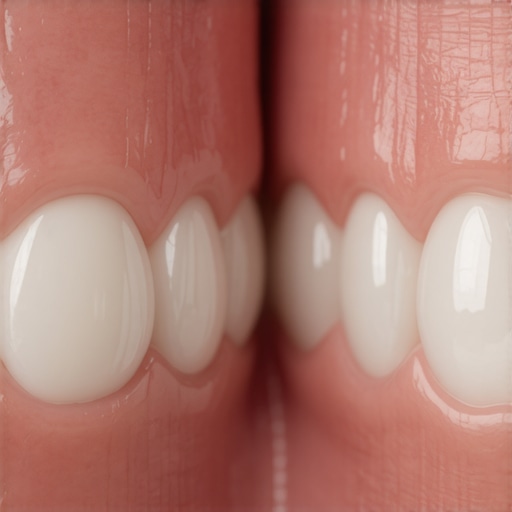
Why That Dark Edge on Your Old Crown Is a Warning Sign
Have you ever noticed a grey or dark line near the gum of an old restoration? Many people assume it’s just ‘aging’ or a natural part of having dental work. This is a dangerous ‘oops’ factor. While it might be a metal margin showing, it could also be a sign of gum recession or a failing seal. Knowing why your gum line looks dark around an old crown is vital because it often indicates that bacteria are leaking underneath. If you ignore it, you’re looking at a full replacement rather than a simple repair. Checking how to tell if your crown needs to be replaced immediately can save you from a surprise root canal later.
Can Modern Restoration Techniques Actually Strengthen Your Natural Bite?
This is a question I get often from readers who are wary of ‘drilling away’ healthy teeth. The nuance here is that modern materials like lithium disilicate or zirconia actually mimic the flex of natural enamel. According to a study published by the American Academy of Cosmetic Dentistry (AACD), functional aesthetics are now the gold standard—meaning the restoration is designed to improve how you chew, not just how you look. When comparing dental crowns vs. other restorations, it’s about choosing the material that preserves the most natural tooth structure while providing maximum longevity. If you’re debating the truth about the lifespan of composite vs. porcelain veneers, remember that durability often comes down to the health of the underlying gums. Have you ever fallen into the ‘it doesn’t hurt, so it’s fine’ trap? Let me know in the comments below!
The Three Gadgets That Actually Saved My Teeth
I used to think a manual toothbrush and a prayer were enough until I saw the x-rays of my own molars. Now, I swear by the Philips Sonicare DiamondClean, and it’s not just because of the fancy charging glass. The high-frequency vibrations create fluid dynamics that reach deep between the teeth—the very spots where child-friendly dental care often fails because kids (and let’s face it, adults) lack the dexterity to scrub perfectly. I also upgraded to a cordless Waterpik. If you have any dental crowns explained as permanent solutions, you need to understand that the margin where the porcelain meets the gum is your weakest link. A water flosser flushes out the bacteria that a string might miss, preventing the dreaded ‘black line’ of decay. When you invest in expert cosmetic dentistry solutions, these tools aren’t luxuries; they are the insurance policy for your investment. 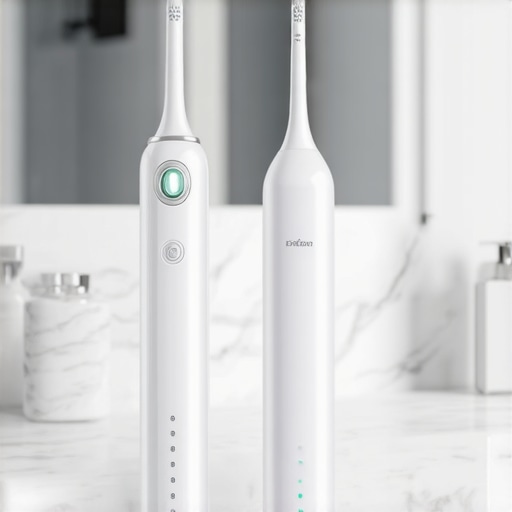
What 2025 Has in Store for Your Smile
The world of family dentistry is shifting toward hyper-personalization. We are already seeing the rise of 3D-printed restorations that are milled in-office while you wait. Looking at the top cosmetic dentistry trends for 2025, it is clear that AI-driven smile design will allow patients to ‘test drive’ their new look with augmented reality before a single tooth is touched. According to a technical bulletin from Ivoclar Vivadent regarding their IPS e.max materials, the fracture toughness of modern lithium disilicate has nearly doubled in the last decade, meaning the ‘fake’ teeth of the future will likely outlast our natural ones.
How can I make my dental work last twice as long as the warranty?
Maintenance is 90% of the battle. Beyond the brush, you must address the mechanical stress of your bite. I didn’t realize I was a ‘night grinder’ until I saw the flattened edges of my expensive porcelain. Understanding the risks of skipping your night guard for just one week is crucial; the pressure of your jaw can exert over 200 pounds per square inch, which is more than enough to snap a ceramic bond. If you have been debating dental crowns vs. other restorations, remember that the best restoration is the one you protect with a custom-fitted guard.
Stop Using Your Teeth as Tools
This sounds obvious, but I see it every day: people using their front teeth to tear open ketchup packets or bite through clothing tags. This creates micro-cracks in the enamel and bonding. If you want to keep your smile intact, treat your teeth like fine jewelry, not a Swiss Army knife. If you’ve already noticed wear, look into cosmetic dentistry innovations to watch that focus on biomimetic bonding to restore that lost length. My advanced tip? Start using a pH-balancing mouthrinse. Most commercial rinses are actually acidic, which can etch the surface of your restorations over time. Switch to a neutral or slightly alkaline rinse to keep your mouth’s ecosystem stable and your ceramic shiny. Give the pH-balancing rinse a try for two weeks—you will notice your teeth feel significantly smoother and less ‘gritty’ by midday.
3 Hard Truths About Maintenance I Had to Learn the Expensive Way
I used to think that skipping a night of flossing was a minor ‘crime,’ but the reality is that plaque hardens into tartar in just 24 to 48 hours. By the time I realized the real cost of delaying a necessary dental crown, I was looking at a significantly larger investment of time and money. Another lightbulb moment? Dental health is a team sport. If you aren’t modeling the behavior, your kids won’t catch on. I stopped being the ‘brushing police’ and started being the ‘brushing partner.’ Finally, don’t ignore the technology. If you are feeling a persistent twinge, understanding why your culpeper dentist might need a 3d scan could be the key to catching a fracture before it becomes an emergency.
The Pro-Level Gear I Actually Use Every Day
If you are serious about avoiding the drill, you need a toolkit that works as hard as you do. I personally rely on a high-quality sonic toothbrush and a neutral pH mouthwash to keep my enamel strong. I also recommend checking out the latest top cosmetic dentistry trends for 2025 to see how biomimetic materials are making restorations look and feel more natural than ever. For a deeper dive into the science of prevention, I suggest a family dentistry guide building a lifetime of healthy smiles. These aren’t just ‘extra’ steps; they are the roadmap to keeping your natural teeth for life.
The Best Time to Start Your Smile Legacy is Tonight
At the end of the day, those messy bathroom sessions and the ‘sugar bug’ hunts are about more than just avoiding cavities. They are about teaching your children that their health is an investment worth making. You don’t have to be perfect; you just have to be consistent. By taking these small steps now, you are ensuring that their future includes more confident laughs and fewer stressful appointments. Which part of the ‘Sugar Bug Hunt’ are you going to try first tonight? Let me know your best toddler-distraction tips in the comments below!