I remember the exact moment I realized my ‘clean’ alternative to smoking was actually a disaster for my smile. I was standing in front of the bathroom mirror, blue raspberry-scented vapor still swirling around my head, when I noticed it. A tiny, dark triangular gap had formed between my two front teeth. My gums weren’t just sore; they were retreating. I had spent years thinking I was making a healthier choice, but the reality was staring back at me in the form of receding tissue and a dull, constant ache.
Don’t Let the Sweet Flavor Fool You
We often treat vaping like it is just flavored water vapor, a harmless hobby that keeps us away from the ‘real’ danger of cigarettes. I fell for that trap hard. I was so focused on avoiding the yellow teeth and smell of tobacco that I completely ignored the stealthy damage being done to my foundations. While I was busy learning about caring for my child’s teeth, my own gum health was sliding off a cliff. Today, I want to share the honest truth about what that nicotine vapor is doing to your mouth and how we can start reversing the trend before you need expert cosmetic dentistry solutions to save your look.
Is vaping actually worth the hype?
The most dangerous thing about vaping is how well it hides its tracks. I made a massive mistake early on by assuming that because my gums weren’t bleeding, they were healthy. I even spent weeks Googling how to tell if your gum recession is caused by brushing too hard just to find an excuse that wasn’t the vape pen in my pocket. But here is the kicker: nicotine is a vasoconstrictor. It shrinks your blood vessels. This means your gums don’t bleed even when they are desperately infected. You think you’re fine, but you’re actually just masking the symptoms of periodontal disease.
Your Gums Are Basically Suffocating in Silence
When you inhale that vapor, you are hitting your oral tissues with a concentrated chemical cocktail. The American Heart Association has pointed out that nicotine, regardless of how it is delivered, significantly restricts blood flow to the gum tissue. It’s like putting a tourniquet on your mouth. Without fresh blood, your gums can’t get oxygen or the white blood cells they need to fight off the bacteria that live in your plaque. This is why vapers often experience rapid recession once the damage finally becomes visible.
Another sign I completely missed was the chronic dryness. I used to wonder why my mouth feels dry no matter how much water you drink, only to find out that propylene glycol—a main ingredient in e-juice—literally absorbs moisture. A dry mouth is a playground for the bacteria that cause tooth decay and that localized rot. Eventually, I even started noticing that the real reason your breath smells like sulfur wasn’t my diet; it was the lack of saliva to wash away oral debris. Have you noticed your mouth feeling like a desert lately, or perhaps your gums look paler than they used to? I would love to hear if you have spotted these changes in your own routine. Understanding the ‘why’ behind these symptoms is the first step toward getting your healthy smile back, and we are going to dive into the recovery steps next.
Wake Up Your Mouth’s Natural Cleaning System
If saliva is the pressure washer of your mouth, propylene glycol is the guy who cuts the water line. You cannot expect your gums to heal if they are constantly parched. The first thing I had to do was stop treating water like an optional beverage and start using it as a tool. I began carrying a high-quality water bottle everywhere, but water alone isn’t enough when your salivary glands are sluggish. I started using xylitol-based lozenges and gums specifically designed to stimulate flow. Saliva is packed with minerals that re-harden your enamel, and without it, even why sugar free soda still ruins your enamel becomes a much bigger problem. Think of saliva as a protective liquid shield; without it, every acidic thing you consume is a direct hit to your teeth.
My Disaster with Charcoal and Thinning Enamel
There was a period where I panicked about the graying look of my smile and reached for the trendiest thing I could find: charcoal toothpaste. This was a massive mistake. My gums were already receding, exposing the softer root surfaces of my teeth, and I was basically sanding them down with an abrasive. I thought I was cleaning, but I was actually accelerating the damage. My dentist eventually explained that the truth about charcoal toothpaste and long term enamel damage is especially scary for vapers because our enamel is already compromised by dry mouth. I had to learn the hard way that you can’t scrub your way out of a chemical problem. I had to switch to a high-fluoride, low-abrasion paste just to keep what I had left from disappearing.
Identify the Hidden Structural Damage
Nicotine masks pain by reducing blood flow, so once you stop or cut back, you might suddenly feel every ache you’ve been ignoring. I remember biting into a piece of toast and feeling a sharp, lightning-bolt sensation. It wasn’t a cavity; it was a micro-fracture caused by weakened tooth structure. You need to learn how to tell if your tooth sensitivity is actually a hidden fracture before that tiny crack turns into a lost tooth. If you feel a sharp pain only when you release a bite, that is a massive red flag that your teeth are struggling under the pressure of poor oral health.
Deciding Between a Patch and a Full Restoration
Once you’ve stabilized the infection with a deep cleaning, you have to look at the wreckage. Your gums might not grow back to where they were, and your teeth might be brittle. This is where you have to be honest about the future of your smile. Sometimes a simple filling won’t cut it. When I looked at my options, I had to compare dental crowns vs other restorations which is right for you to see what would actually protect my teeth from further snapping. A crown acts like a helmet for a compromised tooth, holding it together when the internal structure has been leached of its strength. It’s not just about looking good in photos; it’s about being able to eat an apple without fear. After my scaling and root planing, I was surprised by the results. While some people wonder why your teeth feel sharp after a scaling and root planing, I found that ‘sharpness’ was actually just the feeling of my teeth finally being clean of the sticky biofilm that vaping helps create. It was the first step toward a foundation that could actually support long-term health.
Most people view a dental crown as a permanent suit of armor for a weak tooth. I certainly did. I thought once that porcelain cap was cemented on, the tooth underneath was invincible. But here is the contrarian truth: a crown is not a shield; it is a seal. If that seal is even a fraction of a millimeter off, you are essentially creating a high-pressure slow cooker for bacteria. In my journey to fix the damage vaping caused, I learned that [understanding dental crowns: when and why they are needed](https://alignorthodonticz.com/understanding-dental-crowns-when-and-why-they-are-needed) is less about the material and more about the precision of the fit at the margin. If your dentist rushes the prep, you’re just paying for a very expensive way to hide a cavity until the tooth rots from the inside out.
The Gray Line is Not Just a Sign of Aging
One of the biggest ‘oops’ factors I see people overlook is the dark shadow at the gumline. We often write this off as part of getting older, but [why your gums look dark around an old metal-fused crown](https://alignorthodonticz.com/why-your-gums-look-dark-around-an-old-metal-fused-crown) is usually a result of outdated techniques or gum recession exposing the metal substructure. If you are investing in [expert cosmetic dentistry solutions](https://alignorthodonticz.com/transform-your-look-with-expert-cosmetic-dentistry-solutions), you should be looking for all-ceramic or zirconia options that mimic the natural translucency of a tooth. The ‘trap’ is choosing the cheapest restoration today, only to find yourself needing a total replacement in three years because your smile looks like it has a permanent bruise at the base of your teeth.
How do I know if my crown is actually leaking and trapping bacteria?
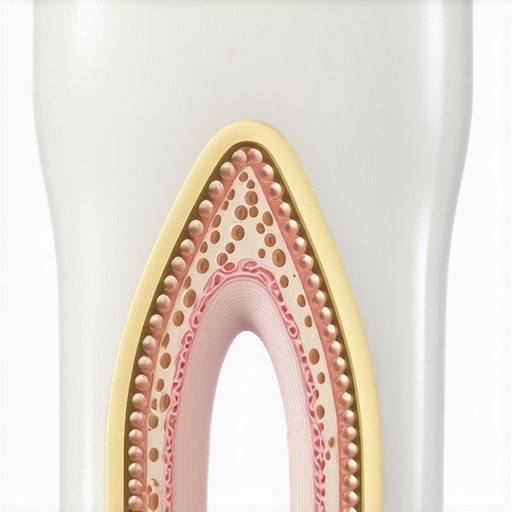
This is the question that keeps most dental patients up at night, and for good reason. A ‘leaking’ crown doesn’t always hurt. Often, the first sign is a faint, persistent bad taste or a slight odor when you floss around that specific tooth. According to a study published in the Journal of Prosthodontic Research, marginal discrepancies as small as 50 micrometers can lead to significant biofilm accumulation. If you notice [the real reason your breath smells like sulfur](https://alignorthodonticz.com/the-real-reason-your-breath-smells-like-sulfur-even-after-brushing) is localized to one crown, it’s a massive red flag. You need to learn [how to tell if your crown is leaking and trapping bacteria](https://alignorthodonticz.com/how-to-tell-if-your-crown-is-leaking-and-trapping-bacteria) before the underlying structure becomes unsalvageable.
Don’t Ignore the Foundation of Family Care
While I was busy obsessing over my own cosmetic fixes, I almost forgot that [the role of family dentistry in ensuring oral health for all ages](https://alignorthodonticz.com/the-role-of-family-dentistry-in-ensuring-oral-health-for-all-ages) is the best preventative tool we have. We often treat ‘family dentistry’ as just a place for cleanings, but a truly great [family dentistry guide](https://alignorthodonticz.com/family-dentistry-guide-building-a-lifetime-of-healthy-smiles) highlights that catching structural issues in your 20s or 30s prevents the need for full-mouth reconstructions in your 50s. It’s much easier to fix a minor issue than to navigate [dental crowns vs other restorations which is right for you](https://alignorthodonticz.com/dental-crowns-vs-other-restorations-which-is-right-for-you) once a tooth has already fractured. Have you ever fallen into the trap of thinking a crown was a permanent fix, only to have it fail years later? Let me know in the comments.
I used to think my job was done the second I walked out of the clinic with a new crown, but that is where the real work starts. To keep these ‘upgrades’ from failing, I had to ditch the $5 drug-store toothbrush and move to a high-end sonic model. Why? Because the high-frequency vibrations actually help dislodge the sticky biofilm that hides right at the seam where the porcelain meets your natural gum line. I also learned the truth about how often you really need to replace your toothbrush—which is much more frequent if you are dealing with restorative work. If you are still using manual tools, you are leaving the most vulnerable part of your tooth exposed to decay. 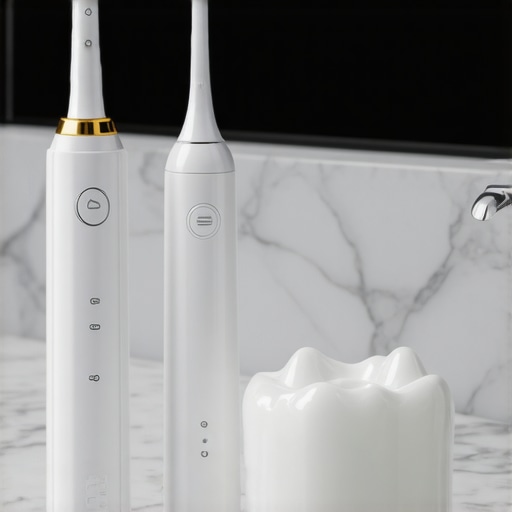
How do I maintain my dental restorations over time?
Maintenance isn’t just about brushing; it is about protecting the structural integrity of the work. If you have a tendency to clench your teeth when stressed, you are basically putting a hydraulic press on your investment. I had to learn how to clean a night guard without using harsh chemicals or bleach because that piece of plastic became my crown’s best friend. Without it, the lateral forces from grinding can cause micro-fractures in the porcelain. You might even start wondering about the real reason your crown feels loose when you chew gum, only to find out that your night-time grinding has compromised the cement seal. I personally use a water flosser on the lowest setting to flush out those margins without being too aggressive, as traditional string floss can sometimes catch on a slightly aged margin.
Trust the Science of Biomimetic Dentistry
A huge turning point for me was discovering the work of Dr. Pascal Magne, a pioneer in biomimetic dentistry. In his technical literature, specifically Biomimetic Restorative Dentistry, he argues that the best dental work is that which mimics the natural tension and flexibility of a real tooth. This is why I am so picky now about materials. Looking forward, I predict that revamp your smile: top cosmetic dentistry trends for 2025 will move away from ‘perfectly white’ and more toward ‘perfectly functional’ 3D-printed restorations that match your biological thumbprint. We are moving into an era where cosmetic dentistry innovations to watch will focus on materials that actually bond with your tooth on a molecular level, reducing the risk of a leak or a failure.
Stop Guessing and Start Measuring
If you want to ensure your kids don’t end up with the same structural mess I had to fix, you have to prioritize caring for your child’s teeth with the same precision. I recommend buying a pH testing kit for your own mouth—it sounds like overkill, but knowing if your saliva is too acidic can tell you more about your future cavity risk than any mirror can. My advanced tip for today: go into your bathroom right now, check the margins of your crowns with a dental mirror, and if you see even a hint of a dark line or feel a ‘catch’ with your fingernail, call your dentist for a high-resolution scan. Don’t wait for the pain to start.
The Stealthy Sabotage of Nicotine You Won’t See in the Mirror
If I could go back and tell my younger self one thing, it would be this: nicotine doesn’t just damage your teeth; it lies to you about the damage. I spent months thinking my mouth was healthy because I didn’t see blood when I brushed, but that was just the nicotine restricting my circulation. By the time I felt the real reason your crown feels loose when you chew gum, the structural damage was already done. Here are the lightbulb moments that finally changed how I approach my oral health:
- Bleeding is a blessing: When your gums bleed, they are communicating. Nicotine silences that communication, allowing infection to rot the bone in total silence.
- Crowns are a second chance, not a free pass: I used to think a crown meant the tooth was ‘fixed’ forever. In reality, a crown requires more meticulous care than a natural tooth because the margin is the ultimate weak point.
- Saliva is your best friend: Most of my decay happened because I let my mouth stay dry. Now, I treat hydration like a medical prescription for my enamel.
The Maintenance Stack That Keeps My Dental Work Intact
I stopped buying whatever was on sale and started curated a toolkit designed for longevity. If you’ve invested in expert cosmetic dentistry solutions, you cannot treat them with low-effort tools. Here is what I personally trust to keep my smile stable:
- A High-Frequency Sonic Brush: You need to break up the biofilm at the gumline without scrubbing away your tissue. Just remember the truth about how often you really need to replace your toothbrush—once the bristles fray, you’re actually doing more harm than good.
- Custom Night Guards: If you’re a stress-clencher like me, a night guard is the only thing standing between you and a shattered porcelain restoration. I’ve even mastered how to clean a night guard without using harsh chemicals or bleach to ensure I’m not putting toxins back into my mouth every night.
- Comprehensive Guides: I frequently revisit this dental crowns explained: the ultimate solution for damaged teeth resource to stay educated on what my dentist is looking for during checkups.
Start Writing Your Smile’s Comeback Story Today
It is incredibly easy to feel defeated when you realize the damage vaping or neglect has caused, but the technology available today is mind-blowing. Whether you are looking into revamp your smile: top cosmetic dentistry trends for 2025 or simply trying to get back to a baseline of health, the first step is always the same: honesty. By visiting a provider who understands the family dentistry guide: building a lifetime of healthy smiles, you can stop the recession in its tracks and build a foundation that actually lasts. Don’t let a past mistake dictate your future confidence. Have you ever noticed your gums looking paler or your mouth feeling unusually dry after vaping? Let me know in the comments below.