I remember waking up at three in the morning, my tongue feeling like a piece of sun-baked leather. I had spent the entire evening guzzling water, yet there I was, desperate for another sip. My tongue was practically glued to the roof of my mouth, and no matter how much I drank, the relief lasted about thirty seconds before that parched, sandpaper feeling returned. It is a miserable, invisible struggle. You feel like a failure because the world tells you to ‘just stay hydrated,’ but you are already drowning in H2O and your mouth still feels like a desert. Today, we are going to stop the guessing game and look at why your body is refusing to produce the moisture you need, even when you are drinking gallons of the clear stuff.
Stop Drowning Yourself and Start Fixing the Flow
The truth is, thirst and xerostomia (the fancy word for dry mouth) are two very different beasts. I made a massive mistake early on by assuming they were the same thing. I would drink until my stomach was sloshing, but my mouth stayed bone-dry. It turns out, I was just flushing out my system without addressing the actual problem: my saliva glands were on strike. If you have noticed a persistent bad taste in your mouth along with the dryness, your body is signaling a chemistry issue, not a hydration one. Saliva is your mouth’s natural buffer; it washes away food and neutralizes acids. When it goes missing, you are at a much higher risk for decay and discomfort. I used to think that as long as I used a heavy-duty mouthwash, I was doing my part, but I eventually realized why your teeth feel sticky even after using mouthwash—many of those products actually contain alcohol that dries you out even more. It was a vicious cycle of ‘cleaning’ my mouth into a state of total dehydration.
Is it actually possible to fix this without expensive treatments?
It is easy to get skeptical and think this is just your new normal, especially if you have tried every ‘moisturizing’ spray on the shelf. But according to the Mayo Clinic, dry mouth is a known side effect of over 600 different medications. This means you might be fighting a biological battle that a simple water bottle can’t win. Understanding the root cause is the only way to get real, lasting relief. We need to look at this through the lens of a family dentistry guide because dry mouth affects your long-term health, from your enamel to your digestion. Have you ever felt like you were doing everything right and still woke up with a mouth as dry as a desert? You aren’t alone, and you aren’t crazy. If you are tired of the constant thirst, you can always reach out for professional advice to see if your glands need a little jumpstart. Let’s dive into what is actually happening behind the scenes.
Reclaim Your Natural Saliva Flow
Saliva is effectively the motor oil of your mouth; it keeps everything moving smoothly and prevents the friction that leads to enamel erosion. If you are just pouring water down your throat, you are hydrating your cells, but you aren’t lubricating the surface. To fix this, you have to transition from passive hydration to active stimulation. I once tried a ‘super-strength’ alcohol mouthwash thinking it would kill the bacteria causing my dry-mouth-breath. Instead, it stripped my oral mucosa so badly that I could barely eat a piece of toast without pain. It was a messy lesson in biological balance. 
Swap Out the Harsh Chemicals
The first step is a purge. Look at the ingredients in your toothpaste and mouthwash. If they contain sodium lauryl sulfate (SLS) or high percentages of alcohol, they are likely worsening the desert-like conditions. These chemicals act like detergents, breaking down the protective lipid layer of your mouth. Switching to a pH-balanced, enzymatic rinse can mimic the natural proteins found in your spit. This is especially vital for maintaining existing work, such as understanding dental crowns when and why they are needed, because dry environments make the margins of those crowns more susceptible to failure.
Inspect Your Dental Hardware for Hidden Issues
Sometimes the dryness isn’t just about what you’re putting in, but what is already there. Bacteria thrive in dry pockets. If you have older restorations, you should learn how to tell if your dental crown is leaking bacteria, as localized inflammation can actually inhibit the surrounding minor salivary glands. In my own journey, I discovered that an old filling was slightly rough, causing me to bite my cheek unconsciously. That constant trauma kept that side of my mouth perpetually dry and irritated. A comprehensive family dentistry guide emphasizes that every piece of porcelain or composite in your mouth needs to be perfectly smooth to encourage natural saliva flow.
Identify Mechanical Habits That Dry You Out
Check your breathing. If you wake up with that ‘leather tongue’ feeling, you are likely mouth-breathing while you sleep. This bypasses your nose’s natural humidifying system and evaporates every drop of moisture in your oral cavity. This is a common issue for kids too; learning how to tell if your child is mouth-breathing during sleep can prevent a lifetime of xerostomia-related cavities. For adults, simple fixes like using a humidifier or even a gentle chin strap can change the game. If your teeth are already sensitive from the dryness, looking into the secret to painless dental cleanings for sensitive teeth can help you get back on track with professional maintenance without the dread of the scraper.Most people believe that once they invest in high-end restorative work, that specific tooth is ‘finished’ and safe from future problems. I used to think the same until I realized that a dry mouth is the ultimate silent saboteur for even the best dental work. When you read dental crowns explained: the ultimate solution for damaged teeth, it is easy to assume the porcelain is a shield. But the reality is that the margin—the tiny microscopic line where the crown meets your natural tooth—is incredibly vulnerable. Without saliva to neutralize acids, bacteria congregate at that seam like moths to a flame. In my experience, patients who focus only on the hardware while ignoring their saliva flow are often back in the chair much sooner than they expected. Have you ever fallen into the trap of thinking a crown meant the end of your tooth troubles? Let me know in the comments.
Your New Crown Is Not a Bulletproof Vest
The biggest mistake I see is the ‘set it and forget it’ mentality. People spend a fortune to transform your look with expert cosmetic dentistry solutions, only to let their dry mouth dissolve the foundation. According to a study published in the Journal of the American Dental Association (JADA), xerostomia doesn’t just make you uncomfortable; it significantly increases the rate of ‘secondary caries’—decay that forms right at the edge of your expensive new work. If your mouth is a desert, those bacteria are more aggressive and the enamel at the margin is softer. This is often how to tell if your crown needs to be replaced immediately; if you feel a snag with your tongue or see a dark shadow, the desert has already claimed another victim. 
Why do high-end restorations fail even with perfect brushing?
It is a sophisticated question because it challenges the ‘brush more’ mantra. You can brush five times a day, but if your saliva pH is consistently acidic due to lack of volume, you are essentially bathing your teeth in a slow-motion acid wash. This environmental factor is why some people see their work fail while others with ‘worse’ habits stay healthy for decades. It is also a reason why your porcelain veneers might look bulky or unnatural over time; if the gums recede due to dry-mouth-induced inflammation, the transition between the restoration and the root becomes an unsightly, plaque-collecting ledge.
Don’t Let Your Cosmetic Investment Melt Away
If you are planning to revamp your smile with the top cosmetic dentistry trends for 2025, you must address the moisture issue first. Putting a beautiful porcelain restoration into a chronically dry mouth is like building a mansion on shifting sand. You need to know how to tell if your dental crown has a hidden crack caused by the increased friction of a dry bite. Saliva provides the necessary lubrication to prevent your teeth from ‘clacking’ and chipping against each other. Without that buffer, the porcelain-on-porcelain contact is brutal. Stop looking at your dental work as a one-time fix and start seeing it as an ecosystem that requires a literal ‘flow’ of support to survive. If you are ready to stop the cycle of repairs, it is time to look beyond the porcelain and fix the biology beneath it.To keep your mouth from feeling like a desert, I personally swear by Xylitol adhesive discs. I use them every single night. Unlike sprays that vanish in minutes, these little tabs stick to your gums and slowly release Xylitol, which stimulates your own saliva glands while you sleep. This is a game-changer if you have realized how to tell if your child is mouth-breathing during sleep or if you struggle with it yourself. According to a study in the Journal of Oral Rehabilitation, Xylitol does not just wet the whistle; it actually interferes with the ability of Streptococcus mutans to stick to your teeth. This is crucial when you are caring for your child’s teeth or protecting your own expensive porcelain work from bacterial colonization. 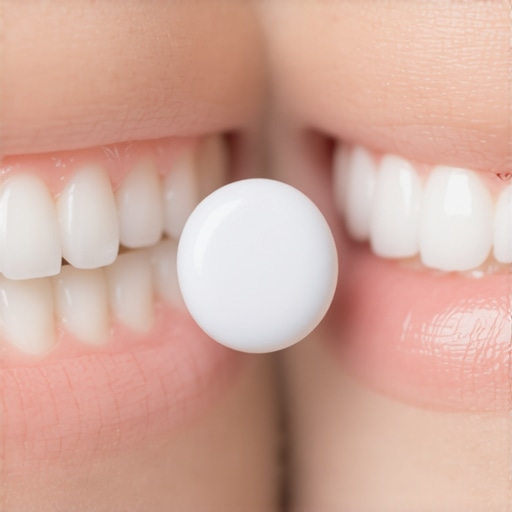
How do I keep my smile hydrated for years?
Maintenance is not just about the brush; it is about the environment. I recommend using a high-quality water flosser on the lowest setting to gently irrigate the margins of your crowns without stripping the delicate gum tissue. If you are currently comparing dental crowns vs other restorations, remember that crowns need that liquid buffer to prevent edge-staining and micro-leakage. I also suggest a weekly ‘acid-check’—using simple pH strips to test your morning saliva. If you are consistently below 6.5, you are in the danger zone for enamel melt. This proactive approach is a core part of any family dentistry guide because it catches the biology before it breaks the hardware. Looking ahead, I predict we will soon see cosmetic dentistry innovations like ‘smart’ crowns equipped with microscopic pH sensors that alert your smartphone when your mouth gets too acidic. Until then, you have to be the sensor. If you have been putting off a checkup because of the discomfort, remember the secret to painless dental cleanings for sensitive teeth is all about staying hydrated and using the right numbing gels before the clinician even starts. My big tip for you today? Buy a pack of pH strips and test yourself for three mornings in a row. If you are consistently acidic, reach out for professional advice before that acidity turns into a cavity under your favorite crown.
The Hard Lessons My Dry Mouth Taught Me Too Late
I spent years thinking my teeth were just ‘bad’ before I realized my internal environment was the actual saboteur. Here is what I wish I had known: first, saliva is not just water; it is a complex mineral bath. If you are missing it, your enamel is literally starving for minerals. Second, that ‘clean’ tingling feeling from alcohol-based mouthwash is actually a chemical burn that destroys your oral microbiome. Finally, your choice between dental crowns and other restorations won’t save you if your mouth’s pH is constantly acidic—the work will eventually fail at the margins regardless of how much you paid for the porcelain.
My Personal Toolkit for a Hydrated Smile
To stay on top of this, I rely on a few specific strategies. I keep pH strips in my bathroom to catch morning acidity early, a tactic I picked up from a comprehensive family dentistry guide. I also swapped my standard toothpaste for a hydroxyapatite-based formula to help remineralize my teeth while my saliva flow is low. For my family, we prioritize child-friendly dental care that avoids harsh detergents like SLS, which is why I spent time researching why your child’s teeth are coming in with white spots—often a sign of early mineral depletion that mirrors adult dry mouth issues.
You Can Finally Stop the Constant Thirst
Dealing with xerostomia is a marathon, but you don’t have to run it dehydrated. Whether you are looking to revamp your smile with the top cosmetic dentistry trends or simply want to wake up without your tongue feeling like sandpaper, the solution lies in fixing the biology, not just drinking more water. You can even fix a small gap between your teeth without braces once your gum health stabilizes from proper lubrication. Don’t let your dental investment melt away; take control of your saliva flow today. Have you found a specific medication that made your dry mouth symptoms worse? Let me know in the comments below!