I remember leaning in to whisper a joke to my wife at a quiet dinner party last year. She didn’t say a word, but she didn’t have to. The way she slightly recoiled—just a fraction of an inch—hit me like a ton of bricks. I was mortified. I had brushed three times that day. I’d flossed until my gums were practically screaming. Yet, there it was: that unmistakable, swampy scent of sulfur. It is a lonely kind of humiliation. You feel like you have failed at basic hygiene, even when you are trying ten times harder than everyone else in the room. If you are tired of the minty-fresh lie that disappears the moment you spit, we are going to fix that today.
Your Toothbrush Might Be Missing the Real Target
If you are like me, you have probably stood in front of the mirror, scrubbing your tongue until it is raw, wondering about why your breath smells like sulfur despite regular flossing. I spent years thinking I just had bad luck or that I needed some fancy expert cosmetic dentistry solutions to make the problem go away. I even wasted a small fortune on those high-octane mouthwashes that burn like liquid fire, only to find the smell back before I even finished my morning commute. The truth is, the problem usually is not your lack of effort. It is the specific chemistry of your mouth. Sulfur-producing bacteria love to hide in the deep crevices of the tongue and behind old dental work where oxygen can’t reach them. For a long time, I didn’t realize the real reason you have a persistent bad taste in your mouth is often linked to these anaerobic colonies.
Is this just something I have to live with forever?
I used to think so, but the science says otherwise. According to a study published by the Journal of the American Dental Association (JADA), nearly 90% of all bad breath cases originate from the mouth itself, with the tongue’s posterior surface being the primary breeding ground. You aren’t cursed; you just haven’t found the right hiding spot yet. Sometimes the issue is hiding right under your nose—literally. I once helped a neighbor realize that his constant struggle wasn’t his diet, but rather he needed to learn how to tell if your dental crown is causing your bad breath. Other times, the smell isn’t coming from your teeth at all. You might actually need to investigate how to tell if your bad breath is coming from your tonsils. Have you ever felt that ‘recoil’ from someone you love, even after you just finished your morning routine? It’s okay to admit it—I’ve been there too. Let’s dig into how we actually clear the air.To stop the sulfur cycle, you have to think like a chemist, not just a janitor. Scrubbing harder won’t kill the bacteria that produce those volatile sulfur compounds (VSCs); you have to change the environment where they live.
Oxygen Is the Enemy of Bad Breath
These bacteria are anaerobic, meaning they thrive in places where oxygen is scarce. When you use a standard toothbrush, you are mostly cleaning the easy-to-reach surfaces. To truly neutralize the smell, you need to introduce oxygenating agents or mechanical tools that reach the ‘shag carpet’ texture of the back of your tongue. I remember the first time I used a professional-grade tongue scraper instead of just my toothbrush. I was horrified by what came off, but the immediate lightness in my mouth was a revelation. 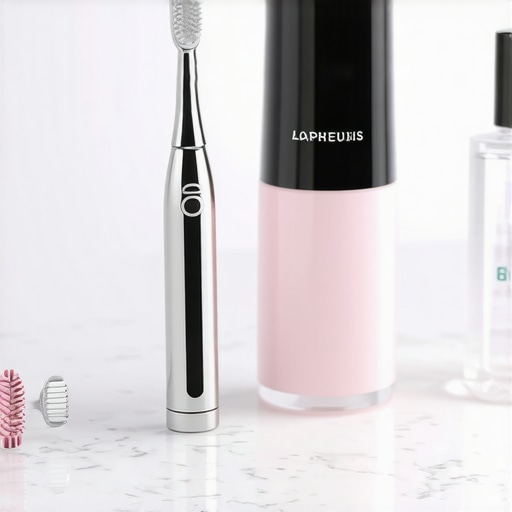
Ditch the Brush for a Real Scraper
A toothbrush is designed for hard enamel, not the soft, porous tissue of the tongue. A dedicated scraper physically lifts the biofilm where those sulfur gases are trapped. If you find your mouth feels dry after cleaning, you might be over-cleansing or using the wrong products, which is often why your mouth feels dry no matter how much water you drink. Keeping the tissue hydrated is essential because saliva is your mouth’s natural oxygen-rich cleanser.
Clear the Gunk Trapped Under Your Dental Work
If you have restorations, you have hiding spots. Think of a dental crown like a house on stilts; if the ‘stilt’ area isn’t cleaned, things rot underneath. This is a common culprit for that localized swampy taste. You need to know how to tell if your dental crown is causing your bad breath by checking for bleeding or specific odors when you floss that one spot. I once had a bridge that felt fine but smelled terrible. I learned the best way to clean under a dental bridge to prevent smells involved using a specialized threader or a water flosser. The first time I did it correctly, I realized I’d been leaving a week’s worth of debris behind every single day despite brushing three times a day.
Why a Professional Deep Clean Is Non-Negotiable
Sometimes, the sulfur is coming from pockets deep in the gums that no amount of home care can reach. This is where family dentistry becomes your best defense. A dentist can perform a detailed prophy to blast away the hardened tartar that acts as a fortress for bacteria. You might think a standard cleaning is just for aesthetics, but why a prophy treatment is much more than just a simple tooth cleaning is because it resets your mouth’s bacterial balance. If you are dealing with chronic issues, you might even consider expert cosmetic dentistry solutions to replace old, leaky fillings or poorly fitted crowns that are acting as magnets for odor-producing decay.Most people think that once a tooth is ‘capped,’ it is safe from the elements. This is the biggest mistake you can make. In reality, a restoration creates a 360-degree seam that requires even more attention than your natural enamel. If that seam isn’t perfectly sealed, you aren’t just dealing with a cosmetic issue; you are hosting a microscopic buffet for sulfur-producing bacteria. Stop assuming your crown is a permanent shield. While understanding dental crowns is the first step, the advanced nuance is recognizing ‘marginal leakage.’ This happens when the dental cement eventually washes out or the gum line recedes, exposing the natural tooth structure underneath. The American Association of Endodontists notes that secondary decay under these restorations is particularly dangerous because it is often asymptomatic until the damage is severe. You might not feel a thing, but that swampy smell is the first alarm bell.
Can a crown that looks perfect still be leaking bacteria?
Yes, and this is where many people get frustrated. Your dentist might say it looks ‘fine’ on a quick visual check, but you need to know how to tell if your dental crown is leaking bacteria through more diagnostic methods like transillumination or high-bitewing X-rays. If you notice a strange taste specifically when you press on the tooth or use a water flosser around it, the seal is likely compromised. 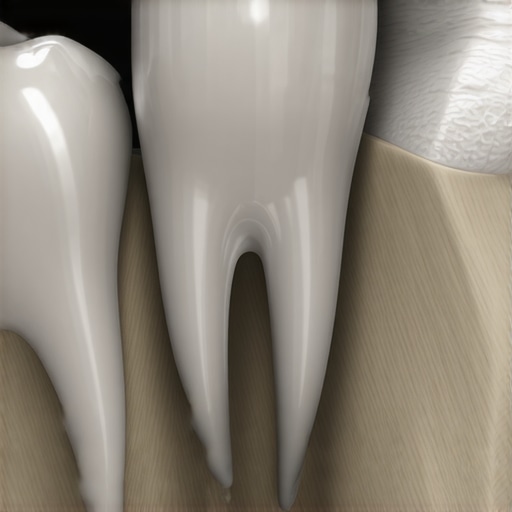 Another common ‘oops’ factor is ignoring the subtle changes in the aesthetics of your dental work. Many patients think that why your porcelain crown has a dark line at the gum line is just a natural part of aging. However, that dark line often signals a metal margin becoming exposed or, worse, a site where plaque is accumulating. Modern revamp your smile techniques now use zirconia or all-ceramic options to eliminate this ‘trap’ and provide a more biocompatible fit that resists bacterial attachment better than old-school porcelain-fused-to-metal. Beyond the hardware, we have to look at the way your household maintains their health together. Effective family dentistry isn’t just about routine cleanings; it is about spotting these micro-failures before they turn into a full-blown sulfur factory. Have you ever fallen into this trap of thinking a crown was invincible? Let me know in the comments. We need to stop treating our dental work like it’s indestructible and start treating it like the precision instrument it actually is.I have spent a significant amount of money on my mouth over the years. From following a comprehensive family dentistry guide to investing in high-end expert cosmetic dentistry solutions, the financial and emotional investment has been real. But an investment is only as good as its upkeep. If you are not using a high-pressure water flosser, you are leaving the job half-finished. I personally use the Waterpik Aquarius because it offers ten pressure settings; I keep mine at a level seven to ensure I am physically dislodging the biofilm that collects at the margin of my crowns.
The Gear That Finally Stopped the Sulfur
Most people think a standard piece of string is enough. It is not. When you have restorations, you have artificial interfaces that natural floss often misses. I rely on interdental brushes—specifically the ones with a plastic coating to avoid scratching the surface of my ceramic work. According to the American Academy of Cosmetic Dentistry (AACD), the longevity of dental ceramics depends heavily on the health of the supporting gingival tissue. If that tissue is inflamed because of trapped bacteria, your expensive work will fail. This is why I also use a pH-balanced mouth rinse rather than the alcohol-based ones that cause a dry mouth. 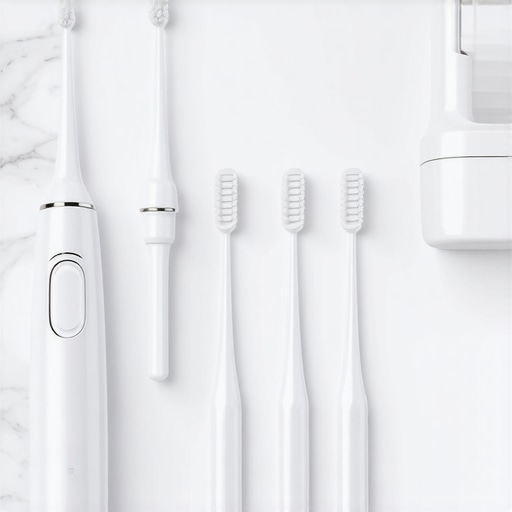
How do I maintain my dental restorations over time?
Maintenance is not a weekly chore; it is a daily discipline of ‘irrigate and oxygenate.’ Beyond the water flosser, I make it a point to use an electric toothbrush with a pressure sensor. I used to be a ‘scrubber,’ which is how to tell if your gum recession is caused by brushing too hard. Now, I let the vibration do the work. If you are debating between dental crowns vs. other restorations, remember that the more complex the work, the more specialized your tools need to be. For instance, I’ve found that the best way to clean under a dental bridge to prevent smells is using a stiff-ended floss threader that can navigate those tight gaps where sulfur-producing bacteria love to party.
What the Future of Fresh Breath Looks Like
I predict that within the next five years, we will see smart-scrapers and toothbrushes equipped with biosensors that detect volatile sulfur compound (VSC) levels in real-time. Imagine a ‘check engine’ light for your breath that alerts your phone before you even leave the bathroom. We are already seeing revamp your smile trends moving toward bio-reactive materials that actually repel plaque. Until then, you have to be the sensor. If you suspect something is wrong, you must know how to tell if your dental crown is leaking bacteria by doing the ‘sniff test’ on your floss. Don’t ignore the signs. Go buy a high-quality water flosser today and use it on the highest setting you can comfortably handle—it is the single best thing you can do to protect your smile and your social life.
What Experts Often Forget to Tell You About Bad Breath
After years of trial and error, I realized that chronic bad breath isn’t a character flaw; it is a bio-chemical management issue. One of my biggest lightbulb moments was discovering that the “clean” stinging feeling from alcohol-based mouthwashes was actually making my sulfur problem worse by drying out my oral tissues. I also learned that if a crown or bridge feels even slightly “off,” it is likely a trap for the very bacteria we are trying to avoid. Don’t be afraid to ask your dentist for more than just a visual checkup.
- Your tongue has more surface area than your teeth, yet most of us spend 90% of our time on enamel while ignoring the bacterial breeding ground at the back of the mouth.
- A leaking crown can hide decay for years while producing a constant odor that no amount of brushing will fix, which is why you must know how to tell if your dental crown is leaking bacteria early on.
- Saliva is your mouth’s natural defense mechanism—keep it flowing with hydration and avoid medications that cause dryness whenever possible.
The Specific Tools That Saved My Social Life
I don’t leave my oral health to chance anymore. My daily toolkit starts with a high-quality water flosser to reach the areas where traditional floss fails, especially around my crowns and bridges. I also swear by a stainless steel tongue scraper; the plastic ones just don’t get deep enough into the “shag carpet” texture of the posterior tongue. For those looking to truly upgrade their smile and reduce bacterial traps, I recommend looking into expert cosmetic dentistry solutions that use modern, non-porous materials like zirconia. I also make sure to follow a family dentistry guide to keep the whole household’s hygiene habits on track. Finally, never skip your professional cleanings because a prophy treatment is much more than just a simple tooth cleaning—it is a total reset for your mouth’s ecosystem that removes the hardened shelters where sulfur-producing bacteria thrive.
A Future Where You Never Have to Recoil Again
You deserve to feel confident and present when you lean in to speak to the people you love. By focusing on oxygenating your oral environment, maintaining your dental restorations, and using the right mechanical tools, you can finally solve the mystery of why your breath smells like sulfur despite regular flossing. It takes a little extra effort and the right professional partnership, but the peace of mind is worth every second. Your journey to a fresher, healthier smile starts today.
Have you noticed a specific smell or a strange taste around one of your dental crowns lately? Let me know in the comments below!