I’ll never forget the look on my friend’s face when I leaned in to whisper a joke—it wasn’t a laugh; it was a subtle, pained recoil. I had brushed, flossed, and even gargled until my throat stung, yet there was this persistent, swampy odor that wouldn’t quit. I felt like a failure in basic hygiene, a ‘dirty’ person despite my obsessive routine. I spent years blaming my coffee habit or my digestive tract, but I was looking in the wrong place. The culprit wasn’t my stomach; it was hiding in the fleshy folds at the back of my throat. If you have been wondering why your breath still smells bad after brushing your tongue, I have been in your shoes, and I finally found the answer. Today, we are going to figure out if your tonsils are playing a dirty game of hide-and-seek with your confidence.
Why Your Minty Fresh Routine Might Be Failing You
For the longest time, I made the classic mistake of thinking more force equaled more cleanliness. I bought the strongest mouthwashes and even considered cosmetic dentistry innovations just to feel like my mouth was ‘new’ again. But no amount of scrubbing fixes a problem that is essentially biological debris trapped in your throat. Tonsil stones, or tonsilloliths, are far more common than people realize. According to the American Academy of Otolaryngology, these small deposits are frequently the root cause of halitosis when they grow large enough to trap bacteria. They release sulfurous gases that smell like rotten eggs. It is not a hygiene failure on your part; it is a structural one. If you have ever noticed why your breath smells like sulfur despite regular flossing, your tonsils are the likely hideout. My ‘lightbulb moment’ came when I sneezed and a tiny, white, foul-smelling pebble flew out. It was gross, but it was also the first time I felt hope. Have you ever felt that annoying ‘lump’ in the back of your throat that just won’t budge?
Is This Just a Permanent Part of My Life Now?
It is easy to get discouraged and think you are just doomed to carry a pack of gum everywhere for the rest of your life. I used to fear that my breath would permanently affect my relationships or my work. But once you identify the source, you can take control. Identifying a persistent bad taste that won’t go away is your first major clue. We aren’t just talking about a morning odor; we are talking about a specific, localized issue. Learning how to stop bad breath caused by tonsil stones changed my life, and it can change yours too. Let us look at the unmistakable signs that the problem is definitely coming from your throat and not your teeth.
Find the Hidden Pockets in Your Throat
Think of your tonsils as sponges with deep, irregular holes. Doctors call these holes ‘crypts.’ Just as a sponge picks up debris from a countertop, these crypts collect dead cells, mucus, and microscopic food particles. Over time, these materials calcify into the hard, smelly lumps we know as tonsil stones. To find them, you need a bright flashlight and a magnifying mirror. I remember the first time I did this; I was shocked to see how many little nooks and crannies actually existed back there. If you have been following a family dentistry guide, you know that keeping the mouth clean is a team effort, but these stones often require a more hands-on approach. Identifying the source is half the battle when you are tired of wondering why your breath still smells bad after brushing your tongue.
The Gentle Swab Method for Quick Relief
Once you have spotted a stone, the temptation is to poke at it aggressively. Don’t. Your tonsil tissue is incredibly delicate and can bleed easily. Instead, take a long cotton swab and dampen it with water. Use the mirror to guide you and apply very light pressure to the base of the tonsil fold, pushing upward. 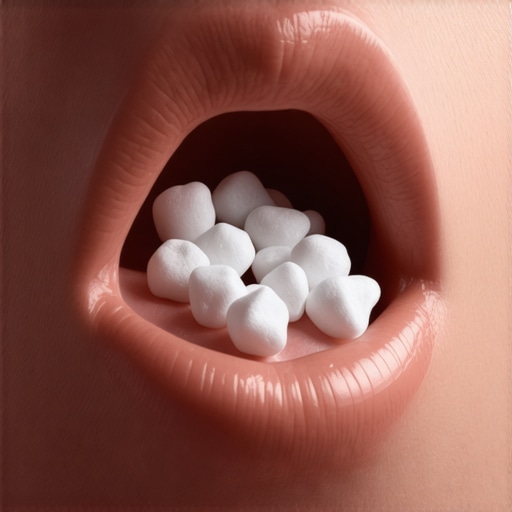 The first time I tried this, I didn’t get anything out and felt like I was failing. But then, on the third try, a stone the size of a pea popped out. The smell was unmistakable—exactly like the bad breath I had been fighting for months. If you are also curious how to tell if your dental crown is causing your bad breath, compare the location of the odor; tonsil stones usually create a sensation of something being ‘stuck’ in your throat when you swallow, whereas crown issues often manifest as a localized bad taste.
Flush Out Bacteria Without Scrubbing
If the swab feels too invasive, irrigation is a fantastic alternative. Using a low-pressure water flosser or a simple plastic syringe filled with warm salt water can help dislodge stones that are buried too deep to see. Salt water acts as a mild antiseptic and helps shrink the inflamed tissue around the stone. This is similar to how we teach children about child-friendly dental care—it is about being thorough but gentle. When I started gargling with salt water twice a day, I noticed that new stones stopped forming as frequently. It is much more effective than just masking the smell with mints or gum.
Check Your Other Dental Restorations
Sometimes, we blame our throat when the issue is actually an aging restoration. It is worth investigating how to tell if your dental crown is leaking bacteria because the symptoms can overlap significantly. A leaking crown or a poorly maintained bridge can trap the same sulfur-producing bacteria as a tonsil crypt. I found that combining a deep throat gargle with learning the best way to clean under a dental bridge to prevent smells created a ‘pincer movement’ against my halitosis. No stone or bacteria pocket stood a chance once I addressed every potential hiding spot. If you have done all the steps and still feel that persistent tickle, it might be time to visit a professional who understands the role of family dentistry in ensuring oral health for all ages. Managing these stones is about consistency, not force.
Most people assume that if their breath stinks, they just need to ‘kill’ more bacteria. We reach for alcohol-based mouthwashes that burn, thinking the pain is progress. But here is the contrarian truth: over-sanitizing your mouth can actually backfire. When you strip away the beneficial bacteria, you create a vacuum that the sulfur-producing ‘bad guys’ are happy to fill. This is why you might wake up wondering why your breath smells like sulfur in the morning even after a rigorous nighttime routine. It’s not about being ‘sterile’; it’s about balance.
Don’t Turn a Quick Fix into a Permanent Scar
The ‘Oops’ factor often happens when people get desperate. I have heard horror stories of people using paperclips or even toothpicks to dig out stones. This is a massive mistake. You can cause micro-tears and scarring in the tonsil tissue, which essentially creates even deeper, more complex pockets for stones to hide in. It becomes a vicious cycle. 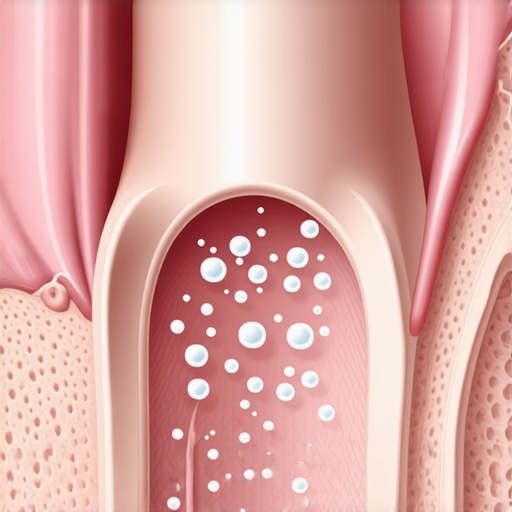 Instead of aggressive physical removal, we need to look at why the debris is collecting there in the first place. Often, it is a sign that your body’s natural drainage system is overwhelmed by inflammation or post-nasal drip.
Could Your Aging Dental Work Be Feeding the Bacteria?
Advanced halitosis isn’t always a one-source problem. While you are focused on your throat, an old restoration could be the silent accomplice. For example, knowing how to tell if your crown needs to be replaced immediately is vital because a gap of just a few microns can harbor a colony of bacteria that no toothbrush can reach. Research published in the International Journal of Oral Science suggests that the oral microbiome is a delicate ecosystem where periodontal health and tonsillar health are intrinsically linked. If you have a restoration issue, such as how to tell if your dental crown has a hidden crack, you are essentially pouring fuel on the fire. Beyond just maintenance, we should look at revamp your smile top cosmetic dentistry trends for 2025 to see how modern materials are designed to be more biocompatible and less prone to plaque buildup. It is also why I always tell people that why a prophy treatment is much more than just a simple tooth cleaning—it is a professional reset for your entire oral environment. Have you ever fallen into the trap of over-cleaning your mouth only to find things got worse? Let me know in the comments.
Equip Yourself Like a Pro to Stop the Stones
Moving from reactive digging to proactive maintenance changed everything for me. I stopped using cotton swabs once I realized they were too blunt for the deep crypts. Instead, I invested in a dedicated tonsil stone removal kit that includes a tool with a built-in LED light and a transparent tip. This allows you to see exactly where you are applying pressure without blocking your own view. I also added a curved-tip irrigation syringe to my routine. Unlike a high-pressure water flosser, which can actually bruise the tonsils, a manual syringe lets you control the flow precisely. If you have followed my family dentistry guide building a lifetime of healthy smiles, you know that the right tools prevent damage while achieving the goal. This approach is much safer than risking an injury that could lead to an infection or a trip to the emergency room.
How do I maintain a clear throat for years to come?
The secret to long-term success is consistency and changing the environment of your mouth. According to a study published in the Journal of Clinical Periodontology, maintaining a neutral pH in the oral cavity is crucial for preventing the overgrowth of anaerobic bacteria that contribute to both stones and gum disease. I personally swear by alcohol-free, oxygenating mouthwashes. Alcohol dries out the mouth, and a dry mouth is a breeding ground for sulfur-producing bacteria. If you are already looking into dental crowns explained the ultimate solution for damaged teeth, you must realize that a healthy oral environment protects those investments just as much as it protects your tonsils. I gargle for at least 30 seconds, making sure the liquid reaches the very back of my throat, twice a day. 
The Future of Oral Microbiome Management
I predict that in the next few years, we will see a massive shift toward targeted oral probiotics. Instead of just trying to kill all bacteria, we will be ‘reseeding’ the mouth with strains like S. salivarius K12, which are specifically known to inhabit the throat and crowd out the bad guys. This is one of the more exciting revamp your smile top cosmetic dentistry trends for 2025—moving beyond just aesthetics to biological balance. If your current routine feels like a constant battle, stay tuned for these advancements. In the meantime, don’t overlook the basics. Ensuring you have child friendly dental care the foundation of good oral health in your household means teaching the next generation about hydration and gentle hygiene early on.
Don’t Ignore Your Aging Restorations
If you still notice a lingering scent despite clearing your tonsils, it is time to check your hardware. I found that even the smallest gap in a 10-year-old crown can harbor enough bacteria to mimic the smell of a tonsil stone. Understanding dental crowns vs other restorations which is right for you helps you make informed decisions when it is time for an upgrade. A fresh, well-fitted crown or veneer from a specialist focused on transform your look with expert cosmetic dentistry solutions can eliminate those hidden pockets for good. My advanced tip for today? Switch to an oxygenating rinse for one week and see if the ‘stone’ formation slows down. You might find that you don’t need to ‘dig’ at all anymore if the bacteria don’t have the chance to colonize.
Hard Truths I Learned While Staring Down a Flashlight
Overcoming this issue wasn’t just about buying new tools; it was about changing my mindset. First, I realized that hydration is my best defense. A dry mouth is a stagnant mouth, and stagnation leads to stone formation. Second, I learned that my diet played a silent role; excessive dairy often led to thicker mucus, which acted like ‘glue’ for debris. Third, I discovered that these stones are often just a symptom of larger oral health dynamics. If you have been following a family dentistry guide building a lifetime of healthy smiles, you know that every part of the mouth affects the others. Finally, I accepted that while I can manage this at home, regular professional checkups are non-negotiable for spotting things I might miss, like how to tell if your dental crown has a hidden crack.
The Tools That Saved My Social Life
If you’re serious about stopping the cycle, you need more than a toothbrush. I personally trust a dedicated LED tonsil removal tool because it eliminates the guesswork and shadows. I also swear by alcohol-free oxygenating mouthwashes that target anaerobic bacteria without drying out my tissues. For daily maintenance, a stainless steel tongue scraper is far superior to using a brush alone. If you’ve ever wondered why your breath still smells bad after brushing your tongue, it might be because a brush just moves the biofilm around rather than removing it. Lastly, keep a curved-tip irrigation syringe handy for gentle flushing; it is the safest way to reach those deep crypts without causing trauma.
Take Back Your Presence
You don’t have to live in fear of people getting too close during a conversation. Understanding the structural nature of tonsil stones was the key that unlocked my confidence. By combining gentle physical removal with a shift toward biological balance, you can finally stop asking yourself why your breath still smells bad after brushing your tongue. If you find that the problem persists or if you notice other issues like gum sensitivity, don’t hesitate to reach out to a professional through our contact us page. Your oral health is a journey, and you’ve already taken the biggest step by educating yourself today. Have you ever tried to remove a tonsil stone yourself, or did you wait for it to fall out naturally? Let me know your experience in the comments below!