I was standing in front of my bathroom mirror, face inches from the glass, sweating like I was defusing a bomb in a high-stakes action movie. It was nearly midnight, and a stubborn, frayed strand of waxed floss was wedged so tight between my back molars that I could feel a dull, throbbing pressure pulsing through my entire jaw. I had made the classic rookie mistake: I pulled too hard when I felt resistance, the floss snapped, and now I was left with a microscopic nylon anchor lodged in the tightest gap imaginable. My first instinct? Grab a pair of metal tweezers and go to town. Terrible idea. I ended up with sore, bleeding gums and a minor panic attack that I had somehow loosened one of my dental crowns. We have all been there—that frantic moment when a tool meant to improve your hygiene suddenly feels like a permanent, irritating resident in your mouth. It is maddening. It is tiny. And if you handle it wrong, it can actually hurt. Today, I am going to show you exactly how to coax that string out without a frantic trip to an emergency clinic or ruining your evening.
Stop Poking Before You Make It Worse
Let me be the voice of reason you need right now: put down the safety pin. I once tried to use a needle to ‘hook’ a piece of stuck beef jerky, and I can tell you from painful experience that your gums are far more delicate than you think. When something gets stuck, our primal ‘get it out’ instinct kicks in, but that is how we end up needing expert family dentistry intervention for a problem that should have been a two-minute fix. The pressure you feel is not just the floss; it is the inflammation starting because you are messing with the area. If you have work like dental crowns or fillings, being aggressive can actually break the seal of your restoration. According to the American Dental Association, roughly 16% of people report flossing daily, but many of us skip the tight spots because we fear this exact scenario.
Is a tiny piece of string actually worth the hype and worry?
You might think I am overreacting, but leaving foreign material trapped between your teeth is a recipe for a localized infection or a very uncomfortable night. However, the solution is almost never force. It is all about physics and lubrication. Have you ever been so frustrated with a piece of floss that you considered calling your dentist at 2 AM? I want to hear your most desperate ‘stuck-food’ moments in the comments so I don’t feel so alone in my past failures! In the world of oral health for all ages, we learn that patience is the most important tool in the cabinet. Before you reach for the pliers, let’s talk about the gentle methods that actually work to slide that strand out safely.
Try Tying a Knot to Sweep the Gap
This is the most effective DIY method I have ever used, and it is surprisingly simple. Take a new, long piece of floss—preferably the waxed kind if you have it—and tie a single, small knot right in the middle. Carefully slide this new piece into the gap next to the stuck fragment. Once it is in, gently pull the floss through the gap horizontally so the knot catches the snagged piece and sweeps it out the side. I remember the time I tried this after a disastrous encounter with a bowl of unpopped popcorn. I had a kernel shell wedged so deep I thought I would need a surgical extraction. By using the knot trick, I felt that satisfying click as the debris popped out, saving me from a frantic search for oral health for all ages support on a Sunday night.
Grease the Way with Edible Oils
If the knot trick isn’t working because the area is too dry or inflamed, you need to reduce the friction. Think of your teeth like a tight door frame; if the door is stuck, you do not just kick it harder—you lubricate the hinges. Dab a tiny amount of olive oil or coconut oil onto a fresh piece of floss and try to slide it into the contact point. This is especially helpful if you are worried about how to tell if your crown is leaking, as excess force can stress the margins of your dental work. Lubrication allows the fibers to glide past each other rather than shredding further. When I am caring for your child’s teeth and they get something stuck, I always use this slick method first because it minimizes the scary tugging sensation that makes kids panic.
Why Pulling Up is Your Biggest Enemy
Your instinct is to pull the floss upward (or downward for bottom teeth) to get it out. Stop. This is exactly how people accidentally pop off their dental crowns or cause a filling to fail. Instead, let go of one end of the floss and pull the entire strand through the side of the tooth. It is all about the exit strategy. If the floss is stuck, do not force the vertical exit. By pulling it out laterally, you are working with the natural shape of your teeth rather than fighting against the tightest contact point. I learned this the hard way when a piece of string felt like it was fused to my molar. The moment I switched to a horizontal pull, it slid out like silk. If you feel a sharp pain or see a piece of your tooth come out with the floss, that is a sign of a deeper issue, and you should check out our contact page to get a professional look at the area.
Use a Water Flosser to Flush the Debris
Sometimes mechanical force isn’t the answer, but hydraulic pressure is. If you have a water flosser, turn it to a medium-high setting and aim it directly at the gap from both the front and back. The pulsating water can often vibrate the stuck piece just enough to break the vacuum seal holding it in place. This is a much safer alternative than using home tools like toothpicks, which can splinter and leave you with two problems instead of one. For those looking at cosmetic dentistry trends for 2025, keeping these gaps clear is the first step in maintaining the longevity of any aesthetic work. It is not just about the floss; it is about protecting the investment you have made in your smile.It is a common mistake to assume that once you have a restoration, that part of your mouth is officially ‘done.’ In my years of obsessing over oral health, I have found that people often treat their dental crowns vs other restorations as if they are indestructible pieces of ceramic armor. This is a dangerous myth. In reality, the margin where the crown meets your natural tooth is the most vulnerable real estate in your mouth. If you are too aggressive with your tools, you are not just cleaning; you are potentially compromising the cement seal that keeps bacteria out.
Your Dental Crown Isn’t a Suit of Armor
Everyone says you must floss every single day, but in my experience, flossing perfectly three times a week is infinitely better than flossing poorly seven times a week. When you rush through a daily routine just to check a box, you are more likely to snag the edges of your dental work. Most people believe that the harder they floss, the cleaner they are. However, I have seen patients who are so diligent that they actually cause their own problems. When you use a ‘sawing’ motion with high-tension floss, you risk creating micro-abrasions in the soft tissue or, worse, catching the edge of a porcelain restoration. The ‘Oops’ factor here is significant: once you break that margin, you are opening the door for ‘micro-leakage.’ According to a study published in the Journal of Prosthetic Dentistry, marginal gaps as small as 50 to 100 micrometers are enough for bacteria to colonize, which is why precision is more important than power.
Stop Using Your Floss Like a Wood Saw
If you find that floss is constantly shredding in the same spot, do not just reach for a thicker, ‘tougher’ brand. This is a classic trap. Constant shredding is often a diagnostic signal that something is wrong with the tooth surface or the restoration edge. If you force a thick strand through a jagged contact point, you are essentially using a file on your enamel. This leads to issues where why your gums are receding in only one area of your mouth becomes a major concern. The most common mistake I see is the ‘panic pull.’ When the floss gets stuck, people yank upward with all their might. This vertical force is exactly what dental cements are not designed to withstand. They are great at handling the downward pressure of chewing, but a sharp upward tug can break the bond. Instead of brute force, this is the moment to switch to a monofilament floss or a water flosser to maintain hygiene without the mechanical stress. Have you ever fallen into this trap of thinking ‘harder is better’? Let me know in the comments!
Is that tight sensation actually a sign of a failing restoration?
For the advanced readers who already follow a strict family dentistry guide building a lifetime of healthy smiles, you need to know that not all ‘tightness’ is just a narrow gap. If a contact point suddenly feels tighter than it did six months ago, or if you are suddenly wondering how to tell if your crown is leaking and trapping bacteria, it might be due to a shifting tooth or a failing restoration that has slightly tilted. Professional intervention is the only way to measure these contacts accurately. My advice? If the knot trick we discussed earlier doesn’t work smoothly, stop immediately. Forcing it might turn a simple cleaning into an unplanned replacement of an expensive crown. Always remember that your dental work is a precision-engineered tool, not a block of stone.
Upgrade Your Toolkit to Protect Your Investment
For years, I used the cheapest string floss I could find, thinking all floss was created equal. I was wrong. If you have tight contacts or dental crowns, you need to switch to PTFE (polytetrafluoroethylene) floss. This is essentially ‘teflon’ tape for your teeth. It is incredibly slippery and almost impossible to shred, which means you won’t end up with those microscopic nylon anchors I mentioned earlier. I also swear by the Waterpik. According to clinical research published in the International Journal of Dentistry, water flossing is significantly more effective at reducing gingival inflammation around dental restorations compared to traditional string floss because it flushes the gingival sulcus without the risk of mechanical snapping. It is a game-changer for anyone navigating dental crowns vs other restorations where the margins are sensitive. This tool uses hydraulic pressure to reach areas that a physical string simply cannot touch without causing trauma. 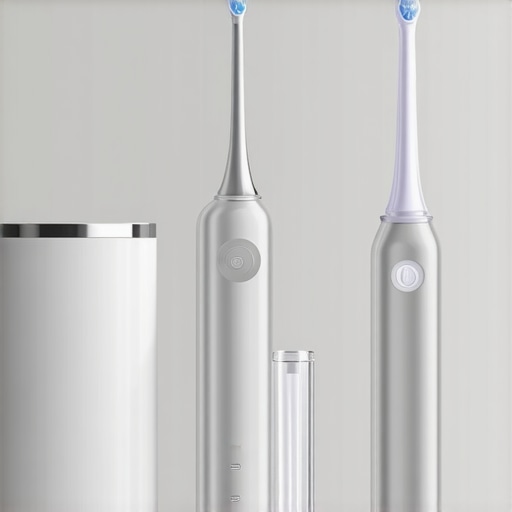
Pressure Sensors Are Your New Best Friend
If you are still using a manual toothbrush, you are likely applying too much force. When I moved over to a high-end electric brush with a visible pressure sensor, I was shocked to see it flashing red almost half the time. That excessive pressure is the leading cause of gum recession around expensive expert cosmetic dentistry solutions. When you brush too hard, you are essentially sandpapering the junction where your tooth meets the crown. You can read more about the truth about how often you really need to replace your toothbrush to ensure you are not using frayed bristles that cause more harm than good. Precision tools take the guesswork out of the equation. I personally recommend the Oral-B iO series or the Philips Sonicare ProtectiveClean because their haptic feedback trains you to let the bristles do the work, rather than your arm muscles.
How do I maintain my dental work over the next decade?
Long-term success with top cosmetic dentistry trends is not about luck; it is about consistency. I predict that in the next five to ten years, we will see a massive shift toward biomimetic materials and smart bio-monitoring toothbrushes that can detect early signs of acidity or ‘leaking’ margins before they become visible to the human eye. We are moving toward a ‘preventative-first’ era where your toothbrush might sync with an app to tell you exactly which crown margin needs more attention. Until then, the secret is the ‘low and slow’ approach: low pressure and slow, deliberate movements. If you have invested in your smile, you are essentially the curator of a tiny art gallery in your mouth. You would not clean an oil painting with a wire brush, so do not do it to your teeth. Whether you are looking for the foundation of good oral health for your kids or maintaining your own cosmetic dentistry innovations, the goal is the same: preserve the bond. If you have not yet, I strongly encourage you to try a monofilament tape floss tonight—you will feel the difference in the very first gap. If something still feels off, do not wait for a total failure; reach out to us on our contact page to get ahead of any potential issues before they require a major fix.
The Lesson I Learned the Hard Way About My Teeth
After years of thinking I was an expert at cleaning, I realized I was actually causing micro-trauma. Here is what I wish I’d known sooner: first, consistency beats intensity every time. Scrubbing harder doesn’t make you cleaner; it just wears down your enamel and makes you wonder why your gums are receding in only one area. Second, the snap is a warning. If floss snaps consistently in one spot, it’s not the string—it’s a sign you need to check how to tell if your crown is leaking and trapping bacteria. Finally, listen to the vibrations of your teeth. If you feel a click or a twinge when pulling, stop immediately. That is your restoration telling you its bond is under stress from the wrong kind of force.
The Three Tools I Won’t Live Without Anymore
I’ve tested dozens of products, and these are the ones that actually make a difference for people with complex dental work. I trust these because they prioritize physics over friction. I always opt for PTFE tape over nylon string; the lack of shredding is a life-saver for dental crowns vs other restorations. A high-quality water flosser is also non-negotiable for flushing out debris without mechanical stress. Finally, keep an eye on your equipment and learn the truth about how often you really need to replace your toothbrush to avoid using worn-down bristles that can’t reach those tight gaps properly. #IMAGE_PLACEHOLDER_E#
Your Smile Deserves a Better Strategy
At the end of the day, your oral health is a marathon, not a sprint. You don’t have to be perfect, but you do have to be kind to your gums and restorations. By shifting from a get-it-out-at-any-cost mindset to a gentle, hydraulic-focused approach, you’re ensuring that your family dentistry guide building a lifetime of healthy smiles becomes a reality rather than just a goal. Take a breath, put down the metal tools, and let water and lubrication do the heavy lifting for you. If a piece of floss is still giving you trouble or if you’re worried you’ve loosened something, don’t hesitate to reach out on our contact page so we can take a look and put your mind at ease. Have you ever had a piece of floss get so stuck you thought it was there for good? Let me know your stuck string stories in the comments below!