I remember the morning I noticed it with startling clarity. I was leaning into the bathroom mirror, checking for a stray piece of breakfast, when I saw my upper right canine. It looked… exposed. While every other tooth looked perfectly tucked into its pink sweater of gum tissue, this one tooth was showing its roots. It was jarring. I felt that sinking feeling in my stomach because I have always been proud of my smile. I immediately started googling, fearing I would need a full mouth of dental crowns or something equally invasive. But here is the thing: localized recession is actually quite common, and it usually has a very specific culprit. Today, we are going to dive into why this happens to just one tooth and how we can stop the retreat before it gets worse.
When Your Gums Decide to Recede in Just One Spot
In those early days of my gum anxiety, I made a classic mistake. I assumed that if one gum was receding, I just needed to brush harder to clean the area. Big mistake. I actually made it worse! I was scrubbing away the delicate tissue because I thought I was being thorough. This is why I always tell my friends to look at a family dentistry guide before taking matters into their own hands. Localized recession isn’t usually about a lack of hygiene; it is often about mechanical trauma or the way your teeth are lined up. Maybe you are brushing too hard with an electric toothbrush in that one corner, or maybe that specific tooth is tilted slightly outward, taking the brunt of the pressure when you chew.
Is this really worth a trip to the dentist or can I ignore it?
The fear most of us have is that localized will eventually mean universal. You wonder if that one tooth is just the first domino. It is a valid concern! However, if you catch it early, you might be able to fix a snagged gum line without surgery or heavy-duty interventions. According to the American Academy of Periodontology, nearly 50% of the population has some form of recession, but when it is limited to just one spot, it is often a mechanical issue rather than a systemic infection. Have you ever noticed one specific tooth looking a bit more naked than the rest? It is more common than you think. Ignoring it can lead to sensitivity because the root does not have enamel to protect it. Let’s look at what is actually happening under the surface so you can stop stressing and start protecting your smile.
Take Back Control of Your Gum Line Before It Is Too Late
To stop that one stubborn tooth from showing more of its root, you have to treat your gums like a delicate silk garment rather than a rugged carpet. I used to think my heavy-handed brushing was a sign of thoroughness. I’d stand at the sink for five minutes, scrubbing back and forth with a medium-bristled brush until my gums felt ‘tingly.’ It turns out, that tingle was actually tissue trauma. Within three months of this routine, I had created a noticeable notch in my gum line on my upper right canine. The first thing I had to do was unlearn the ‘scrub’ and learn the ‘vibrate.’
Ditch the Scrubbing and Master the Roll
The absolute best way to protect a receding area is the Modified Stillman technique. Instead of moving the brush side-to-side, place the bristles at a 45-degree angle toward the gum line. Apply light pressure until the gums blanch slightly, then vibrate the brush in small circles before sweeping the bristles down toward the biting surface. This massages the tissue without sawing through it. If you find yourself still pushing too hard, it is time to evaluate your tools. Many people find that why your gums bleed only when you use an electric toothbrush is often tied to the pressure sensors (or lack thereof) on older models. Switching to a brush that flashes red when you press too hard was the single biggest factor in saving my remaining gum tissue. 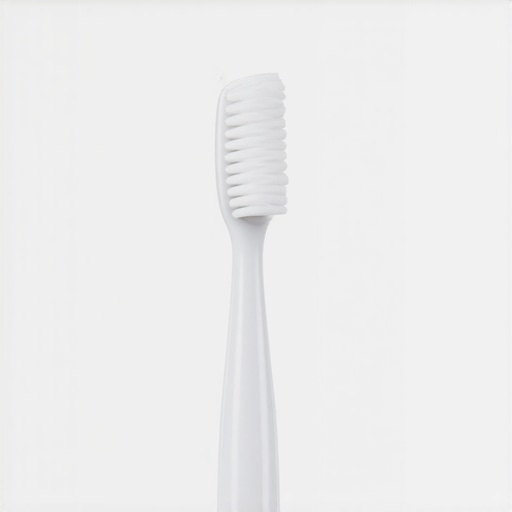
Check if Your Bite is the Silent Saboteur
If your brushing is gentle but the recession is still localized to one tooth, the problem might be mechanical ‘interference.’ Think of your teeth like gears in a watch. If one gear is slightly out of alignment, it takes more stress every time the watch ticks. In your mouth, that stress causes the bone and gum to pull away. I realized I was clenching my jaw during high-stress work meetings, putting immense pressure on that one canine. If you notice that why your jaw aches every time you wake up in the morning is a recurring theme, you are likely grinding at night. A custom night guard acts as a shock absorber, preventing that one tooth from taking the brunt of the force and further retreating.
When You Need a Professional Reinforcement
Sometimes, habits alone aren’t enough to reverse the look of the damage. If the root is exposed and sensitive, you can actually fix a snagged gum line without surgery by using bonding agents or desensitizing resins that act as an artificial layer of enamel. For more significant cases where the structural integrity of the tooth is at risk, you might need to look into dental crowns explained as a way to fully protect the tooth from decay and further wear. Once you have professional intervention, the focus shifts to maintenance. You’ll want to monitor the site closely to ensure the tissue is stabilizing. Learning how to tell if your gums are healing after a deep cleaning is essential to knowing if your new gentle routine is actually working. Remember, recession makes your teeth look longer, which is the real reason your smile looks aged and how to reverse it starts with preserving every millimeter of pink tissue you have left.
Your Crown is Not an Invisible Suit of Armor
Most people assume that once a tooth is capped with a restoration, the maintenance phase is over. It is a common misconception that a crowned tooth is ‘invincible’ to decay. In reality, the margin—the microscopic line where the crown meets your natural tooth—is the most vulnerable real estate in your mouth. If you have localized recession on a tooth that already has a restoration, you are at a higher risk for ‘marginal leakage.’ I have seen cases where patients ignore a subtle dark line at the gum line thinking it is just a cosmetic flaw, when in fact, it is a sign that the seal is failing. According to the American Dental Association, secondary caries (decay under an existing restoration) is one of the leading reasons for crown replacement. If your gum recedes just a millimeter, it exposes the tooth structure that wasn’t meant to be in contact with saliva and bacteria, creating a perfect storm for a ‘hidden’ cavity.
How can I tell if my dental crown is leaking bacteria?
The scary part about localized recession around a restoration is that you often cannot feel the decay happening underneath. You might notice a persistent bad taste or a slight sensitivity to sweets, which are classic signs that the integrity of the seal is compromised. If you are questioning how to tell if your dental crown is leaking bacteria, look for localized inflammation that does not resolve with flossing. This isn’t just about needing a new crown; it’s about preventing the loss of the entire tooth. When considering dental crowns vs other restorations, the longevity of the fix depends entirely on how well you protect that new, exposed margin. 
The Cosmetic Trap You Must Avoid
When we see a snagged gum line, our first instinct is often to jump straight to expert cosmetic dentistry solutions to ‘hide’ the problem. But here is the nuance most people miss: if you place a veneer or crown over a tooth where the recession is caused by an active bite misalignment, the body will continue to move the gum tissue away from the trauma. You end up with a beautiful restoration that looks ‘too long’ or ‘bulky’ within a year. I’ve learned that the ‘Oops’ factor in many family dentistry offices is treating the symptom (the gap) without correcting the cause (the force). You must ensure your family dentistry guide includes a comprehensive bite analysis before you invest in porcelain. If the restoration is even a fraction of a millimeter too thick, you might find why your porcelain veneers might look bulky or unnatural is actually a result of your gums trying to escape the physical bulk. Have you ever fallen into this trap of thinking a crown or veneer makes a tooth invincible? Let me know in the comments. Stopping localized recession is a marathon, not a sprint, and it requires looking past the surface level to the mechanical truth of how your mouth functions.I’ve spent thousands of dollars on my teeth, and I used to think a regular string of floss was my only line of defense. I was wrong. When you have localized recession or a new restoration, you need tools that can reach the nooks without causing more damage. I personally swear by a water flosser, but specifically with the Plaque Seeker tip. Most people make the mistake of aiming the stream directly into the gum pocket at a high setting, which can actually detach the tissue further. I use it on a medium setting (level 5 or 6) and aim it at a 90-degree angle to the tooth. This is exactly how to stop your gums from hurting when you use a water flosser while still clearing out the microscopic debris that lives at the crown margin.
How do I maintain my dental work over time?
Maintenance isn’t just about what you do at the sink; it’s about constant observation. Every Sunday night, I do a touch test. I run a clean fingernail or a soft plastic pick along the base of my restorations. If I feel a catch or a step where the crown meets the tooth, I know the gum has moved and I need a professional eyes-on. Keeping up with understanding dental crowns when and why they are needed helps you recognize when a 10-year-old restoration is reaching its expiration date. You also need to master the best way to clean under a dental bridge to prevent smells if you have more complex work, as bacteria trapped there can cause recession on the neighboring anchor teeth. 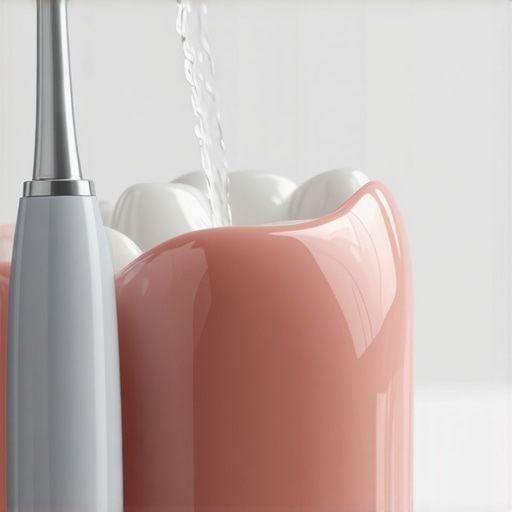 According to a study published in the International Journal of Prosthodontics, the longevity of a restoration is nearly 80% dependent on the health of the surrounding periodontium—the gums and bone. If you ignore the pink stuff, the white stuff doesn’t stand a chance.
Your Bathroom Counter is About to Get Much Smarter
Looking ahead, the way we handle family dentistry guide routines is shifting toward real-time data. We are seeing a massive surge in top cosmetic dentistry trends for 2025 that include AI-integrated toothbrushes that map your mouth in 3D. I predict that within five years, your toothbrush won’t just tell you if you’re brushing too hard; it will alert your dentist’s office the moment it detects a change in your gum height. This kind of proactive tech will take the guesswork out of how to tell if your crown needs to be replaced immediately. Stop waiting for your next six-month cleaning to check on that one receding tooth. Tonight, I want you to try the 90-degree water flossing technique on just that one sensitive area. Consistency in the small, technical details is what saves your smile from the domino effect of decay.
What I Finally Realized After My Gum Stopped Retreating
Reflecting on my journey with localized recession, I’ve had a few major breakthroughs that changed everything. First, I realized that recession isn’t always a sign of aging; it’s a sign of localized stress. Whether it’s a malaligned bite or aggressive brushing, your body is simply trying to move away from the pressure. Second, the pink-to-white ratio is the real secret to a youthful look, which is why expert cosmetic dentistry solutions focus so much on gum symmetry. Finally, I learned that a naked root is a vulnerable root—ignoring that one tooth can lead to the need for dental crowns explained as a protective measure later on.
The Daily Gear That Actually Saved My Gum Line
If you are serious about stopping the retreat, you need more than just hope. These are the tools that changed my oral health forever. I switched to a pressure-sensing electric brush because it physically prevents me from scrubbing too hard. I also invested in a custom-molded night guard, which stopped my clenching from forcing my gums to pull away from the tooth. To stay educated on long-term care, I keep a family dentistry guide bookmarked to help me differentiate between normal healing and signs of trouble.
Your Gums Deserve a Second Chance
You don’t have to wait for a total smile makeover to feel confident again. By staying ahead of top cosmetic dentistry trends for 2025 and practicing proactive care, you can stabilize that localized recession before it affects your entire mouth. If you’re worried about existing work, learning how to tell if your crown needs to be replaced immediately is the best way to prevent emergency extractions. Your smile is a long-term investment, and the effort you put into that one trouble tooth today will pay off for decades. Have you ever noticed one specific tooth looking a bit more exposed than the rest? Let me know in the comments below.