I was looking at a photo from my cousin’s wedding last year and I didn’t recognize my own mouth. My teeth looked shorter, my smile seemed narrower, and I swear there were shadows where there used to be light. It hit me like a ton of bricks: we spend thousands on skincare to fight wrinkles, but we completely ignore the one thing that actually anchors our face. I’d been so focused on “getting by” with my dental routine that I missed the subtle signs that my teeth were literally wearing down. I want to share my journey with you because I know that sinking feeling in your gut when your reflection doesn’t match how young you feel inside. Today, I am going to show you exactly why this happens and how you can reclaim that vibrant, healthy look without feeling like you’re wearing a mask.
The Hidden Culprits Making Your Teeth Look Decades Older
For years, I made the classic mistake of thinking that as long as I didn’t have a cavity, I was fine. I even went through a phase where I brushed so hard I thought I was “polishing” my teeth, but I was actually doing the opposite. I learned the hard way why your gums are receding despite using a soft toothbrush, and that loss of tissue was making my teeth look “long” and skeletal. Beyond that, the edges of our teeth naturally thin out over time. When that translucent enamel wears away, the yellowish dentin underneath peeks through, and suddenly, no whitening strip in the world can help. If you’ve noticed your teeth chipping more easily, it might be worth checking out why your teeth are chipping easily despite a healthy diet. It’s not just about aesthetics; it’s about the structural integrity of your face.
Is cosmetic work going to make me look like I have fake piano key teeth?
This was my biggest fear. I didn’t want that blindingly white, bulky look that screams “I just had work done.” I wanted to look like me, just refreshed. The truth is that cosmetic dentistry innovations have come so far that modern restorations can mimic the light-reflecting properties of natural enamel perfectly. If you are struggling with old dental work, you might even notice why your porcelain crown has a dark line at the gum line, which is a total giveaway of age. But by choosing the right dental crowns vs other restorations, you can actually support your lips and cheeks from the inside out, essentially giving yourself a dental facelift. Have you ever looked in the mirror and felt like your smile just didn’t match the energy you feel inside? Interestingly, research from the American Academy of Cosmetic Dentistry suggests that an improved smile can significantly boost perceived trustworthiness and success in social interactions. We aren’t just talking about vanity here; we’re talking about how you show up in the world. Next, we are going to look at the specific steps to stop this wear and tear in its tracks.
Spot the Early Signs of Dental Wear Before They Turn Expensive
The first step in reclaiming your look isn’t a dental appointment; it’s a careful audit of your own mouth. Grab a flashlight and a high-quality mirror. Look at the edges of your front teeth. If they look jagged or if the corners seem see-through, that is enamel erosion in action. I remember sitting in the dentist’s chair last October, convinced I just had a bit of a sensitive tooth from too much iced coffee. I kept telling my dentist it was fine, just a “ghost pain.” But when he showed me the macro-camera shot of my molar, I saw it—a jagged line running right down the side. I learned that day exactly how to tell if your dental crown has a hidden crack before it splits in half. That “ghost pain” was actually my tooth begging for help. You should also check for any localized discomfort. Knowing how to tell if your toothache is a cavity or just sensitivity is vital for catching issues before they require a root canal. If you have old work, look closely at the gum line; knowing how to tell if your crown needs to be replaced immediately can prevent bacteria from leaking underneath and rotting what is left of your natural tooth.
Select a Restoration That Rebuilds Your Profile
When you decide to fix the wear, you aren’t just picking a color from a tab; you are choosing a structural component for your face. If you have lost significant tooth height, a simple whitening won’t fix the “collapsed” look of your lower face. You need to look at dental crowns vs other restorations to see which provides the necessary support. Crowns are like custom-fitted helmets for your teeth; they restore the original shape and height, which in turn supports your lips and prevents that sunken-in look. This is especially true for back molars that have flattened over time. Understanding dental crowns: when and why they are needed is the difference between a quick fix and a long-term investment in your facial structure. Modern materials don’t have that tell-tale gray line at the gums anymore, so they look indistinguishable from the teeth you were born with.#IMAGE_PLACE_HOLDER_B#
Protect Your Results with a Solid Maintenance Routine
Once you have restored the length and health of your teeth, the goal is to make that work last twenty years, not five. Most dental aging is caused by nighttime grinding, which is basically like taking sandpaper to a diamond. If you get a night guard, you must keep it pristine; learning the best way to clean a night guard to prevent odors ensures you actually wear it every night. Beyond the hardware, you need a partner in this process. This is where the role of family dentistry in ensuring oral health for all ages becomes so important. A good family dentist doesn’t just fill holes; they track the wear patterns of your teeth over decades, acting as a structural engineer for your smile. They can spot when your bite is slightly off, which is the number one reason why high-end cosmetic work chips or fails prematurely. Think of it as a tune-up for your most important asset.However, there is a common myth that the most expensive material—usually high-translucency zirconia or E-max—is the silver bullet for a perfect smile. In my years of research and personal trial, I’ve found that the material matters far less than the occlusion, or how your teeth actually meet. You can have the most beautiful expert cosmetic dentistry solutions in the world, but if the bite is off by even a hair, you’re looking at a structural failure.
Stop chasing a white shade that doesn’t exist
Many patients fall into the trap of thinking they can just ‘whiten’ their way out of aging teeth. But once the enamel is gone, the color you see is actually the yellowish dentin. If you keep applying peroxide to thin enamel, you aren’t making it whiter; you’re making it more translucent, which actually makes it look darker because the shadows of your mouth show through. This is where the real cost of delaying a necessary dental crown becomes apparent. A crown doesn’t just cover the tooth; it replaces the missing opacity that makes a smile look youthful.
The microscopic ‘high spot’ that ruins expensive work
The ‘oops’ factor most people encounter is the high restoration. You leave the office, the numbness wears off, and your new tooth feels just a tiny bit taller than the others. You think you’ll get used to it, but you shouldn’t. A study published in the Journal of Prosthetic Dentistry notes that even a slight misalignment in bite force can lead to localized bone loss and crown fractures. This is often the real reason your porcelain crown keeps chipping. If you don’t address it, you’ll soon wonder why your jaw is sore after a filling replacement or a new crown. 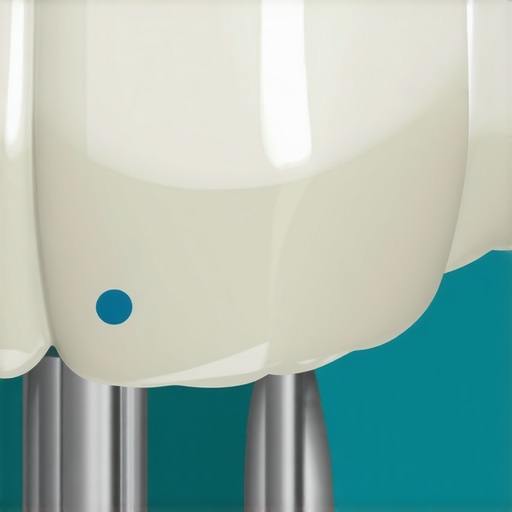
Why does my new crown feel weird when I bite down?
This is the most frequent question for those diving into advanced restorations. If it feels tight or thick, it might be an issue with the proximal contacts, which is how it touches the neighboring teeth. If it feels tall, it’s an occlusal issue. Don’t wait. I learned that knowing how to fix a temporary crown that feels too high is a great stopgap for comfort, but for a permanent one, you need a precision adjustment. A master dentist will use articulating paper to find that microscopic ‘mountain’ on your new tooth and smooth it down until your jaw muscles finally relax. Have you ever fallen into this trap? Let me know in the comments.I used to think a toothbrush was just a toothbrush until I realized I was scrubbing away my retirement fund. If you have invested in high-end restorative work, you need to treat it like a luxury car, not a rental. I swear by the Oral-B iO series because of the integrated light-ring pressure sensor. It literally turns red the second you start pushing too hard, which is the main reason why your gums are receding despite using a soft toothbrush. For anyone with bridges or implants, standard string floss is often insufficient. I personally use a Waterpik on the ‘low’ setting with a specialized tip to master the best routine for cleaning under a dental bridge, ensuring no plaque sits at the margin to cause inflammation.
How do I keep my new smile looking fresh for decades?
The secret isn’t just the tools you use at home; it’s the frequency of professional oversight. You need a clinician who uses high-resolution intraoral cameras to track ‘micro-shifts’ in your bite over time. This is where the role of family dentistry in ensuring oral health for all ages becomes your best long-term defense. They can catch a hairline fracture before it becomes a catastrophic failure. I also recommend a high-fluoride prescription paste like Prevident 5000 once a week to remineralize the natural tooth structure that meets the edge of your crown. And please, pay attention to the truth about how often you should replace your toothbrush head; once those bristles fray, they stop cleaning and start damaging your gums. 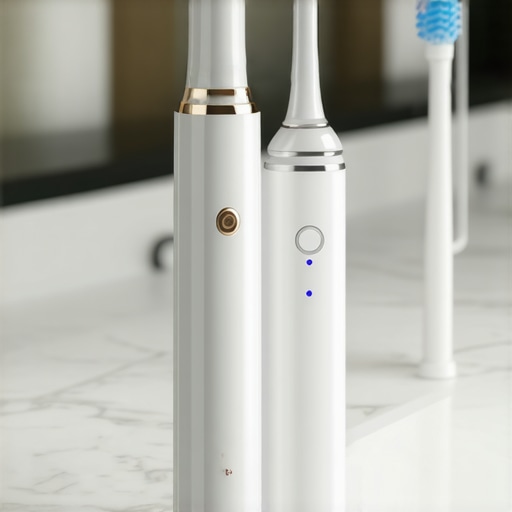
Predicting the next decade of dental tech
Looking ahead, we are entering an era of ‘predictive dentistry’ driven by artificial intelligence. I recently saw a T-Scan in action—it is a digital sensor you bite down on that creates a real-time ‘heat map’ of your occlusion. Instead of just looking at where blue ink marks appear on your teeth, your dentist can see exactly which tooth is hitting first in milliseconds. This level of precision is the ultimate key to preventing the real reason your porcelain crown keeps chipping. According to a study in the International Journal of Computerized Dentistry, the marginal fit of CAD/CAM-milled crowns is now reaching sub-20 micron levels, which is thinner than a human hair. This means fewer places for bacteria to hide and a much lower risk of decay under your work. If you are curious about what else is coming, check out the revamp your smile: top cosmetic dentistry trends for 2025. If you want to stop the cycle of ‘fix and repeat,’ your first move should be to switch to an electric brush with a pressure sensor tonight to protect the investment you have made in your face.
What I Discovered After My First Major Dental Overhaul
The most surprising thing I learned is that ‘perfect’ teeth aren’t actually solid white; they are beautifully translucent. If your restoration looks like a flat block of chalk, the light can’t pass through it, which is why it looks fake. I also realized that the truth about the lifespan of composite vs porcelain veneers depends entirely on how you treat them at night. If you’re a grinder like me, your investment is only as good as your night guard. Finally, I understood that a great dentist is more like an architect than a painter. They aren’t just making things look pretty; they are rebuilding the foundation of your lower face to prevent that ‘sunken’ aging look that we often mistake for skin wrinkles.
My Non-Negotiables for a Smile That Lasts
I’ve narrowed down my routine to three core pillars that keep my restorations in top shape. First, a pressure-sensing electric toothbrush is mandatory to prevent mechanical damage—I wish I’d known why your gums are receding despite using a soft toothbrush years ago. Second, I keep a dedicated travel kit with a backup night guard and a specialized cleaning solution. Third, and most importantly, I prioritize the role of family dentistry in ensuring oral health for all ages by scheduling micro-adjustments to my bite every six months. I trust these methods because they focus on biological longevity, not just a quick photo-op makeover.
#IMAGE_PLACEHOLDER_E#
Your Smile Is the Only One You Get
Reclaiming your smile isn’t about chasing an impossible standard of perfection; it’s about feeling like yourself again when you see your reflection in a photo. Whether you are currently understanding dental crowns: when and why they are needed or you simply want to stop the cycle of chipping and sensitivity, taking that first step is the most empowering thing you can do for your long-term confidence. You deserve to laugh without the reflexive habit of hiding your mouth behind your hand. Modern cosmetic dentistry makes it possible to age gracefully while keeping your structural integrity intact. Have you noticed your teeth getting shorter or thinner as the years go by? Let me know in the comments below!