I’ll never forget the first time I sat down for a normal family dinner after getting my new set. I reached for a piece of buttered sourdough, took one bite, and felt the whole upper plate shift like a tectonic plate. It was humiliating. I spent the rest of the night pushing food around my plate, wondering if I’d made a massive mistake. If you’re currently feeling like you have a mouthful of oversized marbles, trust me—I’ve been in those exact, uncomfortable shoes. It feels bulky. It feels weird. You might even feel like you are relearning how to speak.
How to Stop Your Brain from Rejecting Your New Smile
Getting used to the feel of new dentures isn’t just about physical healing; it’s a mental game. Your brain is literally screaming that there is a foreign object in your mouth. Early on, I made the classic rookie mistake of trying to power through a thick steak on day two. Spoiler alert: it didn’t go well. I should have focused on the basics of family dentistry and patience rather than my appetite. You might even find that your tongue feels sore after getting new dentures because it’s working overtime to keep everything in place. It takes time for the muscles in your cheeks and tongue to learn how to keep the prosthetic stable without you thinking about it.
Are these things actually supposed to feel this big?
Yes, they are. At first, everything feels extra. Extra saliva, extra plastic, extra bulk. But here is the secret: your mouth is an incredibly adaptable environment. While your dentures might not fit as well as they used to if you’ve had them for years, a brand-new set requires a specific recalibration period. According to research published in the Journal of Prosthodontics, it takes the average brain about 21 to 30 days to fully map a new dental prosthetic, yet many patients throw in the towel after the first week of frustration. We aren’t going to let that happen to you. Today, I’m going to show you the exact shortcuts I used to cut that adjustment period in half. Have you ever felt like your teeth were about to fly out of your mouth just by saying a word like Mississippi? It is a common fear, but we are going to fix it.
Chew Like You Are Balancing a Seesaw
The biggest mistake people make with new dentures is trying to chew on one side of their mouth. If you do that, the other side of the plate will tip up, breaking the suction. Think of your dentures like a seesaw; you need weight on both ends to keep things stable. When I first started, I cut my food into tiny, pea-sized pieces and forced myself to chew half the bite on the left and half on the right. It felt mechanical and weird at first, but it prevented that ‘rocking’ sensation that usually leads to embarrassment. This isn’t just about mechanics; it’s a core principle in the role of family dentistry in ensuring oral health for all ages—maintaining balance to preserve the underlying bone structure.
Master the bilateral bite
Start with soft foods like eggs, cooked fish, or yogurt. Avoid anything sticky or excessively chewy, which can act like glue and pull the plate away from your gums. If you’ve noticed that your jaw clicks and pops when you eat chewy foods, it might be a sign that you are straining the joint trying to overcompensate for the new fit. Practice using your back teeth for the heavy lifting, rather than biting directly with your front teeth, which is a sure-fire way to dislodge the upper plate.
Read Out Loud to Retrain Your Speech
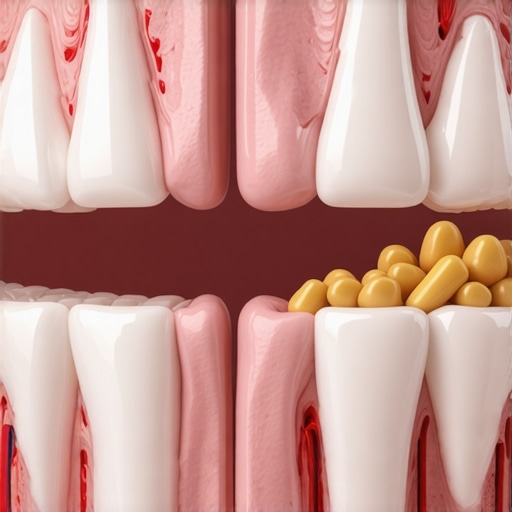
I remember standing in front of my bathroom mirror, reading the back of a shampoo bottle out loud. I kept tripping over ‘s’ and ‘f’ sounds, feeling like I had a mouthful of cotton. The muscles in your face are used to your old teeth, and these new ones have slightly different heights and thicknesses. To fix this, you need to recalibrate your muscle memory. If you’re looking to transform your look with expert cosmetic dentistry solutions, you have to accept that the ‘look’ comes with a new ‘feel’ that requires vocal practice.
Slow down and exaggerate your vowels
When you speak, the air flow is restricted differently by the acrylic plate. Try biting down and swallowing before you start to speak; this sets the dentures firmly in place. I found that singing in the shower actually helped more than talking, because it forced me to hold vowel sounds longer and move my jaw through a full range of motion. If you feel like your speech is still ‘clacking,’ it might be because the vertical dimension of your bite is slightly different than before, a common topic when understanding dental crowns when and why they are needed versus full prosthetics.
Identify Trouble Zones Before They Blister
You wouldn’t run a marathon in brand-new boots without expecting a blister, and dentures are no different. Within the first 24 hours, you’ll likely feel ‘hot spots’ where the plastic is rubbing too hard against the ridge. My mistake was taking them out and leaving them out. Don’t do that. You need to wear them so the dentist can see exactly where the red marks are to make precise adjustments. While we often look at revamp your smile top cosmetic dentistry trends for 2025 for aesthetic inspiration, the real win is a comfortable fit that doesn’t cause ulcers. If a spot becomes unbearable, use a warm salt water rinse to soothe the tissue, but keep your follow-up appointment to shave down those high points.
Most people assume that once the dentures are in and the initial soreness fades, the journey is over. This is the biggest ‘oops’ in the book. Everyone says you should aim for the ‘whitest’ shade available, but in my experience, seeking a uniform, paper-white shade is the fastest way to tell the world you’re wearing a prosthetic. If you aren’t careful, your porcelain veneers look opaque and unnatural in sunlight because they lack the subtle translucency and ‘imperfections’ of real enamel. When you transform your look with expert cosmetic dentistry solutions, you want people to notice your confidence, not the dental work itself. Real expertise in family dentistry involves matching the prosthetic to the character of your face, not a color swatch.
Is a dental crown always the superior choice for a damaged tooth?
Not necessarily. A common trap is jumping to a full crown when a conservative restoration might suffice. While dental crowns are the ultimate solution for damaged teeth, they require significant removal of natural tooth structure. I’ve seen patients regret a crown because they didn’t realize the debate of dental crowns vs other restorations is a nuanced choice that depends on the ‘ferrule effect’—the amount of healthy tooth structure remaining to support the cap. According to a study published in the Journal of Oral Rehabilitation, preserving natural tooth structure is critical for long-term periodontal health, as excessive grinding for a crown can lead to pulpitis or future fractures. Have you ever fallen into this trap of choosing the most ‘durable’ option without considering the biological cost? Let me know in the comments.
The Bone-Thinning Reality Most Dentists Skip
Here is a nuance most beginners miss: your jawbone is ‘use it or lose it.’ Without natural roots or implants to stimulate the bone, the ridge begins to resorb or melt away. This is precisely why your dentures don’t fit as well as they used to after three to five years. It’s not just that the acrylic wore down; your face is literally changing shape. This can lead to the ‘sunken’ look often associated with long-term denture wear. If you notice your gums look dark around an old dental crown or bridge, it might be the metal substructure showing through as the bone and gums recede. This is a primary reason why the role of family dentistry in ensuring oral health for all ages includes constant monitoring of bone density, not just checking for cavities.
The Dangerous Lure of the ‘Leaky’ Margin
One more advanced warning for those with crowns or bridges: watch out for the ‘leaky’ seal. Over time, the cement can wash out, or the gumline can shift. Learning how to tell if your crown is leaking and trapping bacteria is vital because the decay happens underneath where you can’t see it until it’s a disaster. If your crown feels loose when you chew gum, don’t ignore that tiny bit of ‘give.’ That micro-movement is an open door for sugars to bypass your hygiene routine. This is where understanding dental crowns when and why they are needed becomes about long-term maintenance, not just the initial fix.
Once you’ve navigated the initial hurdles of the adjustment period, the focus shifts from survival to sustainability. I used to think that because my crowns or dentures weren’t ‘real’ teeth, they were invincible. That mindset is exactly how people end up back in the chair for expensive repairs. In my journey, I discovered that the longevity of your smile depends less on the price tag of the prosthetic and more on the specific tools you use at your bathroom sink every morning. Whether you’ve invested in full dentures or are simply understanding dental crowns when and why they are needed, the maintenance phase is where the real work happens.
Stop Scrubbing and Start Soaking
I learned the hard way that a standard toothbrush is often too abrasive for the high-polish finish of modern dental work. If you use a stiff-bristled brush, you create micro-scratches that act as magnets for stains and bacteria. I personally switched to an ultrasonic cleaner for my removable prosthetics. It uses high-frequency sound waves to create cavitation bubbles that blast away plaque without the need for manual friction. For those with permanent fixtures, using a water flosser is a non-negotiable. It’s the only way to effectively flush the ‘sulcus’—the tiny pocket where the crown meets the gum—without risking the hidden reason your gums look dark around an old dental crown due to tissue irritation or recession.
#IMAGE_PLACE_HOLDER_D#
Why Your Morning Routine Dictates the Life of Your Crown
Maintenance isn’t just about cleaning; it’s about protecting the structural integrity of the material. Dr. Gordon Christensen, a world-renowned expert in restorative dentistry and founder of the CR Foundation, has frequently noted that the use of abrasive toothpastes (especially those marketed for ‘whitening’) can prematurely wear down the glaze on porcelain, leading to a dull, matte appearance. This is why your porcelain veneers look opaque and unnatural in sunlight over time. I now only use non-abrasive gels specifically designed for cosmetic restorations. This small swap in my routine likely saved me thousands in premature replacement costs.
How do I maintain these results for the next decade?
The key is consistency and early detection. You should be checking your margins every single month. Take a bright flashlight and look at the seal where the prosthetic meets your natural gum line. If you see any shadowing or feel a ‘catch’ with your fingernail, it’s time for a professional check-up. This proactive approach is a cornerstone of caring for your child’s teeth essential family dentistry tips as well; teaching the next generation to value prevention over reaction. By staying ahead of the curve, you can discover the secret to making your dental bonding last more than five years or even a lifetime.
The Digital Future of Your Dental Fit
Looking ahead, I predict we are moving toward a world of ‘Digital Smile Monitoring.’ In the next few years, we will likely see apps that allow you to take a 3D scan of your mouth with your smartphone, which AI then compares to your ‘master scan’ from the day your teeth were fitted. This will alert you to bone resorption or shifting long before you notice why your dentures don’t fit as well as they used to. We are already seeing cosmetic dentistry innovations to watch that prioritize this type of long-term stability. My advice? Tonight, before you go to bed, swap your abrasive toothpaste for a gentle, pH-balanced gel. It is the single most effective thing you can do right now to protect your investment.
The Hard Truths I Discovered About Living with Your New Smile
Adjusting to a major change in your mouth isn’t just about physical gear; it’s a mental shift. I realized quickly that my anxiety about people ‘knowing’ I had work done was almost entirely in my head. If you act confident, the prosthetic becomes invisible. Another lightbulb moment was recognizing that the role of family dentistry in ensuring oral health for all ages isn’t just for kids; it’s about adults taking ownership of their prosthetic maintenance too. Lastly, do not wait for pain to visit the clinic; by the time you feel it, the structural damage is often much harder to reverse.
The Gear That Actually Saved My Sanity
I’ve tried every gadget on the market, but only a few truly made the cut. First, an ultrasonic cleaner is non-negotiable for removable sets—it gets into the microscopic pores that a standard brush simply cannot reach. Second, I recommend a high-quality water flosser for anyone with permanent crowns or bridges to prevent the bacteria traps that lead to decay. Third, reviewing caring for your child’s teeth essential family dentistry tips reminded me that the same gentle, non-abrasive cleaning principles apply to high-end adult restorations. These tools turn a frustrating chore into a reliable and efficient daily system.
#IMAGE_PLACEHOLDER_E#
Embrace the Future of Your Dental Confidence
You’ve taken a massive step toward improving your quality of life. Whether you’re recovering from the initial soreness of dentures or are looking to transform your look with expert cosmetic dentistry solutions, remember that the initial discomfort is just a temporary bridge to a lifetime of better health. Your smile is a significant investment in your self-esteem, so treat it with the patience it deserves. I promise, in a few months, you won’t even remember the days of feeling like you had a mouthful of marbles. Have you ever struggled with the first few days of wearing a new dental appliance? Let me know your biggest hurdle in the comments below.