I remember staring into my bathroom mirror three years ago, watching a tiny piece of my front tooth literally crumble into the sink while I was eating a piece of sourdough. It wasn’t a huge break, but for someone who takes pride in their smile, it felt like a total catastrophe. I had dental bonding done just eighteen months prior, and I thought it was invincible. I was wrong. I felt like a regular at the local clinic, and honestly, I was starting to think these cosmetic dentistry solutions were just expensive temporary band-aids. [IMAGE_PLACEHOLDER]
The Five Year Wall Most People Never Hit
The truth is, most bonding jobs fail because we treat them like natural enamel. But they aren’t. Composite resin is a beautiful, versatile material, but it has its limits. If you’ve ever wondered why your teeth are chipping easily despite your best efforts, you’re likely making the same mistake I did: expecting a plastic-based material to behave like a diamond. Today, I want to share how I finally broke the cycle of repair-and-despair. We are going to look at the daily habits and the ‘secret’ maintenance routine that has kept my current bonding intact for over five years and counting.
Is dental bonding actually worth the money if it just chips?
I get it. You’re skeptical. You’ve heard the horror stories—or maybe you’ve lived them—where the bonding stains within six months or pops off during a steak dinner. You might even be considering understanding dental crowns as a more permanent, albeit more invasive, alternative. But I’m here to tell you that bonding can last if you stop making the rookie mistakes I made. According to the American Academy of Cosmetic Dentistry (AACD), while composite resin is incredibly durable, its longevity is almost entirely dependent on the patient’s bite alignment and post-procedure care.
My Biggest Mistake Was Using My Teeth as Tools
Early on, I was reckless. I’d use my front teeth to rip open a bag of chips or bite my nails when I was stressed. I didn’t realize that the truth about the lifespan of composite tooth-colored fillings and bonding is that they are susceptible to shear forces. Natural teeth are tough, but bonding is essentially a high-tech resin ‘glued’ to your tooth. When you apply pressure at the wrong angle, it’s game over. Have you ever had a piece of dental work fail way sooner than you expected? I’d love to hear about it so we can figure out what went wrong together. It’s not just about the dentist’s skill; it’s about how we live our lives after we leave the chair. Let’s dive into the practical shifts that actually keep that resin where it belongs.
Stop Grinding Your Money Away While You Sleep
If you wake up and your face feels tight or your temples throb, you are likely a ‘night-grinder.’ This was my biggest hurdle in keeping my smile intact. Think of a night guard as a shock absorber for your teeth. Without it, you are basically taking a hammer to your dental bonding every single night for eight hours. If you have ever wondered why your jaw aches every time you wake up in the morning, this is your body screaming for protection. I once skipped my guard for just a week during a high-stress house move, and by Friday, the edge of my bonded lateral incisor felt jagged to my tongue. It wasn’t a full break, but the constant nocturnal friction had started to shave the resin down. Since then, I treat my custom night guard like my phone charger—it is non-negotiable for my daily routine. 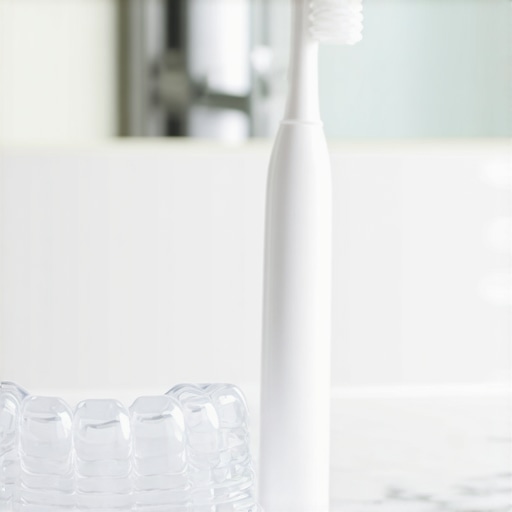
Think of Your Front Teeth as Fine China Not Tools
We are naturally inclined to bite into everything, but once you have resin on your teeth, you have to master the ‘knife-and-fork’ method. I treat my bonded teeth like expensive porcelain plates. I stopped biting directly into whole apples, crusty sourdough baguettes, and even thick pizza crusts. Instead, I cut them into bite-sized pieces. It felt a bit pretentious at first, but this shift removes the shear force that explains why your teeth are chipping easily even when you think you are being careful. If you find that the composite material is already too compromised for this lifestyle shift, it might be time to compare dental crowns vs other restorations to see if a more durable material fits your bite better.
The Secret to Keeping Your Bonding Bright
Composite resin is more porous than your natural enamel. Think of it like a sponge for pigments. If you are a heavy coffee or red wine drinker, you need to be strategic. I used to let my iced coffee linger for hours at my desk until I noticed a dull yellow tinge on the edges of my bonding that wouldn’t brush away. Now, I follow the secret to stopping coffee from staining your new veneers and apply those same rules to my bonding. It is a simple three-step process: drink through a straw, finish the drink quickly rather than sipping all day, and chase every session with a quick water rinse.
Polish Your Resin with a Soft Touch
When you brush, remember that you aren’t scrubbing a garage floor. You are polishing a delicate, engineered surface. Using a hard-bristled brush is a fast track to wearing down the resin-to-tooth bond and scratching the finish. I switched to an electric brush with a pressure sensor. This prevents the aggressive scrubbing that can lead to recession, which is often why your porcelain crown has a dark line at the gum line. A smooth, unscratched surface stays white longer because there are no microscopic grooves for plaque and tannins to hide in.We often treat the dental office like a car wash—you go in, get the ‘deluxe’ package, and expect it to shine forever. But here is the nuanced truth: the most expensive cosmetic dentistry solutions aren’t necessarily the ones that last the longest. I’ve seen people drop five figures on full-mouth porcelain only to have a crown pop off because their dentist didn’t account for ‘lateral excursions’—the specific way your jaw moves side-to-side during speech and sleep.
Why the Most Expensive Crown Can Still Crack Like Glass
The common belief is that porcelain is ‘invincible’ compared to resin. However, a study published in the Journal of Esthetic and Restorative Dentistry suggests that restoration longevity is less about the material’s inherent strength and more about the precision of the marginal fit and the patient’s specific bite mechanics. If your bite is ‘off,’ even a diamond would eventually shatter. This is why your porcelain crown feels too high when you bite down even slightly; that tiny discrepancy creates a pressure point that acts like a glass-cutter on your new investment. #IMAGE_PLACE_HOLDER_C#
Can I switch from bonding to crowns without losing too much natural tooth?
This is the ‘advanced’ question I get most often from readers who are tired of repairing chips every two years. Many people fear that moving from bonding to crowns means grinding their teeth into ‘nubs.’ While traditional crowns require significant prep, modern dental crowns vs other restorations like ‘3/4 crowns’ or porcelain onlays allow you to keep a large percentage of your natural enamel while providing the structural integrity that bonding lacks. It’s not an all-or-nothing game; it’s about choosing the right mechanical support for your specific smile.
Don’t Bleach Your Way Into a Patchwork Smile
Here is the ‘Oops’ factor almost no one warns you about: the whitening trap. I once decided to brighten my smile six months after getting two front teeth bonded. I spent weeks using professional strips, only to realize that while my natural teeth were getting whiter, the resin was staying its original ‘A1’ shade. I ended up with a ‘patchwork quilt’ smile that looked worse than the original chips. If you are planning to whiten, you must do it at least two weeks before your bonding or crown appointment so the dentist can match the material to your new, stable tooth color.
The Hidden Role of Maintenance in the Long Game
Finally, don’t overlook the role of family dentistry in ensuring oral health for all ages as just ‘basic’ care. Those six-month cleanings aren’t just for plaque; they are for the dentist to check the ‘margins’ of your cosmetic work. When a bond or crown starts to fail, it usually starts with a microscopic gap at the gumline that you can’t see or feel, but a professional can identify with an explorer tool. Catching that gap early saves the tooth; ignoring it leads to an expensive, painful replacement. Have you ever fallen into this trap where you thought more expensive meant indestructible? Let me know in the comments.
I used to think that once the dentist finished the procedure, my job was done. I was wrong. Maintenance is the actual work. After my third repair in two years, I realized I needed a toolkit that matched the investment I’d made in my mouth. If you’ve ever felt frustration because your new filling feels sensitive to pressure weeks later, it’s often because the ‘tools’ we use at home are either too aggressive or simply the wrong ones for the job.
The Three Tools That Changed Everything for My Smile
I stopped buying the cheapest toothbrushes I could find at the drugstore. Now, I use a high-end electric brush with a pressure-sensitive oscillating head. Why? Because manual scrubbing is the enemy of resin. I also invested in a high-quality water flosser. It’s a game-changer for cleaning around the base of dental work without the ‘tug and pull’ of traditional floss that can sometimes snag on a margin. If you find it uncomfortable at first, there are specific ways to learn how to stop your gums from hurting when you use a water flosser, usually by starting on the lowest pressure setting and using lukewarm water. 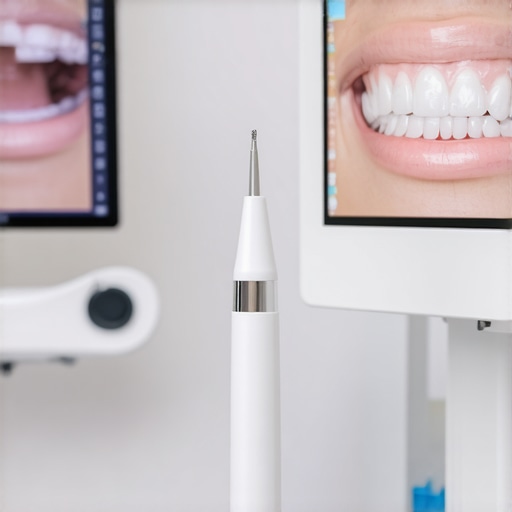
Why Your Dentist Needs a 3D Scan Instead of Gooey Putty
When I recently looked into getting a crown replaced, I insisted on a clinic that uses digital impressions. According to a technical bulletin from Dentsply Sirona, digital intraoral scans provide a level of accuracy within 20 microns—something old-school putty molds simply cannot match. This precision is exactly why your dental implant specialist needs a high-tech scan; it ensures the fit is so perfect that food can’t get trapped in the microscopic gaps that cause decay. If your dentist is still using the ‘goop,’ it might be time to ask about their digital upgrades for your next major restoration.
How do I maintain my cosmetic dental work over a decade?
Consistency is more important than intensity. You don’t need to brush for ten minutes; you need to brush for two minutes, twice a day, with the right pressure. Beyond the brush, you need a professional to look at your work under magnification every six months. This allows them to catch ‘micro-fractures’ in the resin or porcelain before they become full-blown breaks. I also suggest using a non-abrasive, fluoride-rich toothpaste. Avoid anything labeled ‘extra whitening’ with high grit, as it can dull the polish of your cosmetic dentistry solutions over time, making them look flat and unnatural.
What the Future of Porcelain and Resin Looks Like
Looking ahead, I’m incredibly excited about ‘Biomimetic Dentistry.’ This movement, championed by experts like Dr. Pascal Magne, focuses on preserving as much natural tooth as possible and using materials that mimic the exact flex and strength of natural enamel. We are moving away from ‘drilling and filling’ toward ‘bonding and reinforcing.’ You can see this shift in the top cosmetic dentistry trends for 2025, where the goal is no longer just a white smile, but a functionally perfect one. I predict that within the next five years, 3D-printed permanent crowns will be the standard, created right in the office while you wait. If you haven’t yet, I strongly encourage you to ask your dentist about their digital workflow—it truly is the difference between a crown that lasts five years and one that lasts twenty.
What My Dentist Finally Admitted After My Fourth Chip
Looking back at my journey, I realized that cosmetic success isn’t just about what happens in the chair; it is a lifestyle adjustment. First, the composite material is only as durable as the foundation. If your gums aren’t healthy, even the best family dentistry habits won’t save a bond from failing at the margin. Second, I learned that ‘feeling’ a high spot is a dental emergency, not a minor annoyance. If your bite feels off, it is a ticking time bomb for a crack. Lastly, I realized that I was clenching my jaw during work hours, not just at night—mental awareness of your jaw position is the best tool you own. It took me years to realize that the ‘plastic’ feel of bonding requires a different level of respect than natural enamel.
The Arsenal That Keeps My Smile From Cracking
I have narrowed my maintenance down to four non-negotiables that have saved me thousands in repairs over the last five years. I strictly use a pressure-sensing electric toothbrush to ensure I am not scrubbing away the polish of my resin. I also use a water flosser daily to remove debris without the mechanical stress of traditional floss; if you are new to it, here is how to stop your gums from hurting when you use a water flosser effectively. My third tool is a set of reusable glass straws to protect my front teeth from stains, following the logic found in the secret to stopping coffee from staining your new veneers. Finally, my custom-molded night guard is the literal shield that protects my work from the incredible forces of nocturnal grinding.
Your Confidence Deserves a Permanent Home
It is easy to get discouraged when a piece of dental work fails, but do not let one chip stop you from seeking the smile you deserve. Whether you are still weighing the pros and cons of understanding dental crowns or you are ready to explore the top cosmetic dentistry trends for 2025, the technology available today is revolutionary. Your smile is the first thing people see, and investing in high-quality cosmetic dentistry solutions is an investment in your daily confidence and self-worth. If you are ready to make a change that lasts, do not hesitate to contact us to discuss your specific needs. Have you ever been afraid to eat something specific like an apple or a crusty roll because of your dental work? Let me know your ‘fear foods’ in the comments below!