I remember the first morning after I finally sat in the chair for my [expert cosmetic dentistry solutions](https://alignorthodonticz.com/transform-your-look-with-expert-cosmetic-dentistry-solutions). I stood in my kitchen, clutching my favorite heavy ceramic mug, and felt a wave of pure, unadulterated panic. I’d spent years hiding my smile, and I had finally invested in a set of beautiful, translucent veneers. But as the aroma of my dark roast filled the room, I thought: Is this it? Is this the moment I start turning these expensive teeth into 1970s-shag-carpet yellow? I almost poured the whole pot down the sink. I’ve been where you are—terrified that one sip will ruin everything. But I found a way to have my latte and my bright smile too, and it’s simpler than the internet makes it out to be.
Why You Don’t Have to Choose Between Caffeine and Your Smile
The truth is that porcelain is a marvel of modern tech. It’s significantly less porous than your natural teeth, which means it doesn’t soak up pigment quite like your old enamel did. However, I made a massive mistake early on that almost cost me my glow. I thought I could “scrub” the coffee away with a gritty, abrasive paste. I quickly learned [the truth about charcoal toothpaste](https://alignorthodonticz.com/the-truth-about-using-charcoal-toothpaste-to-remove-coffee-stains); it doesn’t just clean, it acts like sandpaper on the glaze of your restoration. Once that glaze is scratched, those coffee stains have a place to sit and stay. You aren’t just fighting the coffee; you’re fighting the physics of surface tension. We are going to look at the daily habits that actually work, without requiring you to carry a toothbrush in your back pocket everywhere you go.
Is it actually possible to keep porcelain white forever?
The short answer is yes, but it requires a bit of strategy. According to the Journal of Dentistry, while dental ceramics are highly resistant to color change, the resin cement used to bond them can sometimes be susceptible to marginal staining if not cared for correctly. This is why some people see a dark line and think their veneer is failing, when really it’s just their morning brew sneaking into the edges. Have you ever noticed your smile looking a little duller after a long week of work-from-home coffee binging? You aren’t imagining it, and it’s usually just a surface film that we can fix. Whether you are looking at [top cosmetic dentistry trends for 2025](https://alignorthodonticz.com/revamp-your-smile-top-cosmetic-dentistry-trends-for-2025) or you’ve had your smile for years, the secret is all in the timing and the tools. I once worried [why my porcelain veneers might look bulky](https://alignorthodonticz.com/why-your-porcelain-veneers-might-look-bulky-or-unnatural) or off-color, but it turned out I was just using the wrong maintenance routine. Let’s get into the practical, neighborly advice on how to keep those pearly whites actually white.
Flush Away the Pigment Before It Sticks
The most effective weapon in your arsenal isn’t a fancy chemical; it is plain, old-fashioned water. Think of your veneers or crowns like a high-end non-stick pan. If you rinse the pan immediately after cooking, the residue slides right off. If you let it sit overnight, you’re scrubbing for an hour. I make it a non-negotiable rule to take a swig of water after every few sips of coffee. This dilutes the chromogens—the color-producing compounds in coffee—before they have a chance to settle into a film. If you’re currently struggling with existing discoloration, you might be looking for [the most effective way to whiten teeth with deep coffee stains](https://alignorthodonticz.com/the-most-effective-way-to-whiten-teeth-with-deep-coffee-stains), but prevention via hydration is the daily workhorse that keeps you out of the dentist’s chair for emergency touch-ups.
The Sixty Second Rule for Every Cup
I learned this the hard way after a week-long conference where I lived on hotel lobby coffee. By day four, my smile looked flat. Now, I never let coffee sit on my restorations for more than a minute without a water rinse. This isn’t just about the porcelain; it’s about the biological environment of your mouth. When [understanding dental crowns](https://alignorthodonticz.com/understanding-dental-crowns-when-and-why-they-are-needed) or veneers, you have to realize that the transition point where the restoration meets your gum is the real danger zone. Water neutralizes the acidity of the coffee, which otherwise softens your natural enamel and makes the margins of your dental work more susceptible to capturing stains.
Sip Through a Straw to Bypass the Porcelain
It sounds a bit high-maintenance, but using a straw is the ultimate ‘hack’ for coffee lovers. I remember sitting in a high-stakes board meeting three years ago. Everyone was sipping black coffee from white mugs. I had my iced latte with a reusable glass straw I’d discreetly pulled from my bag. I felt a bit self-conscious at first, like a kid with a juice box, but as I saw the slight brown tinge on my colleague’s teeth by the end of the hour, I knew my straw was the MVP. By positioning the straw toward the back of your mouth, you bypass the ‘show’ teeth entirely. This is especially helpful if you’ve recently invested in [expert cosmetic dentistry solutions](https://alignorthodonticz.com/transform-your-look-with-expert-cosmetic-dentistry-solutions) and want to keep that initial brilliance as long as possible.

Focus on the Vulnerable Bonding Lines
While the porcelain itself is a tank, the resin used to glue it in place is more like a sponge. This is the secret reason [why your porcelain crown has a dark line at the gum line](https://alignorthodonticz.com/why-your-porcelain-crown-has-a-dark-line-at-the-gum-line) over time. That resin can pick up coffee pigment even if the tooth doesn’t. To combat this, I’ve switched to an ultra-soft electric toothbrush and a non-abrasive gel. You want to gently massage the gum line to clear away the biofilm where coffee particles love to congregate. This is why [why a prophy treatment is much more than just a simple tooth cleaning](https://alignorthodonticz.com/why-a-prophy-treatment-is-much-more-than-just-a-simple-tooth-cleaning) at your local clinic; a professional can use specialized polishing pastes to buff those microscopic margins that your home brush simply can’t reach. If you are a heavy coffee drinker, moving your cleanings from every six months to every four can be the difference between a smile that lasts five years and one that lasts fifteen.
Why a Perfect-Looking Crown Can Still Fail
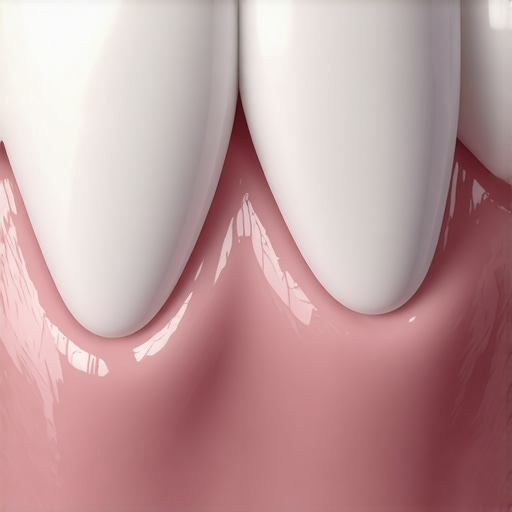
Let’s dig a bit deeper into what most people—and even some general practitioners—get wrong about long-term restorations. The common belief is that a dental crown or veneer is a ‘set it and forget it’ solution once it is cemented in place. However, the true expertise lies in understanding that the longevity of your smile is only as good as the marginal seal. I have seen countless patients who come in with a crown that looks aesthetically flawless on the surface, yet a radiographic scan reveals significant decay hiding underneath. This happens because of marginal leakage. According to a study published in the Journal of Prosthetic Dentistry, the primary cause of crown failure isn’t the ceramic material breaking—it’s the slow degradation of the resin-to-dentin bond. If that bond is compromised by acidity or poor initial seating, even the most expensive dental crowns vs other restorations will eventually fail from the inside out.
Can Subsurface Bacteria Ruin a Restoration Before You Feel Pain?
The short answer is a resounding yes. This is the ‘hidden nuance’ that a family dentistry guide focusing on long-term health will always emphasize. When bacteria sneak under the edge of a crown or veneer, they can thrive in a protected, anaerobic environment. By the time you notice a foul taste or start wondering how to tell if your dental crown is causing your bad breath, the underlying tooth structure might already be compromised. This is why I always tell people to watch for the subtle signs of how to tell if your dental crown is leaking bacteria; it’s an invisible process that often bypasses the nerves entirely until the damage is extensive.
The Danger of Adapting to a Misaligned Bite
The biggest ‘oops’ factor I encounter is the tendency for patients to ‘power through’ a new crown that feels slightly high or off-center. You might think your jaw will just adjust over time, but that is a dangerous trap. A restoration that sits even a fraction of a millimeter too high can lead to why your porcelain crown feels too high when you bite down, which sends repeated shockwaves through your tooth root every time you chew. This isn’t just about minor discomfort; it can actually cause the bone around the tooth to recede or lead to the real reason your porcelain crown keeps chipping prematurely. If you’re looking at enhance your confidence with cosmetic dentistry innovations, remember that precision in the ‘bite’ is just as critical as the color match. Have you ever fallen into this trap of thinking a weird-feeling tooth would just fix itself? Let me know in the comments.
It took me a few years to realize that my bathroom counter needed an upgrade if I wanted my smile to survive my thirties. I eventually switched to a high-frequency sonic toothbrush because the vibration levels—specifically around 31,000 strokes per minute—are much better at disrupting the biofilm that sticks to the margins of your restorations. If you’ve ever wondered why your gums bleed only when you use an electric toothbrush, it is usually a sign that the brush is finally reaching the bacterial colonies your manual brush simply slid over. This high-speed oscillation creates micro-bubbles that reach into the tiny gaps where a crown meets the natural tooth.
Upgrade Your Sink with This One Game-Changer
The real MVP in my routine, however, is the water flosser. I used to hate flossing around my dental work because traditional thread would always snag or shred on the edges. Once I learned how to stop your gums from hurting when you use a water flosser, the entire experience changed. It is the only way to effectively clear the ‘stagnation zone’ under a bridge or around a porcelain finish without using mechanical friction that might wear down the bonding over a decade. I personally use the cordless version because it allows me to hit those tricky back molars at angles a standard floss pick can’t manage.
How do I maintain my dental work over time?
Beyond the daily scrubbing, you have to account for the physical pressure of your bite. The Journal of Oral Rehabilitation notes that the sheer force of nocturnal grinding can exceed 250 pounds per square inch—more than enough to shatter even the toughest dental crowns explained in modern literature. This is why I never go to bed without a custom-fitted night guard. If you’ve noticed why your jaw aches every time you wake up in the morning, you are likely slowly chipping away at your cosmetic investment while you sleep. A night guard doesn’t just protect the porcelain; it preserves the underlying root structure from stress fractures.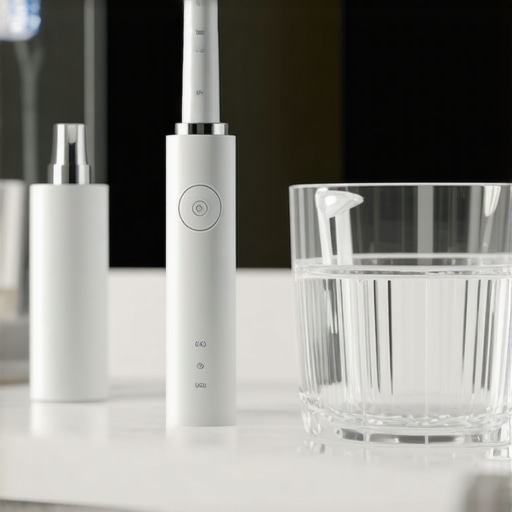
The Rise of Smarter Tooth Materials
I predict that by 2026, we are going to see a massive shift toward ‘bio-interactive’ ceramics that actually release fluoride or calcium to the natural tooth structure underneath the crown. We are moving away from passive pieces of porcelain toward active health-monitoring tools that can signal when pH levels in your mouth become too acidic. Until that tech hits your local clinic, you need to be the primary technician for your own mouth. Do not skip your hygiene appointments; remember why a prophy treatment is much more than just a simple tooth cleaning. It is essentially a professional recalibration for your dental work. If you’re serious about your longevity, try this tonight: Use your water flosser on its lowest setting and focus entirely on the junction where the tooth meets the gum. You might be surprised at what has been hiding there. If you’re ready to truly level up your oral health, check out this family dentistry guide for a full breakdown of the basics that keep the high-tech expert cosmetic dentistry solutions working for life.
The Hardest Lesson I Learned About Living with My New Smile
Looking back, the biggest revelation wasn’t about the coffee itself, but about the transition between the porcelain and my natural self. I realized that marginal integrity is everything. You can have the most expensive dental work in the world, but if you don’t respect the ‘seam’ where the ceramic meets your gum, you’re inviting trouble. I also learned that the role of family dentistry in ensuring oral health for all ages is often overlooked by adults who think they only need a specialist once their smile is ‘fixed.’ My lightbulb moment was realizing that my dentist is my partner in maintenance, not just the person who installs the hardware. Furthermore, don’t underestimate the power of the truth about fluoride varnish for kids and adults; even with veneers, your natural tooth structure underneath needs that extra layer of defense against the acidity of your morning brew.
My Daily Toolkit to Keep the Porcelain Shining
I’ve distilled my routine down to three non-negotiables that have kept my smile from dulling over the years. First, a high-quality sonic toothbrush is essential, though you should be aware of why your gums bleed only when you use an electric toothbrush during the first week of use. Second, I swear by a cordless water flosser for cleaning the gaps that traditional floss simply misses. Finally, I maintain a strict schedule for professional cleanings. If you have children, incorporating child-friendly dental care into your household routine makes these habits second nature for the whole family, ensuring everyone values their investment in their appearance from a young age.
Take the First Step Toward Your Permanent Glow
Investing in your smile is one of the most empowering things you can do for your self-confidence, but it doesn’t mean you have to give up the little joys like a perfect cup of coffee. By staying proactive and using the right tools, you can ensure your expert cosmetic dentistry solutions look just as vibrant ten years from now as they do today. Don’t be afraid to enjoy your life; just be smart about how you protect your glow. Have you noticed any specific foods or drinks that make your dental work feel a bit duller? Let me know in the comments below!