I was halfway through a perfectly seared ribeye—the kind you wait all week for—when I felt a sudden ‘pop’ followed by a terrifyingly smooth sensation where my molar used to be. I didn’t even have to look; I knew exactly what happened. My temporary crown had decided to join the party on my plate. If you’ve ever sat there at a restaurant, trying to discreetly fish a piece of dental work out of your mouth while your spouse looks on in horror, you know the instant panic that sets in. I’ve been there, and trust me, the worst thing you can do is let that panic dictate your next move. Maybe you’re worried about the exposed tooth, or maybe you’re just embarrassed about the gap in your smile. Whatever it is, I promise you aren’t the first person this has happened to, and you certainly won’t be the last. Today, we’re going to talk about exactly how to handle this dinner-table disaster so you don’t end up back in the family dentist’s chair sooner than planned. [image_placeholder_1]
Stop Everything and Find the Crown
The very first thing I did—and I’m embarrassed to admit this—was consider just leaving it out and finishing my meal. Big mistake. I once ignored a loose crown for a weekend because I was too busy with work, and I ended up with such sensitivity that even breathing cold air felt like a lightning bolt to the jaw. If your temporary crown falls off, you need to find it, rinse it, and keep it safe. Don’t wrap it in a napkin and leave it on the table; that is a one-way ticket to the trash compactor. These little caps are the ultimate solution for damaged teeth while your permanent one is being made, and they serve a vital purpose: keeping your other teeth from shifting and protecting the delicate nerves inside. Have you ever had a crown pop off at the worst possible moment? It’s almost a rite of passage for anyone undergoing cosmetic dentistry. The key is to act quickly but calmly. First, carefully clean the crown with a soft toothbrush and some cool water. Check the tooth in your mouth too; if there’s a big chunk of old cement still stuck there, it might prevent the crown from sliding back on properly.
Do You Really Need to Rush to the Emergency Room?
It’s easy to think this is a code-red situation, but usually, it’s just a nuisance. According to the American Dental Association, a lost crown is rarely a true medical emergency, though it does require prompt attention to protect the underlying structure from bacteria and decay. You might wonder why your temporary crown keeps falling off in the first place, but the truth is they are held in by ‘weak’ cement on purpose so the dentist can remove them easily later. My biggest blunder early on was thinking I could ‘fix’ it myself with a drop of super glue from the junk drawer. Please, for the love of your enamel, do not do that. Household adhesives contain chemicals that aren’t meant for your mouth and can damage the tooth and make it nearly impossible for the dentist to clean off later. Instead, we’re going to look at the safe, temporary fixes you can use right now, like dental wax or over-the-counter temporary cement. Knowing when and why they are needed helps you realize that while the temp is temporary, the protection it provides is non-negotiable for your long-term health.
Perform a Dry Fit to Save Your Sanity
Before you even think about adhesive, you need to do a ‘dry fit.’ Think of this like testing a puzzle piece before you glue it into a frame. I remember the time I tried to skip the cleaning step. There was a tiny piece of bread crust stuck inside the crown. I pressed down, felt a sharp pinch, and realized I’d basically been trying to jam a square peg into a round hole. It didn’t seat right, and my bite felt like I was chewing on a marble. Now, I always make sure both the crown and the tooth are bone-dry using a cotton swab. Gently place the crown over the tooth to see if it seats naturally. If it feels lopsided or won’t go down all the way, don’t force it. Forcing a crown can lead to trapping bacteria or even cracking the remaining tooth structure. If it fits perfectly, you’re ready for the next step. If it doesn’t, just keep the crown safe in a plastic bag and skip ahead to the ‘soft foods’ protocol. 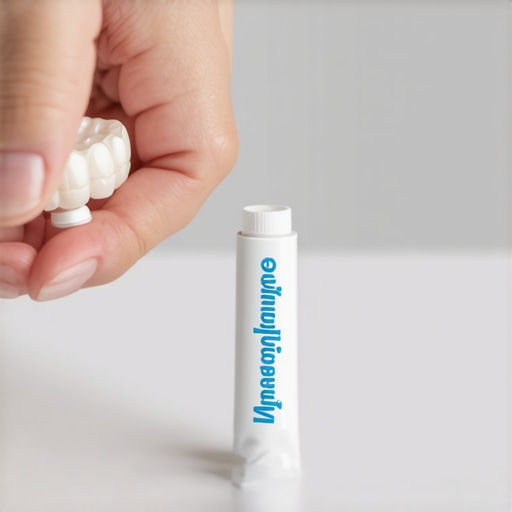
Pick the Right Adhesive at the Drugstore
You don’t need a degree in family dentistry to handle a quick fix, but you do need the right supplies. Head to any pharmacy and look for a temporary tooth repair kit. These usually contain a zinc oxide-based cement that mimics what your dentist uses, just in a weaker, consumer-grade version. If you can’t get to a store, a tiny dab of plain toothpaste or even denture adhesive can work in a pinch. The goal isn’t a permanent bond; it’s simply to create enough friction to keep the crown from sliding off while you talk. My biggest mistake early on was using too much cement. I globbed it on like I was icing a cupcake, and when I bit down, the excess squeezed out and stuck to my gums, making everything feel sticky and irritated. Use a toothpick to apply a very thin layer around the inner rim of the crown only. This is one of those times where less is definitely more.
Eat Like a Toddler Until You See the Dentist
Once the crown is back on, you have to treat it like a fragile heirloom. This isn’t the time to test out dental crowns vs other restorations by eating a bag of beef jerky. Stick to soft foods like yogurt, mashed potatoes, or soup. I once made the mistake of thinking a piece of toasted sourdough was ‘soft enough’ only to have the crown feel loose after the very first bite. Avoid anything sticky like caramel or gummy vitamins, which act like a vacuum and will pull that temporary cap right back off. Also, when you brush your teeth, be incredibly gentle around that area. If you need to floss, don’t pull the floss back up through the teeth; instead, let go of one end and pull it out sideways through the gap. This prevents you from accidentally ‘hooking’ the edge of the crown and yanking it out. This level of care is essential for maintaining your cosmetic dentistry results until your permanent crown is ready for its debut.Most people assume that when a temporary crown pops off, it’s simply because the dentist used ‘cheap’ cement. That is the first big myth we need to bust. In my experience, and backed by clinical observations in the Journal of Prosthetic Dentistry, the failure of a temporary restoration is often a diagnostic ‘canary in the coal mine.’ It frequently points to an underlying issue with your occlusion—how your teeth meet—or nocturnal bruxism that you might not even know you have. If you find yourself constantly wondering why your temporary crown keeps falling off, it might not be the glue; it might be your jaw. Many patients fall into the trap of thinking a crown—whether temporary or permanent—is a suit of armor that makes the tooth indestructible. This is a dangerous misconception in family dentistry. The margin where the crown meets your natural tooth is actually a magnet for plaque. If that margin isn’t perfectly sealed, you risk trapping bacteria, which can lead to a ‘silent’ cavity underneath the restoration. I’ve seen cases where a patient ignored a slightly loose crown for months, only to find the entire tooth structure had softened like mush underneath. It’s a nightmare scenario that turns a simple crown into a potential root canal or extraction. 
Can Stress at Work Actually Sabotage Your New Smile?
The short answer is a resounding yes. We often look at cosmetic dentistry through the lens of aesthetics, but the biology of your mouth doesn’t care how white your teeth are. If you are going through a high-stress period, you are likely clenching your jaw, especially at night. This lateral pressure creates ‘shear force’ that snaps the bond of temporary cement. While we focus on revamp your smile top cosmetic dentistry trends for 2025, we often forget that the foundation—your gum health and bone structure—must be stable first. Another nuance people miss is the ‘micro-gap.’ Even the best dental crowns can experience microleakage over time if you aren’t careful with your hygiene. I once met someone who thought they could skip flossing because ‘it’s not a real tooth anymore.’ That’s the quickest way to end up back in the chair for dental crowns vs other restorations. The reality is that your prosthetic requires more attention than your natural teeth, not less. Have you ever fallen into the ‘indestructible tooth’ trap and ended up with a surprise bill? Let me know in the comments below; I’d love to hear your story and help you avoid the same mistakes I made.
The High-Tech Toolkit for Your Restored Smile
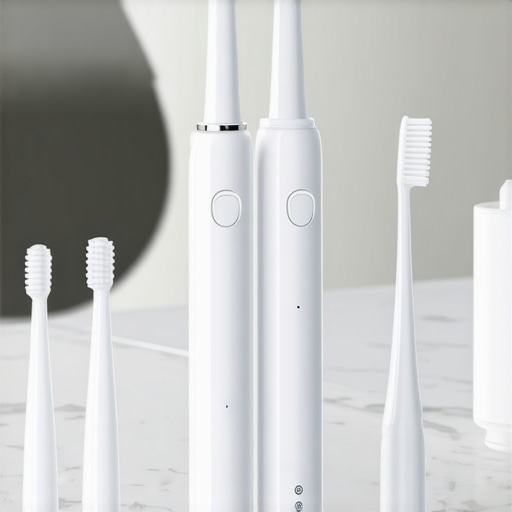
I’ve spent way too much time in the family dentist’s chair to let my investment go to waste, so I’ve become a bit of a gear-head when it comes to oral hygiene. If you’re still relying on a five-cent plastic toothbrush from a checkout lane, you’re essentially trying to maintain a Ferrari with a kitchen sponge. I personally swear by the Waterpik Aquarius Professional. I use it every night because it flushes out the micro-debris that settles right at the gumline—the exact spot where trapping bacteria becomes a major risk for your new crown. Unlike traditional floss, which can sometimes snag on the edge of a temporary restoration, the pressurized water stream cleans effectively without physical pulling. I also recommend picking up a pack of GUM Proxabrush interdental cleaners. These tiny ‘pipe cleaners’ for your teeth are the only tools I’ve found that truly scrub the concave surfaces of your molars where dental crowns vs other restorations often fail due to plaque buildup. These are non-negotiable tools if you want to move beyond basic survival and into true long-term success.
How Can I Keep My Crown Healthy for the Long Haul?
Maintenance isn’t just about what you do in the morning; it’s about the environment you create in your mouth. According to a clinical meta-analysis by the Cochrane Oral Health Group, oscillating-rotating electric toothbrushes provide a statistically significant reduction in both plaque and gingivitis compared to manual brushing over both short and long terms. This is why I transitioned to the Oral-B Genius series; it has a pressure sensor that flashes red if I’m pressing too hard, which is vital for protecting the delicate porcelain used in cosmetic dentistry. If you are a ‘heavy brusher,’ you are literally scrubbing away the glaze on your crowns. Another pro tip is to use a pH-neutralizing mouth rinse. Most over-the-counter washes are surprisingly acidic, which can erode the cement over years. Look for something containing xylitol to keep the oral biome balanced. If you use a night guard to protect your work, make sure you know the best way to clean your night guard so you aren’t introducing harmful pathogens back into your mouth every evening. This level of detail is what separates a crown that lasts five years from one that lasts twenty.
The Future of At-Home Dental Monitoring
Looking ahead, the world of family dentistry is about to get a major digital upgrade. I predict that within the next five years, we’ll see AI-powered smartphone attachments that allow patients to take high-resolution ‘dental selfies’ to scan for marginal leakage or early signs of grinding your teeth before you even feel pain. We are already seeing cosmetic dentistry innovations to watch like 3D-printed permanent crowns that are tougher than natural enamel. However, no matter how ‘smart’ the tech gets, the biological foundation remains the same. Staying ahead of the curve means being proactive. While we wait for revamp your smile top cosmetic dentistry trends for 2025 to become the standard, your best bet is to master the basics with professional-grade tools. My challenge to you: Go grab a pack of interdental brushes today and use them at the margin of your crown tonight. You will be shocked—and maybe a little disgusted—at what your regular floss has been leaving behind. Trust me, your future self will thank you for the two minutes of extra effort.
Hard-Won Lessons from My Own Dental Mishaps
I’ve realized that the ‘wait and see’ approach is the most expensive mistake you can make. If a crown feels off, your body is usually right. I once tried to ignore a slight wiggle in a crown and ended up needing a much more intensive procedure than a simple re-cementing. Also, remember that while you are in the middle of cosmetic dentistry, your temporary isn’t just for looks—it’s a placeholder that prevents your teeth from shifting into positions that would ruin the fit of your final porcelain piece. Finally, don’t underestimate the role of stress. If you are clenching your jaw at night, even the best dental crowns are under immense pressure.
Tools That Keep Me Out of the Emergency Chair
To avoid a repeat of my steak-dinner disaster, I’ve built a specific toolkit that I recommend to everyone going through the dental crown process. First, always have a temporary dental cement kit in your travel bag—it is a lifesaver when you are away from your local clinic. Second, I cannot recommend a pressurized water flosser enough; it’s the gold standard for preventing the buildup that leads to trapping bacteria. Lastly, if you use a protective appliance, make sure you know the best way to clean your night guard to ensure you aren’t breeding harmful germs right against your new restoration.
#IMAGE_PLACEHOLDER_FINAL#
Your Path to a Confident, Permanent Smile
It’s easy to feel frustrated when a dental prosthetic fails, but think of it as a brief detour on your journey to a healthier mouth. Your dentist is your partner in this, and by following these steps, you’ve turned a potential crisis into a manageable bump in the road. Family dentistry is about long-term maintenance, and the habits you build now while caring for a temporary crown will serve you for decades with your permanent one. Keep your chin up, keep that crown safe, and you’ll be back to enjoying your favorite meals in no time. Have you ever had a dental emergency strike at the worst possible time—like in the middle of a date or a big meeting? Let me know your story below!