I woke up one morning, reached for my night guard, and nearly gagged. It wasn’t just a faint scent; it was a full-blown olfactory assault. I’d been rinsing it every single morning, yet there it was—cloudy, yellowing, and smelling like a damp locker room. I felt like I was failing at basic hygiene. If you’ve ever wondered why your breath smells like sulfur even after brushing, the culprit might be that piece of plastic sitting on your nightstand. I realized then that my quick rinse was just moving bacteria around, not removing it. We invest so much in family dentistry and keeping our teeth straight, but we often ignore the very thing protecting our smile at night. Today, I’m sharing the hard-won secrets to keeping your appliance fresh, clear, and odor-free so you can wake up feeling refreshed instead of repulsed. [IMAGE_PLACEHOLDER]
Stop Rinsing and Start Actually Sanitizing
For the longest time, I made the classic rookie mistake: I thought hot water was the answer. I figured if it works for dishes, it works for dental guards. I was very wrong. I ended up warping my expensive guard, a mistake that sent me straight back to the dentist for an emergency replacement. It turns out that cleaning a night guard without harsh chemicals requires a bit more finesse than just a scalding tap. According to a study in the Journal of Clinical Dentistry, dental appliances can host up to 50 percent more biofilm than natural teeth if not properly managed. That biofilm is exactly what causes that persistent, funky odor. Have you ever noticed a white, chalky residue on your guard that just won’t budge? That’s not just old spit—it’s calcified plaque, and it’s a breeding ground for smells. Have you ever reached for your night guard and felt a wave of nausea from the smell?
Is it actually possible to keep it smelling like nothing at all?
Many people think that a stinky guard is just the price you pay for not grinding your teeth into dust. They assume that after a few months, it’s destined for the trash. I’m here to tell you that’s a myth. You don’t need a chemistry lab in your bathroom to get results. By shifting from a rinse and forget mentality to a structured morning routine, you can save your enamel and your dignity. We often focus on how to stop clenching your jaw, but learning to maintain the tools that help us is just as vital for long-term oral health. Let’s dive into why your current method might be failing you and how to fix it before the smell becomes permanent.
Scrub Away the Invisible Slime Every Morning
Every morning, your first instinct is likely to toss that guard into its case and forget it exists until bedtime. Don’t do that. Think of your night guard like a sponge; if you don’t squeeze out the dirty water, it just rots. You need to use a dedicated soft-bristled toothbrush. I made the mistake of using my medium-bristled scrub brush once, thinking more friction meant more clean. Instead, I created microscopic scratches that became the perfect high-rise apartments for bacteria. Use a non-abrasive soap or a tiny dab of non-whitening toothpaste. You want to gently sweep away the surface biofilm before it has the chance to harden into tartar. This is the same principle we use in family dentistry to prevent cavities: consistent, gentle removal of debris is better than aggressive, occasional cleaning. 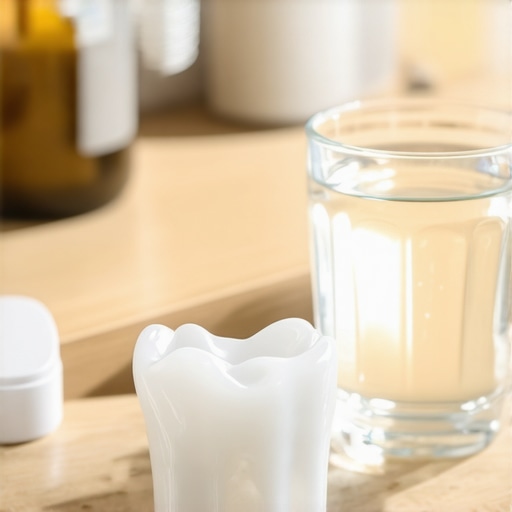
The Ten-Minute Soak That Actually Works
Once a week, your guard needs a deep dive. I remember a particularly humid summer when my guard started developing these tiny black dots. I panicked, thinking it was permanent damage. I tried a 50/50 mix of distilled white vinegar and water. The vinegar breaks down the calcium deposits that make the guard look cloudy. If you have ever dealt with clear aligners that have turned yellow, you know that once that tint sets in, it’s a battle to get it back to crystal clear. Soak it for ten minutes—no longer, or you risk degrading the plastic—then rinse thoroughly. If the vinegar smell is too much, a follow-up soak in a baking soda solution neutralizes the acidity and the odor.
Why Bone-Dry is the Only Way to Store
The biggest mistake I ever made was putting my guard away while it was still damp. I came back that night to find a thin layer of ‘pink slime’—Serratia marcescens—growing in the corner of the case. It was a disgusting wake-up call. Bacteria crave moisture. After cleaning, lay your guard on a clean, dry microfiber towel. Do not snap that case shut until the guard is completely dry to the touch. It’s like dental crowns; you wouldn’t want a dentist to seal a crown over a moist, decaying tooth base. You need a clean, dry environment for success.
Check for Physical Damage Before It Bites Back
While you are cleaning, look for cracks or deep grooves. If you are a heavy grinder, you might actually be chewing through the material. A compromised guard isn’t just less effective; it can trap bacteria so deep that no amount of vinegar will reach it. This is why keeping your aligners from getting cloudy is about more than just aesthetics—it’s about structural integrity. If you see deep pits, it might be time to call your dentist for a replacement before the guard starts irritating your gums or causing an infection.
The Dangerous Myth of the Permanent Fix
Just as your night guard requires more than a simple rinse to stay functional, your permanent dental restorations require a level of scrutiny that many people overlook. Most patients walk out of a clinic believing that once a tooth is capped, it’s armored for life. This is the single biggest misconception in modern family dentistry. While the porcelain or composite material itself won’t decay, the natural tooth structure tucked underneath is often more vulnerable than it was before the procedure. If you don’t maintain the interface where the restoration meets the gum, you will eventually need to know how to tell if your crown is leaking and trapping bacteria. I’ve seen patients ignore a slight ‘twinge’ for months because they assumed the crown made them invincible, only to find that the entire core of the tooth had softened into a mush of decay. This ‘Oops’ factor is a direct result of treating restorations as a ‘set it and forget it’ solution. 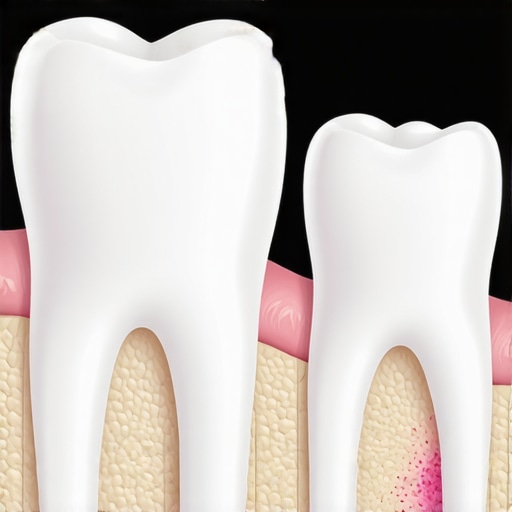
Look Closely at the Margin or Lose the Tooth
The real battle for your dental health happens at the ‘margin’—the microscopic line where your crown or veneer meets your natural tooth. Everyone talks about revamping your smile with the latest aesthetic trends, but the most sophisticated cosmetic dentistry solutions focus on the bio-mechanics of this seal. In my experience, a ‘leaky’ margin is the silent killer of expensive dental work. According to research published in the Journal of Prosthetic Dentistry, the primary cause of crown failure isn’t the material breaking; it’s secondary caries forming at the very edge of the restoration. This is why understanding dental crowns requires looking past the shiny surface and focusing on the fit. If you notice a dark line at the gum or a persistent sour taste, that’s not just aging—it’s a biological warning sign that the seal has been compromised. Many think cosmetic work is purely for vanity, but cosmetic dentistry innovations now allow us to rebuild the height of worn-down teeth, which can actually correct a misaligned bite.
Why does my crown feel loose when I’m only chewing soft food?
If you feel a slight ‘tug’ or movement while eating, the internal cement has likely failed. This creates a micro-vacuum that pulls bacteria directly into the most sensitive part of your tooth. You might discover that the real reason your crown feels loose when you chew gum is that the tooth structure underneath has slightly changed shape due to pressure or hidden decay. Waiting even a week to address this can mean the difference between a simple re-cementing and a full extraction. If you feel that shift, find a trusted dentist immediately to evaluate the bond. Have you ever fallen into this trap of thinking a crown was a permanent shield? Let me know in the comments.I’ve learned that maintaining a high-end smile isn’t about working harder; it’s about working smarter with the right tech. After years of trial and error, I’ve realized that my manual toothbrush was actually my own worst enemy when it came to protecting my expensive porcelain work. If you want to protect your investment, you need a toolkit that accounts for the precision of modern restorations.
Get the Right Tools Before Your Enamel Fails
Most people assume a toothbrush is just a toothbrush, but when you have crowns or veneers, the pressure you apply is critical. I switched to an electric brush with a built-in pressure sensor specifically to avoid the damage I was doing to my gum line. If you are wondering about the truth about how often you really need to replace your toothbrush, the answer is usually sooner than you think—especially once the bristles lose their structural integrity and start splaying. When bristles splay, they stop cleaning the margin of the crown and start scrubbing your gums raw. This leads to recession, which exposes the natural root and creates a new entry point for decay. I personally use a brush that vibrates at a high frequency because it creates micro-bubbles that reach into the tiny gaps where a standard bristle simply can’t fit. You should check how to tell if your gum recession is caused by brushing too hard to ensure you aren’t accidentally destroying your work while trying to save it.
Why Conical Brushes Beat Floss Every Time
Flossing is great, but for anyone with a bridge or multiple crowns, it’s often insufficient. I’ve started using conical interdental brushes. Unlike flat floss, these tiny brushes expand to fill the irregular gaps between a natural tooth and a restoration. This is vital when considering dental crowns vs other restorations; the way you clean a crown is different from how you clean a filling. According to the Clinicians Report, founded by Dr. Gordon J. Christensen, the longevity of zirconia and porcelain restorations is significantly higher when the patient utilizes mechanical disruption of biofilm at the gingival margin daily. In simple terms: if you don’t scrub that specific line where the tooth meets the gum with a specialized tool, you’re just waiting for a failure. I recommend the ‘twist and pull’ method with a size-appropriate interdental brush once every evening. 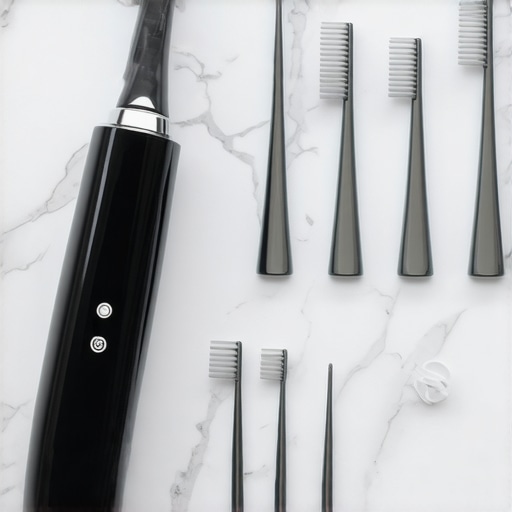
How do I maintain my dental work over the next decade?
Long-term success is about consistency and the evolution of your routine. We are moving toward a future where ‘smart’ dental tools will actually analyze the pH of your saliva in real-time to alert you of potential decay before it becomes a cavity. In the meantime, you need to stay ahead of the curve by looking at revamp your smile top cosmetic dentistry trends for 2025 to see how new materials are making restorations even more durable. Whether it’s the secret to making your dental bonding last more than five years or keeping a crown for twenty, the secret is always in the tools you use at 11 PM when no one is watching. Even when teaching the little ones, following caring for your childs teeth essential family dentistry tips ensures the whole household builds these habits together. I challenge you to swap your standard floss for a pack of interdental brushes for just one week; you’ll be shocked—and maybe a little grossed out—at what the floss was leaving behind.
Three Hard Truths About Living With Dental Restorations
[IMAGE_PLACEHOLDER]
After years of navigating the world of professional dental work, I have realized that the price you pay for a crown or veneer does not guarantee permanence. A restoration is only as durable as the tooth structure supporting it. I learned the hard way that assuming a crown was ‘armored’ led to a false sense of security, which eventually resulted in a very expensive replacement. Another realization was that the ‘clean’ feeling we crave can be deceptive. Just because your night guard looks white doesn’t mean sulfur-producing bacteria aren’t nesting in the microscopic pores of the plastic. Finally, your dentist should be viewed as a proactive partner, not just a technician you see when something breaks. Early detection at the margin can save you thousands of dollars and hours of discomfort in the long run.
The Exact Toolkit I Use Every Night
To keep my mouth feeling fresh and my dental work secure, I have curated a specific kit that goes beyond the standard drugstore aisle. I swear by a compact sonic cleaner for my night guard; the high-frequency vibrations dislodge biofilm that manual scrubbing simply cannot reach. I also keep a close eye on revamp your smile top cosmetic dentistry trends for 2025 to understand how newer, more biocompatible materials might benefit me in the future. For the younger members of the household, focusing on child-friendly dental care the foundation of good oral health has been a game-changer in preventing the need for complex restorations later in life. Having these specialized tools removes the guesswork and makes my nightly routine feel like a high-end spa treatment rather than a chore.
Ready for a Fresh Start Tomorrow Morning?
Taking these steps to sanitize your appliance and monitor your dental margins isn’t just about avoiding a bad smell—it is about the confidence of knowing your smile is fundamentally healthy. Whether you are currently researching dental crowns explained the ultimate solution for damaged teeth or you are simply trying to preserve your natural enamel, consistency is your most powerful ally. In the broad scope of the role of family dentistry in ensuring oral health for all ages, it is the small, daily habits that define the longevity of your smile. Commit to a deep-clean routine tonight, and you will notice the difference before you even finish your first cup of coffee tomorrow. Have you ever noticed a strange metallic taste or a persistent odor near an old crown? Let me know your experience in the comments below.