I was sitting at a fancy anniversary dinner, midway through a piece of warm sourdough bread, when I felt it. That sickening, metallic clink against my fork. It wasn’t a pebble. It was my temporary crown. I spent the rest of the evening nervously rolling that tiny plastic cap around in my mouth with my tongue, praying I wouldn’t accidentally swallow it or let anyone see the jagged tooth nub hiding underneath. It was humiliating, frustrating, and, frankly, I felt like my dentist had just given me a piece of expensive LEGO held on by a prayer. If you have ever experienced that sudden panic of a crown letting go at the worst possible moment, believe me, I have been in those exact same shoes. We go through these expert cosmetic dentistry solutions to feel better about our smiles, not to worry about them falling apart during an appetizer.
The Real Reason Your Crown Feels Like It Is Barely Hanging On
The truth is, temporary crowns are designed to be temporary. I know that sounds obvious, but it is a realization I had to come to after my third ‘pop-off’ incident. When I first started my journey into understanding dental crowns, I assumed the cement was like superglue. I was wrong. I made the classic mistake of thinking I could treat my temp just like my regular teeth. I chomped on gummy bears and used my back molars to rip open packaging. Big mistake. The cement used for these interim caps is purposefully weak so that your dentist can pop it off easily when your permanent, custom-made porcelain one arrives. According to the American Dental Association, this ‘temporary’ nature is vital to protect the health of the underlying tooth while ensuring the final restoration can be placed without a struggle. Today, I am going to walk you through exactly why these little guys fail and how you can actually make it to your final appointment with your dignity (and your cap) intact.
Is a missing temporary crown actually worth the panic?
You might be tempted to just leave it off if it falls out a few days before your next visit. I certainly thought about it! But here is the catch: your teeth are surprisingly mobile. Without that temporary crown holding the space, your neighboring teeth can actually start to shift, which might make your permanent crown fit poorly. Plus, that exposed tooth is often incredibly sensitive to hot and cold. I learned the hard way how to stop a temporary crown from popping off during dinner by simply changing how I chewed, but if it does happen, you need a plan. Have you ever had a crown fall out at the absolute worst possible time? Let me know in the comments, because I suspect I am not the only one who has had to ‘glue’ a tooth back in using drugstore paste at a gas station. It is a rite of passage for many of us seeking a better smile through cosmetic dentistry trends, but it doesn’t have to be your reality for the next two weeks.
Manage Your Menu Like a Pro
Think of your temporary crown as a delicate placeholder rather than a fully functional tooth. While dental crowns explained as permanent solutions are incredibly tough, the interim version is held on by cement that has the structural integrity of a sticky note. To keep it in place, you need to avoid ‘The Sticky Trio’: gummy bears, taffy, and thick caramel. I remember one Tuesday night in a cramped motel room when I thought a single gummy worm wouldn’t hurt. One chew later, I was staring at my bare tooth in the bathroom mirror. If you must eat something chewy, shift the work to the opposite side of your mouth. Hard foods like raw carrots or ice cubes are also off-limits, as they can crack the thin acrylic used for temporaries. It is much better to stick to soft proteins and cooked vegetables for these two weeks than to end up back in the chair for an emergency re-cementing. This kind of preventative maintenance is a core principle of family dentistry, where we learn that protecting current work is just as important as the procedure itself.
Master the Art of the Side-Pull Floss
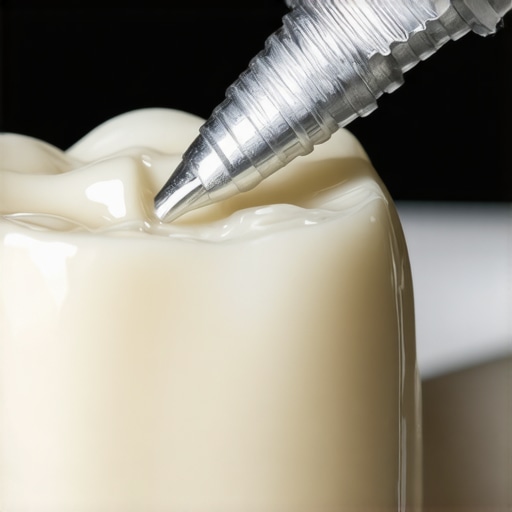
Standard flossing can be the absolute nemesis of a temporary crown. Most of us are taught to pull the floss back up through the contact point once we are done cleaning between the teeth. With a temporary, that upward motion acts like a mini-crowbar, catching the edge of the cap and popping it right off. Instead, you need to use the ‘release and pull’ method. After you have cleaned the area, let go of one end of the floss and pull it through horizontally toward your cheek. This prevents any vertical tension on the crown. I started doing this religiously after my second crown failure, and it made a world of difference. It feels awkward at first, almost like you’re threading a needle in reverse, but it ensures you keep the area clean without risking a trip back to the dentist before your permanent porcelain arrives. Keeping the margins clean is vital, because you still need to how to tell if your crown is leaking and trapping bacteria, which can happen if plaque builds up around the temporary seal.
The Emergency Toolkit for Your Nightstand
If the worst happens and the crown does pop off, do not panic and do not try to use superglue. I once knew someone who tried that and ended up needing a much more expensive repair because the glue damaged the underlying tooth structure. Instead, keep a small tube of over-the-counter dental cement or even just some plain unscented denture adhesive in your medicine cabinet. If the crown is intact, gently clean the inside with a wet Q-tip, dry your tooth as much as possible with a paper towel, and apply a tiny dot of the temporary adhesive. Slide it back on and bite down gently to ensure it is seated correctly. This is a temporary fix meant to get you through the night or a weekend. It is the same logic used when you need to know the best way to store a lost filling until you reach the clinic—the goal is protection and stability until a professional can take over. Once you have it back in place, avoid chewing on that side entirely until your actual appointment.
Once you have it back in place, avoid chewing on that side entirely until your actual appointment.
Don’t Just ‘Get Used’ to a High Bite
One of the biggest mistakes I see—and I’ve been guilty of this myself—is the belief that you just need to ‘break in’ a new crown like a pair of leather boots. If you feel like your teeth are hitting that temporary cap first when you close your mouth, that is a major red flag. This isn’t just about discomfort. A ‘high’ crown puts excessive force on the periodontal ligament, the microscopic fibers that hold your tooth in its socket. If left unaddressed, this can lead to acute inflammation and even make the tooth feel loose. I’ve learned that why your porcelain crown feels too high when you bite down is usually a matter of micrometers that need to be professionally adjusted, not a lack of effort on your part to adapt. Have you ever fallen into this trap and hoped the pain would just go away? Let me know in the comments. 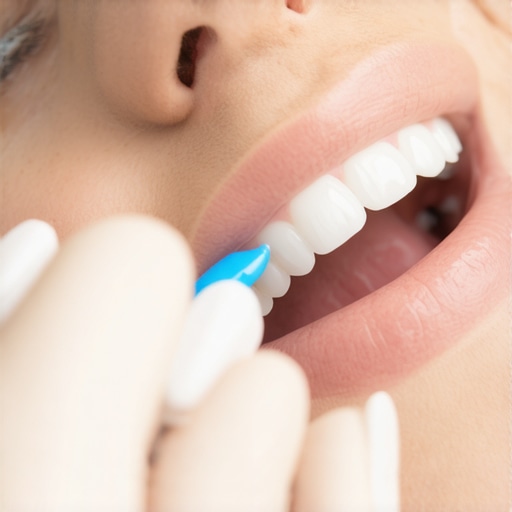
Why Does My Bite Shift So Fast Without a Temporary?
There is a common myth in expert cosmetic dentistry solutions that a few days without a cap won’t hurt. However, the phenomenon of mesial drift means your teeth are constantly under a slight biological pressure to move forward. According to a study published in the Journal of Prosthetic Dentistry, the stability of the dental arch depends heavily on these interproximal contact points; even a 48-hour absence of a contact can allow neighboring teeth to tilt. This is the ‘hidden nuance’ that makes the temporary so vital. If the space closes by even a hair, your expensive, custom-made permanent crown won’t seat properly. If you find yourself in this situation, you need to know how to stop teeth from shifting after losing a back molar or any other tooth involved in a restoration.
The Real Danger of a Leaking Margin
Another advanced mistake is assuming that as long as the crown is on, the tooth is safe. In reality, the seal on a temporary is purposefully porous. If you notice a persistent foul taste or sudden sensitivity to sugar, you might be dealing with a ‘leaking’ margin. It is crucial to understand how to tell if your crown is leaking and trapping bacteria because that bacteria can cause decay on the ‘stump’ of your natural tooth in as little as two weeks. This is why family dentistry emphasizes that maintenance is a team effort. While you’re waiting, it’s easy to get distracted by cosmetic dentistry innovations to watch, but the real work is happening in the micro-environment of your gum line. Understanding dental crowns means realizing that the biological health under the porcelain is what keeps your smile truly resilient. When debating dental crowns vs other restorations which is right for you, consider the commitment required during this transition. Staying ahead of cosmetic dentistry trends means protecting the foundation before you admire the view.I didn’t realize how much the right tools mattered until I saw the invoice for my second replacement crown. If you want to avoid a repeat performance, you need to upgrade your bathroom counter. Personally, I never skip using a TePe interdental brush. Unlike standard floss, which can sometimes miss the ‘coved’ areas near the gum line of a crown, these tiny brushes scrub the margin directly. It is the same level of detail we teach when looking at child-friendly dental care—establishing the right habits early saves a fortune later. I also swear by an electric toothbrush with a pressure sensor. I used to be a ‘scrubber,’ which is a fast track to how to tell if your gum recession is caused by brushing too hard. Now, the light turns red if I am being too aggressive with my porcelain work. Thinking about the future, I am convinced that the ‘waiting game’ for crowns is nearly over. We are moving toward a world of instant gratification in the dental chair. According to technical documentation from Dentsply Sirona regarding their Primescan technology, digital impressions can now capture data with a 20-micrometer level of accuracy. This means no more gagging on goopy silicone and no more wearing a fragile temporary for two weeks. As cosmetic dentistry trends for 2025 continue to evolve, why your dental implant specialist needs a high-tech scan becomes clear: precision is everything. In-office 3D milling will soon become the standard, not the exception. You will literally watch your tooth being ‘printed’ while you wait.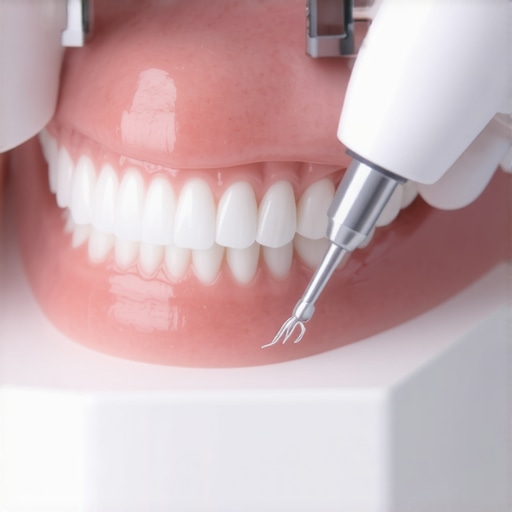
How do I maintain my dental restorations for a lifetime?
The biggest threat to your new crown isn’t usually a gummy bear; it is your own jaw. I discovered this when I woke up with a dull ache and realized I had been grinding my teeth. If you have invested in expert cosmetic dentistry solutions, a custom nightguard is non-negotiable. It acts as a shock absorber. Without it, you risk the porcelain chipping or even why your molar cracks when you are only eating something soft. It is also worth asking your dentist about a high-fluoride toothpaste. This isn’t just for kids; it is about ‘re-mineralizing’ the natural tooth structure at the edge of the crown to prevent new cavities from starting underneath. This proactive approach is exactly what family dentistry is built on—protecting the work you have already done so you do not have to do it again. I challenge you to try one thing tonight: switch your flossing technique to that horizontal ‘side-pull’ I mentioned earlier. It feels weird at first, but it is the single best way to ensure your restoration stays exactly where it belongs. Whether you are currently weighing dental crowns vs other restorations, the maintenance remains the same: treat your dental work like the high-end investment it is.
Hard Truths I Learned from the Dental Chair
Going through the process of understanding dental crowns taught me that the biggest enemy of a successful restoration isn’t the dentist or the bill—it is impatience. I realized that the 48-hour window after losing a cap is the most critical; teeth move with a speed that defies logic, and even a tiny shift can ruin a custom fit. If you are worried about gaps, knowing how to stop teeth from shifting after losing a back molar is essential knowledge for anyone in the ‘waiting room’ phase of their treatment. I also learned that why your teeth are sensitive to sugar and sweets often points back to a temporary crown that isn’t sealing perfectly, allowing glucose to irritate the nerve. It’s a temporary inconvenience for a lifetime of confidence.
My Non-Negotiable Restoration Survival Kit
I don’t leave my oral health to chance anymore, and neither should you. My ‘go-bag’ for dental work always includes a prescription-strength fluoride paste; I’ve found that the truth about fluoride treatments for adults with thin enamel is that they provide a necessary chemical shield during the vulnerable weeks between appointments. I also invested in a high-quality nightguard after realizing that why your jaw aches every time you wake up in the morning is usually due to nocturnal grinding that can snap a temporary acrylic crown in half. Finally, I always keep a soft-bristled brush on hand to prevent the damage described in how to tell if your gum recession is caused by brushing too hard. These tools aren’t just extras; they are the insurance policy for your investment in expert cosmetic dentistry solutions.
A Future Without Dental Dread
It is easy to feel like you are at the mercy of your dental work, but taking these small, proactive steps puts the control back in your hands. The transition period is short, and soon you will move from a fragile temporary to the strength and beauty of permanent dental crowns. This journey is part of a larger commitment to your health that a solid family dentistry guide can help you navigate for years to come. Remember, you aren’t just fixing a tooth; you are reclaiming the freedom to eat, laugh, and smile without a second thought. Have you ever had a dental emergency strike during a holiday or a big event? I’d love to hear your survival story in the comments below!