I remember the exact moment I realized my teeth weren’t invincible. It was a Tuesday morning, and I’d just taken a big gulp of iced coffee. The sensation wasn’t just cold—it was a sharp, lightning-bolt pain that shot straight through my front tooth and made me drop my spoon. I rushed to the bathroom, pulled back my lip, and saw it: the bottom edges of my teeth looked almost like clear plastic. I felt a pit in my stomach. I’d always prided myself on my natural routine, but my enamel was literally fading away. If you’ve ever looked in the mirror and wondered why your teeth look more transparent at the edges lately, you aren’t alone, and you aren’t imagining things. Today, I want to cut through the noise and share what actually works when your protective barrier starts to fail. I’m not talking about generic advice; I’m talking about the stuff I wish someone had told me before I ended up in the specialist’s chair.
The High Cost of Assuming Fluoride is Just for Kids
For years, I made a massive mistake. I assumed that once my adult teeth were in, the fluoride phase of my life was over. I stuck to boutique, fluoride-free pastes because I thought I was being healthier. I was wrong. By the time I noticed the thinning, my enamel was so compromised that even basic tasks felt risky. I eventually learned that the truth about fluoride varnish for kids and adults is that it’s often the only thing standing between you and a very expensive set of dental crowns. The American Dental Association (ADA) highlights that professional fluoride applications are significantly more effective for adults with high-risk factors—like thin enamel or dry mouth—than standard over-the-counter options. It’s not a marketing gimmick; it’s a remineralization powerhouse that creates a much tougher surface than your spit can manage on its own.
Is professional fluoride actually worth the hype?
You might be skeptical. I certainly was. I worried about staining or if it would even make a difference at my age. But the reality is that thin enamel is a structural emergency. Once it is gone, it doesn’t just grow back like a fingernail. Professional treatments provide a concentrated dose that hardens the surface in a way that your daily brushing simply cannot match. Have you ever felt that sharp zing from a cold drink and just hoped it would go away on its own? Drop a comment below; I want to know if you’re struggling with that same sensitivity. Before you even think about cosmetic fixes, you have to stabilize the foundation. Even finding the safest way to whiten teeth if you have thin enamel requires you to address the strength of your teeth first. Let’s dive into the mechanics of how this treatment actually saves your smile from the brink of collapse.Once I accepted that my enamel wasn’t coming back on its own, I had to change my approach from passive hope to active preservation. Think of your enamel like the clear coat on a luxury car. It’s what provides that deep shine and protects the paint underneath. When it wears thin, the car looks dull and becomes prone to rust. In your mouth, that rust is decay and extreme sensitivity.
Hardening the Surface with Professional Varnish
The first step in my recovery wasn’t just a regular checkup. I realized that why a prophy treatment is much more than just a simple tooth cleaning is because it preps the surface for remineralization. My dentist applied a high-concentration fluoride varnish that stays on the teeth for hours, allowing the minerals to actually integrate into the microscopic pores of the remaining enamel. 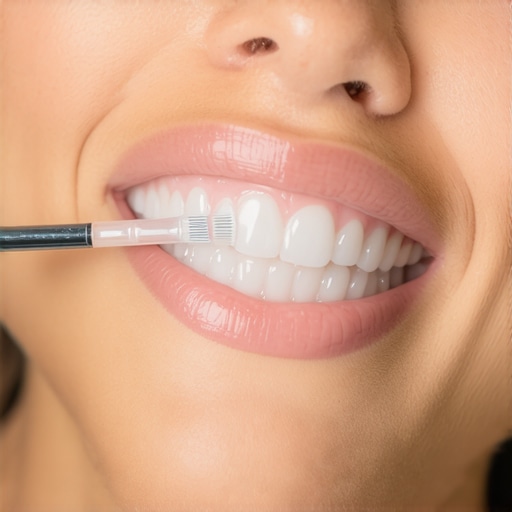 This isn’t the same as the rinse you used in grade school; it’s a sticky, resin-like substance that acts as a temporary shield while it works its magic.
Stop the Daily Erosion at the Source
You can get all the professional help in the world, but if you’re still bathing your teeth in acid, you’re throwing money away. I used to sip sparkling water all day, thinking I was being healthy. That constant low-level acidity was like liquid sandpaper. Now, I use a straw and follow every acidic drink with a water rinse. I also learned a hard lesson about technique. I once thought cleaner meant harder, and I scrubbed my teeth like I was trying to remove rust from a bicycle. This is why your gums bleed only when you use an electric toothbrush if you’re pressing too hard—and you’re also shearing off what little enamel you have left.
When a Physical Shield is the Only Option Left
If your transparency has reached the point where the tooth structure is actually compromised, you might be looking at restorative work. This is where expert cosmetic dentistry solutions come into play. It’s not just about vanity; it’s about structural integrity. When the edges of my teeth started to chip because they were so thin, my dentist brought up the ‘C’ word: crowns. If you’re at this stage, you need to understand dental crowns vs other restorations. A crown acts like a helmet for your tooth, encasing the weakened structure to prevent it from snapping under the pressure of a normal bite.
Choosing a Long-Term Partner in Care
Managing thinning enamel isn’t a one-and-done fix. It requires a consistent relationship with a provider who understands your history. This is the core of a family dentistry guide—finding a team that monitors those transparent edges over years, not just during an emergency. They can spot the difference between stable thinning and active erosion before you need a root canal.Let’s dig deeper into the biggest misconception I had: thinking a crown was a set it and forget it solution. Most people believe that once a tooth is capped, it’s safe forever. That is a dangerous myth. In reality, a crown is only as good as its margin—the tiny seam where the porcelain meets your natural tooth. If you aren’t careful, you might end up wondering how to tell if your dental crown is leaking bacteria, which can rot the tooth underneath without you even feeling it until it’s too late. Have you ever fallen into this trap? Let me know in the comments.
Stop treating your crown like it’s a bulletproof vest
One of the nuances I missed was the bite or occlusion. I thought if a crown looked good, it was good. But if a crown is even a fraction of a millimeter too tall, every time you chew, you’re sending a shockwave into the jawbone. This is the real reason your porcelain crown keeps chipping or why you might experience phantom pain. A study published in the Journal of Prosthodontic Research confirms that occlusal disharmony—basically a bad bite—is a primary driver of restoration failure and localized gum recession. It’s not just about the material; it’s about how that material interacts with your entire jaw system.
Why does my restored tooth still hurt when there’s no nerve?
This is the Oops factor most people don’t expect. If you’ve had a root canal and a crown, but it still aches when you bite down, it’s likely not an infection—it’s pressure. If you’re dealing with this right now, you need to know why your porcelain crown feels too high when you bite down. It’s a structural issue that your dentist needs to adjust immediately before it cracks the porcelain or damages the surrounding ligament. 
The danger of chasing trends before fixing the foundation
We see so many top cosmetic dentistry trends for 2025 that promise a Hollywood smile in two visits. But here’s the truth: if you have thinning enamel from acid erosion, slapping veneers over it without addressing the underlying cause is like building a skyscraper on sand. This is where the role of family dentistry in ensuring oral health for all ages becomes vital. You need a provider who looks at the why behind your enamel loss, not just the how of covering it up. Whether it’s understanding dental crowns when and why they are needed or choosing a less invasive composite, the goal is always longevity over a quick aesthetic fix. If you’re ready to stop the guesswork and build a plan that actually lasts, contact us today to get a professional assessment of your enamel health.I used to think my job was done the moment I left the dentist’s office with a new restoration. I was dangerously wrong. The real work—the stuff that determines if your smile lasts five years or fifty—happens every single morning and night at your bathroom sink. After years of trial and error, I’ve realized that maintaining thin enamel or complex expert cosmetic dentistry solutions requires more than just a quick brush. I personally switched to a high-end electric toothbrush with a built-in pressure sensor because I’m a ‘scrubber’ by nature. If you have ever wondered how to tell if your gum recession is caused by brushing too hard, it is usually because you are treating your enamel like a dirty kitchen floor instead of a delicate gemstone. 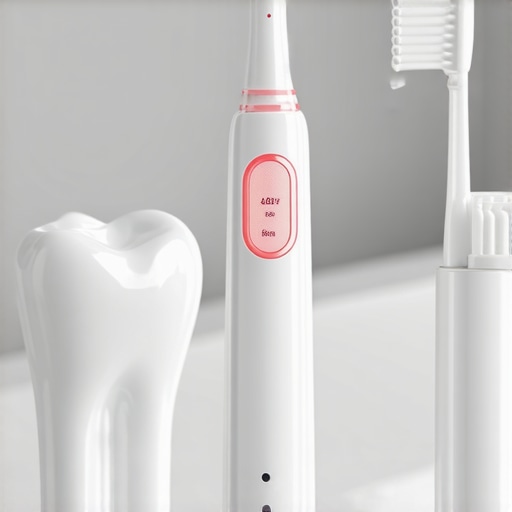
The tools that actually keep my dental work intact
Authority in dental maintenance comes down to precision. A study published in the Cochrane Database of Systematic Reviews found that power toothbrushes provide a 21% greater reduction in plaque compared to manual brushing over a three-month period. For me, this was a game-changer. I specifically use a model that vibrates at a high frequency to break up biofilm without me having to apply any force. This protects the delicate margins of my dental crowns. If you are still using a manual brush and wondering why your edges feel ‘furry’ by noon, you are missing out on the most basic level of protection available. You also need to be honest about the truth about how often you really need to replace your toothbrush; those frayed bristles are essentially useless for cleaning the tight gaps around a crown.
Why a water flosser is non-negotiable for crowns
Traditional floss is great, but when you have crowns or bridges, it can be hard to reach the ‘pockets’ where bacteria congregate. I added a water flosser to my routine three years ago and the inflammation in my gums vanished almost overnight. It is the only way to ensure you aren’t leaving behind microscopic food particles that lead to decay under the porcelain. This is a vital part of a family dentistry guide because it prevents the ‘domino effect’ of dental failure.
How do I maintain my dental work over the next decade?
The future of keeping your smile intact is moving toward hyper-personalization. I predict that within the next few years, we will see smart toothbrushes that sync with AI-driven apps to give your dentist a real-time report on your enamel wear. We are already seeing cosmetic dentistry innovations to watch that use digital scanning to create restorations with micron-level accuracy. To stay ahead of the curve, you must stop being reactive. My advanced tip for you is this: start using a pH-balancing mouthrinse after every meal to neutralize acid before it can touch your enamel. Switch to an electric brush with a pressure sensor this week and see how much better your gums feel. If you are unsure which tools are right for your specific dental history, contact us to schedule a personalized maintenance consultation.I used to think my job was done the moment I left the dentist’s office with a new restoration. I was dangerously wrong. The real work—the stuff that determines if your smile lasts five years or fifty—happens every single morning and night at your bathroom sink. After years of trial and error, I’ve realized that maintaining thin enamel or complex expert cosmetic dentistry solutions requires more than just a quick brush. I personally switched to a high-end electric toothbrush with a built-in pressure sensor because I’m a ‘scrubber’ by nature. If you have ever wondered how to tell if your gum recession is caused by brushing too hard, it is usually because you are treating your enamel like a dirty kitchen floor instead of a delicate gemstone.
The Brutal Truth About Saving Your Natural Smile
I used to think my clean diet was enough, but acid doesn’t care about your intentions. Transparent edges are an early warning sign, not just a cosmetic fluke. The biggest realization I had was that ignoring a small chip today is basically pre-ordering a crown for next year. Prevention isn’t just about brushing; it’s about chemistry and keeping your mouth’s pH in check.
- Transparent enamel is a structural emergency, not just a look; once it is gone, your dentin is exposed to rapid decay.
- Natural toothpastes often lack the remineralization power found in professional fluoride varnish for kids and adults.
- Your bite alignment matters as much as your hygiene; a bad bite will shatter even the most expensive porcelain.
My Personalized Arsenal for Enamel Protection
If you want to keep your dental work intact, you need the right tools. I swear by a high-quality electric toothbrush to avoid the trap of mechanical erosion. I also never skip professional treatments because they provide a concentrated defense you can’t get over the counter. Finally, be honest about your equipment; learning the truth about how often you really need to replace your toothbrush ensures you aren’t just spreading biofilm around your dental crowns. I also recommend a water flosser for anyone with restorations, as it reaches the margins that traditional string often misses.
Your Smile Deserves a Second Chance
Thinning enamel can feel like a losing battle, but with the right mix of professional intervention and disciplined home care, you can stabilize your oral health. Don’t wait until you’re in pain to seek out help. Your future self will thank you for the effort you put in today to preserve what you have left. If you are ready to take the next step, contact us to build a plan that works for you. Have you noticed your teeth looking a bit more see-through in certain lighting lately? Let me know in the comments below!