I remember the exact moment I realized I’d made a massive mistake. I was standing in front of my bathroom mirror, clutching a cold glass of water, and as soon as I took a sip, a lightning bolt of pain shot from my front teeth straight into my skull. It wasn’t just sensitivity; it was a warning. I looked closer and noticed my teeth didn’t just look yellow—they looked almost translucent at the edges. In my quest for a blindingly white smile, I’d been overusing those drugstore whitening strips, completely ignoring the fact that my enamel was already naturally thin. I felt like I was losing my smile before I even hit forty. If you’ve ever felt that same panic, wondering if you’ve permanently traded your tooth health for a bit of brightness, I want you to take a deep breath. You haven’t ruined everything yet, and there is a way to get that glow back without the agony.
Stop Blasting Your Teeth with Acid and Bleach
When I first started looking into expert cosmetic dentistry solutions, I realized I’d been treating my teeth like a dirty kitchen counter that needed scrubbing. Thin enamel is delicate. It’s like a fine silk blouse—you can’t just throw it in with the heavy-duty bleach and hope for the best. I made the classic mistake of thinking more was better. I once used high-percentage carbamide peroxide gels three nights in a row, thinking I could “power through” the discomfort. Instead, I ended up with teeth that look more transparent at the edges and a mouth that felt like it was on fire. We have to change the strategy from “bleaching” to “remineralizing while brightening.”
Is professional whitening even an option for us?
This is the question I asked my dentist while I was practically hiding under the bib. The fear is real: will a professional treatment just finish off what little enamel I have left? The truth is, modern dentistry has moved way beyond the “burn it white” phase. Many cosmetic dentistry trends for 2025 focus on protecting the tooth structure while lifting stains. If you’re worried about whether how to whiten your teeth without making them sensitive is actually a reality, you aren’t alone. I’ve been there, and I’ve found that the secret lies in preparation and using the right delivery systems that don’t dehydrate the tooth. According to a study published in the Journal of Dentistry, using toothpastes containing nano-hydroxyapatite can actually help repair surface enamel defects while providing a whitening effect, which is a total game-changer for people like us. Have you ever had to stop mid-whitening because the pain was just too much to handle? I’d love to hear if you’ve faced that zing, because trust me, I’ve lived it too. But before you give up on a brighter smile, we need to talk about how to prep your teeth for the process properly. If your teeth are already feeling the strain, you might even need to look into why dental crowns are needed if the damage has gone too deep, but for most of us, a more gentle approach is the ticket. Let’s dive into the specifics of how to brighten up without the breakdown.
Build Your Enamel Fortress First
You can’t build a house on sand, and you certainly can’t whiten teeth that are structurally compromised. The first step is what I call the ‘Enamel Fortification Phase.’ For two weeks before you even think about a whitening gel, you need to flood your teeth with minerals. I started using a toothpaste with nano-hydroxyapatite twice a day, and I even went in for a professional application because the truth about fluoride varnish for kids and adults is that it creates a protective barrier that helps mitigate the upcoming peroxide attack. This varnish acts like a sealant for your microscopic pores, ensuring the whitening agents don’t have a direct highway to your nerves. If you skip this, you’re basically inviting the bleach to move directly into your tooth’s nerve center, which leads to those unbearable zingers.
I learned this the hard way during a particularly stubborn staining phase. I once tried to ‘power through’ a session with a 35% carbamide peroxide gel without any prep on a Tuesday night. Ten minutes in, I was hunched over the bathroom sink, tears in my eyes, trying to wash the gel off with lukewarm water because even the air from my own breath felt like a frozen knife hitting my nerves. It was a messy, desperate moment that could have been avoided if I’d just focused on how to whiten your teeth without making them sensitive by prepping the surface first.
Stop Using One-Size-Fits-All Whitening Strips
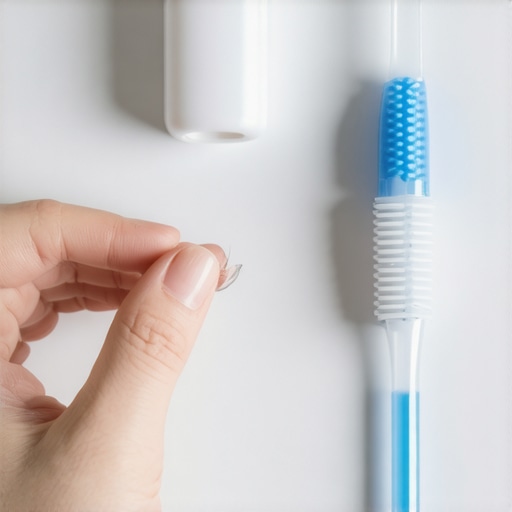
The problem with drugstore strips isn’t just the bleach; it’s the delivery system. They are flat, but your teeth are three-dimensional and irregular. This means the gel inevitably oozes onto your gums—which shouldn’t be bleached—and misses the nooks and crannies of your teeth. This uneven distribution is often the real cause of white spots on your teeth after whitening. When you have thin enamel, these spots look even more pronounced and chalky. Instead, look into customized trays from a family dentistry guide professional. These trays are molded to your exact tooth shape and scalloped at the gum line, keeping the gel exactly where it belongs: on the enamel and away from the sensitive soft tissue.
Why Lower Concentrations Actually Work Better
It sounds counterintuitive, but if your enamel is thin, you want a lower concentration of peroxide (around 5-10%) used over a longer period. It’s the difference between a controlled burn and a wildfire. High concentrations dehydrate the tooth rapidly, which is what causes that sharp, shooting pain. By using a lower dose, you allow the tooth to stay hydrated while the oxygen molecules gently break apart stains. If you’re still feeling sharp pains, you might need to determine how to tell if your toothache is a cavity or just sensitivity before proceeding, as bleaching a cavity is an agonizing experience. When in doubt, seeking expert cosmetic dentistry solutions ensures you aren’t doing permanent damage to the pulp.
The Post-Whitening Remineralization Ritual
What you do in the thirty minutes after whitening is just as important as the whitening itself. Think of it like closing the pores on your face after a deep steam. Your dentinal tubules are open and vulnerable. This is the golden window to shove minerals back in. Instead of just rinsing and going to bed, I now apply a desensitizing gel or a smear of sensitive toothpaste directly into my trays and wear them for another ten minutes. This acts like a soothing balm, sealing the enamel and locking in the brightness while calming the nerves. If you ignore this step, you’re leaving your teeth vulnerable to every temperature change. If your teeth already feel brittle or jagged, you should check why your teeth are chipping easily despite a healthy diet, as whitening might not be the primary concern you should be addressing at this stage.
More Bleach Won’t Fix Gray Translucency
People often think that if their teeth aren’t paper-white, they just need more peroxide. But here is the hard truth: if your enamel is already thin, more whitening will actually make your teeth look darker. It sounds impossible, right? But as your enamel thins, it loses its ability to scatter light, making the yellowish or gray dentin underneath more visible. A study in the Journal of Esthetic and Restorative Dentistry confirms that the perceived color of a tooth is a complex interaction of light reflection and the thickness of the translucent enamel layer. When you blast thin enamel with bleach, you’re just making it more transparent, which is why your teeth look more transparent at the edges lately. I’ve seen so many people fall into the trap of ‘chasing the white’ only to end up with a smile that looks ghostly and unhealthy. Have you ever fallen into this trap? Let me know in the comments.
Why Does Whitening Sometimes Make My Teeth Look Worse?
If you have naturally translucent teeth, the peroxide might be stripping away surface stains but exposing the dark interior of the tooth. This is where cosmetic dentistry innovations to watch come into play. Instead of more bleach, you might actually need resin infiltration or ultra-thin veneers to add back that lost opacity. I once had a client who whitened for six months straight, wondering why her teeth looked ‘dirty’ despite no surface stains. We realized her enamel was so thin that the shadows of her mouth were showing through her teeth. It’s a nuance that many DIY kits completely ignore.
The Danger of Whitening Over a Hidden Crack
Here is the ‘oops’ factor that keeps me up at night. If you have an old restoration, you must know how to tell if your dental crown has a hidden crack before applying any chemicals. Peroxide is an acid that can seep into those microscopic fractures, reaching the pulp and causing irreversible damage. Even worse, if you don’t know how to tell if your dental crown is leaking bacteria, you might be sealing in a disaster. Whitening around a failing crown doesn’t just hurt; it can accelerate the decay underneath. 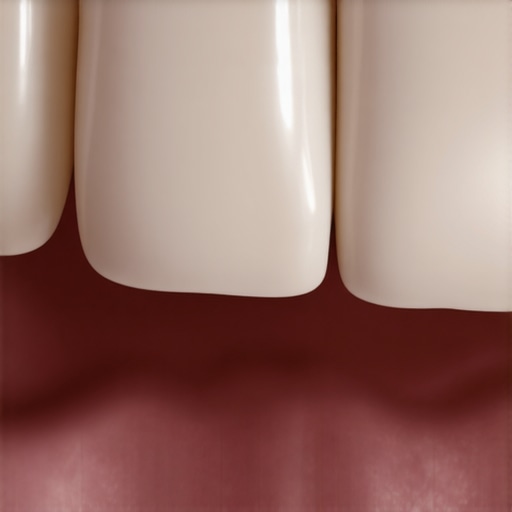
Choosing the Right Restoration for the Job
Sometimes, whitening isn’t the answer at all. When I was weighing dental crowns vs other restorations which is right for you, I had to accept that my front teeth were too far gone for simple bleaching. A crown or a veneer provides a fresh, opaque surface that protects the underlying structure while giving you the shade you want. It’s about building a sustainable smile, not just a bright one. If you’re at that crossroads, don’t rush into another box of strips. Evaluate the health of your foundation first, or you’ll be paying for it in root canals later.
Maintaining those results isn’t about applying more chemicals; it’s about better engineering in your bathroom. I eventually ditched my manual brush for a sonic model with a dedicated pressure sensor. Why? Because when you have thin enamel, you are prone to mechanical wear. If you’ve ever wondered why your gums bleed only when you use an electric toothbrush, it’s usually because you’re pushing too hard against the tissue. I specifically look for brushes that pulse red when I’m being a brute. It saved my gum line from receding further and exposing the sensitive roots that sit beneath the surface. For those of us with existing work, such as dental crowns explained as the ultimate solution for damaged teeth, this soft-touch approach is the only way to ensure the margin where the crown meets the tooth stays healthy and free of bacteria.
Stop Scrubbing Like You’re Cleaning a Hubcap
The goal is to vibrate the plaque away, not sand down your teeth. When I started using a water flosser on the lowest setting, my sensitivity decreased because I wasn’t stabbing my gums with string. Precision tools allow you to keep the area around expert cosmetic dentistry solutions pristine without the abrasive force. It’s about being a jeweler, not a construction worker, when it comes to your oral hygiene routine. 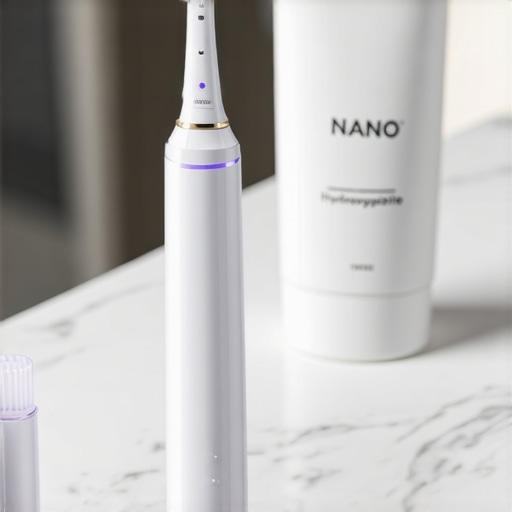
How do I maintain my dental work over the long haul?
The secret is what I call ‘Micro-Maintenance.’ Instead of a yearly blast of heavy bleach, I now do a single 15-minute refresh every three months using a custom tray. This keeps the stains from setting deep into the tubules without the massive dehydration that causes the zingers. I also had to get serious about my family’s habits. Following a family dentistry guide isn’t just for the kids; it’s about creating a household culture where we aren’t all reaching for acidic sodas at 9 PM. If you have little ones, starting them early with essential family dentistry tips ensures they never have to deal with the enamel thinning issues we’re fighting right now.
Precision Mapping for a Perfect Fit
Looking ahead, I’m seeing top cosmetic dentistry trends for 2025 leaning heavily into bio-mimetic materials and digital precision. We’re moving toward crowns and fillings that don’t just sit on the tooth but actually bond with the structure on a molecular level. This is why many pros now insist on a 3D intraoral scan. If you’ve ever wondered why your dental implant specialist needs a high-tech scan, it’s because the precision of digital mapping prevents the ‘leaky’ margins that eventually ruin restorations. According to the International Journal of Computerized Dentistry, digital impressions reduce the margin of error by up to 50% compared to traditional putty molds, which means your crowns fit better and last longer from day one. I suggest you try this: Swap your regular mouthwash for a pH-neutralizing rinse for one week. You’ll be shocked at how much less ‘sticky’ your teeth feel when your mouth’s chemistry is balanced rather than stripped.
The Hard Truth About My 20-Year Search for the Perfect Smile
After years of trial and error, I’ve realized that the ‘whiter is always better’ mentality is a trap that often leads to more damage. If I could go back and talk to my younger self, I’d share these three lightbulb moments that changed everything for my oral health.
- Enamel is a finite resource: Once you strip it away with aggressive acids, it doesn’t just grow back. We have to be the guardians of our own tooth structure rather than its destroyers.
- Transparency isn’t a stain: If you notice why your teeth look more transparent at the edges lately, it’s a structural cry for help, not a reason to reach for more bleach. Adding peroxide to thin enamel only makes the darkness underneath show through more.
- Health provides the best glow: A well-remineralized tooth has a natural luster that no chemical can mimic. Keeping an eye on cosmetic dentistry innovations to watch taught me that bio-mimetic materials are the future of beauty, not just raw bleaching power.
My Non-Negotiable Kit for Thin Enamel
I’ve pared my routine down to the essentials that actually protect my investment while maintaining a bright look. First, I never skip a remineralization phase; understanding the truth about fluoride varnish for kids and adults convinced me that it’s the ultimate primer for sensitive teeth. Second, I’ve moved away from generic strips and now only use custom-fitted trays provided by a professional to ensure even application. I also keep a ‘sensitivity diary’ to help me track how to tell if your toothache is a cavity or just sensitivity, which tells me exactly when to pause my brightening routine. Finally, I rely on a family dentistry guide to ensure my kids are building strong foundations early on, so they don’t repeat the enamel-stripping mistakes I made in my thirties.
#IMAGE_PLACEHOLDER_E#
Take the First Step Toward a Fearless Smile
The journey to a brighter smile shouldn’t be one defined by pain or anxiety. By shifting your focus from aggressive bleaching to protective brightening, you can enjoy the confidence of a radiant look without sacrificing the integrity of your teeth. Whether you are looking for expert cosmetic dentistry solutions or just trying to navigate daily sensitivity, remember that you are in control of your dental destiny. Don’t be afraid to ask for professional help when your home routine hits a wall; sometimes a simple adjustment is all that stands between you and your best smile yet.
Have you ever had to stop a whitening treatment because the sensitivity became too much to handle? I’d love to hear your story and what worked for you in the comments below!