I was three bites into a warm sourdough roll at my sister’s wedding rehearsal dinner when I felt it—that sickening, hollow click of plastic against a porcelain plate. There I was, desperately trying to fish a tiny white tooth-cap out of my Caesar salad while attempting to maintain eye contact with my future in-laws. It is truly the ultimate nightmare for anyone currently in the middle of dental crown treatment. You’re told it’s “just temporary,” but let’s be honest: it feels like walking around with a ticking time bomb in your mouth. You want to enjoy your meal, but every single chew feels like a high-stakes gamble. I’ve been exactly where you are, and trust me, I’ve made every rookie mistake in the book—including one that almost landed me in a very expensive emergency chair. I once tried to “test” the strength of the bond by biting into a crisp apple just hours after leaving the clinic. I learned that day that patience isn’t just a virtue; it’s a dental necessity. We’re going to fix that today so you can actually enjoy your steak without the fear of your tooth ending up as a side dish.
The Night My Temporary Tooth Became a Garnish
If you’re reading this, you’re probably gingerly poking at that new acrylic cap with your tongue right now, wondering if it’s going to survive tonight’s dinner party. I remember my very first experience with understanding dental crowns and why they are needed. I was so convinced the temporary cement was basically industrial-grade epoxy that I tried to eat a piece of salt water taffy on day two. Big mistake. Huge. I spent the next four hours frantic, trying to figure out how to fix a temporary crown that feels too high because I’d knocked it loose. In a moment of pure, unadulterated panic, I actually considered reaching for the Krazy Glue in the junk drawer. Please, whatever you do, learn from my near-disaster and avoid the danger of using super glue to fix a broken crown. I learned the hard way that household chemicals and your sensitive gum tissue are a recipe for a chemical burn you won’t soon forget. The reality is that these caps are held on by “weak” cement by design. They have to come off easily so the dentist can place your permanent one without using a hammer and chisel. According to the Cleveland Clinic, temporary dental cement is specifically formulated to be slightly soluble and brittle to ensure it doesn’t damage the tooth during removal, which is great for your dentist but admittedly terrifying for your dinner plans. It is that delicate balance between staying put for a week and popping off when the pro is ready.
Wait, is this plastic tooth really going to hold up for two weeks?
It’s a completely fair question. You’re paying for a premium restoration, yet you’re walking around with what feels like a piece of white Lego loosely attached to your mouth. I used to think the whole process was a bit of a hassle until I realized how vital that little cap is for protecting the sensitive prep work underneath. Without it, you’re looking at extreme sensitivity and the risk of your other teeth shifting, which can lead to the real cost of delaying a necessary dental crown being much higher than you anticipated. If that prep gets exposed, even a breath of cold air can feel like a lightning bolt to the jaw. Today, I’m going to share the exact strategies I use now to eat with total confidence—no more awkward “chewing on one side” gymnastics or the constant fear of the dreaded clink. Have you ever had a crown pop off at the absolute worst possible moment, like a first date or a big job interview? I’d love to hear your survival stories in the comments below; it helps to know we’re all in this together. [IMAGE_PLACEHOLDER]
Strategic Eating and the Art of the Soft Chew
The secret to keeping that cap in place isn’t just about avoiding the obvious culprits like caramel or ice cubes; it’s about navigating the entire plate like a pro. We’re about to dive into the specific “danger zones” of a standard dinner menu and how you can prep your crown for the long haul before you even pick up a fork. We’ll look at the physics of the chew and why side-to-side grinding is your crown’s worst enemy.
Mastering the Physics of the Safe Bite
Think of your temporary crown like a high-end prop on a movie set. It looks the part, but it is not built for the heavy stunt work of a three-course meal. While dental crowns explained the ultimate solution for damaged teeth often highlights the strength of the final product, the temporary phase is all about delicate management. To survive the next fourteen days, you have to reprogram your jaw’s muscle memory. I remember trying to eat a simple ham sandwich on day three of my first crown. I forgot for just one second, chewed on the right side, and felt the acrylic cap pivot like a loose floorboard. The panic was instant. To avoid that, you need to treat your mouth like a construction zone with a very clear ‘detour’ sign.
Keep the Action on the Opposite Side
The most effective strategy is the ‘unilateral chew.’ You must consciously move every bit of food to the side of your mouth that does not have the temporary restoration. This sounds simple, but your tongue is a creature of habit. It wants to distribute food evenly. I found that cutting my food into tiny, ‘toddler-sized’ pieces forced me to be more deliberate with where I placed each bite. This protects the temporary cement from the vertical pressure that can lead to how to tell if your dental crown has a hidden crack or, worse, a total displacement.
The Flossing Trick That Saves Your Crown
Cleaning around a temporary cap is where most people fail. In my early days, I would floss vertically—snapping the thread up and down like I always did. One morning, I pulled the floss up and felt the entire crown lift with it. My heart nearly stopped. The secret is the ‘Slide-Out’ method. You thread the floss in normally, but instead of pulling it back up through the contact point, you let go of one end and pull it out horizontally through the side. This prevents the floss from catching the edge of the acrylic and acting like a crowbar. It is a vital part of the best routine for cleaning under a dental bridge or a temporary crown, ensuring you keep the area plaque-free without risking a trip back to the clinic.
Spotting Problems Before the Cap Pops Off
You need to be hyper-aware of how your bite feels every morning. If the crown starts to feel ‘tall’ or like it is hitting before your other teeth, it is likely shifting. This is often the precursor to it falling out. When I ignored a ‘tight’ feeling once, I ended up having to search for how to manage tooth pain when you cant see a dentist immediately because the pressure had inflamed my nerve. While revamp your smile top cosmetic dentistry trends for 2025 show we are moving toward faster turnarounds, you still need to protect that prep. If you notice a foul taste or persistent sensitivity, check how to tell if your dental crown is leaking bacteria. Catching a seal failure early can save you from a much more invasive procedure later. Focus on soft foods like mashed potatoes, eggs, and yogurt; treat your temporary with the respect its ‘weak’ cement demands, and you will make it to your permanent seat appointment without a single emergency call.Most people think the temporary crown is just a placeholder, a generic cap designed to bridge the gap until the ‘real’ one arrives. In reality, this is the critical ‘beta test’ for your mouth. If you are currently deciding between dental crowns vs other restorations which is right for you, you need to understand that the way your gums react to this temporary acrylic tells the dentist exactly how to contour the final porcelain. It is a sophisticated diagnostic tool that many skip over, focusing only on the end result. This is where the ‘oops’ factor comes in: assuming that minor discomfort or a slightly ‘off’ bite is just a standard part of the process. If you don’t speak up now, your permanent crown might mirror those same flaws, leading to long-term jaw strain. Have you ever noticed a tiny gap or felt like something was wrong during the temporary phase but stayed quiet? Let me know in the comments; your feedback is actually a vital part of the engineering process.
Can a single crown really change the way my face looks?
It sounds like an exaggeration, but the vertical dimension of your bite is a cornerstone of your facial structure. While we often discuss the role of family dentistry in ensuring oral health for all ages, we rarely talk about the ‘collapsing bite’ that occurs when teeth are worn down or incorrectly restored. When a crown is too short, the jaw over-closes, which is exactly why your face looks different after losing back teeth or having poorly fitted restorations. According to research published in the Journal of Oral Rehabilitation, maintaining the correct occlusal height is essential not just for chewing, but for the youthful support of your facial muscles and skin. 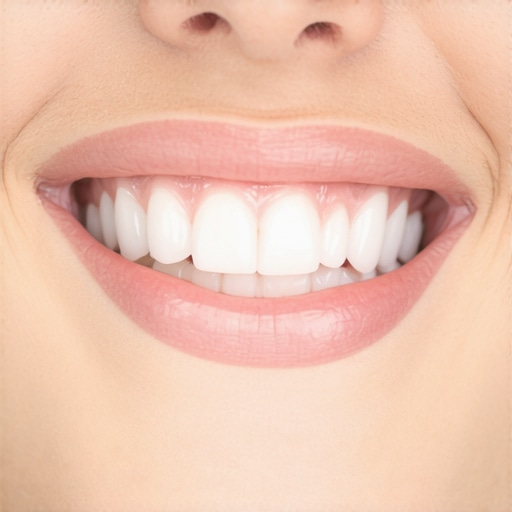 Another hidden nuance is that dreaded dark shadow. You have probably seen people with a grayish tint at the base of their tooth and assumed it was decay. While sometimes true, it is often just the metal substructure of an old restoration showing through. This is why your porcelain crown has a dark line at the gum line, a common issue with older porcelain-fused-to-metal technology. Modern revamp your smile top cosmetic dentistry trends for 2025 focus on all-ceramic and zirconia solutions to eliminate this ‘dead giveaway’ and provide a natural translucency. If your current crown has this, it might be time to learn how to tell if your crown needs to be replaced immediately versus when it is just a cosmetic annoyance. Don’t fall into the trap of thinking a crown lasts forever; most have a lifespan of 10 to 15 years, and waiting until they fail completely can lead to underlying decay. Many patients also think they are being hyper-vigilant by scrubbing their temporary crown extra hard, but over-aggressive cleaning is exactly why your gums are receding despite using a soft toothbrush. If the gum tissue recedes during the temporary phase, the margin where the crown meets the tooth will be exposed on your permanent one from day one. Have you ever been ‘too good’ at brushing and accidentally caused more harm than good? I’d love to hear your survival stories below.Once that permanent porcelain beauty is finally cemented into place, you might think the hard work is over. But honestly, that’s when the real maintenance game begins. I used to be a brush-and-hope kind of person until I realized that dental crowns explained the ultimate solution for damaged teeth only works if you protect the interface where the crown meets the natural tooth. If you let plaque sit there, you’re looking at a world of trouble. I personally swapped my traditional string floss for a high-quality water flosser after my last procedure. Why? Because it flushes out the micro-debris that a toothbrush simply cannot reach, especially under the margins of a bridge or crown. It is a absolute game-changer for avoiding that puffy gum look that screams dental work.
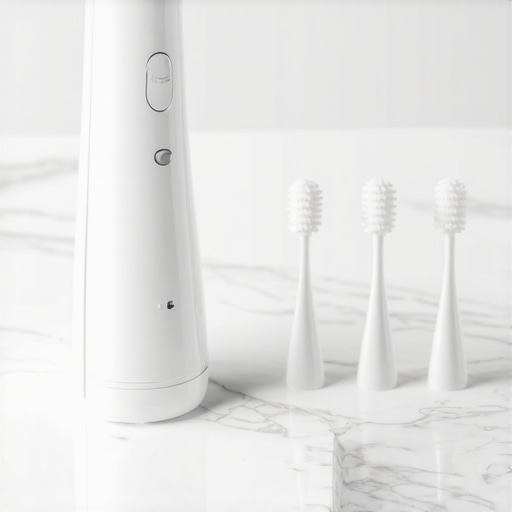
The Gear That Actually Protects Your Investment
I personally recommend using an electric toothbrush with a pressure sensor. I found that I was scrubbing way too hard, which is why your gums are receding despite using a soft toothbrush. When you have a crown, you want to keep that gum line exactly where it is to avoid exposing the root. I also keep a stash of interproximal brushes in my car. They are tiny enough to get between teeth where a regular brush fails, and they are far more effective at stimulating blood flow to the gingiva.
What Is the Best Way to Keep My Crown Looking Brand New for Decades?
The secret isn’t just a fancy toothbrush; it’s a dedicated, custom-fit night guard. I learned the hard way that stress-induced grinding is the real reason your porcelain crown keeps chipping. Even the strongest Zirconia can’t survive 200 pounds of jaw pressure night after night. According to the Journal of Prosthetic Dentistry, nocturnal bruxism can increase the failure rate of ceramic restorations by nearly 80% if the patient does not use an occlusal guard. This is where the role of family dentistry in ensuring oral health for all ages becomes so critical—they can catch those wear patterns on your guard during a routine cleaning before you actually break your expensive crown. Looking ahead, I predict we are moving toward a temp-free world. With revamp your smile top cosmetic dentistry trends for 2025 focusing on chairside CAD/CAM milling, you will soon walk in with a broken tooth and walk out with a permanent crown in under two hours. No more plastic caps, no more sourdough-roll disasters. For now, go order a pack of high-quality interproximal brushes today; it is the single best $10 investment you will ever make for your smile.
Finishing the journey of getting a restoration isn’t just about the time spent in the chair; it is about how you handle the delicate days in between. I have found that the more proactive you are during this phase, the better your final result will be. Let’s look at the hard-won wisdom that will get you through to your permanent seat with ease.
The Hardest Realities of the Temporary Phase
Over the years, I have realized that the temporary period is more than just a wait; it is a trial run for your comfort. First, honesty is your best friend. If the bite feels even a fraction of a millimeter off, you must speak up. Ignoring a slight misalignment can lead to you needing to know how to fix a temporary crown that feels too high, which can cause significant jaw fatigue. Second, your tongue is a curious explorer, but poking at the temporary seal is the fastest way to loosen the cement. Finally, remember that the temporary is designed to be removed. If it were stuck on with permanent strength, your dentist would have a much harder time giving you that final, polished look. This period is a vital part of the role of family dentistry in ensuring oral health for all ages because it sets the foundation for a lifetime of comfort.
The Toolkit That Saves Your Investment
To ensure your new tooth stays pristine for the long haul, you need a few specialized items in your cabinet. I always recommend these three essentials to anyone going through the process:
- A High-Quality Water Flosser: This is the gold standard for the best routine for cleaning under a dental bridge or crown, as it removes bacteria without the pulling force of string.
- Soft-Picks or Interproximal Brushes: These are much gentler on the gum line and help prevent the irritation that leads to why your gum line looks dark around an old crown later on.
- An Occlusal Guard: If you have any history of grinding, this is the only way to prevent the real reason your porcelain crown keeps chipping.
[IMAGE_PLACEHOLDER]
Walk Into Your Final Appointment With Confidence
You are now equipped with the strategies to navigate the temporary phase like a pro. By choosing the right foods and using the proper cleaning tools, you are ensuring that your final restoration will be a perfect fit. Modern dentistry is evolving rapidly, and staying informed about revamp your smile top cosmetic dentistry trends for 2025 shows that the future of transform your look with expert cosmetic dentistry solutions is faster and more durable than ever. Take care of that prep work today, and you will enjoy a radiant, functional smile for decades to come. Have you ever had a temporary crown pop off at the absolute worst possible moment? Let me know your survival stories in the comments below!