I remember standing in the middle of the nursery at three in the morning, rocking a baby who sounded like he was auditioning for a horror movie. His cheeks were bright red, and his forehead felt… well, warm. Or was it hot? I was a first-time parent, and I was convinced his brain was melting from a fever. I grabbed the thermometer, saw 101.2, and immediately blamed it on the molars. I was wrong. It turns out, I was ignoring the actual signs of a viral bug because I desperately wanted it to be “just teething.” We often use teething as a catch-all excuse for every sleepless night, but misdiagnosing a true illness is a mistake I made early on that I don’t want you to repeat. Today, we are going to draw a hard line between dental milestones and medical red flags.
Stop Blaming Every Grumpy Moment on a New Tooth
We have all been there. When the drool starts flowing and the sleep ends, we want an easy answer. We want to believe that once that little white sliver breaks through, life returns to normal. But mistaking a true illness for a teething milestone is a classic rookie mistake. This isn’t just about getting through the night; it’s about building child-friendly dental care habits that last. If you are constantly guessing, you might miss something that requires a pediatrician rather than a teething ring.
Is a Teething Fever Actually a Real Thing?
This is the big one that catches most parents off guard. Most of us were told by our own parents that a high fever is just part of the process. Science says otherwise. According to the American Academy of Pediatrics, while teething can cause a slight rise in body temperature, it rarely exceeds 100.4 degrees Fahrenheit. If that thermometer hits 101, you are not looking at a tooth; you are looking at an immune response to a bug or infection. Relying on myths can be dangerous, especially if you ignore how mouth breathing impacts dental development or other underlying health issues.
Telltale Signs That It Is Definitely Dental
When my youngest started fighting me during tooth brushing, I realized her gums weren’t just sore—they were inflamed. Teething usually brings localized symptoms like heavy drooling, chewing on knuckles, and visible gum swelling. It does not typically come with a runny nose, diarrhea, or a chesty cough. If you see those, your little one is likely dealing with a common cold or ear infection. Even when things seem perfect, you might eventually discover why your child needs a professional cleaning to keep those new pearls healthy. Have you ever stayed up all night convinced a tooth was coming, only to find out it was a viral bug? I would love to hear your stories in the comments—sometimes just knowing we aren’t alone in the 4 AM panic makes all the difference. Now, let’s look at the specific temperature thresholds that should actually trigger a call to the doctor.To move from panic to a plan, you need to treat this like a process of elimination. Think of teething as a localized construction project; it is loud, it is messy, but it stays within the property lines of the mouth. A virus, on the other hand, is like a city-wide power outage. If your child is sluggish, has a runny nose, or is vomiting, the power is out everywhere, and a new molar is not the culprit.
Why 100.4 is Your New Magic Number
When you are bleary-eyed at 2 AM, numbers become your best friend. If the thermometer reads 101 or higher, stop looking for teeth. I remember once holding my son, Leo, convinced his high temp was just his lateral incisors coming in. I waited twelve hours too long because I was following old-school advice. By the time we saw the doctor, he had a double ear infection. Real teething discomfort should be manageable with simple soothing techniques, and knowing how to manage tooth pain when you cant see a dentist immediately can help you stay calm, but it will not cure a systemic fever. While a slight elevation is normal, a spike that makes them lethargic is a medical flag, not a dental one.
Get Your Hands Dirty with a Quick Gum Inspection
Before you reach for the medicine cabinet, reach for the soap. Scrub your hands and gently run your finger along the gum line. A tooth that is about to break through feels like a hard, sharp ridge under a thin layer of skin. The gums will look swollen, red, and maybe a bit bruised. If the gums look perfectly pink, smooth, and flat, but the baby is screaming, the source of the pain is almost certainly elsewhere. This kind of hands-on check is a cornerstone of essential family dentistry tips you can use at home to avoid unnecessary doctor visits. 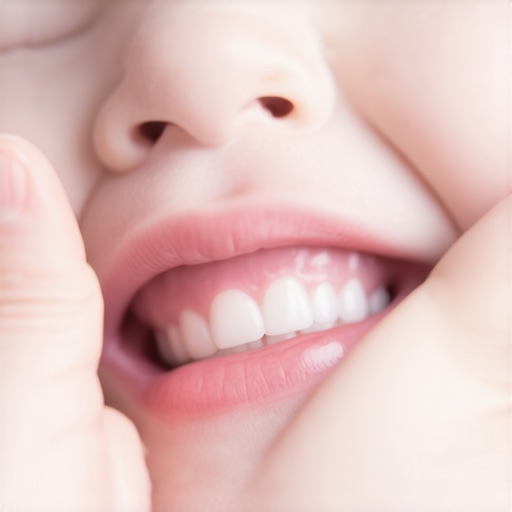
Check for More Than Just Redness
Sometimes you will see a small, bluish bump where a tooth is supposed to be. Do not panic—this is usually just an eruption cyst. While it looks scary, it is actually a sign that the tooth is right on track. These spots are localized and do not cause body-wide symptoms. As your child grows, these dental landmarks change, which is why following a family dentistry guide is so helpful for tracking what is normal and what requires a professional eye.
When the Cough Outlasts the Crankiness
Teething does not cause a “chest rattling” cough or thick green mucus. If your child is congested, they likely have a viral upper respiratory infection. I used to think the drool was causing a “wet” cough in my kids, but my pediatrician corrected me: drool causes a slight throat clearing or a shallow “clicky” cough, not a deep chesty one. If you are noticing persistent issues with how they chew or breathe, you might eventually need to discuss long-term prevention like why your child needs a dental sealant later on, but for now, focus on the immediate symptoms. If the symptoms aren’t localized to the mouth, it isn’t the teeth.Let’s dig deeper into the ‘teething scapegoat’ phenomenon. While it is tempting to blame every fussy afternoon on a new molar, science suggests we are usually overestimating the duration of the struggle. A landmark study published in the journal Pediatrics by Macknin et al. revealed that teething symptoms are remarkably consistent: they only appear during a specific eight-day window—four days before the tooth emerges and three days after. If your child has been ‘teething’ for three weeks, you are likely overlooking a separate issue like a minor viral infection, an ear-related pressure change, or even a shift in their sleep environment. This is why establishing caring for your childs teeth essential family dentistry tips early on is so important; it helps you recognize what is normal and what is an outlier in your child’s behavior.
The Eight Day Window Most Parents Ignore
Focusing on this strict timeframe changes the game. When I first learned about the eight-day rule, it was like a weight lifted. No longer did I have to wonder if a month of bad sleep was ‘just teeth.’ If that little white point doesn’t break the surface within those four days of peak fussiness, it is time to look at other factors. Many parents fall into the trap of ‘perpetual teething,’ where they ignore signs of a cold or a developmental leap because they are waiting for a tooth that isn’t even in the eruption phase yet. By narrowing your focus, you can provide more targeted care. This precision is part of the child-friendly dental care approach that prioritizes actual needs over guesswork.
Don’t Fall for the Numbing Gel Trap
One of the biggest ‘oops’ factors I see is the reliance on topical numbing gels. It feels like a quick fix, but it is often a dangerous trap. The FDA has issued multiple warnings against using benzocaine-based products for children under two, as they can cause a life-threatening reduction in blood oxygen levels called methemoglobinemia. Beyond the safety risk, these gels are often washed away by saliva in seconds, meaning they don’t even provide the long-lasting relief they promise. Instead of reaching for a chemical fix, try a chilled (not frozen) silicone teether or a clean, damp washcloth. 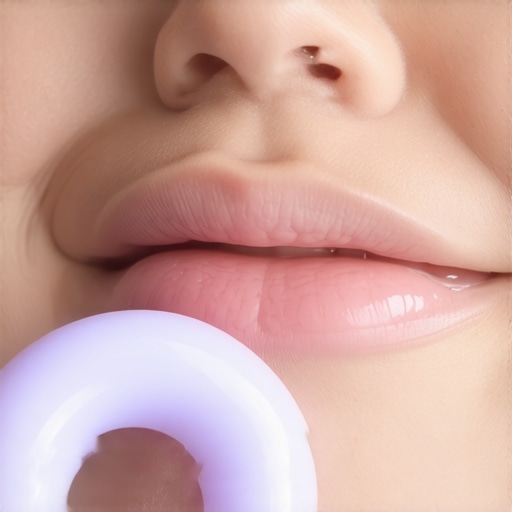
Can teething pain actually mask a real dental emergency?
This is a question many parents don’t ask until it’s too late. Sometimes, we get so used to a child being ‘cranky because of teeth’ that we miss signs of actual decay or enamel issues. For example, if a parent uses a bottle of milk or juice as a nighttime ‘soother’ for teething pain, the emerging teeth are sitting in sugar all night. What you think is a fussy baby ‘teething’ might actually be a baby with sensitive cavities. In extreme cases, this lead-up to early childhood decay results in the need for restorations like dental crowns for primary teeth—a situation that is entirely preventable with the right knowledge. This is where the role of family dentistry in ensuring oral health for all ages becomes critical. We aren’t just looking for teeth; we are looking for the health of the whole mouth. Have you ever fallen into this trap of blaming a tooth for a week-long fuss that turned out to be something else entirely? Let me know in the comments—I have a feeling many of us have been tricked by the ‘teething’ excuse at least once!Once you move past the teething phase, the game changes from survival to long-term maintenance. I used to think a standard brush and some floss were enough, but as my own dental needs evolved—especially after getting a few dental crowns—I realized that professional-grade tools aren’t just for the clinic. I personally switched to an oscillating-rotating electric toothbrush because the sheer mechanical advantage is undeniable. A meta-analysis published in the Cochrane Database of Systematic Reviews confirms that power toothbrushes reduce plaque and gingivitis more than manual brushing in both the short and long term. This isn’t just about “fancy tech”; it’s about the data that helps us understand the role of family dentistry in ensuring oral health for all ages. When you use tools that actually tell you if you are pressing too hard, you protect your enamel from the kind of wear that leads to sensitivity or the need for restorations later.
Ditch the Guesswork with Real-Time Plaque Monitoring
I recommend investing in a brush with a built-in pressure sensor and a Bluetooth connection to a tracking app. Why? Because we all lie to ourselves about how long we actually brush. I thought I was hitting the two-minute mark for years until the app showed me I was barely reaching ninety seconds. This kind of precision is what separates basic hygiene from expert cosmetic dentistry solutions that keep your smile bright. If you can see exactly where you are missing plaque, you prevent the buildup that leads to gum disease. 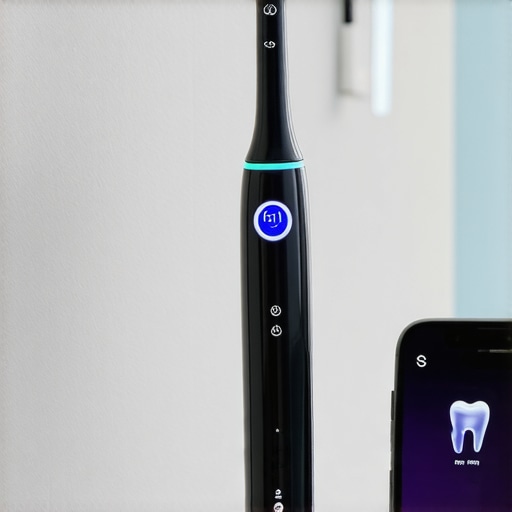
How do I maintain professional-grade oral health as my kids grow?
Maintenance is a marathon, not a sprint. It involves transitioning from supervised brushing to coaching them on advanced techniques like flossing behind the last molar. You also need to stay vigilant about the integrity of any previous work. For instance, knowing how to tell if your dental crown is leaking bacteria is a skill every parent should have. If you notice a persistent bad taste or a slight shadow at the gum line, it is time for a professional checkup. Even with the best home tools, you cannot skip the clinic; why your child needs a professional cleaning remains a priority because dental professionals can reach the areas that even the smartest toothbrush might miss.
Watch Out for the Digital Dentistry Revolution
Looking ahead, the trend is moving toward even more personalized data. We are seeing the rise of AI-integrated mirrors and home-use intraoral cameras that allow you to send photos to your dentist for a quick virtual triage. The cosmetic dentistry trends for 2025 suggest a massive shift toward “preventative aesthetics,” where we use technology to stop damage before it starts. This means your future bathroom setup might look more like a mini-dental suite than a simple vanity. Try this advanced tip today: Next time you brush, use a disclosing tablet once a week after you think you’re done. It will dye any remaining plaque a bright color, showing you exactly where your technique is failing. It’s a humbling but incredibly effective way to scale your oral care.
The One Truth About the 2 AM Panic I Learned the Hard Way
After years of navigating the ‘is it a tooth or a bug?’ dilemma, I have realized that my intuition was often louder than the thermometer, but the data was always more accurate. One lightbulb moment for me was realizing that teething is a milestone, not a malady. It is a natural process that should not make a child truly ‘sick.’ If they are genuinely ill, do not let the distraction of a potential new molar stop you from seeking medical advice. Another realization: consistency beats intensity. You do not need to be a dental surgeon at home; you just need to be consistent with caring for your childs teeth essential family dentistry tips even when they are grumpy. Finally, remember that every child reacts differently. What was a minor nuisance for my firstborn was a week-long sleep strike for my second, making the distinction between dental pain and illness even more critical.
My Non-Negotiable Kit for a Healthy Family Smile
If you want to move from guesswork to professional-grade care, there are a few resources I personally swear by. First, the American Academy of Pediatric Dentistry (AAPD) website is my go-to for evidence-based answers when Google starts scaring me. Second, I always keep a pack of plaque-disclosing tablets in the cabinet; they are the only way to truly see if your toddler is actually ‘brushing’ or just chewing on the bristles. Third, a high-quality silicone teether that can be chilled—not frozen—is worth its weight in gold for providing safe, drug-free relief. Using these tools alongside a comprehensive family dentistry guide ensures you are not just reacting to problems, but preventing them before they start.
#IMAGE_PLACEHOLDER_E#
Building a Lifetime of Confident Smiles
Navigating the early years of dental development can feel like a series of fires you are constantly trying to put out. But once you stop seeing every fuss as a dental emergency and start seeing it as an opportunity to establish great habits, the stress begins to melt away. Whether you are dealing with a fussy infant or a teenager who ‘forgets’ to floss, the foundation remains the same. Staying informed about things like the truth about fluoride varnish for kids and adults or even why your baby is grinding their teeth during sleep empowers you to be the best advocate for your family’s oral health. Take a deep breath—you are doing better than you think, and those first teeth are just the beginning of a beautiful journey in family dentistry. Have you ever been absolutely convinced a fever was teething only to find out it was something else entirely? I would love to hear your ‘rookie mistake’ stories in the comments below!