I’ll never forget the night I sat by my son’s bed, watching him sleep with his mouth wide open, catching flies as my grandma used to say. At the time, I thought it was just a quirky childhood habit, maybe a bit of congestion. I was busy worrying about caring for your child’s teeth by making sure he brushed for exactly two minutes. I completely missed the bigger picture. It wasn’t until our next visit to the family dentistry clinic that our dentist pointed out his narrowed palate and receding chin. My heart sank. I felt like I’d failed a basic parenting test because I didn’t realize that the way he breathed was literally changing the bone structure of his face.
The Night I Realized My Son’s Snoring Wasn’t Just ‘Cute’
It sounds dramatic, but mouth breathing is a silent architect. When a child breathes through their mouth instead of their nose, the tongue drops from the roof of the mouth. Without that internal support, the upper jaw narrows, the teeth crowd, and the face begins to grow ‘long’ and narrow. I spent months feeling guilty, thinking I’d need to look into expert cosmetic dentistry solutions just to fix the aesthetic damage later on. But here is the good news: once you know how to tell if your child is mouth breathing during sleep, you can intervene. Today, we are going to solve the mystery of why your child might be struggling to keep their mouth shut and how to fix the development of their dental arches before they need a mouthful of dental crowns or years of braces.
Is Mouth Breathing Actually a Big Deal or Just a Trend?
I get the skepticism. In an era where everything seems like a ‘hidden health crisis,’ you might wonder if this is just another thing for parents to lose sleep over. But the science is visceral. According to research published in the Journal of International Oral Health, mouth breathing is a leading cause of ‘Adenoid Face,’ which involves significant craniofacial changes and a gummy smile. This isn’t just about ‘straight teeth’—it’s about airway health. Early on, I made the mistake of thinking he’d just ‘grow out of it.’ He didn’t. Instead, his child’s mouth smelled bad even after brushing because mouth breathing dries out protective saliva. Have you noticed your child waking up with a dry mouth or dark circles under their eyes even after a full night’s sleep? I’d love to know if you’ve seen these signs too.
Think of the Tongue as Your Child’s Natural Retainer
To fix the architectural damage caused by mouth breathing, we first have to look at the foundation—the airway. If your child literally cannot breathe through their nose because of swollen tonsils, adenoids, or chronic allergies, no amount of coaching will work. Think of it like trying to drive a car with a blocked exhaust pipe; the engine is going to struggle regardless of how well you steer. This is where the role of family dentistry in ensuring oral health for all ages becomes critical. During a routine checkup, your dentist isn’t just hunting for cavities; they are evaluating the volume of the airway. If the path is blocked, the body defaults to mouth breathing to survive, which systematically narrows the upper jaw. Imagine a tent where the center pole has fallen over—the fabric sags and the internal space shrinks. That is exactly what happens to your child’s palate when the tongue isn’t sitting in its rightful home against the roof of the mouth.
Clear the Path to Nasal Breathing
Before jumping into orthodontic hardware, you must ensure the ‘pipes’ are open. We spent weeks working with our pediatrician to rule out silent reflux and environmental allergies that were keeping my son’s nasal passages inflamed. Once the physical blockage is gone, the habit often remains. This transition is vital because providing child-friendly dental care means addressing the cause, not just the symptoms. You might notice that even after a cold clears, your child’s mouth stays open. This is muscle memory, and it requires active retraining to break.
Train the Muscles to Work for You
Once the airway is clear, the focus shifts to myofunctional therapy—exercises for the mouth. I remember sitting at the kitchen table with my son, playing a game we called ‘The Button Pull.’ We tied a piece of dental floss to a large button, had him hold it firmly between his lips and his teeth, and I would gently tug. It felt silly at the time, but it forced his lip muscles to strengthen and stay sealed. We were essentially building a natural seal to keep his mouth closed at night. These simple daily habits are often more effective than waiting until they are teenagers and needing cosmetic dentistry innovations to watch to fix a collapsed mid-face or a gummy smile.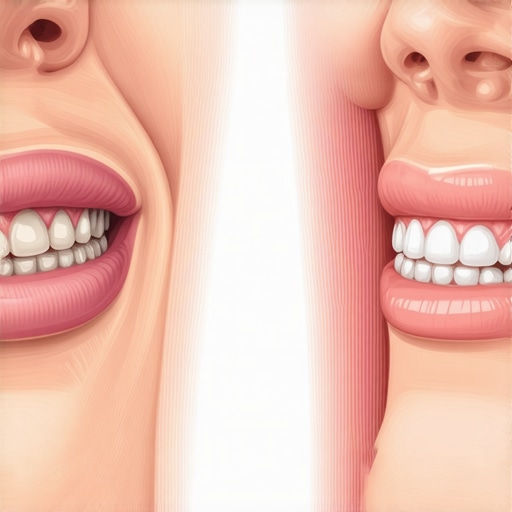
Why Early Orthodontic Checks Save Thousands Later
If the damage to the jaw shape has already begun, a professional needs to intervene to ‘expand’ the space. Waiting until all the adult teeth are in is often too late to influence bone growth easily. By checking in early, a dentist can use a simple appliance to gently widen the palate, making room for all the teeth and, more importantly, widening the floor of the nose for better breathing. Knowing how to tell if your child needs braces before age seven can be the difference between a simple six-month expansion and years of painful extractions. It’s about proactive maintenance rather than reactive repair. We also found that as his jaw widened, his hygiene improved because his teeth weren’t so crowded, making it much easier for him to master the easiest way to get your child to start flossing without getting frustrated by tight gaps.I’ll never forget the night I sat by my son’s bed, watching him sleep with his mouth wide open, catching flies as my grandma used to say. At the time, I thought it was just a quirky childhood habit, maybe a bit of congestion. I was busy worrying about caring for your child’s teeth by making sure he brushed for exactly two minutes. I completely missed the bigger picture. It wasn’t until our next visit to the family dentistry clinic that our dentist pointed out his narrowed palate and receding chin. My heart sank. I felt like I’d failed a basic parenting test because I didn’t realize that the way he breathed was literally changing the bone structure of his face.
The Night I Realized My Son’s Snoring Wasn’t Just ‘Cute’
It sounds dramatic, but mouth breathing is a silent architect. When a child breathes through their mouth instead of their nose, the tongue drops from the roof of the mouth. Without that internal support, the upper jaw narrows, the teeth crowd, and the face begins to grow ‘long’ and narrow. I spent months feeling guilty, thinking I’d need to look into expert cosmetic dentistry solutions just to fix the aesthetic damage later on. But here is the good news: once you know how to tell if your child is mouth breathing during sleep, you can intervene. Today, we are going to solve the mystery of why your child might be struggling to keep their mouth shut and how to fix the development of their dental arches before they need a mouthful of dental crowns or years of braces.
Is Mouth Breathing Actually a Big Deal or Just a Trend?
I get the skepticism. In an era where everything seems like a ‘hidden health crisis,’ you might wonder if this is just another thing for parents to lose sleep over. But the science is visceral. According to research published in the Journal of International Oral Health, mouth breathing is a leading cause of ‘Adenoid Face,’ which involves significant craniofacial changes and a gummy smile. This isn’t just about ‘straight teeth’—it’s about airway health. Early on, I made the mistake of thinking he’d just ‘grow out of it.’ He didn’t. Instead, his child’s mouth smelled bad even after brushing because mouth breathing dries out protective saliva. Have you noticed your child waking up with a dry mouth or dark circles under their eyes even after a full night’s sleep? I’d love to know if you’ve seen these signs too.
Think of the Tongue as Your Child’s Natural Retainer
To fix the architectural damage caused by mouth breathing, we first have to look at the foundation—the airway. If your child literally cannot breathe through their nose because of swollen tonsils, adenoids, or chronic allergies, no amount of coaching will work. Think of it like trying to drive a car with a blocked exhaust pipe; the engine is going to struggle regardless of how well you steer. This is where the role of family dentistry in ensuring oral health for all ages becomes critical. During a routine checkup, your dentist isn’t just hunting for cavities; they are evaluating the volume of the airway. If the path is blocked, the body defaults to mouth breathing to survive, which systematically narrows the upper jaw. Imagine a tent where the center pole has fallen over—the fabric sags and the internal space shrinks. That is exactly what happens to your child’s palate when the tongue isn’t sitting in its rightful home against the roof of the mouth.
Clear the Path to Nasal Breathing
Before jumping into orthodontic hardware, you must ensure the ‘pipes’ are open. We spent weeks working with our pediatrician to rule out silent reflux and environmental allergies that were keeping my son’s nasal passages inflamed. Once the physical blockage is gone, the habit often remains. This transition is vital because providing child-friendly dental care means addressing the cause, not just the symptoms. You might notice that even after a cold clears, your child’s mouth stays open. This is muscle memory, and it requires active retraining to break.
Train the Muscles to Work for You
Once the airway is clear, the focus shifts to myofunctional therapy—exercises for the mouth. I remember sitting at the kitchen table with my son, playing a game we called ‘The Button Pull.’ We tied a piece of dental floss to a large button, had him hold it firmly between his lips and his teeth, and I would gently tug. It felt silly at the time, but it forced his lip muscles to strengthen and stay sealed. We were essentially building a natural seal to keep his mouth closed at night. These simple daily habits are often more effective than waiting until they are teenagers and needing cosmetic dentistry innovations to watch to fix a collapsed mid-face or a gummy smile.
Why Early Orthodontic Checks Save Thousands Later
If the damage to the jaw shape has already begun, a professional needs to intervene to ‘expand’ the space. Waiting until all the adult teeth are in is often too late to influence bone growth easily. By checking in early, a dentist can use a simple appliance to gently widen the palate, making room for all the teeth and, more importantly, widening the floor of the nose for better breathing. Knowing how to tell if your child needs braces before age seven can be the difference between a simple six-month expansion and years of painful extractions. It’s about proactive maintenance rather than reactive repair. We also found that as his jaw widened, his hygiene improved because his teeth weren’t so crowded, making it much easier for him to master the easiest way to get your child to start flossing without getting frustrated by tight gaps. Most people assume that once a dentist places a restoration, the job is finished for a decade. That’s a dangerous misconception. In my years of following a family dentistry guide, I’ve seen that the most expensive mistake isn’t the procedure itself—it’s the ‘set it and forget it’ mentality. Many believe that dental crowns explained as long-term fixes are actually invincible shields. In reality, a crown is only as good as the seal at the gum line. If a patient remains a chronic mouth breather, the resulting dry mouth significantly alters the oral microbiome. According to a study in the International Journal of Oral Science, a lack of saliva flow reduces the natural buffering of acids, which can cause the cement under your crown to wash out faster than expected.
The Dangerous Trap of the ‘Forever’ Crown
Many patients invest in expert cosmetic dentistry solutions only to have them fail prematurely because they didn’t address underlying airway or bite issues. Here is the ‘Oops’ factor nobody tells you: if you feel a ‘high spot’ on a new crown, do not try to ‘wear it down’ by chewing. This misalignment sends destructive force into your jawbone. If you’re wondering how to fix a temporary crown that feels too high, the only answer is a professional adjustment. Waiting it out leads to ligament inflammation and potential root canal therapy. And please, avoid the danger of using super glue to fix a broken crown at all costs; the cyanoacrylate can kill the living tissue inside your tooth. 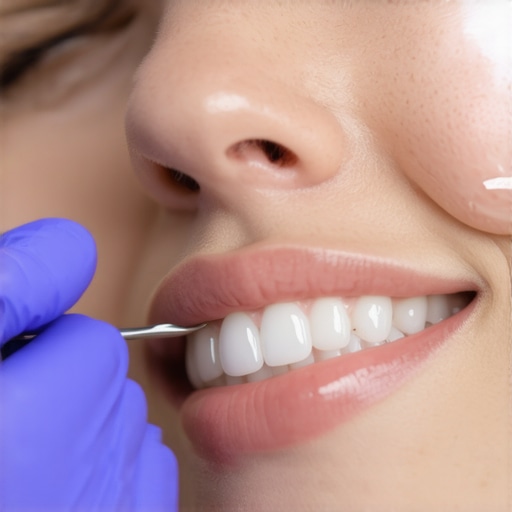
Can a Dental Crown Actually Cause Bad Breath?
It’s an advanced concern I see from parents who have done everything right but still notice a lingering odor. The answer is a resounding yes, but it’s rarely the porcelain itself; it’s usually a ‘micro-leak.’ When a restoration isn’t perfectly fitted or the gum recedes, bacteria colonize the gap. If you’re trying to figure out how to tell if your dental crown is causing your bad breath, look for a persistent metallic taste or localized gum tenderness. Ignoring this means the real cost of delaying a necessary dental crown replacement isn’t just financial—it’s the risk of losing the tooth entirely. We should view dental work as a partnership with our biology, not a replacement for it. If you want to revamp your smile, start with the foundation of healthy breathing and a stable bite. Have you ever fallen into the trap of thinking a minor dental ache would just ‘go away’ on its own? Let me know in the comments.
I’ve learned that maintenance isn’t just about showing up every six months; it’s about the equipment you use at 11:00 PM when you’re exhausted and just want to fall into bed. I personally swear by high-end electric toothbrushes with built-in pressure sensors. Why? Because for years, I was a ‘scrubber.’ I thought harder was better until I noticed my gums were receding despite using a soft toothbrush. The sensor is now my accountability partner; it flashes red the second I get too aggressive, protecting the delicate transition where my natural tooth meets my restorations.
For anyone with more than a basic filling, a standard piece of string floss often feels like trying to clean a skyscraper with a toothbrush. If you have a bridge, you must master the best routine for cleaning under a dental bridge using a high-quality water flosser. I use mine on the ‘pulse’ setting because it physically dislodges the subgingival biofilm that string simply slides over. This isn’t just a suggestion for fresh breath; it’s survival for your dental work. The American Academy of Oral Systemic Health (AAOSH) emphasizes that reducing this oral inflammation is a direct link to heart health, making your nightly flossing routine a genuine whole-body health strategy rather than just a chore.
How do I maintain my dental work over time?
The secret to longevity isn’t just cleaning; it’s monitoring the fit and the forces at play. As we age, our teeth naturally shift—a process called mesial drift. This is why you might suddenly feel like your crown feels tight when you wake up. To combat this, I recommend a ‘touch-base’ digital scan every two years. Not just a standard X-ray, but a full 3D digital impression. This creates a baseline of your tooth positions. If something moves a fraction of a millimeter or if a restoration starts to wear unevenly, your dentist can catch it before it leads to a catastrophic crack. It’s also the primary reason your dentist might need a 3d scan to find hidden tooth pain that is invisible on traditional flat films.
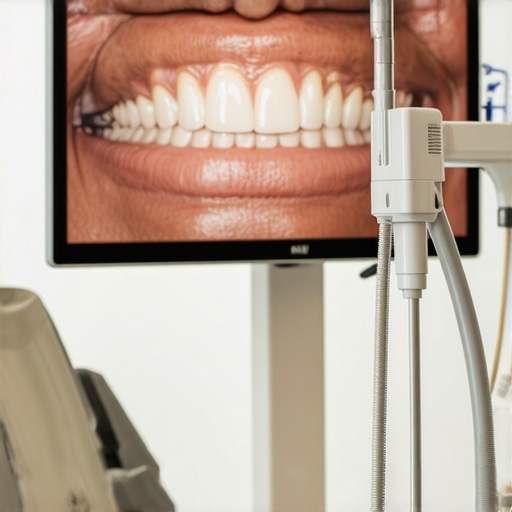
I’ve also added a custom-fit night guard to my toolkit. If you’re waking up with a sore jaw, it’s not just stress; it’s a mechanical threat to your investment. Using a guard protects those expensive porcelain edges from the hundreds of pounds of pressure we exert during sleep. It’s the single best way to ensure you aren’t seeking cosmetic dentistry innovations to watch just to fix a self-inflicted chip in three years. I predict that in the next five years, we will see AI-powered home cameras that sync directly to your clinic, allowing you to snap a photo of a suspicious spot and have an algorithm determine if it’s a stain or a micro-leak before it becomes an emergency. We are moving toward ‘digital surveillance’ of our mouths, which is the ultimate evolution of family dentistry guide principles. If you want to take your maintenance to the next level, I challenge you to try this: use a plaque-disclosing tablet tonight after you brush. It is a humbling experience to see the spots you missed, especially around the margins of your dental crowns. For a professional assessment or a baseline 3D scan, you can always contact us to see how this technology can shield your smile.
The Breakthroughs That Changed My Perspective on Oral Health
Looking back on my journey with my son and my own dental history, a few lightbulb moments stand out that no one mentions in the waiting room. First, airway health is the foundation of everything. You can invest in the most expensive expert cosmetic dentistry solutions, but if you are breathing through your mouth, you are fighting an uphill battle against dry mouth and shifting teeth. Second, I realized that painless does not always mean perfect. By the time I noticed why my gum line looked dark around an old crown, the underlying issue had been brewing for years. Finally, the best dental work is the kind you never have to do; catching mouth breathing early is a thousand times easier than correcting a collapsed palate in adulthood.
The Tools That Actually Make a Difference
I’ve wasted plenty of money on gimmicks, but these are the few items I now consider non-negotiable for my family routine. Plaque-disclosing tablets are my favorite truth serum for kids; they turn missed plaque bright purple, making it impossible to argue about whether they brushed well. For my own maintenance, I rely heavily on a high-pressure water flosser to keep the margins of my restorations clean, as it is the only thing that truly masters the best routine for cleaning under a dental bridge without snagging. I also prioritize a custom-fitted night guard from my dentist; store-bought versions often lack the precision needed to protect dental crowns explained as high-investment restorations. Lastly, always ask for a 3D digital scan during your checkup to create a baseline for your tooth movement.
#IMAGE_PLACEHOLDER_E#
Taking the First Step Toward Confidence
It is easy to feel overwhelmed by the technicalities of jaw growth or restoration maintenance, but remember that you are the primary advocate for your health. Whether you are seeking child-friendly dental care to fix a breathing habit or looking to revamp your smile with modern tech, the goal is always the same: a functional, comfortable, and beautiful result. You do not have to have all the answers today; you just need to keep your airway open and your appointments consistent. Trust the expertise of the role of family dentistry in ensuring oral health for all ages, and do not be afraid to ask the tough questions. Have you ever noticed your child or yourself struggling with mouth breathing or a restless night sleep? Let me know your experiences below!