I stood there, looking in the mirror, wondering why on earth my breath smelled like a swamp even though I’d spent twenty minutes scrubbing my tongue. It was embarrassing. I had recently invested in some high-end cosmetic dentistry solutions, specifically a crown on my upper molar, and I thought my dental woes were behind me. Instead, I found myself avoiding close-up conversations and chewing gum like it was a full-time job. I made the classic mistake of thinking that once a tooth is capped, it’s basically invincible. I was wrong. I let it go until I finally asked my dentist why I had a persistent bad taste in that corner of my mouth. It turns out, that crown was holding onto more than just my tooth. Today, I’m going to help you identify if your dental work is the secret source of your bad breath so you can stop masking the problem and actually fix it. Have you ever felt like you were doing everything right but still felt self-conscious about your breath?
Stop blaming your coffee for that lingering smell
When I first noticed the odor, I doubled down on my oral hygiene. I was obsessive. But here is the thing: if your crown has a tiny gap—what dentists call a ‘marginal discrepancy’—no amount of brushing will reach the bacteria living underneath it. According to the Journal of Prosthetic Dentistry, even a microscopic opening can allow saliva and food particles to seep in, creating a localized infection that smells terrible long before it actually hurts. This is often why your breath still smells bad after brushing your tongue or using expensive rinses.
Can a perfect crown actually be a bacterial trap?
Many of us assume that if it looks good, it must be healthy. I certainly did. But even the most beautiful work from a family dentistry practice can fail if the seal isn’t absolutely airtight. You might worry that investigating this means another expensive replacement, but catching it early is the only way to save the underlying tooth.
The dead giveaway signs that your crown is the culprit
One of the first things I noticed, which I should have taken seriously, was that my gum line looked dark around the crown. It wasn’t just a shadow; it was a sign of irritation. If you find that flossing around one specific tooth produces a particularly foul odor, that’s your smoking gun. We aren’t just talking about a little morning breath here; we are talking about a localized issue that points directly to a fit problem. If you’ve been wondering when and why they are needed, you also need to know how to maintain them properly once they are in place.
Run the smell test on your dental floss
This is the most direct way to confirm your suspicions without a dental degree. Take a piece of unscented floss, work it gently between the crown and the adjacent tooth, and pull it through. Now, smell the floss. If it carries a pungent, sour odor that makes you recoil, you’ve found the source. I remember doing this after my molar started acting up. I thought I was just being paranoid, but that smell was the smoking gun. It confirmed that food particles were fermenting in a space I couldn’t reach with a brush. This often happens when you need to know how to tell if your dental crown has a hidden crack, as those microscopic fissures act like straws, sucking in bacteria every time you chew.
Your water flosser is the ultimate truth-teller
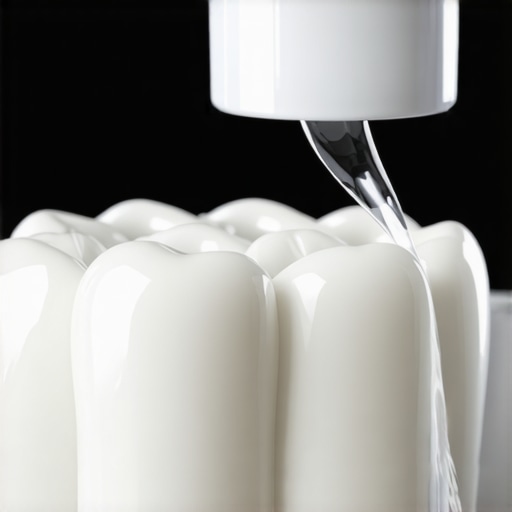
If you don’t own a water flosser, get one immediately. Think of it like a power washer for your mouth. When I first used mine on the highest setting around my problem crown, I was horrified by what came out. Even after a standard brushing, the water jet dislodged tiny, gray fragments of debris that had been trapped for weeks. If you find that the water coming out from around a specific tooth smells foul, the seal on your crown has failed. This is similar to the best routine for cleaning under a dental bridge; you have to flush out the pockets where oxygen cannot reach. Anaerobic bacteria thrive in these dark zones and produce sulfur as a byproduct, which is that rotten egg smell you are fighting.
Identify if the crown feels mushy or loose
Another way to check the integrity of your cosmetic dentistry solutions is the pressure test. Use your tongue or a clean finger to apply gentle horizontal pressure to the crown. Does it shift? Even a hairsbreadth of movement is too much. When a crown is properly cemented, it should feel like a natural part of your jaw. If it feels squishy or you hear a tiny clicking sound when you bite down, the cement has likely washed away. This allows micro-leakage to occur. At this point, you need to learn how to tell if your crown needs to be replaced immediately before the decay reaches the nerve.
The high price of waiting to fix a leak
I made the mistake of waiting three months because I didn’t want to deal with the appointment. By the time I went to my family dentistry clinic, the tooth underneath had softened significantly. When a crown leaks, the bacteria are protected from your toothbrush but have direct access to your tooth’s dentin. It’s like having a hole in your roof; if you don’t patch it, the structural beams eventually rot. Understanding the real cost of delaying a necessary dental crown replacement is crucial because a simple replacement is much cheaper than a root canal or an implant later on. If you see that your gum line looks dark, it’s not just a cosmetic issue; it’s a biological red flag that the transition between the crown and your tooth is no longer sealed.
Use a mirror to look for gray shadows
Grab a high-powered flashlight and look at the tooth in a mirror. Look for a gray or brownish shadow beneath the porcelain. In my case, I noticed a darkening that I thought was just staining from coffee. It wasn’t. It was the color of the decaying tooth showing through the translucency of the crown. Staying updated on top cosmetic dentistry trends for 2025 can help you choose materials that are more resistant to these issues, but even the best materials won’t save a tooth if the fit is compromised. If you follow a family dentistry guide for maintenance, you’ll know that regular checkups are the only way to catch these silent leaks before they become painful emergencies.
I see this all the time: patients walk in for a routine check-up at a family dentistry practice convinced that their porcelain is indestructible. The most dangerous myth in cosmetic dentistry solutions is the belief that once a tooth is capped, it is safe from cavities forever. In reality, a crown doesn’t make a tooth bulletproof; it actually makes it harder to detect decay until the damage is severe. While the porcelain itself won’t rot, the natural tooth structure at the ‘margin’—where the crown meets the gum—is incredibly vulnerable. If you’ve noticed a scent, you aren’t just smelling old food; you are likely smelling the metabolic byproducts of bacteria eating away at your tooth under the cap.
The ‘Perfect X-ray’ trap that fools most patients
Here is a nuance that most people miss: traditional 2D X-rays are notoriously bad at seeing through metal or thick porcelain. You might be told everything looks ‘fine’ during a standard exam, but a localized odor is a much more accurate diagnostic tool than a fuzzy image. According to research published in the Journal of Oral Rehabilitation, secondary caries (decay forming under an existing restoration) is the leading cause of crown failure, often remaining invisible to the naked eye for years. This is precisely why your Culpeper dentist might need a 3D scan to find hidden tooth pain or decay that a standard X-ray simply cannot penetrate. Don’t let a ‘clear’ X-ray talk you out of what your senses are telling you.
Why do my X-rays look fine if the smell won’t go away?
If your dentist uses older imaging technology, the density of the crown can create a ‘shadow’ or ‘halo’ on the film, masking the tiny holes where bacteria hide. This is why it is vital to compare dental crowns vs other restorations and understand that the seal is the only thing standing between you and a root canal. If that seal is compromised by even a fraction of a millimeter, the anaerobic environment underneath becomes a breeding ground for sulfur-producing bacteria. Have you ever fallen into this trap where you were told everything was okay, but the smell persisted? Let me know in the comments below, because your experience could help someone else catch a failing crown early.
Stop using standard toothpaste on your high-end work
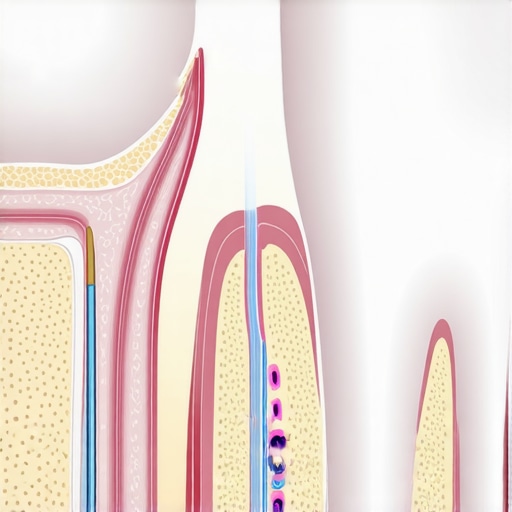
One major ‘oops’ factor I see is patients treating their dental crowns exactly like their natural teeth. While that sounds logical, many whitening toothpastes are highly abrasive. They can create microscopic scratches in the porcelain or the bonding agent at the gum line. These tiny scratches act like ‘hooks’ for plaque, making it even harder to keep the area fresh. When you are looking into top cosmetic dentistry trends for 2025, you’ll see a shift toward specialized, low-abrasion gels designed to protect the integrity of the margin. If you ignore this, you’re essentially sanding down the very seal that keeps the ‘swamp breath’ at bay.
The real cost of playing the waiting game
Ignoring that faint, sour taste is the fastest way to turn a simple replacement into a surgical nightmare. When a crown leaks, the acid produced by bacteria sits directly on the dentin, which is much softer than enamel. By the time you feel actual pain, the decay has usually reached the nerve. The real cost of delaying a necessary dental crown isn’t just financial; it’s the potential loss of the tooth entirely. If your gum line looks dark around an old crown, that is your final warning shot. It’s time to stop the ‘sniff test’ and start the repair process before the foundation of your smile crumbles.
Once you’ve confirmed that your breath issues are coming from a failing seal, the focus has to shift toward high-level maintenance. You can’t just ‘brush harder’ and hope for the best. I’ve learned that the secret to making cosmetic dentistry solutions last for decades rather than years lies in the specific tools you use at home. I stopped relying on cheap drugstore brushes and moved to a sonic-powered system with a pressure sensor. This is crucial because if you scrub too hard at the gum line, you cause recession, exposing the very margin we are trying to protect. If you aren’t sure if your current setup is working, you need to check how to tell if your dental crown has a hidden crack before the situation escalates into a full-blown infection.
Why a standard toothbrush won’t save your investment
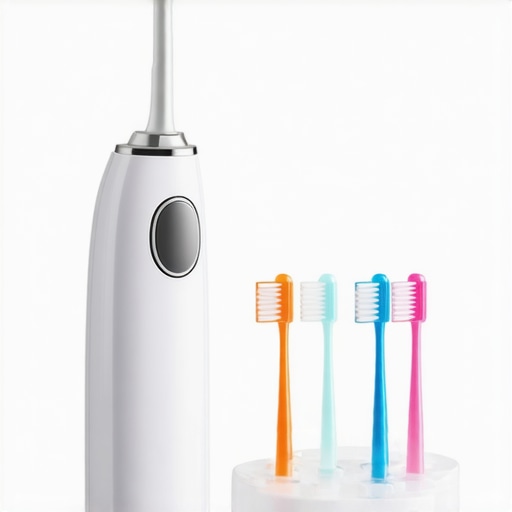
I switched to using a Waterpik with the ‘Plaque Seeker’ tip, which is specifically designed for prosthetic work. Most people use the standard jet tip, but the Plaque Seeker has three thin tufts of bristles that physically scrub the crown’s edge while the water pressure flushes the pocket. This dual-action approach is the best routine for cleaning under a dental bridge or a crown because it reaches the ‘dead zones’ where oxygen-hating bacteria hide. Research published in the Journal of Clinical Periodontology confirms that interdental brushes and water flossing are vastly superior to traditional string floss for maintaining the health of the gingival margin around restorations. If you want a family dentistry guide that actually works, it starts with specialized mechanical cleaning, not just minty paste.
The two specific tools that changed my routine
Beyond the water flosser, I started using interproximal brushes (specifically the TePe brand) dipped in a non-staining fluoride gel. This delivers concentrated protection exactly where dental crowns are most vulnerable. I’ve also completely cut out alcohol-based mouthwashes. Alcohol dries out your oral mucosa, reducing saliva flow—and saliva is your natural defense against the acid-producing bacteria that cause why your breath still smells bad after brushing. If you are investing in revamp your smile top cosmetic dentistry trends for 2025, you should also be investing in a pH-balancing rinse to keep your mouth in an alkaline state, which prevents the bonding cement from degrading over time.
How do I maintain my dental crowns over time?
Maintenance is about consistency and the right chemistry. First, schedule a professional ‘margin check’ every six months at your family dentistry clinic. Second, treat the junction where the crown meets the gum as the most fragile part of your mouth. Avoid ‘crunchy’ habits like chewing ice or hard candy, which can create micro-fractures in the porcelain. If you are already noticing issues, knowing how to tell if your crown needs to be replaced immediately can save you from a catastrophic failure. Remember, dental crowns explained the ultimate solution for damaged teeth only remains a solution if the foundation stays rock-solid. If you find your gum line looks dark around an old crown, don’t wait for pain; get it resealed or replaced before the underlying structure is compromised.
AI and the future of home dental checks
Looking ahead, I predict we are less than three years away from AI-powered smartphone apps that can detect marginal leakage. We are already seeing the emergence of ‘tele-dentistry’ tools where you can take a high-res photo and have an algorithm flag why your gums look dark around a dental crown. This trend toward proactive home monitoring will change how we view the role of family dentistry in ensuring oral health for all ages. For now, your best bet is the ‘tug test’ with floss once a week. If the floss catches or shreds consistently in one spot, it’s a sign that the crown has developed a rough edge or a gap. My advanced tip for today: go buy a pack of interdental brushes tonight and try the ‘dip and scrub’ method with a fluoride gel—it’s the single most effective way to stop the ‘swamp breath’ at its source.
I realized that living with dental work requires a different mindset than just having natural teeth. After my own struggle with ‘swamp breath,’ I had a few major epiphanies that I want to share with you. First, trust your nose over a standard 2D X-ray; if you smell something sour, there is a bacterial issue, regardless of what a fuzzy image shows. Second, the ‘margin’ or the edge of your crown is the most critical point of failure. If you don’t treat that area like a fragile seal, you are asking for trouble. Finally, I learned that dental crowns explained the ultimate solution for damaged teeth only work if you stop the bacteria from entering the foundation in the first place.
The Brutal Truths I Discovered About My New Smile
- Bacteria are patient: They don’t need a huge hole to cause a massive smell. Even a microscopic gap in the cement can lead to fermentation that ruins your breath.
- Pain is a late-stage warning: If you wait until it hurts to check your crown, you might already need a root canal or an extraction.
- Your dentist is a partner, not a magician: Even the most expensive cosmetic dentistry solutions will fail without specific, mechanical cleaning at home.
Tools That Actually Keep Your Breath Fresh Under a Cap
I stopped using generic drugstore supplies and switched to a specialized toolkit. My top recommendation is a Waterpik with the ‘Plaque Seeker’ tip. It is designed specifically to reach the tiny crevices where the best routine for cleaning under a dental bridge or crown happens. I also switched to TePe interdental brushes dipped in fluoride gel; this physical scrubbing action is much more effective than string floss for crown margins. Finally, use an alcohol-free, pH-balancing mouthwash to ensure you aren’t drying out your mouth and killing off the ‘good’ bacteria that fight odor. These tools are the best insurance policy for your smile.
#IMAGE_PLACEHOLDER_E#
Your Path to a Worry Free Smile Starts Now
You don’t have to live in fear of your own breath or constantly wonder how to tell if your dental crown has a hidden crack. By being proactive and working closely with a trusted family dentistry professional, you can ensure your dental crowns stay beautiful and functional for decades. Take control of your oral health today and stop the cycle of masking odors with gum. Your health, and your confidence, are worth the extra few minutes of care each night. Have you ever noticed a strange scent when flossing a specific tooth? Let me know in the comments below!