I sat at my kitchen table, staring at a slice of pepperoni pizza like it was a personal insult. Three days into my orthodontic journey, my jaw felt like it had been through a three-round boxing match, and the mere thought of chewing made me wince. I had spent months looking into cosmetic dentistry trends, finally deciding on braces to fix my alignment, but nobody warned me that my favorite foods would suddenly become my biggest enemies. I actually tried to eat a crusty baguette on day two—total disaster. Not only did it hurt, but I nearly ended up with a sharp wire poking my cheek from all that reckless chewing. It was a humbling moment that taught me one thing: you cannot brute-force your way through the initial adjustment period. Today, I am going to share the survival menu that actually tastes good and will keep you from staring longingly at the snack aisle.
Why Your Teeth Feel Like They Are Rebellious Right Now
The ache you are feeling is not just in your head. According to the American Association of Orthodontists, that soreness is caused by the blood flow changing around your teeth as the brackets apply pressure to move them through the bone. It is a sign that the process is working, but that is cold comfort when you are hungry. I remember feeling so frustrated that I almost wished I had just looked into dental crowns vs. other restorations instead of committing to years of metal tracks. But do not worry, the liquid diet phase does not have to last forever. We are going to map out exactly what you can eat to stay full without crying into your mashed potatoes. Have you already had that moment where you realized your favorite snack is now off-limits?
Do These Soft Foods Actually Fill You Up?
The biggest fear I had—and I bet you have it too—is that I would be living on broth and gelatin for a month and lose weight I did not want to lose. It is a valid concern. If you are a parent trying to follow a family dentistry guide for your child, or a teen struggling to actually wear your rubber bands because the pressure is already so high, the last thing you want is a growling stomach. The good news is that high-protein, soft options are everywhere if you know how to prep them.
The Golden Rule of the First Seventy-Two Hours
Stop trying to be a hero. My biggest mistake was thinking my tough teeth could handle a bagel if I just chewed slowly. They could not. Your ligaments are inflamed, and every bite of something firm is like poking a fresh bruise. Instead, lean into textures that require zero grinding motion. This is not just about comfort; it is about protecting your investment. If you are constantly stressing the brackets, you might end up back in the chair sooner than you planned. Whether you are an adult finally getting that expert cosmetic dentistry solution or a student just starting out, the rules are the same: if it crunches, it is a no for now. We want to focus on foods that slide right down but still feel like a real meal.
Freeze the Pain Away with Better Snacks
During those first few days, your mouth feels like it is radiating heat. The inflammatory response that moves your teeth also makes them incredibly sensitive. I found that reaching for something cold acts like a natural anesthetic. While you might usually worry why your teeth feel sensitive to cold air during winter, this is the one time you want to lean into the chill. Smoothies are your best friend, but avoid using a straw. The suction can sometimes irritate the gums or pull at new hardware. Instead, use a spoon. If you find that the cold is actually making things worse, you might be experiencing a different type of sensitivity, similar to why your teeth ache when you have a high fever, where the entire nerve complex is on high alert. In those cases, stick to room-temperature purees like applesauce or lukewarm mashed sweet potatoes.
Pack in Protein Without the Chew
One of the biggest pitfalls of a soft food diet is falling into the ‘carb trap.’ It is easy to just eat pudding and mashed potatoes, but your body needs protein to heal those stressed tissues. Scrambled eggs are the gold standard here—whisk them with a little milk or cream to keep them fluffy and minimize any resistance. If you are prepping meals for a little one, check out the best snacks for kids that wont cause instant cavities for ideas that are soft but nutritious. Greek yogurt is another powerhouse because it is thick enough to feel like a meal but slides right past the brackets. 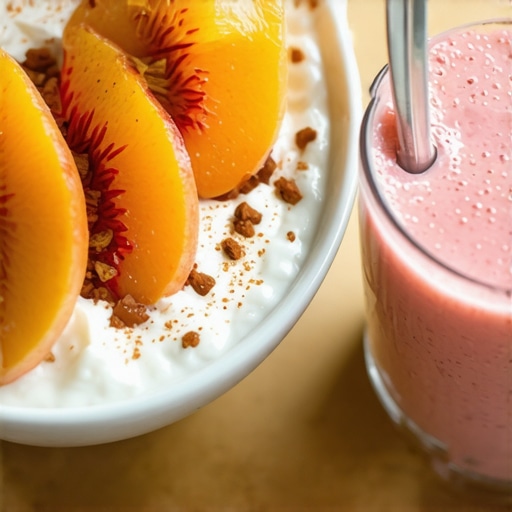
The Great Blender Experiment of Tuesday Night
By the third day of my orthodontic journey, I was so desperate for a taco that I did something I still regret: I put a fully loaded soft taco in the blender. I thought if I just turned it into a savory mousse, I could satisfy the craving. The result was a lukewarm, grayish paste that looked like something out of a sci-fi horror movie and tasted even worse. It was a messy reminder that you cannot force the process. Instead of trying to liquify hard foods, focus on foods that are naturally soft. Flaky fish like salmon, or even well-cooked lentils, provide that savory hit without the need for a blender-induced identity crisis for your dinner.
Keep the Hardware Clean After Every Mash
Soft foods have a nasty habit of sticking to everything. Since you are likely eating more frequently to make up for smaller portions, you need to be hyper-vigilant about hygiene. Sticky residue from mashed bananas or yogurt can trap bacteria against your enamel faster than you’d think. If you let it sit, you might end up needing to know how to fix a sharp wire poking your cheek at home because food debris can actually put pressure on the archwire and cause it to shift. Always rinse with water immediately after eating if you cannot get to a toothbrush. If you feel a weird sensation while eating, like a sharp sting, do not panic and assume it is a cavity; it might just be a temporary reaction, much like how to treat a burn on the roof of your mouth from hot pizza, where the soft tissues are just extra tender from the new appliance.
When to Graduate from the Blender
You will know you are ready for more texture when you stop thinking about your teeth the second you wake up. Start with ‘fork-tender’ foods—things you can easily cut with the side of a fork. Think overcooked pasta, soft-boiled carrots, or meatloaf. This transition is crucial because it helps your jaw muscles regain their strength without the shock of a ‘crunch.’ Avoid the temptation to jump straight back to popcorn or nuts, as those are the leading causes of broken brackets and emergency appointments. Take it slow, and remember that every soft meal is a step closer to a perfectly aligned smile.While we are on the subject of transitions, let us talk about the ‘set it and forget it’ myth that plagues the world of restorations. Most people believe that once a tooth is capped, it is basically immortal. In my experience, that is the most dangerous mindset you can have. A crown is not an invincibility cloak; it is a high-tech shield with a very specific weak point: the margin. If you have ever wondered why your gum line looks dark around an old crown, you are seeing exactly what I am talking about. It is often not just a cosmetic flaw but a sign that the seal is degrading.
Why Your Dental Crown Is Not an Invincibility Cloak
The common belief is that the porcelain cannot decay, which is true, but the natural tooth structure underneath it absolutely can. A study published in the Journal of Prosthetic Dentistry highlights that the long-term success of any restoration depends more on the health of the surrounding tissue and the precision of the marginal fit than the material of the crown itself. When you are looking into understanding dental crowns when and why they are needed, you have to realize you are signing up for a higher level of maintenance, not less. The ‘oops’ factor here is treating a crowned tooth like it is separate from your biology. If you are not flossing right at that junction, you are inviting bacteria to tunnel under that expensive porcelain. 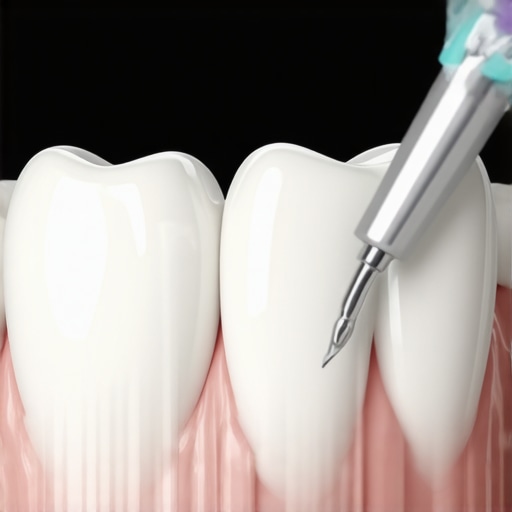
Can You Actually Outsmart a Failing Restoration?
This is the question I get from people who are already looking into revamp your smile top cosmetic dentistry trends for 2025 and want the latest tech. They want to know if they can just ‘wait it out.’ The answer is a hard no. The most expensive mistake is waiting for pain. Because a tooth with a crown or a deep filling often has a compromised nerve, it might not hurt until the infection has reached the bone. By then, you are looking at an extraction rather than a simple repair. If you are debating dental crowns vs. other restorations, the deciding factor should be how much healthy tooth structure is left to support the seal, not just the cost of the procedure.
Stop Waiting for the Pain to Signal a Problem
Another huge trap is the DIY emergency fix. I have seen patients who tried to save a few dollars by looking up the danger of using super glue to fix a broken crown only after they already applied it. Super glue is not biocompatible and can cause chemical burns on your gums or, worse, prevent a dentist from being able to properly re-seat the crown later. Whether you are seeking expert cosmetic dentistry solutions or just a routine check-up, the goal is proactive preservation. Even within a family dentistry guide building a lifetime of healthy smiles, the focus remains the same: the ‘permanent’ fix is only as permanent as the care you provide it. The hidden nuance that most people miss—and even some general practitioners overlook—is the role of occlusion (how your teeth meet). You can have the most beautiful porcelain work, but if your bite is off, the physics of your jaw will eventually shatter that material. Have you ever fallen into the trap of thinking a dental fix was ‘permanent’ and stopped babying it? Let me know in the comments.Once you realize that a crown or a set of braces is a living part of your oral ecosystem, you have to upgrade your toolkit. I used to think a standard manual toothbrush and some supermarket floss were enough. I was wrong. If you want to avoid the hidden reason your front teeth are wearing down, you need to think like a professional. I personally switched to a high-frequency sonic toothbrush because the vibration helps disrupt biofilm at the gum line where traditional bristles just can’t reach. But the real game-changer for me was the interdental brush. According to a study in the International Journal of Dentistry, interdental brushes are significantly more effective at removing plaque in hard-to-reach areas than traditional flossing alone, especially when you are dealing with complex restorations.
My Secret Weapon for Brackets and Bridges
If you have any type of prosthetic work, you need the best routine for cleaning under a dental bridge or around a crown. I started using a dedicated water flosser every single night. Why? Because it flushes out the debris that gets trapped in the ‘dead zones’ where the porcelain meets the gum. If you have been caring for your childs teeth essential family dentistry tips usually emphasize this too: consistency is better than intensity. I don’t just blast my gums on the highest setting; I use the specialized ‘orthodontic tip’ that has a little brush on the end. It’s like a tiny pressure washer for your mouth. It prevents that dreaded ‘old crown’ look by keeping the tissue healthy and tight against the margin.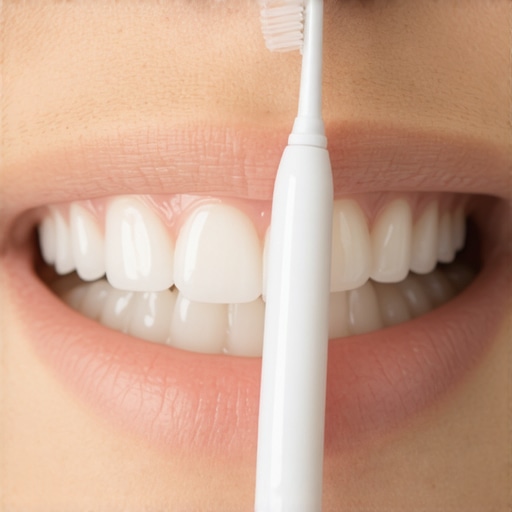
How do I maintain my dental work over time?
Long-term success is about more than just cleaning; it is about protecting the structural integrity of your teeth while you sleep. I never realized how much I was clenching until I saw the micro-fractures in my enamel. Now, I am religious about my night guard. I’ve learned the risks of skipping your night guard for just one week the hard way—you wake up with a jaw that feels like it’s been locked in a vise. If you have invested in dental crowns explained the ultimate solution for damaged teeth, a night guard is essentially your insurance policy. It absorbs the thousands of pounds of pressure your jaw can exert, preventing the porcelain from chipping and the underlying tooth from cracking.
The Future of Your Smile is Digital
Looking ahead, I predict we are moving toward a world where preventative dentistry is entirely data-driven. We are already seeing why your Culpeper dentist might need a 3d scan to find hidden tooth pain, but soon, I think we will have home-based scanning tools that sync with our phones to alert us to gum recession before it becomes a problem. These cosmetic dentistry innovations to watch aren’t just for Hollywood stars anymore; they are becoming standard for anyone who wants their dental work to last thirty years instead of ten. If you want to stay ahead of the curve, I highly recommend asking your dentist for a 3D baseline scan at your next visit. It creates a digital ‘map’ of your mouth that they can use to track even the tiniest movements or wear patterns over the next decade. Try adding an interdental brush to your routine tonight—just once—and you will be shocked at what your ‘perfect’ brushing routine has been leaving behind.
The Hardest Lessons from My Time in the Chair
Reflecting on my own journey through brackets and porcelain, I have realized that the most expensive mistakes aren’t usually the procedures themselves, but the assumptions we make afterward. The biggest ‘lightbulb moment’ for me was realizing that pain is a terrible diagnostic tool. If you wait until a tooth hurts to check on a restoration, you have already waited too long. I’ve learned that the real cost of delaying a necessary dental crown isn’t just financial—it is the loss of healthy tooth structure that you can never get back. Another lesson? The ‘set it and forget it’ mindset is a myth. Whether you are following a family dentistry guide or managing complex cosmetic work, your mouth is a changing environment that requires active participation. Finally, I discovered that the most beautiful smile isn’t the one that looks the whitest in photos, but the one that functions perfectly without a second thought.
My Non-Negotiable Kit for a Lifetime Smile
To keep my investment safe, I’ve narrowed my bathroom counter down to a few essential tools that I personally trust. First, a high-quality water flosser is non-negotiable for anyone who has graduated from dental crowns explained as the ultimate solution for their damaged teeth. It reaches the margins where bacteria hide. Second, I swear by interdental brushes; they are far more effective at cleaning the gaps created by orthodontic movement than standard string floss. I also keep a pH-balancing mouthwash on hand to neutralize acids after meals, which is a tip I picked up while researching child-friendly dental care for my own family. These aren’t just gadgets; they are the frontline defense for your oral health.
#IMAGE_PLACEHOLDER_E#
Your Smile Transformation Starts with One Choice
At the end of the day, dental work like braces or crowns is a partnership between you and your provider. It can feel overwhelming at first, but the confidence that comes with a healthy, functional smile is worth every soft-food meal and every extra minute of flossing. You don’t have to be perfect, you just have to be consistent. By embracing the latest expert cosmetic dentistry solutions and staying proactive with your maintenance, you are setting yourself up for decades of comfort. Remember, your smile is one of the few things you wear every single day—treat it like the masterpiece it is. Have you ever felt like your dental routine was missing a specific tool? Let me know in the comments below.