I remember the first time I realized my night guard had become a literal biohazard. I woke up, peeled the plastic off my teeth, and was hit by a scent that I can only describe as gym socks left in a damp basement for a month. It was mortifying. I consider myself a person with great oral hygiene—I never skip a checkup with my favorite family dentistry team—but this piece of plastic was defeating me. I even started panicking, wondering why my child’s breath smells bad before realizing the culprit in the house was actually me. If you are tired of that morning funk and the cloudy buildup that just won’t budge, you are in the right place. Today, I am going to share the exact routine that saved my sanity (and my relationship with my pillow). We are going to move past the ‘rinse and hope’ method and dive into the real science of keeping your oral appliances pristine.
Stop Turning Your Mouth Into a Petri Dish Every Night
Let’s be honest: we wear these things because our teeth feel sore after a long night of sleep from all that grinding. But if you aren’t cleaning your guard correctly, you’re basically paying to keep a bacterial colony pressed against your gums for eight hours straight. I made a massive mistake early on by thinking my regular whitening toothpaste was the solution. I figured if it cleans my teeth, it must clean the guard, right? Wrong. I didn’t realize that most toothpastes are abrasive. They create microscopic scratches in the material—tiny canyons where bacteria hide and multiply. According to a study published in the Journal of Clinical Periodontology, oral appliances can harbor significant amounts of Staphylococcus aureus and yeast if not disinfected properly. Once those scratches are there, the odor becomes almost impossible to kick. Have you ever opened your night guard case and felt like you needed to hold your breath? Drop a comment below if you’ve been there too.
Is a Quick Rinse with Water Actually Enough?
I used to think that a splash of cold water in the morning was all it took. I was so wrong. Think about it: saliva is full of proteins and minerals that harden over time. If you just rinse and toss it back in the case, you are creating a ‘biofilm’—a slimy layer of plaque that eventually turns into that hard, white crust you see on older guards. This isn’t just about the smell; it’s about the risks of skipping your night guard because it’s too gross to put in your mouth. We need to break down those proteins before they have a chance to solidify. Transitioning from a casual rinse to a structured cleaning habit changed everything for me, and it’s simpler than you might think.
When you roll out of bed, your first instinct is likely to brush your teeth to get rid of that ‘morning coat.’ You should apply that same urgency to your guard, but here is the kicker: use a separate, soft-bristled brush. I keep a dedicated ‘guard brush’ next to my sink. I learned this the hard way after noticing my guard was becoming perpetually cloudy. It turns out that even though I am obsessed with maintaining the lifespan of composite vs porcelain veneers, I was being far too aggressive with my acrylic guard by using my regular toothbrush. Use a non-abrasive soap. A tiny drop of clear, unscented dish soap works wonders because it chemically cuts through the stubborn proteins in your saliva without microscopically gouging the surface. Much like the best way to clean dentures without scratching the surface, gentle mechanical action is your best friend for removing daily plaque buildup.
Brush Your Guard Immediately But Skip the Toothpaste
Think of your night guard like a high-end sports car; you wouldn’t wash the paint with a wire brush. Toothpaste contains silica to scrub away stains from enamel, but on soft acrylic or dual-laminate guards, it acts like sandpaper. I once spent three months scrubbing my guard with whitening paste, only to realize I had turned the clear plastic into a frosted mess that felt like a cat’s tongue against my inner cheeks. That rough texture isn’t just uncomfortable; it provides the perfect anchors for plaque to latch onto. If you have ever wondered why your teeth feel fuzzy even after you brush them, imagine that same ‘fuzz’ growing inside the crevices of your expensive dental appliance. Use lukewarm water—never hot, as heat can warp the fit and send you back to the dentist for an expensive replacement.
The Weekly Deep Soak That Actually Works
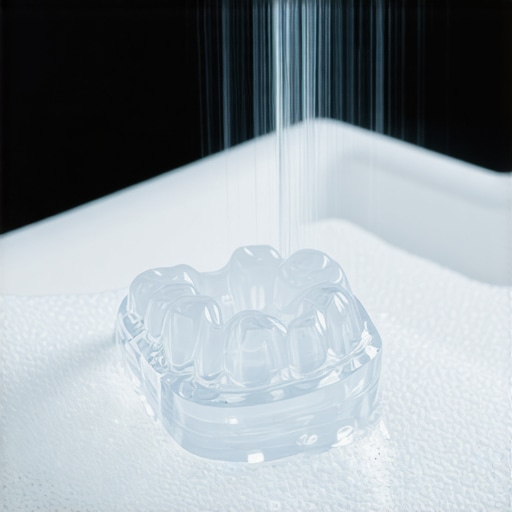
Once a week, you need a level of decontamination that a brush simply cannot provide. I am a firm believer in the white vinegar soak. Mix one part distilled white vinegar with three parts water and let the guard sit for about 15 to 20 minutes. I’ll be honest: I once forgot my guard in a bowl of straight vinegar for an entire afternoon while I ran errands. When I popped it in that night, I felt like I was sucking on a giant salt-and-vinegar potato chip. It was incredibly effective at removing the white mineral crust, but the taste lingered for days! Now, I always set a timer. This soak is crucial because it dissolves the calcium deposits—tartar for your guard—that harbor odors. If you are already dealing with why your mouth feels like sandpaper every morning, the last thing you want is a crusty, bacteria-laden guard making your breath even worse.
Never Toss a Damp Guard into a Closed Case
The most common mistake I see people make is the ‘rinse and shut’ move. Bacteria and mold thrive in warm, damp, dark environments—exactly what a closed plastic case provides. After your morning cleaning, lay your guard on a clean, lint-free paper towel and let it air dry completely before you even think about putting it away. It is a similar logic to the secret to cleaning your teeth while wearing a retainer: hygiene is a two-part process involving the appliance and its environment. I used to just throw mine in the case while it was still dripping, and within a week, the hinges of the case had developed a black mold that was impossible to scrub off. Now, I leave the case open on my vanity until the guard is bone dry. This simple habit alone eliminated 90% of the ‘gym sock’ smell I was battling.
Maintaining a clean night guard is the first step, but if we really want to talk about long-term oral health, we have to look at the foundations of our dental work. Most people assume that once a crown is seated or a veneer is bonded, the job is done for the next decade. In my experience, this ‘set it and forget it’ mentality is exactly why so many people end up back in the chair sooner than they expected. We often treat these restorations as indestructible, but the truth is, the interface where your dentistry meets your natural tooth is the most vulnerable square millimeter in your mouth. If you have ever noticed that your gum line looks dark around an old crown, you are seeing the result of this nuanced battle between material and biology.
The Margin is Where Most Restorations Fail
Common wisdom suggests that the crown itself wears out, but it is actually the ‘margin’—the tiny edge where the crown meets your tooth—that usually fails first. Even the most advanced family dentistry guide will emphasize that bacteria don’t need a massive hole to start a cavity; they just need a microscopic gap. A study published in the Journal of Prosthetic Dentistry highlights that marginal fit is the single greatest predictor of restoration longevity. This is why I always tell people that choosing between dental crowns vs other restorations isn’t just about the upfront cost; it’s about how precisely that margin can be sealed. Have you ever felt a tiny ‘snag’ when flossing around a back tooth? That could be a sign that your restoration is starting to leak. Let me know in the comments if you’ve ever had a crown that just didn’t feel ‘flush’ from day one.
Why Does Your Crown Feel Tight Only in the Morning?
If you wake up and feel like your teeth are being squeezed, it is easy to blame the night guard. However, there is a hidden nuance here: why your crown feels tight when you wake up often has more to do with microscopic shifts in your bite during the night than the appliance itself. When we grind, we apply hundreds of pounds of pressure. If your crown is even a hair too high, it acts like a lightning rod for all that force, causing the ligament around the tooth to become inflamed and swollen. This is the ‘Oops’ factor many ignore—they keep adjusting their night guard when the real issue is a high spot on the porcelain. Have you ever fallen into this trap? I spent weeks trimming my guard only to realize I just needed a thirty-second bite adjustment at the dentist.
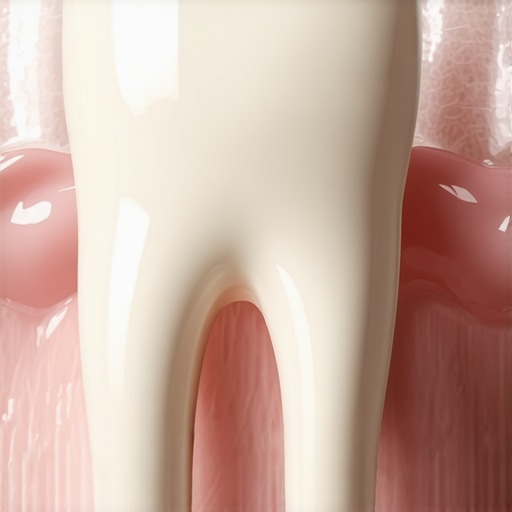
Speaking of traps, let’s talk about the ultimate dental ‘no-no.’ I’ve seen countless forum posts from people suggesting you can just ‘glue it back on’ if a crown pops off over the weekend. Please, hear me: the danger of using super glue to fix a broken crown cannot be overstated. Not only is it toxic, but it creates a layer of uneven film that prevents your dentist from ever seating that crown properly again. You could turn a simple re-cementing appointment into a full replacement. If you’re worried about the lifespan of composite vs porcelain veneers or crowns, the best thing you can do is keep the area clean and wait for a professional. Understanding these nuances—from marginal integrity to the physics of your bite—is what separates a healthy smile from a constant cycle of repairs.
The secret weapon I added to my vanity last year wasn’t a fancy whitening kit; it was a compact ultrasonic cleaner. I realized that even with my dedicated ‘guard brush,’ I was still missing the microscopic nooks where calcification begins. If you want to keep your restorations pristine, you have to think like a pro. These devices use sound waves to create cavitation bubbles that implode, literally blasting away debris that a bristle can’t touch. This is especially vital if you are following the best routine for cleaning under a dental bridge or maintaining a complex night guard. I use mine twice a week with a specialized tablet, and the difference in clarity is night and day.
Your Bathroom Needs an Ultrasonic Upgrade
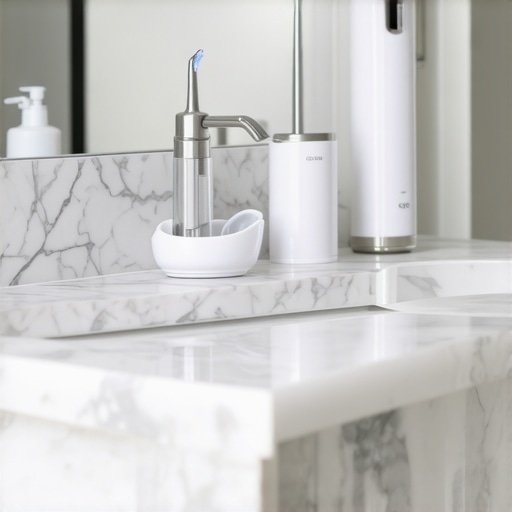
Beyond the ultrasonic bath, I’ve become an evangelist for the water flosser, but with a specific tweak. Most people just spray aimlessly, but if you have crowns or veneers, you need to use the ‘Plaque Seeker’ tip—the one with the tiny tufts of bristles. According to a study in the International Journal of Dentistry, water flossing at a 90-degree angle to the gum line is significantly more effective at reducing gingival inflammation than traditional string floss around dental implants and crowns. I personally use it on a medium setting to ensure I’m flushing out the sulcus without putting too much hydraulic pressure on the cement seal. It is a game-changer for anyone who wants to avoid how to tell if your crown needs to be replaced immediately due to preventable decay at the margin.
How can I keep my dental work looking brand new for decades?
Maintenance isn’t just about the tools; it’s about the timing. We often focus on the adults in the room, but the same principles apply when caring for your childs teeth. Scaling these habits across the family ensures that your investment in expert cosmetic dentistry solutions doesn’t go to waste. I recommend a ‘maintenance audit’ every six months where you check for any ‘staining at the edges’—a common sign that the composite or porcelain interface is beginning to age. If you catch these micro-leaks early, your dentist can often polish and reseal the area rather than replacing the entire piece.
3D Printing and AI are Changing the Maintenance Game
Looking ahead, the way we manage our dental health is shifting toward predictive tech. We are already seeing the rise of top cosmetic dentistry trends for 2025, which include AI-integrated apps that sync with your electric toothbrush to map wear patterns on your crowns in real-time. Soon, your night guard might even have sensors to alert you when your grinding intensity increases, suggesting a bite adjustment before you ever feel pain. This proactive approach is the future of building a lifetime of healthy smiles. My advice? Don’t wait for a chip or a smell to take action. Start using a water flosser with a specialized tip tonight—it’s the single most effective way to protect the margins of your dental work and extend the life of your smile by years.
What I Finally Learned After Years of Replacing Expensive Dental Work
I used to think the dentist’s office was just a repair shop where I’d go once things broke. I didn’t realize that family dentistry is actually about a preventive partnership that starts at home. The biggest realization? My night guard wasn’t just a piece of plastic; it was an insurance policy for my restorations. If I had known the real cost of delaying a necessary dental crown, I would have been much more diligent with my hygiene routines from day one. Another lightbulb moment was realizing that understanding dental crowns involves knowing they are strong but not invincible—they require the same, if not more, care than natural enamel to prevent decay at the margins.
#IMAGE_PLACEHOLDER_E#
The Daily Toolkit That Keeps My Breath Fresh and My Veneers Bright
If you want to move beyond the basic toothbrush, I highly recommend investing in a high-quality water flosser and an ultrasonic cleaner. These aren’t just gadgets; they are the gold standard for maintaining modern cosmetic dentistry innovations and ensuring your breath stays fresh. For those looking to protect their family’s long-term health, following a comprehensive family dentistry guide makes these habits second nature. I also swear by specialized cleaning tablets that are specifically formulated for acrylic appliances to avoid that cloudy buildup that once used to embarrass me.
Take Charge of Your Oral Health Future Today
You don’t have to wake up with that dreaded morning funk or worry about a crown popping off at the worst possible moment. By implementing a consistent cleaning routine and staying proactive with your local dentist, you are building a foundation that lasts decades. This isn’t just about avoiding a dental bill; it’s about the confidence that comes with a healthy, pain-free smile that lasts a lifetime. Let’s make that gym-sock smell a thing of the past for good.
What is the biggest challenge you face when trying to keep your night guard or retainers clean every morning? Let me know in the comments below!