I was standing on my porch last January, breath misting in the air, when I felt a sensation I can only describe as a ‘brain freeze’ but in my lower chin. It was sharp, metallic, and honestly, a little terrifying. I’d spent quite a bit of time and effort perfecting my smile with [expert cosmetic dentistry solutions](https://alignorthodonticz.com/transform-your-look-with-expert-cosmetic-dentistry-solutions), so my first thought was that my body was suddenly rejecting the metal. I stood there, hand to my face, wondering if my jaw was literally freezing from the inside out. It’s a moment of panic I think many of us share when we move from natural teeth to restorations. We expect them to be indestructible, but we don’t always expect them to feel… different.
Titanium Roots and the Great Winter Chill
The first thing I did when I got inside was grab a warm cloth and start Googling like a madman. I’ve been through the ringer with my teeth, from [understanding dental crowns](https://alignorthodonticz.com/understanding-dental-crowns-when-and-why-they-are-needed) to navigating the [role of family dentistry](https://alignorthodonticz.com/the-role-of-family-dentistry-in-ensuring-oral-health-for-all-ages) for my kids, so I thought I knew it all. But I made a major mistake early on: I assumed that because my implant was fused to my bone, it would be insulated just like a natural tooth root. I was wrong. Natural teeth have a complex system of nerves and blood flow that acts as a sort of internal thermostat. Your titanium post? Not so much. It’s a fantastic piece of engineering, but at the end of the day, it is still metal. Metals are highly efficient conductors of heat and cold. According to the Journal of Oral Implantology, titanium has a much higher thermal conductivity than human dentine or enamel. When you breathe in that crisp, sub-zero air, that metal post can actually drop in temperature faster than the surrounding tissue, creating a unique sensation that feels like a deep-seated chill.
Is this cold sensation a sign of failure?
This is where most people start to sweat (even in the snow). You might start wondering [how to tell if your dental implant is being rejected](https://alignorthodonticz.com/how-to-tell-if-your-dental-implant-is-being-rejected-by-your-body) or if you’re experiencing a legitimate [dental emergency while traveling](https://alignorthodonticz.com/how-to-handle-a-dental-emergency-while-traveling). I certainly did. I spent a whole weekend worried that the cold meant my bone was pulling away from the post. But here is the reality: unless you are feeling sharp pain, seeing significant swelling, or noticing that the [dental implant crown keeps coming loose](https://alignorthodonticz.com/why-your-dental-implant-crown-keeps-coming-loose-2), a bit of thermal sensitivity is usually just physics doing its thing. It is a world apart from the deep ache of a cavity or the pain of [damaged teeth](https://alignorthodonticz.com/dental-crowns-explained-the-ultimate-solution-for-damaged-teeth) that need a crown. Today, I want to walk you through exactly why this happens, how to tell the difference between a ‘chilly post’ and a real problem, and a few neighborly tips I’ve learned for keeping your jaw warm when the mercury drops. Have you ever felt that weird, localized ‘metal chill’ when you’re out shoveling snow, or did it catch you off guard like it did me?
[image_placeholder]
Tell the Difference Between Physics and a Real Dental Emergency
Before you panic and start calling every after-hours clinic, you need to perform a quick diagnostic check. When I felt that metallic zing last winter, I had to stop and ask: Is this a sharp, localized ‘zap’ that vanishes the moment I step inside, or is it a throbbing ache that lingers? Think of your titanium implant like an aluminum flagpole; it gets cold fast, but it warms up just as quickly. If you are feeling a persistent pulse or a deep pressure, you might be dealing with something else entirely. It is vital to learn how to tell if your toothache is a cavity or just sensitivity. A cold titanium post is usually just a temporary reaction to the environment, whereas a real issue like peri-implantitis won’t care if you’re standing in front of a fireplace or a snowdrift.
Use Your Nose as a Natural Heater
One of the simplest ways to protect your metal restorations is to change how you breathe. Last February, while I was out helping a neighbor jump-start their car, I noticed that every time I spoke or took a deep breath through my mouth, my jaw would ‘tighten.’ The fix? Nasal breathing. Your nasal passages are designed to humidify and warm the air before it reaches your lungs—and your mouth. By keeping your lips sealed, you create a pocket of body-temperature air that insulates your dental crowns and implants. This isn’t just for adults, either; teaching your kids this trick is a staple of caring for your childs teeth with essential family dentistry tips during the harsher months.

The Scarf Strategy for Thermal Insulation
If you know you’re going to be outside for more than ten minutes, a scarf isn’t just a fashion choice—it’s a thermal barrier for your jawbone. I’ve found that wrapping a heavy wool scarf specifically over the lower half of my face acts as an external insulator. It traps the heat your skin is radiating and prevents the wind-chill from stripping the temperature away from your titanium post. I once tried to go for a run without one in thirty-degree weather, and by mile two, my entire lower jaw felt like I was biting down on a frozen spoon. Since then, I don’t leave the house without a barrier. It’s a simple mechanical solution that prevents the need to wonder how to tell if your crown needs to be replaced immediately due to thermal stress cracks—though porcelain is tough, the constant expansion and contraction isn’t doing it any favors.
Monitor Your Hydration to Protect Your Gums
Winter air is notoriously dry, which leads to ‘cotton mouth.’ When your mouth is dry, your gums can recede slightly or become irritated, making the area around the implant more susceptible to temperature shifts. I make it a point to drink lukewarm water throughout the day. Ice water is the enemy here; you don’t want to add more thermal shock to a system that’s already struggling with the outdoor chill. Keeping the tissue hydrated ensures that the ‘seal’ between your gum and the implant crown remains healthy and resilient. This level of maintenance is a key part of the family dentistry guide to building a lifetime of healthy smiles. If you keep the surrounding tissue happy, the titanium post underneath will have a much better buffer against the elements.
Despite what you might have heard, simply covering up with a scarf isn’t always the full solution for cold-weather dental sensitivity. The nuance that many patients—and even some general practitioners—miss is the ‘coefficient of thermal expansion.’ Every material in your mouth, from your natural bone and enamel to titanium posts and zirconia crowns, reacts to temperature changes at slightly different rates. When you transition from a heated home to a frigid outdoor environment, these materials ‘compete’ on a microscopic level. This is why you might find that your crown feels tight when you wake up or after a long walk in the snow; it isn’t just your imagination, it is physics. A study published in the Journal of Prosthetic Dentistry highlights that repetitive thermal cycling can create micro-fatigue in bonding agents. This isn’t just about temporary discomfort; it’s about the real cost of delaying a necessary dental crown replacement if that seal begins to fail due to constant expansion and contraction.
Stop Reaching for the Glue and Avoid the DIY Trap
One common ‘trap’ I see in dental forums is the ‘Super Glue Solution.’ If a cold snap makes your restoration feel slightly loose or ‘off,’ the worst thing you can do is attempt a home repair. The danger of using super glue to fix a broken crown cannot be overstated; it is toxic, irritates the gum tissue, and creates an uneven layer that prevents a dentist from ever seating the crown properly again. Instead, look toward the top cosmetic dentistry trends for 2025, which favor bio-compatible ceramics that mimic natural thermal expansion more closely than older metal-fused options. Modern materials are engineered to be less conductive, providing a buffer between the winter air and your sensitive nerves. 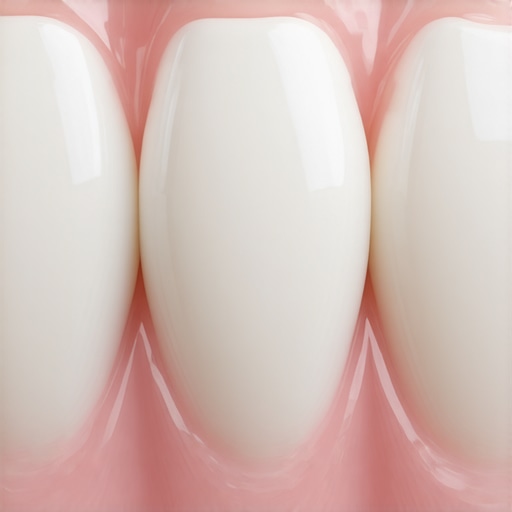
Could your cold sensitivity actually be a sign of a hidden fracture?
Sometimes, what we dismiss as the ‘winter blues’ for our teeth is actually a mechanical failure. It is essential to know how to tell if your dental crown has a hidden crack. Cold air acts as a diagnostic tool; it enters microscopic fissures and reaches the sensitive dentin beneath. This is where the debate of dental crowns vs other restorations becomes a vital conversation with your provider. If you’re feeling a sharp ‘zap’ that lingers, you might be dealing with more than just metal conductivity. Expert cosmetic dentistry solutions now include digital bite mapping to ensure your restorations aren’t taking unnecessary stress when you clench your jaw against the wind. Have you ever fallen into the trap of thinking a persistent tooth zap was ‘just the weather’ only to find it was a hidden issue? Let me know in the comments.
I’ve realized that owning dental implants is a bit like owning a high-performance car; you don’t just drive it off the lot and forget about it. When that winter chill hits, my ‘maintenance kit’ changes. I’ve become incredibly picky about the tools I use, specifically because I’ve seen how easily a standard routine can fail when your gums are already stressed by the cold. My absolute non-negotiable is a high-quality water flosser. I personally use the Waterpik Aquarius because it allows me to control the pressure precisely—which is vital when my gums feel a bit more brittle in February. It is hands-down the best routine for cleaning under a dental bridge or an implant crown. I’ve found that using slightly warm water in the reservoir instead of cold tap water completely eliminates that sharp metal zing I mentioned earlier. It’s a tiny tweak, but it saves me from that ‘ice-cube-to-the-nerve’ sensation every single morning.
How can you keep your dental work perfect for decades?
Maintenance isn’t just about cleaning; it’s about structural protection. In my experience, the biggest threat to long-term success isn’t just bacteria—it’s mechanical stress. I learned this the hard way after realizing the risks of skipping your night guard for just one week. When it’s cold, we tend to clench our jaws more—a natural reflex to keep warm. That pressure, combined with the thermal contraction of the metal posts, can lead to micro-fractures. I now use a custom-fit occlusal guard every night. It acts as a physical thermal insulator and a shock absorber. This prevents that weird sensation where your crown feels tight when you wake up. If you aren’t protecting your investment from your own jaw muscles, the most expensive expert cosmetic dentistry solutions won’t last their full lifespan.
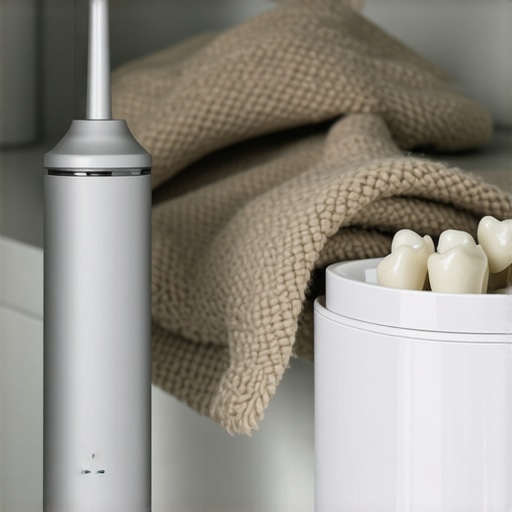
Looking ahead, I suspect we are moving toward ‘smart’ dentistry. I’ve already seen prototypes of smart toothbrushes that can detect the specific chemical markers of inflammation around an implant before you ever feel pain. According to a report by the American Academy of Implant Dentistry (AAID), the focus is shifting heavily toward ‘biologic width’ preservation—basically, ensuring the seal between your gum and the restoration is impenetrable. This is why I’m so vocal about why your gums are receding despite using a soft toothbrush; if that seal breaks, the cold air is the least of your worries. In the near future, top cosmetic dentistry trends for 2025 will likely include embedded sensors in dental crowns that alert your phone if the bonding agent is degrading due to thermal stress. For now, my best advice is to stop using alcohol-based mouthwashes during winter; they dry out the mucosal lining and make your mouth feel like sandpaper. Switch to a pH-balanced, alcohol-free rinse to keep your tissue supple and resilient. If you haven’t tried the ‘warm water flosser’ trick yet, do it tomorrow morning—your jaw will thank you.
Lessons from a Frozen Porch and Three Polar Vortexes
I’ve lived through enough winters with titanium in my jaw to realize that most of the ‘scary’ sensations are just physical reactions we aren’t warned about. First, I learned that a ‘metallic zap’ isn’t always a failure; it’s often just the thermal conductivity of the post reacting to the air before your gums can insulate it. Second, hydration is your best friend. I used to wonder why your mouth feels like sandpaper every morning, and it turns out dry winter air makes your gums more sensitive to those temperature shifts. Finally, never underestimate the power of nasal breathing; your nose is a built-in heater that protects your restorations from direct exposure to sub-zero gusts.
My Cold-Weather Dental Survival Kit
If you want to keep your smile comfortable when the mercury drops, there are three things I never go without. I always recommend a high-quality water flosser, like the Waterpik Aquarius, used with lukewarm water to avoid that sharp thermal shock to the nerves. For physical protection, a heavy wool or fleece neck gaiter is a game-changer for keeping the bone around your implants warm. Lastly, I cannot stress enough the risks of skipping your night guard for just one week during winter; we clench our jaws more when we’re cold, and that extra pressure on a chilly titanium post is a recipe for soreness.
Own Your Smile Regardless of the Forecast
You’ve invested time and resources into your health, so don’t let a little frostbite-fear keep you indoors. By understanding how your body interacts with these materials, you can enjoy the winter scenery without a single ‘zing.’ Whether you are looking at top cosmetic dentistry trends for 2025 or maintaining what you already have, proactive care is the key. Your expert cosmetic dentistry solutions are designed to last a lifetime, even through the harshest blizzards, provided you treat them with a little extra seasonal respect. Have you ever noticed that your teeth feel more sensitive or ‘tight’ when the temperature drops below freezing? Let me know your experience in the comments below!