I’ll never forget the feeling of that heavy silicone hardening against my gums while I frantically Googled “how to remove dental tray stuck in mouth.” There I was, trying to save a few bucks on cosmetic dentistry, and instead, I was nearly calling an emergency office. It’s a classic story: the allure of a straight smile delivered to your mailbox in a pretty box. But that night, as I pried the plastic from my jaw with a mix of sweat and regret, I realized there is a massive gap between a glossy Instagram ad and the messy reality of DIY impressions. We all want that perfect look, but I learned the hard way that cutting corners can lead to teeth shifting unexpectedly. Today, I am going to pull back the curtain on these kits so you do not make the same mistakes I did.
Why DIY Orthodontics Might Be Costing You Your Smile
In the world of family dentistry, we often talk about the foundation of a healthy mouth. When I first looked into at-home aligners, I was blinded by the convenience. I thought I could skip the professional office visits and handle the heavy lifting myself. I was wrong. My biggest mistake was assuming my teeth were “simple” enough to fix without a doctor’s eyes on me. I ended up with a bite that felt like it belonged to someone else, eventually needing a professional to revamp my smile properly. The reality is that moving teeth is a biological process, not just a cosmetic one. If your impressions are not perfect—and believe me, it is harder than it looks—your aligners will not fit. You might even find that your clear aligners stop fitting after just one week because the initial mold was slightly off. Have you ever felt like you were in over your head with a “simple” at-home health kit?
Is a mail-order kit really worth the risk to your teeth?
Skepticism is your best friend here. While the price tag is tempting, the American Association of Orthodontists warns that nearly 13 percent of orthodontists see patients who tried DIY teeth straightening and ended up with permanent, sometimes irreparable damage. That is a staggering number of people who, like me, just wanted to fix a small gap or straighten a few crooked teeth. Without a professional check-up, you might be moving teeth that have underlying issues, like hidden fractures or gum recession, which can turn a minor adjustment into a total tooth loss scenario. It is not just about the plastic; it is about the safety of the bone and tissue holding your smile in place. Before you bite down on that putty, let us look at what really happens behind the scenes of those mail-order companies.
Clear the Path with a Comprehensive Exam
Before you even think about moving a single tooth, you have to ensure the structural integrity of your entire mouth. Think of your jaw like a house foundation; you wouldn’t try to straighten a wall if the concrete beneath it was cracking. Mail-order kits often bypass the X-ray phase, which is a massive gamble. I remember trying to force a tray onto my molars only to realize later that I had a hairline crack I couldn’t see. Without a professional to help you tell if your tooth sensitivity is actually a hidden fracture, you risk putting pressure on a tooth that is already compromised. A dentist doesn’t just look at the straightness; they look at the root health and bone density.
Choose the Right Tool for the Job
Not every smile gap needs an aligner. Sometimes, the issue is structural rather than just a spacing problem. I spent months obsessing over a small gap, thinking aligners were the only answer, only to find out a simple restoration would have been faster and safer. You need to weigh dental crowns vs other restorations to see which one actually aligns with your long-term health goals. If you have a heavily damaged tooth, an aligner might actually cause more harm than good, whereas understanding dental crowns can help you realize when you need protection rather than just movement. 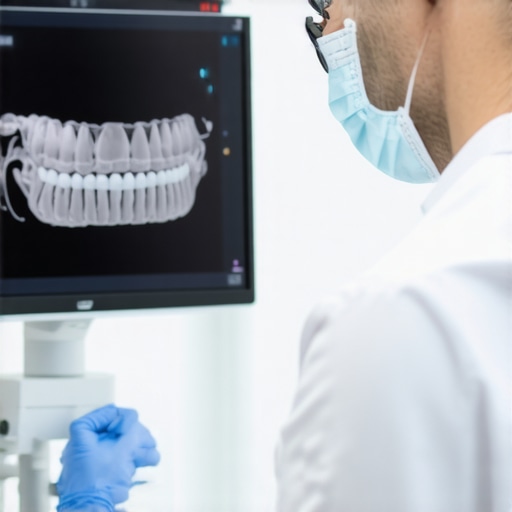
Master the Maintenance of Your Gear
If you do go the route of professional aligners or cosmetic enhancements, the work doesn’t stop once they are in your mouth. One of my biggest fails was neglecting the hygiene of my trays, which quickly turned them into a breeding ground for bacteria. You have to learn how to clean clear aligners properly without using abrasive chemicals that can warp the plastic. I once tried a harsh soak that actually made my aligners brittle, a mistake that cost me a week of progress. Precision in cleaning is just as important as the precision of the fit.
Guard Your Results After the Heavy Lifting
The most actionable advice I can give is to respect the ‘retention’ phase. Your teeth have a memory, and they want to return to their old, crooked ways the second you stop applying pressure. I learned this the hard way when I skipped my retainer for just a few nights and felt that familiar, dull ache of my teeth migrating back. You must have a plan for how to keep your teeth from shifting, which usually involves a permanent or nightly retainer. This isn’t a suggestion; it’s a requirement for anyone who wants to revamp their smile for the long haul. Without this step, all the money and time spent on expert cosmetic dentistry solutions will vanish within months.Most people think that choosing between a crown and a simple filling is just about the size of the hole in their tooth, but that is a dangerous oversimplification. I used to believe that as long as I was not in pain, my teeth were fine. However, in the realm of family dentistry, we learn that silence from your nerves does not mean safety for your roots. A common myth is that cosmetic dentistry is purely for vanity. In reality, procedures like crowning a cracked tooth are about structural preservation. If you treat a structural failure with a cosmetic mindset, you are likely to overlook the microscopic margins that determine if your restoration lasts five years or twenty.
The Dangerous Myth That Cosmetic Work is Just for Looks
I see so many patients treat these solutions as a luxury, but the truth is that they are often the only thing preventing a total tooth loss. The Journal of Dentistry notes that the integrity of a crown’s margin is the primary factor in preventing recurrent decay. If that seal is even a fraction of a millimeter off—something a mail-order kit could never account for—you are essentially trapping bacteria against your tooth. This is why you must understand dental crowns vs other restorations before making a decision based solely on price. A “cheap” fix often leads to a “leaking” restoration, which is one of the most expensive traps in modern dentistry because it destroys the tooth from the inside out without you feeling a thing.
Is that new crown actually leaking behind your back?
It is a question that haunts many who have had work done: how do you know if the job was actually done right? You might notice a faint metallic taste or a slight graying near the gum line. This is where dental crowns explained by a professional become invaluable. They can use diagnostic tools to tell if your crown is leaking and trapping bacteria long before an abscess forms. I’ve seen people ignore a “high” bite for weeks, thinking they just need to get used to it. But why your porcelain crown feels too high when you bite down is actually a sign of potential trauma to the ligament, which can cause the tooth to become loose. 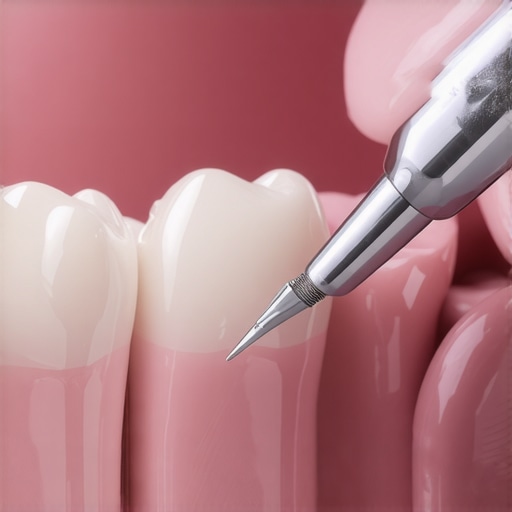
Don’t Let the Convenience Trap Ruin Your Dental Health
The ultimate nuance that most people miss is that caring for your child’s teeth or your own requires a longitudinal view of health. You aren’t just buying a piece of porcelain; you are buying a clinical relationship. When you bypass the dentist, you lose the person who can spot the difference between a minor cosmetic chip and a deep-seated structural failure. I learned that the hard way when a “small gap fix” turned into a major bite realignment. Have you ever fallen into this trap of choosing convenience over clinical precision? Let me know in the comments! If you are ready to stop guessing and start fixing, it might be time to contact us and get a professional eye on your smile. Trusting a mailbox to do the work of a doctor is a gamble where your health is the ante. Let’s focus on revamping your smile with the expertise it actually deserves.Once you have invested in professional help, the game shifts from ‘fixing’ to ‘preserving.’ I learned this after my first high-end restoration; I thought I was done, but the real work had just started. One tool I absolutely insist on is a dedicated ultrasonic cleaner for any removable appliance. If you are using a toothbrush to scrub your hardware, you are likely creating microscopic grooves that invite plaque. It is a critical part of the family dentistry guide to recognize that maintenance tools matter as much as the initial procedure. Personally, I use a 42,000Hz ultrasonic bath because it reaches the crevices no bristle can touch, and it is the only way I have found to clean a night guard effectively without damaging the material. In the clinical setting, the ‘tool’ that changed everything for me was the transition to CAD/CAM (Computer-Aided Design and Manufacturing). According to a study in the International Journal of Computerized Dentistry, digital impressions reduce the marginal gap of crowns to less than 30 microns, significantly outperforming traditional silicone molds. This precision is what keeps your investment from failing early. If you want to make your dental bonding last or ensure your crown stays sealed, you should be asking your provider about their digital scanning protocols. 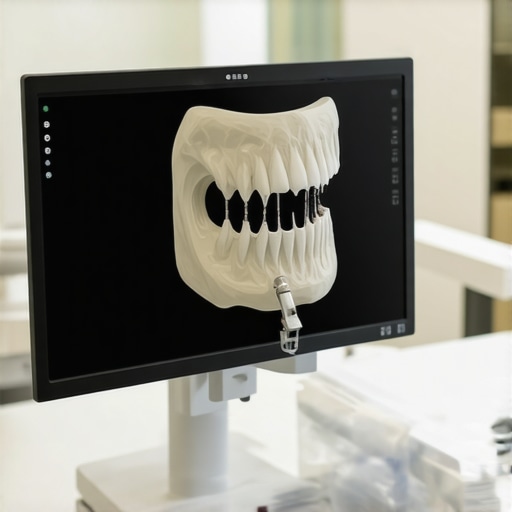
How can I keep my cosmetic work looking new for years?
Long-term success boils down to the ‘low and slow’ approach to hygiene. It is not about brushing harder; it is about brushing smarter and knowing how often you really need to replace your toothbrush. I recommend a high-quality electric brush with a pressure sensor—not because it is fancy, but because it prevents the gum recession that eventually exposes the edges of your beautiful new crowns. Looking ahead, I predict we are moving toward ‘Digital Twins’ in dentistry. Soon, you will have a high-resolution 3D map of your mouth stored in the cloud, allowing your dentist to track wear and tear at a sub-millimeter level over decades. This is one of the most exciting cosmetic dentistry innovations to watch. Instead of waiting for a tooth to crack, we will see the stress patterns forming years in advance. My advanced tip for you today: stop using tap water in your oral irrigator and switch to a diluted, antimicrobial rinse once a week to keep the sub-gingival areas of your crowns pristine. If you have not upgraded your home maintenance kit yet, that ultrasonic cleaner should be your first purchase.
The Hard Truth About Cutting Corners
Reflecting on my journey, the biggest revelation wasn’t just that DIY kits can fail, but that they lack the biological oversight essential for a healthy mouth. One major lightbulb moment was realizing that ‘straight’ is not the same as ‘functional.’ You can have perfectly aligned front teeth, but if your molars are clashing, you’re setting yourself up for a lifetime of jaw pain. I also learned that the role of family dentistry isn’t just about cleanings; it’s about having a guardian for your bone health. Most importantly, I realized that an investment in a professional now prevents an emergency later. Treating your mouth like a craft project is a risk that rarely pays off when your actual health is on the line.
#IMAGE_PLACEHOLDER_E#
My Personal Toolkit for Lasting Results
If you want to maintain the results from expert cosmetic dentistry solutions, you need the right gear. I swear by a few specific items: first, a high-quality electric toothbrush with a pressure sensor to protect those delicate gum lines. Second, I cannot recommend a 42,000Hz ultrasonic cleaner enough for anyone with a retainer or bridge; it is simply the best way to clean a night guard safely. Finally, I always check dental crowns explained resources to ensure I’m getting the most modern materials like zirconia, which offer both strength and beauty. These tools are the difference between a restoration that lasts five years and one that lasts twenty.
Invest in Your Future Confidence
Your smile is one of the few things you wear every single day of your life. While the temptation to save a few dollars with a mail-order kit is real, the value of professional clinical precision is priceless. Don’t be afraid to take the slow road to a better smile—it’s the only one that actually leads to a destination worth reaching. Whether you need to make your dental bonding last or you’re ready for a full restoration, your future self will thank you for choosing expertise over convenience. If you are ready to start your journey with a team you can trust, you should contact us today to see what’s truly possible for your smile. Have you ever had a DIY project go wrong, or are you currently debating between a mail-order kit and an in-office visit? Let me know in the comments!