I’ll never forget the night I nearly called an emergency [dentist](https://alignorthodonticz.com/contact-us) because my son’s new adult molar looked like a jagged saw blade. I was absolutely convinced he had some bizarre enamel deficiency or that his teeth were literally crumbling before my eyes. My heart was racing as I poked around his mouth with a flashlight, much to his annoyance. I’d spent years focusing on [caring for your child’s teeth](https://alignorthodonticz.com/caring-for-your-childs-teeth-essential-family-dentistry-tips) with religious devotion, so seeing those weird bumps felt like a personal failure. But here is the truth: those ridges, known as mamelons, are a perfectly natural part of tooth development. Today, I’m going to explain why these ridges appear and why they are usually nothing to lose sleep over. I want to help you understand what’s happening in that growing mouth so you can stop worrying and start celebrating those big milestones.
Those Bumpy Teeth Have a Very Specific Name
When those permanent teeth finally break through the gums, they often look strikingly different than the smooth baby teeth we’ve grown used to. These serrated edges are actually the result of how teeth are formed deep inside the jaw long before they ever emerge. According to the American Dental Association (ADA), most permanent teeth develop from three or four separate lobes of calcification that eventually fuse together, leaving behind those distinctive bumps on the biting edge. It’s part of the blueprint of [child-friendly dental care](https://alignorthodonticz.com/child-friendly-dental-care-the-foundation-of-good-oral-health) to understand that nature isn’t always perfectly smooth right out of the gate. I made the mistake of thinking I needed to ‘fix’ them immediately, but in reality, they often wear down naturally through the simple act of chewing and normal tooth-on-tooth contact. They are essentially the ‘new car smell’ of the dental world—a sign that the tooth is brand new and hasn’t seen the wear of a thousand sandwiches yet.
Is This Ridge Thing Just a Way to Sell More Treatments?
You might be wondering if your [family dentistry](https://alignorthodonticz.com/the-role-of-family-dentistry-in-ensuring-oral-health-for-all-ages) provider is just ignoring these ridges to avoid extra work, or conversely, if they will try to talk you into expensive [cosmetic dentistry](https://alignorthodonticz.com/transform-your-look-with-expert-cosmetic-dentistry-solutions) to ‘smooth’ them out. The skepticism is real. Why would a tooth come in looking ‘unfinished’ if it was supposed to be permanent? However, these ridges are actually a sign of a ‘fresh’ tooth. If your child’s bite is aligned correctly, those bumps will eventually flatten out on their own as they mature. Have you ever noticed these saw-like edges on your kid’s teeth and felt that immediate parental panic set in? You aren’t alone. Before you start worrying about [how to tell if your child has a cavity](https://alignorthodonticz.com/how-to-tell-if-your-child-has-a-cavity-before-they-complain) or other structural issues, let’s dive into why these ridges are actually a sign of a healthy, developing smile and what steps you can take to keep them that way.
How to Monitor the Natural Wear and Tear
Think of mamelons like the nubby treads on a brand-new set of tires. When you first pull out of the dealership, those little rubber hairs are everywhere, but after a few thousand miles on the road, they disappear, leaving a smooth surface optimized for the road. Your child’s teeth work the same way. The primary ‘job’ of these ridges is to help the tooth break through the gum tissue more easily. Once the tooth is in place, the simple friction of eating apples, carrots, and even the occasional sandwich acts like fine-grade sandpaper. Over the course of a year or two, these bumps should gradually flatten out. As part of your family dentistry guide, I always suggest taking a quick photo of the teeth every six months. This isn’t just for the scrapbooks; it’s a way to see if the ‘saw blade’ look is actually softening. If you notice after two years that the ridges look exactly the same as the day they erupted, it’s a signal to look closer at how the top and bottom teeth are meeting. 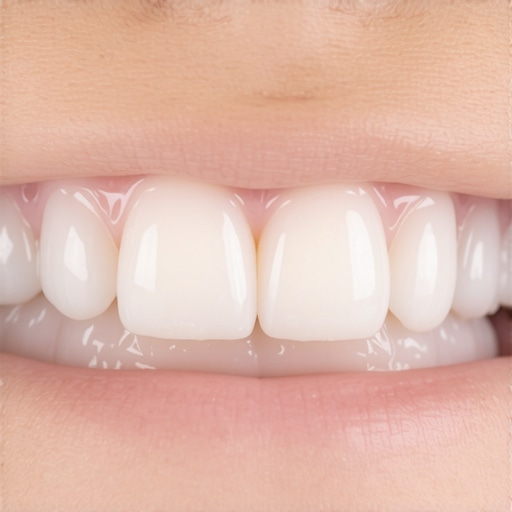
Why Alignment Matters More Than the Bumps
If those ridges aren’t wearing down, it usually isn’t a problem with the enamel itself, but rather a sign that the teeth aren’t actually touching when your child bites down. This is often seen in cases of an ‘open bite.’ I remember when my daughter Clara got her front four teeth in; they were incredibly jagged. I waited and waited, but a year later, they were still sharp enough to cut a steak. Our dentist pointed out that because of her thumb-sucking habit, her front teeth didn’t overlap correctly. Since the teeth never rubbed against each other, the mamelons had no way to wear away. This is why it’s vital to understand how to tell if your child needs braces before age seven. Catching an alignment issue early doesn’t just fix the ‘look’ of the teeth; it ensures they function correctly for a lifetime. In Clara’s case, we had to look into how to tell if your child needs a palate expander before age 10, which eventually helped her bite align and allowed those ridges to finally smooth out naturally.
Professional Smoothing and Cosmetic Fixes
Sometimes, even with a perfect bite, those ridges stick around into the teenage years, and it can become a point of self-consciousness. If your child is older and the ridges are still prominent, you don’t have to just ‘live with it.’ Dentists can perform a very simple, painless procedure called recontouring. They use a polishing disc to shave off the tiny peaks of the mamelons. It’s a form of cosmetic dentistry that takes about ten minutes and requires no numbing or drilling. However, before jumping to smoothing, ensure you are practicing caring for your child’s teeth properly to maintain strong enamel. If the teeth are otherwise healthy but just look a bit ‘unfinished,’ a quick trip to the office can revamp your smile with minimal effort. I’ve seen kids go from hiding their teeth behind their hands to beaming with confidence just by having those serrated edges leveled out. It’s essentially the dental equivalent of a quick manicure—shaping the edge for a cleaner, more mature appearance.While it is tempting to view these ridges as a cosmetic flaw, we need to dig deeper into the functional mechanics of a developing jaw. A common myth I see circulating in parenting groups is that mamelons are a sign of ‘soft enamel’ or that they make a child more prone to decay. In my experience, the opposite is often true. These ridges are actually composed of high-quality, dense enamel; they just haven’t been ‘honed’ yet. However, the real nuance that most people miss is the relationship between these ridges and the internal anatomy of the tooth. In young permanent teeth, the pulp chamber—which houses the nerves and blood vessels—is much larger and closer to the surface than in an adult tooth. This leads us to a significant ‘trap’ to avoid: the rush for immediate cosmetic leveling. If you insist on a dentist grinding these ridges down too early, you risk causing permanent sensitivity or even damaging the pulp because the protective barrier is still maturing.
Do These Persistent Ridges Predict a Future Need for Restorative Work?
Many parents worry that if the mamelons don’t wear down naturally, it’s a sign that the teeth are structurally weak and will eventually require understanding dental crowns: when and why they are needed. This is a misunderstanding of how dental wear works. If the ridges remain, it doesn’t mean the teeth are failing; it means they aren’t working hard enough against each other. According to a study published in the Journal of Clinical and Diagnostic Research, the presence of mamelons in adulthood is a primary clinical indicator of an ‘open bite’ or other malocclusions where the incisors do not meet. In these cases, the ‘trap’ isn’t the tooth itself, but the alignment of the entire jaw. If the bite isn’t corrected, you might eventually face the hidden reason your front teeth are wearing down unevenly elsewhere in the mouth. 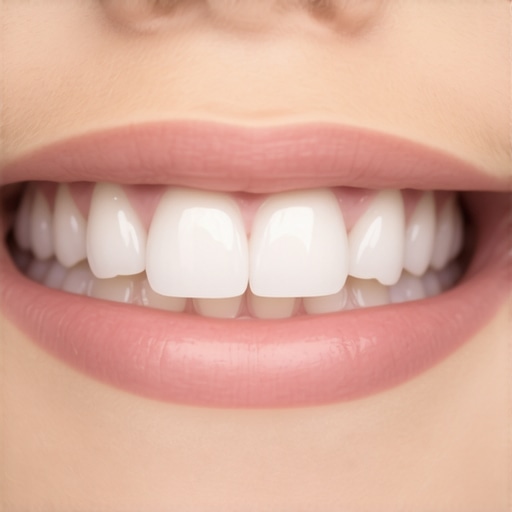
The Professional Verdict on Timing and Treatment
If your child is approaching their mid-teens and the ridges are still as sharp as a steak knife, it is time to have a more sophisticated conversation with your provider about the role of family dentistry in ensuring oral health for all ages. We often look at the ‘incisal edge’ to determine if there is a functional reason for the lack of wear. Before you consider enhance your confidence: cosmetic dentistry innovations to watch, ensure that the underlying bite is sound. If we jump straight to smoothing and ignore an open bite, the teeth will continue to drift or wear incorrectly in other areas. I’ve seen cases where parents opted for cosmetic fixes, only to realize years later that they should have checked how to tell if your dental crown has a hidden crack because the unnatural bite put too much stress on subsequent dental work. When considering dental crowns vs other restorations: which is right for you in the future, remember that the most conservative path is usually to let nature—and perhaps a good orthodontist—take the lead first. Have you ever fallen into this trap of wanting a quick cosmetic fix for a developmental milestone? Let me know in the comments.
Transitioning from the ‘wait and see’ phase to active maintenance is where most parents get lost. I’ve found that the tools you put in your child’s hands now determine how many visits you’ll have to make to the dentist later. When it comes to caring for your child’s teeth, I’m a bit of a gear nerd. I personally transitioned my kids to the Philips Sonicare ProtectiveClean because of the built-in pressure sensor. Why? Because kids with mamelons often over-brush, thinking they can ‘scrub’ the ridges away, which actually leads to why your gums are receding despite using a soft toothbrush. The sensor forces them to back off, protecting that fresh enamel while it’s still maturing.
How do I maintain my child’s unique tooth texture safely?
Maintenance isn’t just about the brush. For my teenager who still had those serrated edges, we integrated a water flosser. It’s the only way to effectively clean the deep grooves between the mamelon ridges without the abrasion of manual tools. If those ridges persist into the late teens, you need to be vigilant about the risks of skipping your night guard for just one week. Grinding at night will flatten those mamelons in the worst way—unevenly and painfully. According to the American Academy of Pediatric Dentistry (AAPD), the thickness of enamel on permanent incisors is only about 2.5mm at the tip, so any ‘maintenance’ must be incredibly gentle to avoid needing understanding dental crowns: when and why they are needed prematurely.
The Future of Precision Smile Mapping
Looking ahead, the days of ‘guessing’ if a tooth is wearing correctly are numbered. I predict that within the next five years, why your culpeper dentist might need a 3d scan to find hidden tooth pain will become the standard for tracking mamelon wear. We are moving toward a world where AI will compare year-over-year scans to determine if the ‘saw blades’ are wearing down naturally or if there’s a functional blockage. This level of enhance your confidence: cosmetic dentistry innovations to watch means we can intervene with minor adjustments long before a child needs complex dental crowns explained: the ultimate solution for damaged teeth.
Keep the Enamel But Lose the Stress
If you’re still seeing those bumps, don’t rush to ‘fix’ them with cosmetic dentistry just yet. Instead, scale your home care. I recommend starting a ‘texture log’—a simple macro photo of their front teeth every birthday. It’s the most specific way to see if your family dentistry guide is working. If the ridges are still there by age 15, then we look at revamp your smile: top cosmetic dentistry trends for 2025 for a quick polish. My advanced tip for today: Swap your child’s standard toothpaste for a high-hydroxyapatite formula for one month to reinforce those ridges as they start to meet their match in the bottom teeth. It’s a game-changer for sensitivity!
What I Wish I Knew Before Calling the Emergency Dentist
After years of obsessing over caring for your child’s teeth, seeing those serrated edges can feel like a crisis. Here is the insider wisdom I’ve gathered from the pros: first, those ridges are a diagnostic tool. If they don’t wear down, your dentist isn’t being lazy; they are likely spotting an alignment issue that needs a specialist’s eye. Second, the ‘trap’ of early cosmetic grinding is real. Because young teeth have such large pulp chambers, rushing to smooth them for a perfect photo can lead to lifetime sensitivity. Finally, mamelons are essentially the ‘tread’ on a new tire—they have a job to do in helping the tooth emerge, and their presence is a sign of high-density enamel, not a deficiency. Realizing that child-friendly dental care often means doing nothing at all was my biggest lightbulb moment.
The Gear That Actually Protects Those Fresh Ridges
You don’t need a massive budget to manage a developing smile, but you do need the right tools. I’ve found that a pressure-sensing electric toothbrush is non-negotiable for kids with mamelons. They tend to scrub the ridges too hard, which is often why your gums are receding despite using a soft toothbrush. Additionally, I recommend a high-hydroxyapatite toothpaste during the eruption phase to remineralize the peaks of those ridges. If your teen still has prominent ridges, investing in a high-quality night guard is essential, as the risks of skipping your night guard for just one week include uneven, sharp wear patterns that are much harder for a provider of family dentistry to fix later. These small investments prevent the need for more invasive cosmetic dentistry down the road.
Watch the Smile Evolve Without the Worry
Watching your child’s adult smile take shape is one of the great milestones of parenthood, even if it starts with a few jagged edges. By following a consistent family dentistry guide and keeping an eye on how the teeth meet, you can ensure their oral health remains a source of confidence rather than stress. If the ridges remain as they enter adulthood, you can always look into how to revamp your smile with a simple, five-minute polishing appointment. Don’t be afraid to let nature take its course; those little bumps are just a sign of a brand-new beginning. Did your child’s ‘saw-blade’ teeth wear down naturally, or did you end up needing a quick professional polish? Let me know your story in the comments below!