I remember the exact morning my stomach dropped while watching my daughter laugh over her breakfast. There they were—tiny, chalky white patches on her brand-new front teeth that definitely weren’t there the day before. My mind immediately raced to the worst-case scenarios. Had I failed at the nightly brushing battle? Was her diet too acidic? I felt like a total failure as a parent, especially since I pride myself on staying on top of our family dentistry guide routines. I actually made a massive mistake early on by trying to scrub those spots away with extra-firm bristles, thinking it was just stubborn plaque. It wasn’t. In fact, my aggressive scrubbing was doing more harm than good to her delicate enamel. Today, I want to pull back the curtain on why these spots happen and show you that it is usually something we can manage together without the frantic midnight Google searches. We are going to look at the real causes, from mineral imbalances to early signs of enamel wear, so you can feel confident at your next check-up.
Those Chalky Patches Aren’t Just Leftover Milk
When you first spot those discolorations, it’s easy to assume your kid just missed a spot while brushing. But these marks, often called hypocalcification, are actually areas where the enamel didn’t form quite right or has started to lose its mineral content. It happens more often than you’d think. According to the American Academy of Pediatric Dentistry, enamel defects can occur in up to 38% of children, often stemming from issues as simple as a high fever during tooth development or a bit too much fluoride. This is why child-friendly dental care focuses so much on the environment in which those teeth grow. Have you ever noticed a strange mark on your child’s tooth and wondered if you should call the dentist immediately?
Do These Spots Mean My Kid Already Has Cavities?
This is the big fear, isn’t it? While white spots can be the very first precursor to a cavity—a process called demineralization—they aren’t always a death sentence for the tooth. Think of these spots as a ‘check engine’ light for your child’s smile. They are a signal that the mineral balance is off, and we need to intervene before the structure actually breaks down.
Flip the Script with Targeted Remineralization
When you see those chalky patches, your first job is to pump the brakes on acid and start a ‘mineral buffet’ for the teeth. The enamel is porous right now, like a dry sponge waiting for moisture.
Feed the Enamel What It Craves
The most effective way to handle early spots is through topical remineralization. This isn’t just about standard toothpaste; it’s about high-concentration fluoride or calcium phosphate pastes. I started using a specific remineralizing gel with my daughter every night after her regular brushing. We would ‘paint’ it on the white spots with a cotton swab and let it sit. Over three months, those bright white, porous areas began to blend back into the natural tooth color as the minerals filled in the microscopic gaps. If you are already caring for your childs teeth with essential family dentistry tips, adding a targeted mineral paste is the logical next step. 
Avoid the DIY Whitening Trap
I once made a massive mistake trying to fix a similar spot on my own tooth before a big family photo. I thought a drugstore whitening kit would even everything out. Instead, the white spot—which was already demineralized—soaked up the bleach ten times faster than the rest of the tooth. I ended up with a glowing white dot that looked like a tiny lightbulb on my front tooth. It was embarrassing and completely avoidable. This is why you must investigate the real cause of white spots on your teeth after whitening or before attempting any home cosmetic fixes. Always get the ‘all-clear’ from a professional first.
Professional Fixes for Stubborn Spots
If the spots don’t respond to home care, don’t worry. Modern dentistry has some incredible, non-invasive tools that don’t involve the dreaded drill.
Resin Infiltration The Magic Filler
There is a relatively new treatment called Icon resin infiltration. Think of it like filling a pothole in the road with a clear, liquid glass. The dentist gently prepares the surface of the white spot and then applies a specialized resin that soaks into the pores of the enamel. Once it’s hardened with a light, the white spot virtually disappears because the resin has the same light-reflecting properties as healthy enamel. It’s a great way to learn how to fix a tiny chip in your front tooth without a crown or handle deep discolorations without removing healthy tooth structure.
Why Crowns are the Ultimate Backup Plan
In cases where the enamel is severely weakened or ‘crumbly,’ a simple resin might not be enough to keep the tooth together. This is common in kids with severe enamel hypoplasia. In these instances, dental crowns are the ultimate solution for damaged teeth because they provide a 360-degree shield. You should also learn how to tell if your child has a cavity before they complain by checking if those white spots feel soft or sticky when you gently run a clean fingernail over them. If they are soft, the time for pastes has passed, and professional intervention is a must.
Why Beautiful Smiles Require More Than Just Surface Polish
Many people assume that cosmetic procedures are purely about vanity, but in my experience, the best results happen when form follows function. If you are looking to revamp your smile with top cosmetic dentistry trends, you have to understand that a beautiful veneer or crown is only as good as the tooth underneath it. A common myth is that a crown is a ‘forever’ shield that allows you to slack on hygiene. In reality, the margin where the crown meets your gum is a high-stakes zone. A study published in the Journal of Oral Rehabilitation confirms that the ‘ferrule effect’—having enough natural tooth structure for the crown to grab onto—is more critical for longevity than the material of the crown itself.
The Costly Trap of Ignoring Your Tooth’s Foundation
The biggest mistake I see parents and adults make is waiting too long because the spot ‘doesn’t hurt yet.’ By the time you feel pain, you’ve likely bypassed the simple resin fix and moved into crown territory. If you ignore the signs, the real cost of delaying a necessary dental crown isn’t just financial; it’s the loss of healthy tooth structure that you can never get back. I once saw a patient who tried to ignore a small, chalky demineralization zone for years, only to have the tooth fracture during a holiday dinner. 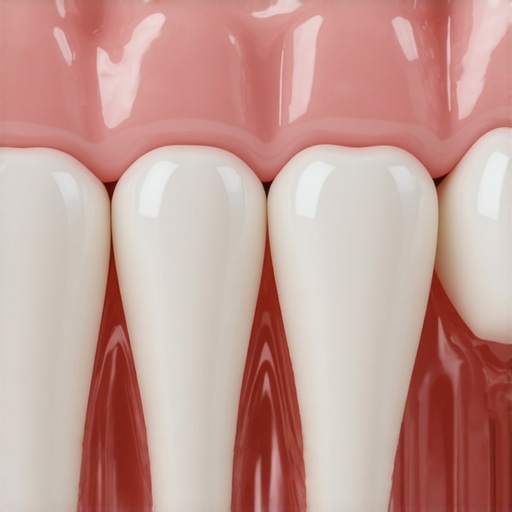
Why does my gum line look dark around my crown years later?
This is a sophisticated question that many patients ask once their dental work ages. Often, this happens because the gum tissue has receded slightly, exposing the metal substructure of an older porcelain-fused-to-metal crown. It is a key reason why your gum line looks dark around an old crown and often signals it is time for a replacement using modern, all-ceramic materials that mimic natural translucency. When you weigh dental crowns vs other restorations, these long-term aesthetic shifts are a major factor to discuss with your provider.
The Role of Expertise in Your Long-Term Health
True family dentistry isn’t just about cleaning; it’s about predictive care. It’s about knowing when a white spot is a transient mineral issue and when it’s a structural failure in the making. If you’ve been nervous about a specific spot or an old piece of dental work that just doesn’t feel ‘right’ anymore, don’t wait for a crisis. Have you ever fallen into the trap of thinking a dental issue would just go away on its own? Let me know in the comments below, and let’s keep your family’s smiles strong together.Once you have successfully addressed those white spots or completed a restorative treatment, the mission shifts from active repair to long-term preservation. I learned the hard way that a ‘set it and forget it’ attitude is the fastest route back to the dental chair. If you truly want to transform your look with expert cosmetic dentistry solutions, you have to treat your home care like a professional maintenance routine. I personally switched to a sonic toothbrush with a built-in pressure sensor because I realized my old habits of scrubbing too hard were actually wearing down the very minerals I was trying to save. I also recommend checking the truth about how often you should replace your toothbrush head, because a frayed bristle is basically a useless tool for plaque removal.
How do I keep my dental work looking brand new over the years?
The secret lies in the margins. Whether you have a filling, a veneer, or you are just understanding dental crowns when and why they are needed, the area where the restoration meets your natural tooth is the most vulnerable spot. I swear by a high-quality water flosser for this. It flushes out the microscopic debris that traditional floss often misses, especially around the base of a crown. In fact, a study published in the Journal of Clinical Periodontology found that water flossing can be up to 50% more effective at improving gum health than string floss. By keeping the gums tight and healthy, you prevent the recession that explains why your gum line looks dark around an old crown as you age. 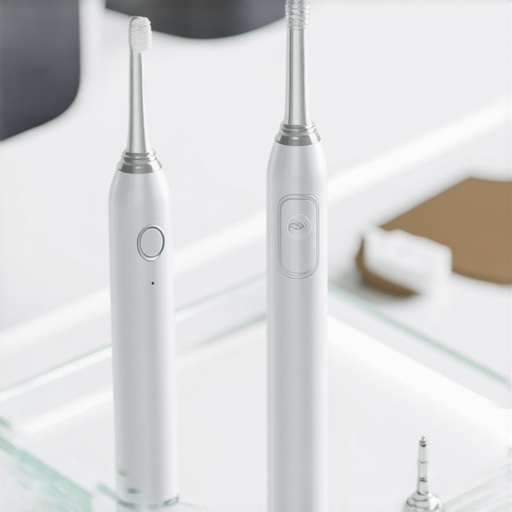
Why 3D Scans are Changing the Way We See Pain
Looking ahead, the future of family dentistry is moving toward incredible precision that removes the guesswork for parents. I recently saw a demonstration of an intraoral 3D scanner, and it’s a total game-changer for identifying issues before they hurt. This technology allows us to see the exact thickness of enamel and detect tiny cracks that an X-ray might miss. It’s a huge reason why your culpeper dentist might need a 3d scan to find hidden tooth pain that seems to come and go. I predict that within the next decade, these scans will be a standard part of every check-up, creating a ‘digital twin’ of your mouth that we can track over thirty or forty years to see exactly how your teeth are shifting or wearing.
Stop Your Hard Work from Fading Away
If you have existing bridges or hardware, you need a specialized approach. I’ve found that using a dedicated interproximal brush is the only way to maintain the best routine for cleaning under a dental bridge. It might feel like an extra step, but it’s the difference between a restoration lasting five years or twenty. My advanced tip for you today? Start using a pH-balancing mouth rinse. Most people don’t realize that even ‘healthy’ sparkling water can drop your mouth’s pH into the danger zone where minerals start to leach out of your teeth. Neutralizing that acid immediately after eating is the easiest way to scale your dental health without adding more time to your morning routine.
The Hardest Lesson I Learned About Protecting Enamel
It took me a long time to realize that dental health isn’t just about the minutes you spend brushing; it’s about the chemistry you maintain throughout the day. One ‘lightbulb moment’ for me was discovering that even if you follow every step in a family dentistry guide, a single habit like snacking on acidic dried fruit can undo hours of work. I also learned that the role of family dentistry in ensuring oral health for all ages is most effective when it is proactive rather than reactive. Finally, I realized that modern expert cosmetic dentistry solutions are about reinforcing strength, not just covering up flaws. Spots aren’t a failure; they are simply a map showing us where to focus our care.
My Essential Toolkit for a Healthy Family Smile
I’ve curated a list of resources that I personally trust to keep my household on track. First, the American Academy of Pediatric Dentistry website is my go-to for evidence-based research when I hear a new dental ‘hack’ online. Second, a pressure-sensing sonic toothbrush is non-negotiable in our house to prevent aggressive scrubbing that strips enamel. If you’re ever in doubt about a specific spot or old dental work, don’t hesitate to contact us for a professional evaluation. Lastly, knowing how to tell if your crown needs to be replaced immediately can save you from a painful holiday dental emergency.
#IMAGE_PLACEHOLDER_E#
Take Charge of Your Dental Future Today
Your child’s smile—and your own—is an evolving project, not a static one. By staying curious and acting on small changes like white spots early, you avoid the heavy lifting of major repairs later. Remember that a proactive approach is the best way to maintain a healthy, vibrant look for a lifetime. We are here to support your journey every step of the way, whether you are dealing with early mineral loss or seeking advanced restorative care. Have you ever noticed a white spot and felt unsure if it was a cavity or just a mineral issue? Let me know in the comments below!