I’ll never forget the morning I finally noticed it. I was leaning in close to the bathroom mirror, checking for a piece of spinach after lunch, when I saw a thin, dark shadow creeping along the top of my front tooth. My heart sank. I spent the next ten minutes scrubbing that spot with my toothbrush, convinced it was just a stubborn stain or maybe a bit of plaque I’d missed. I scrubbed so hard my gums actually started to bleed, but that gray line didn’t budge. It wasn’t dirt. It was my crown. I felt like my smile had a permanent ‘dirty’ look, and honestly, it made me want to stop smiling in photos altogether.
That Annoying Gray Line Isn’t Your Fault
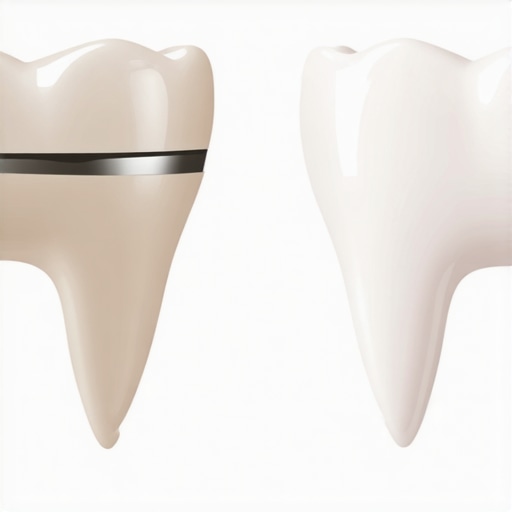
If you’re seeing a dark or purplish line where your tooth meets your gum, you aren’t alone, and you definitely didn’t fail at brushing. Most of us who got dental work done ten or fifteen years ago were given what we call PFM crowns—porcelain-fused-to-metal. They were the gold standard for a long time because they were incredibly strong. But they have a secret: a dark metal substructure hides underneath that pretty white porcelain. Over time, as our bodies change, that metal starts to reveal itself. I made the classic mistake of thinking I could just ‘clean’ it away, but brushing too hard actually makes the problem worse by pushing the gum line back even further. Today, I’m going to show you exactly why this happens and why you don’t have to live with a ‘metal smile’ anymore. We’re going to dive into the modern expert cosmetic dentistry solutions that can swap that dated look for something that looks 100% real.
Will replacing the crown just make my gums recede more?
This is the big fear, right? You worry that poking around the area will just cause more trauma. I felt the same way. I was terrified that if I touched the existing crown, I’d end up with even less gum tissue than I started with. But here is the reality: that dark line is often just the metal edge of the crown showing through thin gum tissue, or what dentists call ‘gingival recession.’ According to the American Academy of Cosmetic Dentistry, modern materials like zirconia or E-max are completely metal-free, meaning even if your gums do shift slightly over the next decade, there is no dark metal to expose. When I finally talked to my dentist about dental crowns as a solution for damaged teeth, I realized that my old crown was actually irritating my gums because of the base-metal alloys used back then. Have you noticed your gums looking a bit darker lately, or is it just me who spent way too long staring at them in the mirror? If you’ve been hiding your smile in selfies, it’s time to look at the top cosmetic dentistry trends that are making these dark shadows a thing of the past.
Identify Whether the Shadow is an Eye-Sore or a Health Risk
The first step in banishing that dark line is a proper diagnostic checkup. When I finally sat in my dentist’s chair, I was solely worried about the aesthetics, but my provider, who manages our regular family dentistry needs, looked for something much deeper: a seal failure. Think of your crown like a tailored suit; it should fit perfectly against your gum line. If there is a gap, bacteria can sneak in. I’ll never forget the moment they removed my old crown and showed me a bit of gray sludge underneath. It was a wake-up call that I needed to learn how to tell if your crown is leaking and trapping bacteria before it turned into a full-blown root canal. If your tooth feels sensitive or you notice a weird smell when flossing, that shadow might be more than just a metal edge—it could be a sign of decay.
Pick the Right Material for a Metal-Free Smile
If the tooth underneath is healthy, your next move is choosing a material that won’t betray you in ten years. The ‘gray line’ is almost always the result of a PFM (Porcelain-Fused-to-Metal) crown. It’s like wearing a beautiful white shirt over a dark navy undershirt; eventually, the dark layer shows through, especially when the light hits it. When debating dental crowns vs other restorations, you want to look for all-ceramic options like E-max or Zirconia. These materials are translucent, meaning they mimic the way natural light passes through a tooth. I opted for a high-strength zirconia crown because it’s virtually indestructible and, more importantly, it has no metal base to ever peek through. This is one of the most effective cosmetic dentistry innovations because it allows the gum tissue to remain pink and healthy-looking without that purplish ‘bruised’ cast that metal often causes.
Handle the In-Between Phase Like a Pro
Once you’ve committed to the upgrade, your dentist will shape the tooth and fit you with a temporary. This is where most people get nervous. I once had a temporary pop off while I was eating a piece of sourdough bread at a dinner party, and let me tell you, it was embarrassing. To avoid this, you need to be mindful of why your temporary crown keeps falling off, which usually involves sticky foods or aggressive flossing. Treat the temporary like a fragile placeholder; it’s there to protect your tooth’s nerve while the lab crafts your permanent, metal-free masterpiece. During this phase, focus on gentle cleaning and avoid anything too crunchy. Remember that a dental crown for damaged teeth is a two-step process, and patience during these two weeks ensures the final fit is seamless and airtight.
Ensure the Final Seal is Perfect
The ‘magic’ happens during the delivery of the permanent crown. Your dentist won’t just glue it on and send you home. They will check the ‘margin’—the exact point where the crown meets the tooth. Modern digital scanners allow for a fit so precise that the margin is virtually invisible. This prevents the gum recession that often causes the dreaded dark line in the first place. When I got my final porcelain crown, the difference was night and day; there was no bulkiness, no dark shadow, and I could finally brush without worrying about causing more damage to my gum line.
Stop Obsessing Over the Material Alone
Most people think picking the most expensive material like Zirconia automatically guarantees a Hollywood smile. But here is the contrarian truth: the material is only about forty percent of the equation. I have seen Zirconia crowns that look like flat, white blocks of chalk because the provider did not account for light translucency. In my experience, the skill of the lab technician is far more important than the brand name of the ceramic. A study published in the Journal of Esthetic and Restorative Dentistry highlights that ‘optical integration’—how the crown blends with the light of surrounding teeth—is heavily dependent on the ‘prep’ shape and the cement color, not just the porcelain type. When you are looking at dental crowns vs other restorations, remember that a master ceramist can make a cheaper material look like a diamond, while a poor one can make the best Zirconia look like plastic.
The Shadow Trap Most People Miss
Here is the ‘oops’ factor I wish someone had told me earlier: if you have a dark tooth underneath from an old injury or a heavy metal post, a high-translucency ‘metal-free’ crown might actually let that darkness show through. It is a frustrating trap. You spend the money to get rid of the metal, only to find why your teeth look gray after a root canal even with a new porcelain cap. This is where expert cosmetic dentistry solutions come in; they use specialized opaques to mask the ‘stump’ color before placing the beautiful ceramic on top. Without this step, the crown acts like a window to a dark room, making the whole tooth look dead or bruised.
Does the health of your gum tissue matter more than the crown itself?
Absolutely. If you are rushing into a replacement while your gums are still inflamed or bleeding, you are setting yourself up for failure. Even the best-fitting margin will look terrible if the tissue recedes three months later because of untreated gingivitis. This is why the role of family dentistry is so vital—you need a healthy foundation before you start the fancy cosmetic work. Healthy gums provide the frame for your smile; without them, even the most expensive crown looks like a piece of art in a broken frame. Prioritize your tissue health to ensure that new dental crown for damaged teeth stays hidden at the gum line for decades, not just months.
Don’t Let Your Insurance Dictate Your Smile’s Longevity
One final warning: do not let a budget-driven mindset lead you into a trap. I have heard so many stories about the real reason your dental insurance won’t cover a replacement crown until it is ‘clinically failing.’ This means insurance often wants you to wait until the crown is broken or decayed before they pay. But if you wait for it to break, you might be dealing with bone loss or an infection that makes the cosmetic outcome much harder to achieve. Proactive care is always more predictable than reactive surgery. Transitioning to cosmetic dentistry innovations now can save the integrity of the natural tooth before a major failure occurs. Have you ever fallen into the trap of waiting too long for a repair, or did you jump on it as soon as you saw the shadow? Let me know in the comments!
Now that you’ve invested in a metal-free restoration, the real work begins. You can’t just walk away and assume a ceramic cap is maintenance-free. I learned the hard way that even the strongest zirconia can lose its luster if you’re using a ‘whitening’ toothpaste that’s basically liquid sandpaper. Look for the Relative Dentin Abrasivity (RDA) value on your toothpaste tube. You want something below 70. High-abrasive pastes can micro-scratch the glaze of your crown, making it more prone to staining over time. It’s a subtle shift that happens over years, but once that glaze is gone, you’re back to wondering the secret to stopping coffee from staining your new veneers or crowns. I personally switched to a soft-bristled electric brush with a pressure sensor because brushing too hard causes the gum recession that exposes the margins we worked so hard to hide.
How do I keep my new crown looking fresh for ten years?
The secret isn’t just brushing; it’s protecting the bite. A study in the Journal of Prosthetic Dentistry highlights that ‘occlusal forces’—the pressure from grinding your teeth at night—is the number one cause of ceramic fracture. If you aren’t wearing a custom-fitted night guard, you’re playing Russian roulette with your investment. Don’t settle for the ‘boil-and-bite’ ones from the drugstore; they don’t distribute pressure evenly. You need a medical-grade guard from your family dentistry provider to ensure your jaw stays aligned. Also, make sure you know how to clean a night guard without using harsh chemicals so you aren’t breeding bacteria right against your new dental work. 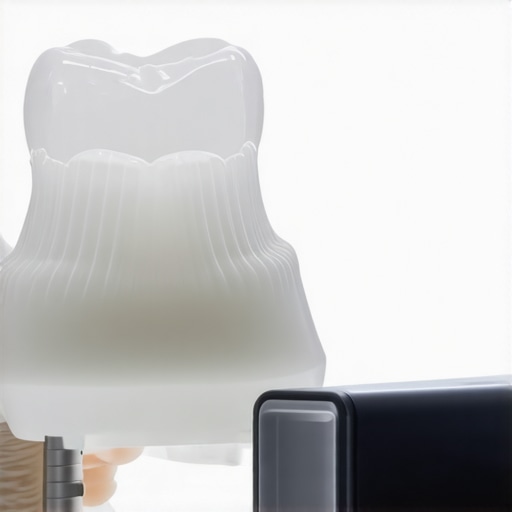
The 3D-printed future of your porcelain work
We are moving toward a world where ‘waiting two weeks’ for a crown is a relic of the past. One of the most exciting cosmetic dentistry innovations is the rise of in-office 3D printing and AI-driven shade matching. In the next five years, I predict we will see dentists using hyperspectral imaging to capture the ‘DNA’ of your tooth’s color, allowing a machine to print a multi-layered zirconia crown that matches your natural gradient perfectly in under an hour. This eliminates the human error that leads to crowns looking like ‘white blocks.’ While we aren’t quite there for every office yet, the top cosmetic dentistry trends for 2025 are already pushing us toward more bio-compatible, high-translucency materials. If you’re still on the fence about dental crowns vs other restorations, remember that the longevity of your smile is a partnership between the tech your dentist uses and the tools you use at your bathroom sink. My challenge for you today: Check your toothpaste’s RDA value and if it’s over 100, toss it. Your crowns will thank you in 2030.
Lessons My Bathroom Mirror Taught Me About Porcelain
Replacing a crown isn’t just a dental appointment; it’s a bit of a personal journey toward self-confidence. Here are the lightbulb moments I had along the way:
- The lab technician is the real artist. While your family dentistry expert preps the tooth, the person in the lab determines if your tooth looks like a flat white block or a natural gem. Always ask your dentist if they work with master ceramists who prioritize translucency.
- Gingival health dictates the finish line. If you do not treat your gums with respect, even the most expensive dental crowns vs other restorations will fail aesthetically. Pink, firm gums are the only way to keep that crown margin truly invisible for years.
- Check the shade in natural light. Always look at the shade of your new crown near a window in natural sunlight before it is permanently cemented. Office fluorescent lights can be deceptive and hide subtle yellow or gray undertones.
The Gear That Keeps My Smile Looking Real
I have curated a small list of essentials that helped me maintain my investment. I trust these because they prioritize the longevity of the porcelain glaze rather than just “scrubbing hard.”
- Low-Abrasion Toothpaste: I only use pastes with an RDA value under 70. This prevents the micro-scratching that makes ceramic work look dull and stained over time.
- Custom-Fit Night Guard: Since I tend to clench when stressed, a medical-grade guard is non-negotiable to prevent ceramic fractures. It is also vital to learn how to clean a night guard without using harsh chemicals so you are not damaging the plastic or your oral biome.
- The Pressure-Sensor Brush: I switched to an electric brush that vibrates red when I press too hard. This is the single best way to prevent the recession that brings back the dark shadow look.
A Future Where You Don’t Have to Hide Your Teeth
You deserve to look in the mirror and see a smile that reflects your vibrant self, not one that reminds you of old-fashioned dental work. Modern expert cosmetic dentistry solutions have come so far that no one ever needs to know where your natural tooth ends and the restoration begins. Don’t be afraid to ask for a metal-free upgrade; it is one of the best gifts you can give your self-image and your long-term health. Did you realize your toothpaste might be scratching your crowns or have you ever felt like you had to hide your smile because of an old gray line? Let me know in the comments below!