I sat in the parking lot for ten minutes, mouth still numb, staring into my visor mirror with my jaw practically hitting my chest. I didn’t see the ‘brighter, healthier smile’ the brochure promised me. Instead, my gums looked bruised—a deep, moody purple that looked more like an eggplant than a healthy mouth. I actually called the office back before I even shifted the car into drive, convinced the hygienist had been too aggressive or that I was having an allergic reaction. It was my first true ‘scaling and root planing’ experience, and I was terrified I’d done permanent damage. Looking back, that fear came from a place of not knowing how our bodies actually heal after we finally tackle years of neglect.
The Shock of Seeing Dark Gums After a Professional Clean
Most of us expect a dental visit to result in instant pearly whites and coral-pink gums. But if you’ve been dealing with chronic inflammation, a deep cleaning is more like a mini-surgery for your soft tissues than a simple polish. I made the specific mistake of avoiding the dentist for nearly two years because I was intimidated by the sounds of the equipment, and I paid the price. By the time I went in, my gums weren’t just ‘puffy’—they were a crowded house for bacteria. When those deep pockets are finally cleared out, your tissue goes through a massive transition. It’s a lot like a bruise you get on your arm; it often gets darker and looks a bit scary before it clears up. This is a common part of the journey toward building a lifetime of healthy smiles.
Is This Dark Color Actually a Sign of Permanent Damage?
It’s the question that kept me up that first night, staring at the ceiling. I wondered if the purple was a sign of infection or if the tools had somehow cut off my circulation. In reality, that deep hue is usually just trapped blood and the body’s natural inflammatory response working overtime to fix the damage. According to the American Academy of Periodontology, the removal of subgingival plaque and tartar triggers an immediate immune response where blood flow increases to the area to start the repair process. This congestion of blood is what creates that startling purple or bluish tint. It’s not a failure; it’s your body finally getting the chance to breathe after being suffocated by tartar. Have you ever walked out of a cleaning feeling like your mouth looked worse than when you walked in?
Why Your Tissues Turn Dark Right When You’re Trying to Save Them
We often think of pink as the only color for health, but why your gums are turning purple instead of pink involves the literal physics of your blood vessels. When your provider goes deep into those pockets, they are disturbing tissue that has been irritated for a long time. This is especially true if you have a history of gum disease affecting your overall health. I used to think I could just ‘brush harder’ to fix it, but you can’t brush away what’s happening beneath the gum line. Even using a water flosser improperly can add to the temporary stress of the tissue. Understanding that this discoloration is a temporary phase in your recovery is the first step to staying calm while your mouth resets. Let’s look at what the next 48 hours should actually look like for your recovery.
How to Manage the First 48 Hours of Healing
The moment you leave the chair, your gums start a frantic rebuilding process. Think of it like a construction site: there is debris everywhere, and the ground is torn up, but the new foundation is being laid. For the first two days, you need to be the site manager who keeps the peace. I remember three days after my own deep cleaning, I thought I was brave enough to tackle a bag of kettle-cooked jalapeño chips. The sharp edges and spicy dust hit those tender, dark purple areas like a lightning strike. My mouth throbbed for hours. The lesson learned? Your tissues are essentially an open wound for a short window, and they need a environment that doesn’t trigger more trauma.
Master the Salt Water Rinse
This is the oldest trick in the book for a reason. Mix about half a teaspoon of salt into eight ounces of warm water. Do not swish violently; instead, tilt your head and let the water bathe the areas where the discoloration is most prominent. This helps draw out the fluid that causes the purple swelling. If you are also managing other restorations, such as dental crowns for damaged teeth, keeping the surrounding gum tissue calm is vital for the longevity of that work.
Stop Probing the Area with Your Tongue
It is incredibly tempting to ‘check’ the dark spots with your tongue or, even worse, your finger. Every time you touch those sensitive pockets, you risk introducing new bacteria or disrupting the blood clots that are forming to heal the tissue. This is especially true if you have a history of gum disease and its link to heart health. You want to give the immune system a clear path to work without interference. 
Watch for the Transition from Purple to Pink
The healing process isn’t a straight line. You will likely notice that the ‘eggplant’ purple shifts to a lighter magenta, then a dull red, before finally settling into a healthy coral pink. This transition can take anywhere from five to ten days depending on how much tartar was removed. If you find that the pain persists or the color doesn’t shift, it might be time to look into the role of family dentistry in ensuring oral health for all ages to see if your healing rate is normal for your age group.
Why a Prophy Treatment is Not Enough Here
Some patients ask why they can’t just get a standard polish to fix the color. The reality is that a prophy treatment is much more than a simple cleaning, but it only addresses what is above the gum line. When your gums turn dark, the issue is deep in the roots. You have to let the ‘deep’ work settle before you can worry about the surface aesthetics.
When to Call the Office Back
While purple gums are normal, there are a few red flags. If you see active pus, feel a fever coming on, or if the throbbing prevents you from sleeping even after taking over-the-counter anti-inflammatories, call your dentist. They might need to flush the area again or prescribe a localized antibiotic. In my case, the purple faded into a beautiful, tight pink within a week, proving that the scary colors were just my body’s way of cleaning house. Keeping your routine gentle, perhaps even learning how to use a water flosser without pain, will ensure you don’t backslide into inflammation.Once those purple gums finally settle into that healthy pink, you might be tempted to think the battle for your oral health is won. But this is exactly where the most dangerous ‘oops’ happens: the assumption that professional work is invincible. Most people think that once they invest in high-end dental work, their maintenance phase is over. I fell into this exact trap after my first major restoration. I assumed that because porcelain doesn’t decay, I could be less diligent with my flossing. That is a myth that keeps dentists in business. While the crown itself is made of durable materials, the natural tooth structure underneath it and the tiny junction where the crown meets your gum are more vulnerable than they were before.
Stop Assuming Your New Crown is Bulletproof
It is a common misconception that a restoration is a ‘set it and forget it’ solution. In reality, you have actually increased your responsibility to keep that margin clean. If you don’t keep the area where the crown meets the gum pristine—the same area that was likely inflamed or purple during your cleaning—you risk secondary decay.
How Can You Tell if Your Dental Crown is Leaking Bacteria?
This is the advanced question every patient should ask their provider. Often, there is no sharp pain until the damage is extensive. You might notice a persistent metallic or sour taste, or a slight graying at the base of the tooth. According to a study published in the Journal of Dentistry, marginal leakage is a primary cause of restoration failure, often caused by microscopic gaps that allow biofilm to infiltrate the space between the tooth and the crown. If you have ever wondered how to tell if your dental crown is leaking bacteria, pay close attention to any localized sensitivity to sweets that wasn’t there a month ago. #IMAGE_PLACE_HOLDER_C#
Why Pretty Teeth Aren’t Always Healthy Teeth
The biggest pitfall in seeking out expert cosmetic dentistry solutions is prioritizing the ‘look’ over the ‘link.’ We see this often with high-speed transformations where the focus is purely on the shade of white rather than the structural seal. A crown can look like a masterpiece but be a failure if it’s slightly too high or doesn’t align with your bite. I’ve seen patients choose between dental crowns vs other restorations based solely on convenience, only to experience a receding gum line later. That dreaded dark line isn’t just an eyesore; it’s often a sign of tissue irritation. Have you ever fallen into the trap of thinking a dental fix was permanent without daily effort? Let me know in the comments below. Understanding why your porcelain crown has a dark line at the gum line is the difference between a five-year fix and a thirty-year investment.
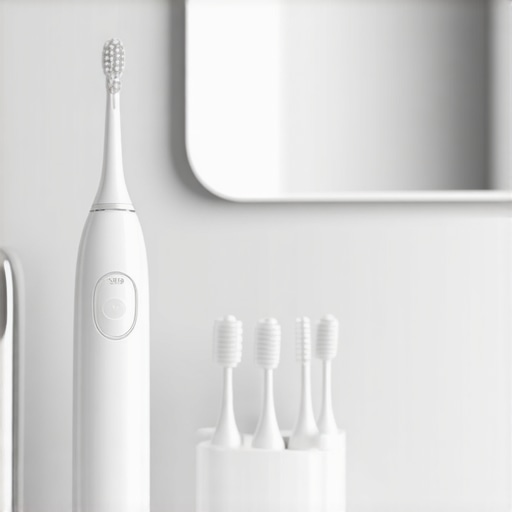
Once you have moved past the initial shock of healing, the real work begins in the bathroom mirror. I used to think a standard manual toothbrush was enough, but I was wrong. When you are managing high-end work or recovering from deep pocket issues, you need to upgrade your arsenal. I personally switched to an electric toothbrush with a pressure sensor because I realized I was scrubbing my gums away in an attempt to be ‘clean.’ If you find that your gums bleed only when you use an electric toothbrush, it is usually a sign of incorrect technique rather than a faulty tool. You have to let the bristles do the vibration while you simply guide the head along the gum line.
The Tools I Trust to Protect My Investment
The most important addition to my routine was a high-quality water flosser, but with a major caveat: the settings matter. I see people crank the pressure to the maximum thinking it will blast away more plaque, but that actually causes micro-trauma to the soft tissues we just spent weeks healing. Learning how to stop your gums from hurting when you use a water flosser involves starting on the lowest setting and using lukewarm water. This is particularly crucial if you have a dental crown for damaged teeth. The water jet should be aimed perpendicular to the tooth, not shoved directly into the gum pocket, to flush out biofilm without detached the healing fibers.
How do I maintain my dental restorations over time?
Consistency beats intensity every single time. It is better to use a gentle interdental brush for thirty seconds every night than to spend ten minutes aggressively flossing once a week. To ensure building a lifetime of healthy smiles, you must treat your restorations like the high-tech medical devices they are. According to Dr. Gordon Christensen of the Clinicians Report, the leading cause of crown failure isn’t the material breaking, but the ‘recurrent decay’ at the margin due to poor plaque control. I make it a point to use a fluoride-rich toothpaste at night and refrain from rinsing with water afterward, allowing the minerals to sit on that vulnerable crown margin while I sleep.
Where the Future of Dentistry is Heading
Looking ahead, we are moving away from reactive ‘drill and fill’ methods toward bio-integrated solutions. We are already seeing cosmetic dentistry innovations to watch, such as 3D-printed crowns that match the wear patterns of your natural teeth and AI-driven scans that can predict a cavity months before it’s visible on a traditional X-ray. Staying updated on the top cosmetic dentistry trends for 2025 will help you choose treatments that last decades rather than years. Even essential family dentistry tips are shifting toward more preventative, high-tech care for all ages. I highly recommend trying the ‘dry brushing’ technique—brushing without paste first to feel where the plaque actually is—before your main clean. It’s an advanced habit that changed how I view my oral health entirely.
I sat in the parking lot for ten minutes, mouth still numb, staring into my visor mirror with my jaw practically hitting my chest. I didn’t see the ‘brighter, healthier smile’ the brochure promised me. Instead, my gums looked bruised—a deep, moody purple that looked more like an eggplant than a healthy mouth. I actually called the office back before I even shifted the car into drive, convinced the hygienist had been too aggressive or that I was having an allergic reaction. It was my first true ‘scaling and root planing’ experience, and I was terrified I’d done permanent damage. Looking back, that fear came from a place of not knowing how our bodies actually heal after we finally tackle years of neglect.
The Shock of Seeing Dark Gums After a Professional Clean
Most of us expect a dental visit to result in instant pearly whites and coral-pink gums. But if you’ve been dealing with chronic inflammation, a deep cleaning is more like a mini-surgery for your soft tissues than a simple polish. I made the specific mistake of avoiding the dentist for nearly two years because I was intimidated by the sounds of the equipment, and I paid the price. By the time I went in, my gums weren’t just ‘puffy’—they were a crowded house for bacteria. When those deep pockets are finally cleared out, your tissue goes through a massive transition. It’s a lot like a bruise you get on your arm; it often gets darker and looks a bit scary before it clears up. This is a common part of the journey toward building a lifetime of healthy smiles.
Is This Dark Color Actually a Sign of Permanent Damage?
It’s the question that kept me up that first night, staring at the ceiling. I wondered if the purple was a sign of infection or if the tools had somehow cut off my circulation. In reality, that deep hue is usually just trapped blood and the body’s natural inflammatory response working overtime to fix the damage. According to the American Academy of Periodontology, the removal of subgingival plaque and tartar triggers an immediate immune response where blood flow increases to the area to start the repair process. This congestion of blood is what creates that startling purple or bluish tint. It’s not a failure; it’s your body finally getting the chance to breathe after being suffocated by tartar. Have you ever walked out of a cleaning feeling like your mouth looked worse than when you walked in?
Why Your Tissues Turn Dark Right When You’re Trying to Save Them
We often think of pink as the only color for health, but why your gums are turning purple instead of pink involves the literal physics of your blood vessels. When your provider goes deep into those pockets, they are disturbing tissue that has been irritated for a long time. This is especially true if you have a history of gum disease affecting your overall health. I used to think I could just ‘brush harder’ to fix it, but you can’t brush away what’s happening beneath the gum line. Even using a water flosser improperly can add to the temporary stress of the tissue. Understanding that this discoloration is a temporary phase in your recovery is the first step to staying calm while your mouth resets. Let’s look at what the next 48 hours should actually look like for your recovery.
How to Manage the First 48 Hours of Healing
The moment you leave the chair, your gums start a frantic rebuilding process. Think of it like a construction site: there is debris everywhere, and the ground is torn up, but the new foundation is being laid. For the first two days, you need to be the site manager who keeps the peace. I remember three days after my own deep cleaning, I thought I was brave enough to tackle a bag of kettle-cooked jalapeño chips. The sharp edges and spicy dust hit those tender, dark purple areas like a lightning strike. My mouth throbbed for hours. The lesson learned? Your tissues are essentially an open wound for a short window, and they need a environment that doesn’t trigger more trauma.
Master the Salt Water Rinse
This is the oldest trick in the book for a reason. Mix about half a teaspoon of salt into eight ounces of warm water. Do not swish violently; instead, tilt your head and let the water bathe the areas where the discoloration is most prominent. This helps draw out the fluid that causes the purple swelling. If you are also managing other restorations, such as dental crowns for damaged teeth, keeping the surrounding gum tissue calm is vital for the longevity of that work.
Stop Probing the Area with Your Tongue
It is incredibly tempting to ‘check’ the dark spots with your tongue or, even worse, your finger. Every time you touch those sensitive pockets, you risk introducing new bacteria or disrupting the blood clots that are forming to heal the tissue. This is especially true if you have a history of gum disease and its link to heart health. You want to give the immune system a clear path to work without interference.
Watch for the Transition from Purple to Pink
The healing process isn’t a straight line. You will likely notice that the ‘eggplant’ purple shifts to a lighter magenta, then a dull red, before finally settling into a healthy coral pink. This transition can take anywhere from five to ten days depending on how much tartar was removed. If you find that the pain persists or the color doesn’t shift, it might be time to look into the role of family dentistry in ensuring oral health for all ages to see if your healing rate is normal for your age group.
Why a Prophy Treatment is Not Enough Here
Some patients ask why they can’t just get a standard polish to fix the color. The reality is that a prophy treatment is much more than a simple cleaning, but it only addresses what is above the gum line. When your gums turn dark, the issue is deep in the roots. You have to let the ‘deep’ work settle before you can worry about the surface aesthetics.
When to Call the Office Back
While purple gums are normal, there are a few red flags. If you see active pus, feel a fever coming on, or if the throbbing prevents you from sleeping even after taking over-the-counter anti-inflammatories, call your dentist. They might need to flush the area again or prescribe a localized antibiotic. In my case, the purple faded into a beautiful, tight pink within a week, proving that the scary colors were just my body’s way of cleaning house. Keeping your routine gentle, perhaps even learning how to use a water flosser without pain, will ensure you don’t backslide into inflammation.Once those purple gums finally settle into that healthy pink, you might be tempted to think the battle for your oral health is won. But this is exactly where the most dangerous ‘oops’ happens: the assumption that professional work is invincible. Most people think that once they invest in high-end dental work, their maintenance phase is over. I fell into this exact trap after my first major restoration. I assumed that because porcelain doesn’t decay, I could be less diligent with my flossing. That is a myth that keeps dentists in business. While the crown itself is made of durable materials, the natural tooth structure underneath it and the tiny junction where the crown meets your gum are more vulnerable than they were before.
Stop Assuming Your New Crown is Bulletproof
It is a common misconception that a restoration is a ‘set it and forget it’ solution. In reality, you have actually increased your responsibility to keep that margin clean. If you don’t keep the area where the crown meets the gum pristine—the same area that was likely inflamed or purple during your cleaning—you risk secondary decay.
How Can You Tell if Your Dental Crown is Leaking Bacteria?
This is the advanced question every patient should ask their provider. Often, there is no sharp pain until the damage is extensive. You might notice a persistent metallic or sour taste, or a slight graying at the base of the tooth. According to a study published in the Journal of Dentistry, marginal leakage is a primary cause of restoration failure, often caused by microscopic gaps that allow biofilm to infiltrate the space between the tooth and the crown. If you have ever wondered how to tell if your dental crown is leaking bacteria, pay close attention to any localized sensitivity to sweets that wasn’t there a month ago. #IMAGE_PLACE_HOLDER_C#
Why Pretty Teeth Aren’t Always Healthy Teeth
The biggest pitfall in seeking out expert cosmetic dentistry solutions is prioritizing the ‘look’ over the ‘link.’ We see this often with high-speed transformations where the focus is purely on the shade of white rather than the structural seal. A crown can look like a masterpiece but be a failure if it’s slightly too high or doesn’t align with your bite. I’ve seen patients choose between dental crowns vs other restorations based solely on convenience, only to experience a receding gum line later. That dreaded dark line isn’t just an eyesore; it’s often a sign of tissue irritation. Have you ever fallen into the trap of thinking a dental fix was permanent without daily effort? Let me know in the comments below. Understanding why your porcelain crown has a dark line at the gum line is the difference between a five-year fix and a thirty-year investment.
Once you have moved past the initial shock of healing, the real work begins in the bathroom mirror. I used to think a standard manual toothbrush was enough, but I was wrong. When you are managing high-end work or recovering from deep pocket issues, you need to upgrade your arsenal. I personally switched to an electric toothbrush with a pressure sensor because I realized I was scrubbing my gums away in an attempt to be ‘clean.’ If you find that your gums bleed only when you use an electric toothbrush, it is usually a sign of incorrect technique rather than a faulty tool. You have to let the bristles do the vibration while you simply guide the head along the gum line.
The Tools I Trust to Protect My Investment
The most important addition to my routine was a high-quality water flosser, but with a major caveat: the settings matter. I see people crank the pressure to the maximum thinking it will blast away more plaque, but that actually causes micro-trauma to the soft tissues we just spent weeks healing. Learning how to stop your gums from hurting when you use a water flosser involves starting on the lowest setting and using lukewarm water. This is particularly crucial if you have a dental crown for damaged teeth. The water jet should be aimed perpendicular to the tooth, not shoved directly into the gum pocket, to flush out biofilm without detached the healing fibers.
How do I maintain my dental restorations over time?
Consistency beats intensity every single time. It is better to use a gentle interdental brush for thirty seconds every night than to spend ten minutes aggressively flossing once a week. To ensure building a lifetime of healthy smiles, you must treat your restorations like the high-tech medical devices they are. According to Dr. Gordon Christensen of the Clinicians Report, the leading cause of crown failure isn’t the material breaking, but the ‘recurrent decay’ at the margin due to poor plaque control. I make it a point to use a fluoride-rich toothpaste at night and refrain from rinsing with water afterward, allowing the minerals to sit on that vulnerable crown margin while I sleep.
Where the Future of Dentistry is Heading
Looking ahead, we are moving away from reactive ‘drill and fill’ methods toward bio-integrated solutions. We are already seeing cosmetic dentistry innovations to watch, such as 3D-printed crowns that match the wear patterns of your natural teeth and AI-driven scans that can predict a cavity months before it’s visible on a traditional X-ray. Staying updated on the top cosmetic dentistry trends for 2025 will help you choose treatments that last decades rather than years. Even essential family dentistry tips are shifting toward more preventative, high-tech care for all ages. I highly recommend trying the ‘dry brushing’ technique—brushing without paste first to feel where the plaque actually is—before your main clean. It’s an advanced habit that changed how I view my oral health entirely.
The Hard Truths My Dentist Had to Repeat Three Times
If my journey taught me anything, it’s that your mouth is a dynamic ecosystem, not a static fixture. Here are the core ‘lightbulb moments’ that finally made my routine click:
- The ‘Healing Hue’ is a positive sign: I spent years fearing purple gums, but I now realize that color is just the body’s construction crew at work. Don’t let a temporary change in color stop you from seeking deep care.
- Crown margins are the real battleground: It’s never the porcelain that fails; it’s the tiny seam where the crown meets the gum. If you don’t keep that area immaculate, the best restoration in the world won’t last.
- Consistency is a financial strategy: Spending two minutes a day on high-quality maintenance is the difference between a five-year fix and a thirty-year investment.
My Essential Toolkit for Lasting Oral Health
I don’t believe in having a cabinet full of gadgets, but I swear by these three specific resources for maintaining a healthy smile:
- A Pressure-Sensitive Electric Brush: It removes the human error of ‘scrubbing’ too hard. I recommend this to anyone who worries about gum recession caused by brushing too hard.
- The ADA Product Search: I never buy a new rinse or paste without checking for the Seal of Acceptance to ensure the chemistry actually supports my enamel.
- A Professional Relationship: Regular visits for the role of family dentistry are the only way to catch micro-leaks in restorations before they become painful emergencies.
#IMAGE_PLACEHOLDER_E#
Take Control of Your Smile Future Today
We often treat dental health as something that ‘happens’ to us, but you actually have more control than you think. By shifting from a reactive mindset to a proactive one, you turn a scary dental visit into a simple maintenance check. Whether you are currently healing from a deep cleaning or planning to enhance your confidence with cosmetic dentistry innovations, remember that every step toward a cleaner gum line is a step toward a healthier heart and a more vibrant life. Have you ever noticed your gums changing color during a healing process? Let me know your experience in the comments below.