I’ll never forget the morning I really looked at my smile after a late-night coffee binge. I wasn’t looking at my teeth for once; I was looking at the tissue surrounding them. Instead of that healthy, coral-pink glow I remembered from my youth, my gums looked… well, bruised. A dusky, dark purple was creeping along the edges. My first thought? Maybe I just brushed too hard. I bought a softer brush, but the color didn’t budge. It’s a scary sight, and if you’re seeing it too, I know that internal panic well. Today, I’m going to help you figure out what your body is trying to tell you and how we can get back to a healthy baseline.
The Bruised Truth Behind That Darker Hue
When we talk about oral health, we usually obsess over the whiteness of the teeth. But your gums are the frame for that picture. When they turn purple, it’s often a sign of lack of oxygen or chronic inflammation. Maybe you’ve noticed why your gums bleed only when you use an electric toothbrush and shrugged it off, but color change is a deeper signal. Early in my journey, I made the mistake of thinking I could just scrub the ‘stain’ away. I thought if I used more mouthwash, the pink would return. I was wrong. This isn’t a surface issue; it’s about what’s happening underneath. According to the American Academy of Periodontology, gum color is a primary indicator of vascular health, and a purple tint often suggests that blood is pooling or not circulating correctly due to advanced gingivitis or even periodontitis.
Is this something I can just brush away or ignore?
The short answer is no. Ignoring the color change is like ignoring a check-engine light. I once waited six months to address a ‘dark spot’ near my molar, only to find out I needed a professional rescue. Understanding how to tell if your gums are healing after a deep cleaning is vital because, once they hit that purple stage, they usually need a pro to clear out the bacteria you can’t reach. We also have to consider the connection between gum disease and your heart health, as that purple inflammation isn’t always contained in your mouth. Have you noticed your gums changing color lately, or are you just starting to see a tiny bit of darkness near the tooth? If you’re worried, the best first step is to contact us and get a professional look before things progress. Now, let’s dive into the specific causes—from simple bruising to the sneaky habits that might be starving your gums of the oxygen they need.Once I realized my purple gums weren’t just a ‘bad brush day,’ I had to get clinical. You can’t wish the color back to pink; you have to physically disrupt the environment that is causing the stasis. When blood isn’t moving or oxygen isn’t reaching the tissue, you’re looking at a localized crisis. Let’s break down the exact steps I followed—and what your dentist will likely recommend—to clear the purple haze and restore your smile’s frame.
Stop Guessing and Start Targeting the Inflammation
The first move is identifying if the discoloration is generalized or localized. If it’s everywhere, your hygiene routine needs a total overhaul. If it’s only around a specific tooth, you might be looking at a physical obstruction or an ill-fitting restoration. I remember trying to use a heavy-duty electric brush thinking more power equaled more health, but you have to be careful; why your gums bleed only when you use an electric toothbrush is often a sign that the tissue is already too fragile for high-intensity scrubbing. Switch to a soft-bristled head and focus on the 45-degree angle technique, gently massaging the ‘bruised’ areas rather than scouring them.
Look Closely at Your Existing Dental Work
Sometimes the purple isn’t in your gums at all—it’s a shadow or a reaction to what’s underneath. I had an old crown from my college days that started showing a dark purple ring at the base. I assumed it was a bruise, but my dentist showed me that the seal had failed. Learning how to tell if your dental crown is leaking bacteria was a game-changer for me. When bacteria seep under a cap, they create deep-seated inflammation that can turn the surrounding gum a dusky violet. Furthermore, if you see a thin dark edge, you should investigate why your porcelain crown has a dark line at the gum line, as it might be the metal substructure showing through or actual decay affecting the tissue health. 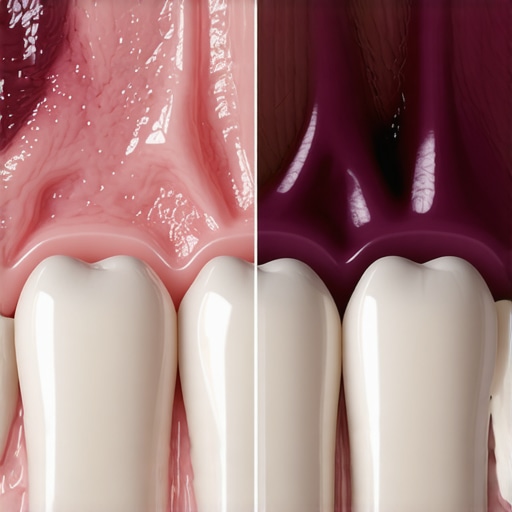
Why a Basic Cleaning Isn’t Enough for Purple Gums
If your gums have reached that dark, bruised stage, your standard at-home flossing won’t reach the ‘pockets’ where the oxygen-starved bacteria thrive. You need a professional intervention. I used to think a cleaning was just about making my teeth feel smooth, but why a prophy treatment is much more than just a simple tooth cleaning becomes clear when you see the inflammation subside afterward. This treatment flushes out the toxins that are physically trapping blood in the gum tissue, allowing fresh, oxygenated blood to return and turn that purple back to pink.
Build a Lifetime of Health with Family Dentistry
Consistency is the only way to prevent the purple from returning. It’s about more than just you; it’s about the whole household’s habits. By understanding the role of family dentistry in ensuring oral health for all ages, you create an environment where dental checkups are proactive rather than reactive. When you stay ahead of the curve, you can even look into the latest aesthetic updates, like checking out revamp your smile top cosmetic dentistry trends for 2025 to ensure your restorations are using the most biocompatible, gum-friendly materials available today.Let’s dig deeper into a nuance many people miss: the intersection of cosmetic dentistry and biological harmony. A common myth I see all the time is the belief that once you get a crown or a veneer, that tooth is ‘armored’ and essentially maintenance-free. In reality, the most beautiful cosmetic work is a clinical failure if it ignores your gum’s ‘biologic width.’ This is a term we use in the industry to describe the specific amount of space your body needs between the dental work and the supporting bone. If a restoration is placed too deep, your body treats it like a splinter. It stays chronically inflamed, resulting in that permanent ‘bruised’ look that no amount of brushing will fix. Everyone tells you that cosmetic dentistry is about the ‘white,’ but the real experts focus on the ‘pink.’ If you’ve ever wondered why your porcelain veneers might look bulky or unnatural, it’s often because the design didn’t respect these biological boundaries. According to a study in the Journal of Clinical Periodontology, violating this space leads to irreversible bone loss and vascular congestion—the very thing causing that purple tint. Have you ever fallen into this trap where you prioritized the look of the tooth over the health of the gum? Let me know in the comments.
Why does my gum tissue still look dark even after I replaced my old metal crowns?
This is where it gets tricky for the advanced patient. Many think switching to an all-ceramic option will solve everything instantly. While dental crowns explained often highlight the aesthetic benefits of porcelain, they don’t always mention that the ‘purple’ might be ‘tattooed’ into the tissue. This happens if an old metal-fused-to-porcelain crown shed metallic ions into the gum over many years. If you’re seeing a dark line, you first need to determine how to tell if your dental crown is leaking bacteria versus simple metallic staining. 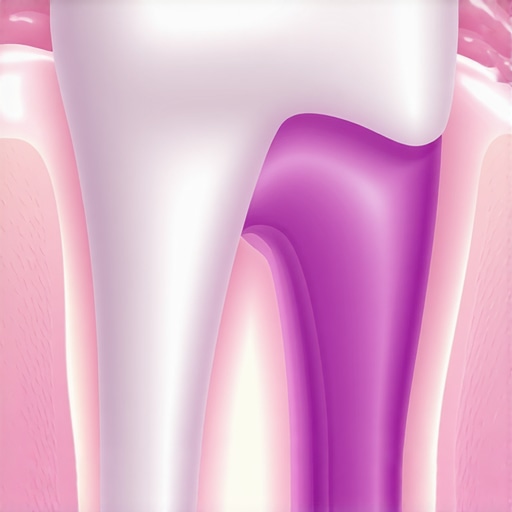 Another major ‘oops’ factor is the ‘wait and see’ approach in family dentistry. I’ve seen parents ignore a slight gum color change in their children, assuming it’s just a lost tooth coming in. However, child-friendly dental care is about more than just avoiding cavities; it’s about monitoring these vascular signals early. If a restoration is causing irritation, it can affect the adult teeth waiting underneath. If you’re looking to transform your look with expert cosmetic dentistry solutions, ensure your provider talks about tissue health as much as tooth shade. If your crown is currently causing issues, such as how to tell if your dental crown is causing your bad breath, it’s a sign that the seal is compromised. Don’t wait for the purple to turn into a full-blown infection; contact us today to evaluate the biological harmony of your smile.Once we’ve corrected the underlying biological issues, the real work begins: maintenance. You wouldn’t buy a luxury car and never change the oil, yet I see people invest thousands in a smile and then use a frayed toothbrush for six months. To keep that ‘purple haze’ from returning, I’ve switched to a very specific protocol that prioritizes oxygenation. I personally use a water flosser on the ‘massage’ setting. Most people use a water flosser like a pressure washer, but the goal is to stimulate blood flow and gently irrigate the pockets where anaerobic bacteria hide, not blast your attachments. If you struggle with the sensation, learning how to stop your gums from hurting when you use a water flosser is the first step to making it a sustainable habit. I also swear by TePe interdental brushes. They reach the gaps that traditional floss simply misses, especially around the margins of a crown where purple-causing plaque likes to aggregate. According to Dr. Gordon Christensen, a renowned clinical researcher in dentistry, the lifespan of a restoration is effectively doubled when the patient utilizes mechanical plaque disruption at the margin on a daily basis. It’s not just about ‘cleaning’; it’s about disrupting the biofilm before it can colonize the junction between your tooth and your crown.
How can I keep my cosmetic work looking new for decades?
The secret isn’t a special ‘whitening’ toothpaste; it’s consistent professional oversight and pH balance. You need a family dentistry guide to building a lifetime of healthy smiles to realize that your dental needs shift as your gum levels naturally change over time. If you have sensitive tissue, investigate the secret to painless dental cleanings for sensitive teeth so you actually show up for your maintenance appointments rather than avoiding them out of fear. 
Future Tech Will Catch the Purple Before You Do
Looking ahead, I predict we are moving toward AI-integrated home diagnostics. We’re already seeing toothbrushes that map your mouth in real-time, but the next decade will bring handheld intraoral cameras linked to apps that can detect gingival vascular congestion before your gums even look bruised to the naked eye. We’ll be able to see if a restoration is failing on a microscopic level from our own bathrooms. Until then, you have to be the primary sensor for your own health. Pay close attention to the truth about how often you should replace your toothbrush head. A worn-out brush isn’t just ineffective; the bristles become jagged and cause micro-tears in the gum tissue, inviting the very inflammation we are trying to cure. If you’re currently deciding on a plan, comparing dental crowns vs other restorations which is right for you is essential, as modern monolithic zirconia is far less reactive than old-school alloys. My advanced tip: incorporate a non-alcohol, pH-neutralizing mouthwash into your nightly routine to keep the oral microbiome in a ‘pink-friendly’ state. If you’re ready to stop the cycle of inflammation and transform your look with expert cosmetic dentistry solutions, don’t wait for the color to get worse. Contact us today to evaluate your tissue health and create a proactive maintenance plan that lasts.
The Hardest Lesson I Learned About Gum Health and Crowns
One realization that completely changed my perspective was that my gums are not just padding for my teeth; they are living, breathing indicators of my overall wellness. When I finally stopped treating the symptoms and looked at the source, I learned that much of what we perceive as aging is actually just long-term, neglected inflammation. If you want to know the real reason your smile looks aged and how to reverse it, look at the transition point where your tooth meets the gum. If that line is purple or dark, the biological seal is often broken. Here is what I wish I had known earlier:
- Whiteness isn’t wellness: You can have bleached-white teeth while suffering from failing gum health.
- Listen to the shadows: A dark line isn’t always a stain; it is often a cry for more oxygen in the tissue.
- Gums can bounce back: With professional help, even bruised-looking tissue can return to its coral-pink state if you act before bone loss occurs.
I also learned that you can often how to fix a snagged gum line without surgery if you catch the recession early enough through proper stimulation and expert professional intervention.
The Small Tools That Saved My Smile From Permanent Damage
I wish someone had handed me a specific kit years ago instead of just telling me to brush better. Through trial and error, I found that three specific items turned my oral health around. First, interdental brushes are non-negotiable for anyone with crowns; they clear the purple-zone better than any string floss ever could. Second, a high-quality water flosser on a low-pressure setting helps keep the vascularity high. Lastly, I shifted my focus to family-oriented prevention. Reading through a family dentistry tips guide helped me realize that the habits I teach my kids today are the ones that will keep their gums pink and healthy for decades to come. I trust these tools because they provide mechanical disruption in areas where a standard brush simply cannot reach.
#IMAGE_PLACEHOLDER_E#
Your Smile Is Ready for Its Comeback
It is easy to feel discouraged when you look in the mirror and see a color that does not belong. But remember, gum tissue is incredibly resilient when given the right environment and oxygen flow. By addressing the purple haze now, you are doing more than just improving your looks; you are protecting your long-term systemic health. Whether you are looking at cosmetic dentistry innovations to watch for a total revamp or you just want to feel confident when you laugh, the foundation must be healthy first. Take that first step, get a professional assessment, and bring back the pink. Have you ever felt self-conscious about the color of your gums or a dark line near a crown? Drop a comment and share your story below.