I remember sitting in my car after what was supposed to be a routine visit to my favorite local clinic, staring at myself in the rearview mirror and wondering why my face felt two sizes too small. I’d just had an old, leaky silver filling swapped out for a sleek new composite one—part of my personal mission to revamp my smile for the coming year. But instead of feeling confident, I felt like I’d been hit by a freight train. My jaw wasn’t just tender; it was screaming. It was a dull, thumping throb that made me regret every life choice involving sugar. I thought I knew what to expect from a routine procedure, but I was wrong. If you are reading this while holding a cold compress to your cheek, take a deep breath. Today, I am going to share exactly why your jaw feels like it is in a vice and help you figure out when that ache is a normal part of healing and when it is a signal that something is off.
My Recent Fight with a Simple Filling Replacement
The reality of family dentistry is that even the ‘small’ stuff can leave a mark. When I had my filling replaced, I made the classic rookie mistake of assuming all pain is just part of the process. I spent three days miserable, barely able to open my mouth wide enough for a teaspoon of yogurt, because I didn’t want to be ‘that’ patient who calls back for a minor adjustment. I eventually learned that my new filling was just a hair too high, causing my bite to be off and my jaw muscles to go into a full-blown mutiny. We are going to solve that mystery for you today so you don’t have to suffer in silence like I did. Have you ever felt like your jaw was ‘locked’ or clicking after a trip to the dentist? Drop a comment below and let me know; it’s more common than you think!
Is this dull ache actually worth the worry?
Many people fear that a sore jaw means the procedure failed or that they need an expensive dental crown to fix a deeper issue. While that is rarely the case, your skepticism is healthy. Most of the time, the discomfort stems from the injection site or the simple fact that you had your mouth stretched open for forty-five minutes. According to the American Dental Association, muscle fatigue is one of the most common post-operative complaints, yet we often overlook it in favor of worrying about the tooth itself. It is important to distinguish between ‘tooth pain’ and ‘muscle pain.’ If you’ve been wondering why your fillings are sensitive or why your jaw specifically is acting up, the answer usually lies in the ligaments.
The Muscle Strain Nobody Warns You About
When a dentist works on your back molars, they need space. This means your Temporomandibular Joint (TMJ) is pushed to its limit. If you already have a habit of clenching when you’re stressed, that hour in the chair is like a marathon for your face. I realized too late that I was fighting the dentist’s hand the whole time, tensing my muscles until they were knotted. If the pain doesn’t subside with over-the-counter relief, it might be time to learn how to survive the discomfort until you can get a quick bite adjustment. Don’t let a simple fix turn into a week of headaches.
How a Tiny Spec of Resin Can Ruin Your Week
Imagine wearing a shoe with a single pebble stuck under your heel. You can walk, but every step sends a jolt of discomfort through your leg. That is exactly what happens when your bite is off. If your dentist left even a microscopic ‘high spot’ on a new restoration, your teeth won’t meet properly. Your jaw muscles try to compensate for this unevenness by shifting your alignment, which leads to that deep, exhausting ache. I once ignored a high spot for a month, thinking I’d ‘wear it down,’ but all I did was trigger a massive tension headache. If you notice why your new filling feels sharp to your tongue or just ‘different’ when you chew, your jaw is likely overworking to avoid that spot.
The Tap-Tap-Grind Method to Test Your Alignment
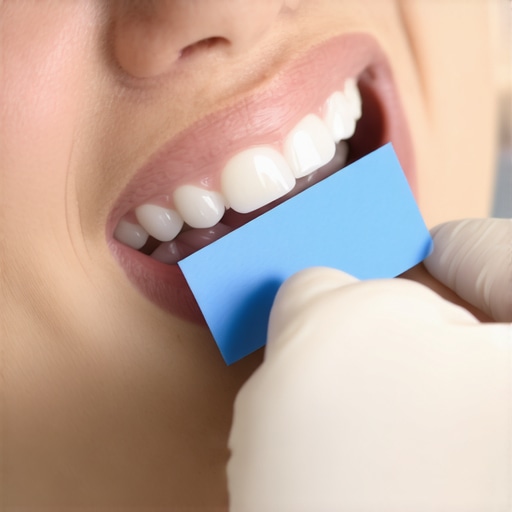
To figure out if your jaw pain is mechanical or just muscle soreness, try this at home. Sit up straight and gently tap your teeth together. Do you feel one tooth hitting before the others? If you feel a ‘thud’ on the new work instead of an even ‘click’ across your whole mouth, the restoration is too high. This is a common hurdle when deciding between dental crowns vs other restorations, as crowns require even more precision to sit perfectly. I remember going back to my dentist three days after my last filling; I was convinced the tooth was cracked. He handed me a strip of blue articulating paper, told me to ‘tap-tap-tap,’ and polished the high spot for ten seconds. The instant I bit back down, the pressure in my jaw simply evaporated.
Stop the Throb with Alternating Temperatures
If your bite feels fine but your jaw is still tender, you’re likely dealing with trismus—a fancy word for muscle spasms caused by keeping your mouth open too long. Think of it like a charley horse in your face. I found that the best way to kick the soreness is the 15-15-15 rule. Apply a warm, damp washcloth to your jaw for fifteen minutes to increase blood flow, then switch to a cold pack for fifteen to reduce inflammation, followed by fifteen minutes of rest. This prevents the muscles from seizing up further, especially if you already experience why your teeth feel sore after a long night of sleep due to clenching.
Protect Your Investment During Recovery
While your jaw is healing, you have to baby it. Avoid chewy bagels or crunchy carrots for at least 48 hours. If you’ve recently had a more extensive procedure and are understanding dental crowns for the first time, remember that the temporary cement or the new permanent structure needs time to settle without being pounded by hard foods. Also, if you use a night guard, don’t skip it. I’ve seen people abandon their guards because of the soreness, but the risks of skipping your night guard for just one week include worsening the very inflammation you are trying to heal. Keep the jaw supported and neutral so the ligaments can finally relax.
Let’s dig deeper into why we often fail to recognize the difference between healing and a mechanical error. Most people believe that if a new restoration feels ‘weird,’ they just need to get used to it. In fact, many patients think they can ‘wear down’ a composite filling by chewing gum or grinding their teeth. This is the biggest trap in modern dentistry. You cannot out-grind a high spot; you will only inflame the periodontal ligament or, worse, trigger chronic TMJ issues. The Journal of Prosthetic Dentistry has highlighted that even a minute occlusal interference can cause significant electromyographical changes in your masticatory muscles. In plain English? Your brain goes into panic mode trying to avoid that one high spot, and your muscles pay the price.
Why does your jaw feel tighter in the morning than right after the appointment?
If you find yourself asking why your crown feels tight when you wake up, you’re dealing with more than just post-op swelling. During sleep, our bodies naturally clench to stabilize the jaw. If your new work—whether it’s a filling or you’re still understanding dental crowns—is even slightly misaligned, your nocturnal clenching is magnified ten-fold. It’s like sleeping on a bed with a brick under the mattress. You might not notice it while you’re awake and distracted, but the cumulative pressure overnight results in that ‘vice-like’ grip by 7 AM.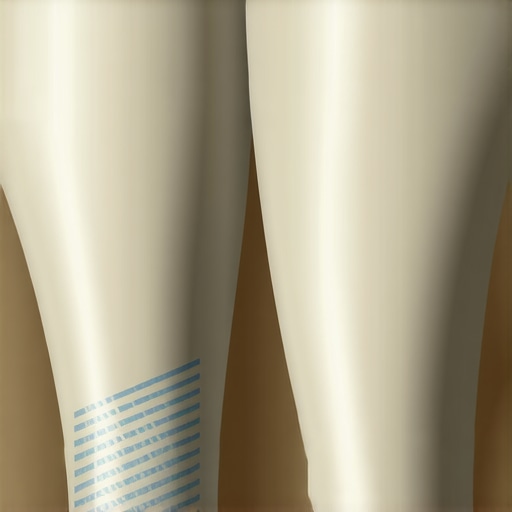 One nuanced mistake I see people make in family dentistry is assuming that ‘cosmetic’ means ‘comfortable.’ Many seek to revamp your smile with veneers or bonding, only to realize that the new thickness of the teeth changes how their jaw rests. If you are weighing dental crowns vs other restorations, remember that precision is more important than aesthetics. A beautiful tooth that keeps you from closing your mouth comfortably is a failure. If you’re currently dealing with this, don’t wait for your next six-month checkup. The real cost of delaying a necessary dental crown adjustment isn’t just money; it’s the risk of developing a permanent habit of jaw guarding. Have you ever fallen into the trap of ‘waiting it out’ only to have the pain get worse? Let me know in the comments. I’ve been there, and I’ve learned the hard way that five minutes in the chair for a quick polish can save you five weeks of Ibuprofen.
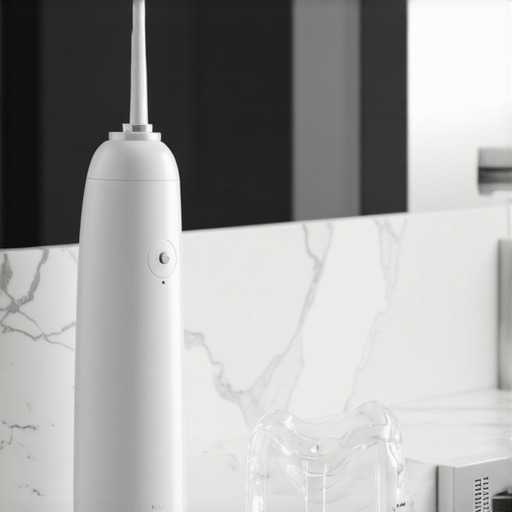
I’ve realized over the years that once you revamp your smile, the honeymoon phase ends the moment you forget your maintenance routine. It’s not just about brushing twice a day anymore; it is about protecting the structural integrity of your face. When I got my first porcelain restoration, I became obsessed with a tool most people ignore: the Waterpik with the Plaque Seeker tip. If you’ve spent time understanding dental crowns, you know the ‘margin’—that tiny line where the crown meets your gum—is where the real trouble starts. I use the Waterpik specifically because traditional string floss can sometimes snag if the fit isn’t 100% flush, which can accidentally pull on the restoration over time.
The Gear That Saved My Sanity and My Wallet
Authority in family dentistry comes from knowing that not all cleaning tools are created equal. I don’t just use any mouthwash; I look for pH-neutral, alcohol-free rinses to ensure the bonding agents in my composite fillings aren’t compromised by acidity. Furthermore, if you are someone who clenches, a custom-fitted night guard is non-negotiable. I stopped using the ‘boil-and-bite’ versions from the drugstore because they actually change your bite alignment, making jaw pain worse. Instead, I opted for a lab-created guard that allows my jaw to sit in a truly neutral position. You also need to know the best way to clean a night guard to prevent bacteria from eating away at your enamel while you sleep.
How can I keep my crowns and fillings from failing early?
Long-term success with dental crowns vs other restorations depends heavily on the ‘wiggle test’ and professional monitoring. According to the *Journal of the American Dental Association (JADA)*, the primary cause of crown failure isn’t the material itself, but the development of recurrent decay at the margin. This is why I insist on my dentist using an intraoral camera during every checkup so I can see the margins for myself. In the future, I predict we will see AI-integrated home sensors that can detect micro-cracks in porcelain before they become emergencies. Until then, you have to be vigilant. If you suspect something is off, don’t ignore it; learn how to tell if your dental crown has a hidden crack before the pain forces your hand.
Precision Beats Aesthetics Every Single Day
I’ve learned that a beautiful tooth that doesn’t function is just an expensive mistake. As we move into an era of digital impressions and 3D printing, the margin for error is shrinking, but the need for patient advocacy is growing. This is why your culpeper dentist might need a 3d scan—it provides a level of accuracy that old-school goopy molds just can’t touch. My advanced tip for you today? Perform the ‘silk floss snap test’ tonight. Slide a piece of high-quality silk floss between your teeth; if it shreds or catches on a specific spot every single time, you have an overhang or a gap that needs a professional polish. It takes thirty seconds to check and could save you from the real cost of delaying a necessary dental crown replacement.
Hard-won truths about post-chair recovery
Reflecting on my own journey through tooth sensitivity and jaw misalignment, I’ve realized that family dentistry is a partnership. Here are the lightbulb moments that changed how I approach my dental health:
- The ‘Wait and See’ approach is a trap: If your bite feels off, even by a fraction of a millimeter, your brain will never truly adjust. You will only develop compensatory muscle habits that lead to chronic tension.
- Moist heat is your best friend: While ice is great for the first hour of swelling, warm compresses are what actually release the muscle spasms known as trismus after a long appointment.
- Your alignment changes throughout the day: A filling might feel fine while you are numb or sitting upright in the chair, but gravity and posture change your bite when you lay down at night.
The recovery kit that finally worked for me
I used to think a toothbrush was enough, but after investing in my smile, I realized specialized tools are non-negotiable. To start, a high-quality water flosser is essential for keeping those tight margins clean around new restorations. I also recommend checking out the best way to clean a night guard if you use one, as a clean appliance prevents secondary inflammation. If you are dealing with more complex structures, understanding the real reason your dental bridge feels loose can help you differentiate between a loose restoration and simple muscle fatigue. For the little ones in your house, following caring for your childs teeth essential family dentistry tips ensures the whole household stays ahead of the pain curve.
#IMAGE_PLACEHOLDER_E#
The road to a completely painless bite
Your journey doesn’t end when you leave the clinic. Whether you are looking to transform your look with expert cosmetic dentistry solutions or just maintain your current health, the goal is always function over form. Don’t be afraid to advocate for yourself. If a tooth doesn’t feel right, it isn’t right. Trust your instincts and your jaw—they are the best diagnostic tools you have. Modern cosmetic dentistry should never come at the cost of your daily comfort. Take that step, call your dentist for that five-minute adjustment, and get back to enjoying your life without the throb.
Have you ever tried to ‘tough out’ a high filling only to regret it a few days later? Let me know your experience in the comments!