I was sitting at my kitchen table, sipping a lukewarm cup of coffee, when I felt it. A tiny, metallic-feeling *click* right in the back of my mouth. I stopped chewing. I tapped my teeth together. *Click. Click.* My heart sank. Having invested a lot of time and money into my smile, that subtle movement felt like a ticking time bomb. I immediately wondered if my entire tooth was about to fall out. It is a deeply unsettling sensation that can make you hyper-focus on your mouth for hours. If you are currently sitting there tapping your teeth together and feeling that exact same micro-movement, I want you to take a deep breath. You are not losing your mind, and you are not necessarily about to lose your tooth. Today, we are going to unpack exactly why this is happening and what you can do to secure your smile again.
That Annoying Click in Your Dental Work
When I first noticed my own crown clicking years ago, I made a massive mistake: I ignored it, thinking my bite was just ‘adjusting’ on its own. I even skipped my regular checkup because I was too busy. That procrastination turned a simple adjustment into a much more stressful emergency visit later on. When you invest in expert cosmetic dentistry solutions, you expect everything to remain rock-solid. But dental prosthetics are subjected to immense, daily mechanical forces. According to the American College of Prosthodontists, dental crowns can occasionally experience micro-mobility due to the gradual breakdown of the adhesive luting agent. This tiny pocket of space allows the restoration to shift just enough to create a clicking sound when pressure is applied or released. Understanding when and why dental crowns are needed also means realizing that they require ongoing maintenance.
Is a clicking crown actually a dental emergency?
The short answer is no, but you should not wait weeks to address it. A clicking sound is your early warning system. It is often the result of the dental cement washing out underneath the cap, leaving a microscopic gap. If you ignore it, saliva and bacteria will seep into that gap, leading to decay on the natural tooth structure underneath. Sometimes, the issue is not even the cement; it could be that your crown was placed slightly too high, causing uneven pressure when you chew. In fact, many people mistake this minor shifting for the sensation of a new crown hitting too hard when eating. Have you ever experienced this annoying, tapping sensation in your own dental work? Let me know in the comments below, because we have all been there. Rest assured, a quick visit to your dentist is usually all it takes to clean, re-prep, and securely recement the restoration before any real damage is done.
What to Do When Your Dental Crown Starts Clicking
When you first feel that strange, microscopic movement, your immediate instinct might be to push on the tooth with your tongue or tap your teeth together repeatedly to test it. I did exactly this, and honestly, it is the worst thing you can do. Constantly stress-testing a loose restoration is like wiggling a loose peg in a tent; you are only widening the gap and risking breaking the underlying tooth structure. Instead, you need a systematic, calm approach to protect your mouth until you can get professional help.First, run your tongue gently over the area to check if the crown has actually lifted. If the crown feels completely detached or is spinning, you must avoid chewing on that side of your mouth entirely. If you are eating, switch to soft foods immediately. I remember trying to tough it out during a weekend trip by simply chewing carefully on the other side, but a stray piece of crust still managed to catch the loose crown and pop it clean off. If you find yourself in a similar situation while away from home, knowing how to handle a dental emergency when you are out of town can save you a massive amount of panic. Keep the area clean by rinsing gently with warm salt water after meals, which helps keep bacteria from settling into the newly exposed micro-gaps.
The Temporary Fixes You Can Safely Use at Home
If the crown actually comes off, do not panic, and absolutely do not reach for household adhesives. I once spoke with a patient who tried to use hardware glue to secure a loose cap, which ended up damaging their natural tooth and requiring an emergency extraction. You should only use temporary dental cement or even a tiny dab of toothpaste or sugar-free gum as a temporary holding agent. 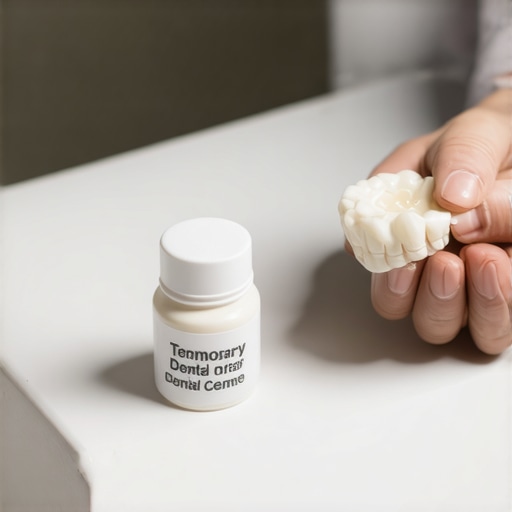 Gently clean the inside of the crown with a soft toothbrush, apply a tiny drop of temporary dental adhesive purchased from a local pharmacy, and press it gently back onto your tooth. This is strictly a stopgap measure to protect the sensitive dentin and keep your teeth from shifting while you arrange a proper appointment.
How Your Dentist Will Permanently Solve the Issue
When you finally get into the dental chair, the process of securing your smile is actually very straightforward and painless. First, the dentist will carefully remove the crown to inspect the tooth underneath for any signs of decay or structural damage. If the underlying tooth is healthy and the crown itself is still in perfect shape, they will clean both surfaces thoroughly to remove old adhesive. They then use professional-grade luting cement to bond the restoration back into place. However, if the issue is that the crown was improperly fitted from the start, or if you have experienced structural changes, they may recommend modern solutions. Looking into cosmetic dentistry innovations to watch can give you an idea of how precise and durable modern restorations have become. In some cases, if the tooth underneath has sustained new decay, you might need a minor buildup before the crown can be safely recemented, ensuring your foundation remains solid for decades.
The Micro-Gap Fallacy Most Patients and Dentists Ignore
Many dental professionals will tell you that if a crown isn’t visibly loose, it is perfectly fine to leave it alone. However, in my years of researching dental outcomes, I have found that waiting for a restoration to completely fall off is a recipe for disaster. The prevailing belief is that dental cement acts as an impenetrable barrier forever, but microscopic washouts happen long before the structural bond fails completely. When saliva washes out the micro-layers of luting agent, it creates a pump-like mechanism. Every time you bite down, bacteria-laden moisture is forced into the deep layers of the dentin. If you wait until you feel obvious movement, you may discover that the underlying tooth has turned to mush from silent decay. Knowing how to tell if your dental crown has a tiny crack or micro-leakage is vital because the damage is often completely invisible on standard surface inspections.
Another critical trap is assuming that all dental work behaves the same way as we age. In family dentistry guide building a lifetime of healthy smiles, we often emphasize that adult teeth continue to shift over decades, even if you had orthodontic work as a teenager. This subtle migration alters your occlusion (the way your teeth meet), creating heavy contact points on old restorations that were never there before. According to a long-term clinical study published in the Journal of Prosthetic Dentistry, even a 10-micron shift in tooth position can concentrate destructive forces on a single crown, leading to premature cement crystallization and failure. Have you ever fallen into this trap of ignoring a tiny change in your bite? Let me know in the comments.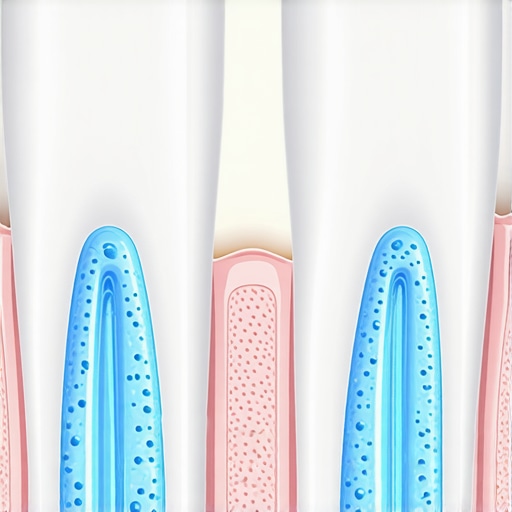
Why does my dental work feel perfectly fine in the morning but click later in the day?
This is one of the most common nuances that confuses patients. They wake up, everything feels rock-solid, but by dinner time, they feel that annoying micro-movement again. This is almost always due to nocturnal bruxism (teeth grinding) or daytime clenching. When you clench your teeth, you apply hundreds of pounds of pressure per square inch. This intense, sustained load temporarily compresses the periodontal ligament—the microscopic shock absorber surrounding your tooth root. As the day progresses and you continue to chew, the ligament becomes slightly fatigued and widened, allowing just enough physical play for a compromised crown to start clicking against its neighbor. If you notice this pattern, the root cause might not be the cement itself, but rather a alignment issue that requires a minor bite adjustment. In the realm of comprehensive the role of family dentistry in ensuring oral health for all ages, addressing these micro-habits early is what keeps a beautiful cosmetic restoration from failing prematurely.
My Personal Toolkit for Long-Term Crown Maintenance
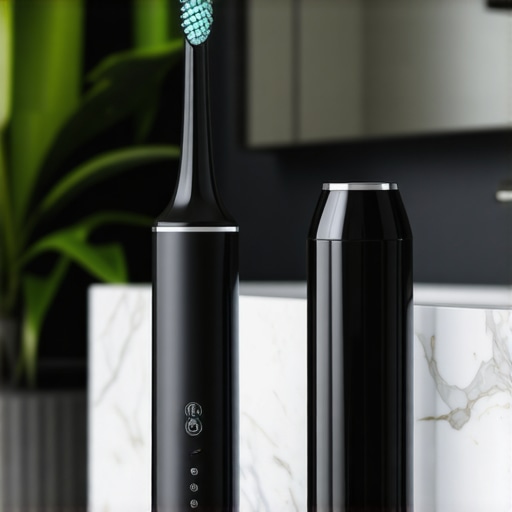
Over the years, I have realized that extending the lifespan of your crowns is not about luck; it is about the daily maintenance routine you establish at home. If you want to keep your restorations solid, you cannot rely on standard drugstore brushes alone. Personally, I swear by the Oral-B Genius series electric toothbrush paired with the Floss Action brush head. The micro-vibrations are powerful enough to disrupt the biofilm along the margin where your crown meets the natural tooth without being abrasive enough to scratch the porcelain. For flossing, I strictly use a Waterpik Aquarius professional water flosser. Standard dental string floss can sometimes catch on the microscopic ledge of an older crown and pull at the adhesive margin. The targeted, high-pressure water stream clears away debris from those deep interproximal spaces where decay loves to start. If you are serious about protecting your investment, choosing the right tools is just as critical as deciding between dental crowns vs other restorations in the first place.
How do I maintain my dental restorations over time?
The secret to preserving cosmetic dental work lies in preventing marginal leakage. Beyond daily brushing and water flossing, you should incorporate an alcohol-free therapeutic mouthwash containing sodium fluoride. Standard alcohol-based rinses can actually dry out your mouth, lowering your saliva pH and accelerating the degradation of some resin-based dental cements. Additionally, if you grind your teeth at night, you absolutely must wear a custom-fabricated occlusal guard. Do not buy the generic ‘boil-and-bite’ guards from the store; they do not distribute forces evenly and can actually worsen your bite alignment. A custom guard acts as a physical insurance policy for your smile. If you want to dive deeper into long-term preservation, reading our family dentistry guide building a lifetime of healthy smiles will give you a comprehensive blueprint for every age group.
The Future of Smart Dental Restorations
Looking ahead, the field of restorative dentistry is moving far beyond traditional porcelain and static cements. Within the next decade, we will likely see the widespread adoption of ‘smart crowns’ embedded with microscopic biosensors. These sensors will continuously monitor the pH of your saliva, detect early signs of bacterial acid production beneath the margin, and transmit real-time alerts directly to your smartphone before any physical damage or clicking occurs. Furthermore, researchers at the Forsyth Institute are currently developing bioactive dental cements that actively release calcium and phosphate ions to remineralize the surrounding tooth structure over time, effectively self-healing any micro-gaps that form. As these cosmetic dentistry innovations to watch continue to emerge, the risk of silent decay beneath our restorations will become a thing of the past. For now, my best advice is to take action today: switch to a high-quality water flosser tonight to safeguard those crown margins.
What I Wish I Had Known Before My First Crown Started Shifting
Experiencing that first mechanical click in my mouth was terrifying, but looking back, it taught me several invaluable lessons about managing restorations. First, never wait for pain to act. A silent, clicking crown is actively letting in bacteria, even if it feels completely comfortable. Second, your bite is a dynamic, living system. Assuming a crown will stay perfectly aligned forever ignores the natural aging of your jaw and teeth. Lastly, I learned that ignoring micro-mobility can turn a simple five-minute recementing appointment into a costly root canal down the road. Addressing these issues early is the key to maintaining a lifelong, healthy smile.
The Restoration Guardian Toolkit
To prevent future issues and extend the lifespan of your dental work, I highly recommend investing in specialized tools rather than standard drugstore supplies. Here are the exact products I trust to keep my margins healthy:
- Sonicare ProtectiveClean Toothbrush: This brush features pressure sensors that prevent you from scrub-damaging the margins of your crown.
- Waterpik Aquarius Professional: Essential for flushing out the deep pockets where crown and natural tooth meet. It is much safer than catching a string on an old margin.
- Act Anticavity Fluoride Rinse (Alcohol-Free): This specific rinse keeps your saliva pH balanced, preventing the chemical erosion of resin-based luting agents without the burning sensation of alcohol. You can read more about why this matters in our guide on why your mouth burns after using an alcohol-based mouthwash.
Take Control of Your Oral Health Journey
A clicking crown can feel incredibly stressful, but it is actually an opportunity to tune in and give your mouth the precise care it needs. By taking proactive, calm action, you are protecting both your physical well-being and your cosmetic investment. Your smile is meant to last a lifetime, and with the right daily habits, it absolutely will. If you suspect your crown has a larger issue, learn how to tell if your dental crown has a tiny crack to stay ahead of the damage.