I was standing over my bathroom sink, eyes watering and face turning a concerning shade of red, wondering if I had accidentally swallowed a live coal. No, it was just my maximum strength mouthwash. For years, I believed that if a rinse did not make me wince and grip the porcelain, it simply was not working. It was a classic case of the no pain, no gain mentality that was actually wrecking my oral health. I learned the hard way that this aggressive burn was not a sign of success; it was a distress signal from my mouth’s delicate tissues. I even once ignored a growing irritation because I thought it was just part of the process, only to end up needing advice on how to manage tooth sensitivity later. Today, we are going to fix your morning routine so you can stop the sizzle without sacrificing the clean.
Stop Punishing Your Gums Every Morning
The culprit behind that searing sensation is almost always ethanol. Many traditional brands use high concentrations of alcohol to dissolve active ingredients like menthol or eucalyptol. While it sounds efficient, alcohol is a desiccant. It dries out your mouth, which is counterproductive since saliva is your best natural defense against decay. I made the mistake of thinking my mouth was just being sensitive, but in reality, I was stripping away the protective moisture that keeps bacteria in check. If you have invested in your smile through cosmetic dentistry solutions, the last thing you want is a chemical burn irritating your gums. This is especially true for those with restorative work who might be looking at dental crowns explained as a way to protect damaged teeth, only to irritate them further with harsh rinses.
Does the sting actually mean more cleaning power?
This is the biggest hurdle for most of us to overcome. We have been conditioned by decades of marketing to equate a chemical sting with a job well done. However, scientific evidence suggests otherwise. According to the American Dental Association, while alcohol-based mouthwashes are effective at killing bacteria, the alcohol itself is not the primary cleaning agent; it is merely a carrier. In fact, for many people, the irritation can lead to mouth sores or a condition called xerostomia (dry mouth). Have you ever had to spit out your mouthwash early because the burn was just too much to handle? You are not alone, and you are not failing your teeth by wanting a gentler experience. Whether you are trying to learn how to whiten your teeth without making them feel sensitive or just want a fresh breath that doesn’t hurt, it is time to look at the ingredients in that bottle. Choosing the right products is a vital part of the role of family dentistry in keeping everyone’s smile healthy and comfortable.
Ditch the Ethanol for Better Results
I remember the first time I swapped my blue-colored ‘liquid fire’ for an alcohol-free version. It felt… wrong. I’d been so conditioned to believe that if my eyes weren’t watering, my mouth wasn’t clean. But that is the exact mindset we have to break to protect our gums. Modern rinses often use stabilized chlorine dioxide or essential oils that target bacteria without nuking your entire oral microbiome. Think of it like swapping a steel wool pad for a microfiber cloth; both might clean the surface, but one is actually preserving the finish. This shift is a core part of any family dentistry guide building a lifetime of healthy smiles. By choosing a gentler formula, you avoid the chronic dryness that leads to bad breath and decay. 
Give Your Fluoride Time to Work
This was the hardest habit for me to break. I used to brush, spit, and immediately glug the mouthwash. My dentist looked horrified when I told him. Brushing leaves a concentrated layer of fluoride on your enamel. Rinsing immediately—even with water—effectively washes that expensive protection down the drain. It is like applying a premium wax to your car and then immediately driving through a high-pressure wash. If you are already struggling with how to manage a tooth that is sensitive only to hot liquids, you need every microgram of that fluoride to stay put. Try to wait at least ten minutes after brushing before you use your rinse.
Watch Out for Hidden Sensitivity Under Crowns
If you have invested in your smile, you have to be more strategic. I once tried a high-intensity ‘whitening’ rinse right after getting a temporary cap, and the zing was so intense I nearly dropped the bottle. Harsh chemicals can sometimes irritate the margins where your natural tooth meets the restoration. If you have ever wondered about the real reason your crown feels loose when you chew gum or why the area feels perpetually tender, your choice of rinse might be the culprit. For those who have used transform-your-look-with-expert-cosmetic-dentistry-solutions, the goal is longevity. A pH-neutral, alcohol-free rinse helps maintain the integrity of the dental cement and keeps the surrounding tissue calm.
Check for Structural Damage
Sometimes the sting isn’t the mouthwash’s fault at all. I found this out the hard way when what I thought was a ‘refreshing tingle’ turned out to be liquid seeping into a hairline fracture. Mouthwash can sometimes mask the symptoms of a physical problem until it becomes an emergency. Learning how to tell if your dental crown has a tiny crack is an essential skill. If you notice the burn is localized to one specific tooth while the rest of your mouth feels fine, stop the rinse and get a professional eyes-on. It’s better to catch a minor crack early than to wait until you’re dealing with a full-blown infection.Let’s dig deeper into why ‘sterile’ isn’t actually the goal for a healthy mouth. We have been told for decades that a 99.9% kill rate is the gold standard for oral hygiene, but in my experience, chasing that number is a recipe for long-term disaster. The mouth is a complex ecosystem, not a kitchen counter that needs disinfecting.
Why does my blood pressure spike after using a strong rinse?
This is the hidden nuance most people miss, and it is a topic often discussed in advanced clinical circles. A fascinating study published in Free Radical Biology and Medicine revealed that certain oral bacteria help convert dietary nitrate into nitric oxide, a molecule that relaxes your blood vessels. When you use a high-potency antimicrobial rinse, you might be accidentally wiping out these ‘good’ bacteria, leading to a measurable rise in blood pressure. It is a perfect example of how the role of family dentistry has evolved from just ‘fixing teeth’ to managing your entire systemic health. Have you ever fallen into this trap of thinking a sterile mouth is a healthy mouth? Let me know in the comments.
Stop treating your gums like a piece of leather
I have heard so many people say, ‘My gums only bleed because I am finally flossing properly.’ That is a dangerous ‘oops’ factor. Healthy tissue does not bleed when you touch it. If your gums are bleeding, you are not just cleaning too hard; you are likely dealing with a localized infection that has systemic consequences. There is a profound the connection between your gum health and your heart that many ignore until it is too late. Bleeding is an alarm bell, not a sign of progress. 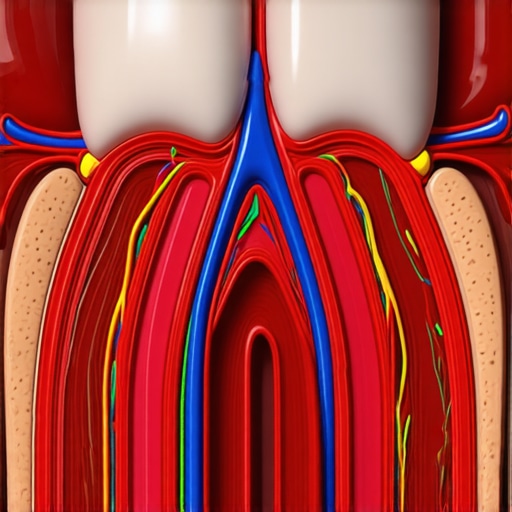
The dangerous myth about bleeding during your routine
Most people believe that if they just brush harder, the bleeding will stop. In reality, aggressive mechanical action paired with harsh chemical rinses creates a cycle of chronic inflammation. This is especially problematic if you have existing dental work. If you have spent time researching revamp your smile top cosmetic dentistry trends for 2025, you probably know that the longevity of your investment depends on the health of the underlying tissue.
Watch out for the whitening trap on your restorations
Another common mistake involves the intersection of cosmetic work and over-the-counter products. If you have veneers or crowns, here is the trap: whitening mouthwashes and abrasive pastes. Products like the truth about charcoal toothpaste and your tooth enamel prove that ‘natural’ can be incredibly destructive. Charcoal is often too abrasive for the delicate glazes on your porcelain. Furthermore, whitening agents in rinses will not change the color of your crown, but they can irritate the gingival margin, leading to recession. This is often why your gums look dark around an old metal fused crown—the dark root or metal substructure is exposed because the tissue has literally run away from the chemical irritation. When weighing dental crowns vs other restorations which is right for you, remember that the restoration is only as good as the health of the gums surrounding it. If you are seeing irritation, it is time to stop the DIY whitening and seek professional guidance to avoid permanent recession.If you want to keep those expensive porcelain upgrades for twenty years instead of five, you have to upgrade your toolkit. I used to think a standard toothbrush was enough until my dentist showed me a macro-photo of the plaque biofilm congregating around my crown margins. Now, I swear by the Waterpik with the Plaque Seeker tip. It’s specifically designed to clean around dental crowns explained and other hardware without scratching the surface or disturbing the cement. This isn’t just about vanity; it’s about the role of family dentistry in preventing the need for repeat procedures. According to a study in the Journal of Clinical Periodontology, interdental brushes and specialized water flossing tips are significantly more effective than traditional floss at maintaining the gingival health around restorations. 
How do I maintain my dental restorations over time?
Consistency beats intensity every single time. You don’t need to scrub your teeth until they shine; you need to disrupt the bacteria daily. If you’ve invested in transform-your-look-with-expert-cosmetic-dentistry-solutions, you should be treating your mouth like a high-performance engine. This means regular professional cleanings to handle the calculus you can’t see. I’ve seen people lose beautiful work because they skipped two years of checkups, thinking their teeth looked ‘fine.’ If you want the secret to keeping your dental implants healthy for life, it starts with a soft-bristled electric brush and a pH-balanced routine. Most of my friends who struggle with longevity are the ones who ‘brush too hard,’ effectively sanding away their gums and exposing the roots. Looking ahead, I predict we’ll soon see ‘smart crowns’—restorations with embedded sensors that can alert your phone to a pH drop or a bacterial spike before a cavity even forms. We are already seeing some of these revamp-your-smile-top-cosmetic-dentistry-trends-for-2025 appearing in high-end clinics where diagnostics are becoming more predictive than reactive. For now, your best move is a family dentistry guide building a lifetime of healthy smiles approach: get a high-quality electric brush with a pressure sensor. My personal favorite is the Oral-B iO series because it vibrates rather than rotates, which is much kinder to the margins of your veneers and helps prevent that dark ‘recession’ line from forming. My advanced tip for you today: next time you’re at the store, buy a pack of interdental brushes—the tiny ones that look like miniature trees—and use them just once a day in the gaps where your crown meets your natural tooth. You’ll be shocked at what your regular brush is leaving behind. This simple switch can add a decade to the life of your smile.
What I Finally Realized About the ‘Clean’ Feeling
It took me years to understand that oral care isn’t a battle against your mouth—it’s a partnership. One of the biggest lightbulb moments was realizing that sterile isn’t the same as healthy. When I stopped trying to kill every single bacterium with high-alcohol rinses, my gums actually stopped receding. Another lesson was the importance of timing; waiting ten minutes after brushing to rinse changed my sensitivity levels almost overnight. This shift is a huge part of any family dentistry guide building a lifetime of healthy smiles because it focuses on preservation rather than destruction. Lastly, I learned that a ‘zing’ isn’t a sign of success—it’s often a warning of the real cause of those tiny cracks in your tooth enamel being irritated by chemicals. #IMAGE_PLACEHOLDER_E#
The Daily Tools That Saved My Smile
To keep your mouth in peak condition, you need more than just a bottle of rinse. Here is what I personally use and recommend to maintain a balanced microbiome: First, an electric toothbrush with a pressure sensor. If you are looking into revamp your smile top cosmetic dentistry trends for 2025, you’ll see that gentle, high-tech cleaning is the future. Second, specialized interdental brushes; they reach where floss can’t, especially around the margins of dental crowns explained. Finally, I always keep a pH-balanced, alcohol-free mouthwash on the counter. I trust these because they respect the the connection between your gum health and your heart by keeping the oral microbiome balanced.
Don’t Settle for a Routine That Hurts
Your morning routine should be a moment of self-care, not a test of endurance. By moving away from harsh chemicals and embracing modern, gentle alternatives, you are protecting not just your teeth, but your overall systemic well-being. If you are unsure which products are right for your specific dental work, feel free to contact us for personalized advice. Taking care of your smile is one of the best investments you can make for your future self. It’s time to stop the sizzle and start focusing on long-term strength. Have you noticed your gums feeling better after switching to an alcohol-free rinse? Let me know in the comments below!