I remember sitting at my kitchen table three years ago, tears streaming down my face, not because I was sad, but because I’d just tried a ‘professional strength’ whitening strip and felt a lightning bolt of pain shoot through my front teeth. It was my sister’s wedding week, and I wanted that movie-star glow. Instead, I couldn’t even breathe in cold air without wincing. I’d spent years trusting my family dentistry roots, yet there I was, making the rookie mistake of thinking more peroxide meant faster results. It doesn’t. It just means more misery. Today, I want to share how I finally cracked the code on brightening my teeth without the dreaded ‘zingers.’ We’re going to talk about why your teeth look yellow even though you have never smoked and how to fix it without feeling like you’ve been struck by lightning. Have you ever had to stop a whitening treatment halfway through because the pain was just too much? I’d love to hear your story.
Stop Punishing Your Enamel Just to Look Good in Photos
I used to think that pain was just the price of beauty in the world of cosmetic dentistry. I was wrong. My biggest mistake early on was ignoring the ‘prep’ phase. I would just slap on the strongest gel I could find and hope for the best. I didn’t realize that sensitivity is often caused by the whitening agent opening up the microscopic pores in your enamel, which allows the bleach to reach the nerves. According to a study published in the Journal of the American Dental Association, roughly 1 in 8 people have pre-existing sensitive teeth, and aggressive whitening can exacerbate this by temporarily increasing the permeability of the tooth’s enamel. Now, I focus on a slower, more intentional approach. If you want professional teeth whitening results to last longer, you have to treat your teeth with a little more respect during the process. It’s about finding that sweet spot between effectiveness and comfort.
Is a whiter smile actually worth the ‘zingers’?
Most people fear that ‘gentle’ means ‘ineffective.’ They worry they’ll spend money and time only to see no difference. I get it. But the truth is, your teeth can only absorb so much at once. When I started using products specifically designed for sensitive mouths and combined them with proper remineralizing treatments, the game changed. I didn’t just get a brighter smile; I kept my sanity. We’re going to dive into the exact routine I use now—one that won’t leave you afraid of an ice cube.
Prepare Your Enamel Like a Pro Before the Bleach Touches Your Teeth
The biggest mistake most people make is starting a whitening treatment on a whim. You shouldn’t just wake up on a Tuesday and decide to slap on a strip. Think of your enamel like a house in the winter; if you leave the windows open, the cold is going to get in. Whitening agents open up the microscopic tubules in your teeth, creating a direct path to the nerves. To combat this, you need a ‘pre-game’ routine. Start using a high-quality desensitizing toothpaste containing potassium nitrate at least two weeks before you plan to whiten. This compound acts like a thermal barrier, calming the nerve endings so they don’t overreact to the peroxide. I once ignored this step because I was in a rush for a friend’s birthday party. Halfway through the 30-minute treatment, I felt a sharp, electric shock that made me drop my toothbrush. It was a classic ‘zinger.’ Since then, I’ve followed the family dentistry guide to building a lifetime of healthy smiles by prepping my teeth properly. This simple two-week lead time turns a painful ordeal into a non-event.
Lower the Concentration and Play the Long Game
We live in a culture that wants results yesterday, but your teeth don’t work that way. High-concentration gels (anything over 20% carbamide peroxide) are meant for fast office visits, not for people with sensitive nerves. If you’re doing this at home, choose a lower concentration—around 10%—and wear it for a shorter duration. It’s better to whiten for 15 minutes every other day than to try a marathon hour-long session that leaves you in tears. If you have any dental crowns, remember that the porcelain won’t change color, so focus your efforts on the natural tooth structure. I’ve found that using custom trays from a professional cosmetic dentistry provider is far superior to over-the-counter strips because they keep the gel away from your gums, preventing that ‘chemical burn’ white look on your soft tissues. 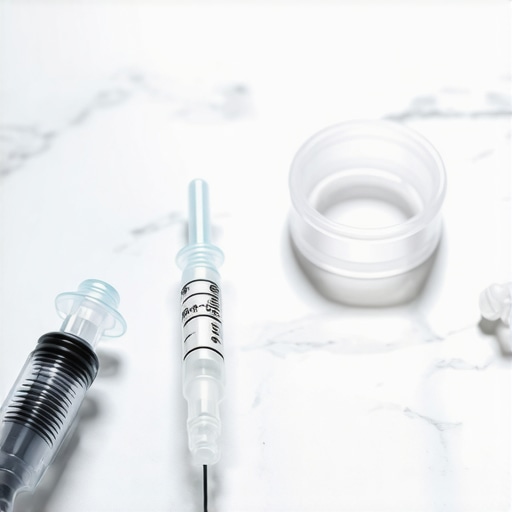
Seal the Pores with a Remineralization Treatment
Once you remove the whitening agent, your teeth are in a vulnerable state. They are literally more porous than they were twenty minutes ago. This is the ‘sponge phase.’ If you go drink a cup of black coffee now, you’ll stain your teeth faster than you can say ‘latte.’ Instead, you need to ‘close the windows’ by using a remineralizing gel or a fluoride rinse. This doesn’t just help with sensitivity; it actually helps the whitening last. It’s the same logic behind how to avoid staining your teeth after a professional cleaning. I keep a bottle of fluoride rinse in my cabinet specifically for post-whitening nights. One time, I ran out and tried to use a strong, alcohol-based mouthwash instead. Big mistake. Your gums can turn white after using a strong mouthwash if they are already irritated from the whitening gel. Stick to the gentle, alcohol-free stuff to soothe the area and lock in that new brightness. Treat your teeth like fine china during this process, and they will reward you with a glow that doesn’t hurt.Let’s dig deeper into what really happens when we move from home kits to professional chairs. Everyone says the goal is the whitest shade possible, but in my experience, chasing a ‘Level 0’ white is the fastest way to make your smile look like a row of plastic piano keys. True cosmetic dentistry isn’t about brightness; it’s about translucency. Real teeth have a depth that allows light to pass through the enamel and bounce off the dentin. When you go too white, you lose that depth, and your teeth end up looking opaque and ‘flat.’ A study in the International Journal of Esthetic Dentistry suggests that ‘biomimetic’ restorations—those that mimic the light-handling properties of natural teeth—are consistently rated as more attractive by laypeople than monochromatic bright white smiles. If you’re looking at top cosmetic dentistry trends for 2025, you’ll notice the shift is toward ‘imperfection’—slight variations in shade that make a smile look real rather than manufactured. Have you ever fallen into the trap of wanting ‘refrigerator white’ teeth? Let me know in the comments.
Can a dental crown actually change the way your jaw moves?
This is where the nuance of family dentistry meets complex engineering. Many patients view dental crowns vs other restorations as a simple choice of material, but the real ‘trap’ is the occlusion—or how your teeth bite together. If a crown is even a fraction of a millimeter too high, it can throw off your entire temporomandibular joint (TMJ) alignment. This is often the real reason your crown feels loose when you chew gum or why you might start experiencing headaches. A skilled dentist doesn’t just glue a cap on; they balance the force of your entire bite. 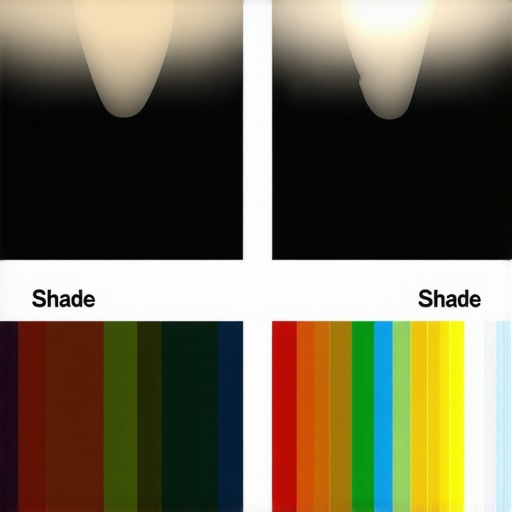
Avoid the midday lighting trap during your shade selection
The biggest ‘oops’ I see happens in the dental chair during the ‘shade matching’ phase. Dental offices are usually flooded with cool-toned LED or fluorescent lights. If you pick your tooth shade under these lights without checking it in natural sunlight, you’re in for a shock the moment you walk out to your car. Your teeth will look great in the office but might look strangely gray or yellow in the sun. Always ask your clinician to show you the shade guide near a window. Furthermore, be wary of the gum line. I’ve seen many people spend thousands on porcelain only to be disappointed by the hidden reason your gums look dark around an old dental crown—which is often an issue of the underlying tooth structure or metal-based materials rather than the crown itself. High-level aesthetics require a healthy foundation, which is why your family dentistry guide to building a lifetime of healthy smiles always emphasizes gum health before cosmetic overhauls.Once you have invested in high-end restorative work, the real job begins: keeping it. I see so many people get perfect veneers or have dental crowns explained as the ultimate solution, only to scrub them with abrasive ‘whitening’ toothpaste that acts like sandpaper on the finish. If you want the secret to making your dental bonding last more than five years, you need to check the RDA (Relative Dentin Abrasivity) value of your toothpaste. According to the ISO 11609 standard, a value over 250 is the legal limit, but for cosmetic restorations, you really want to stay under 50 to maintain that glass-like luster. This is the difference between a smile that looks new for ten years and one that looks ‘foggy’ after two.
How do I maintain my dental work over time?
The biggest threat to your new smile isn’t coffee; it is mechanical force. I learned this the hard way after waking up with a tiny chip in a brand-new veneer. Most of us grind our teeth when we are stressed, a behavior often linked to the hidden link between sleep apnea and grinding your teeth. You absolutely must use a custom-fitted night guard. And please, learn the best way to clean your night guard so it doesn’t smell, because if it is gross, you simply won’t wear it. Looking forward, I predict we will see 3D-printed night guards embedded with haptic sensors that track your grinding patterns in real-time, sending data straight to your smartphone. 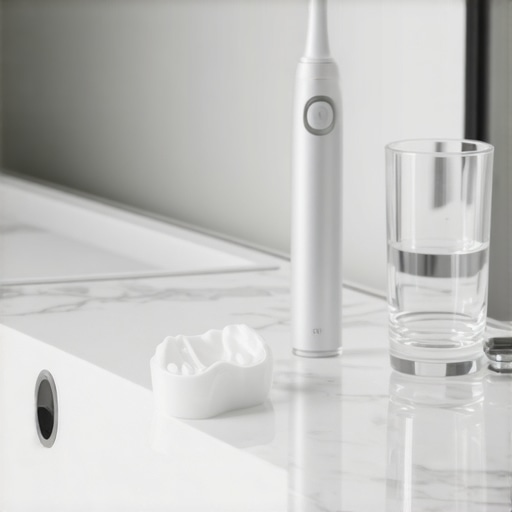 I also swear by a high-end sonic toothbrush with a built-in pressure sensor. Why? Because manual brushing often misses the ‘ledge’ where the crown meets the gum line. If you do not clean that specific margin, you are gambling with your oral health instead of following the secret to keeping your dental implants healthy for life. Use a dedicated interdental brush—not just traditional floss—to sweep under bridges. Knowing how to clean your dental bridge to prevent chronic gum disease is what separates a successful long-term restoration from an expensive failure. If you are serious about protecting your investment, download an RDA toothpaste chart today and cross-reference it with your current brand; it is the smallest change that will have the biggest impact on your smile’s lifespan.
Hard Lessons from My Own Smile Transformation
Looking back, the most important thing I learned was that speed is the enemy of a natural-looking smile. If you rush the process with high-peroxide concentrations, you risk more than just temporary pain; you risk permanent damage. One major takeaway is that your results should match your environment. This is why your porcelain veneers look opaque and unnatural in sunlight if they aren’t matched properly by a professional who understands light translucency.
Another ‘lightbulb moment’ for me was realizing that pain is a signal, not a side effect. Before you even start a whitening regimen, you need to know how to tell if your tooth sensitivity is actually a hidden fracture rather than just thin enamel. Ignoring a fracture while applying bleach is like pouring acid into a crack in your tooth. Finally, remember that even the most beautiful work can fail if the foundation is weak. You must keep an eye on older work and know how to tell if your crown is leaking and trapping bacteria so you can address it before it becomes a painful emergency.
The Toolkit Every Healthy Smile Needs
If I could go back and give my younger self a ‘dental survival kit,’ it would include these four things. First, an RDA (Relative Dentin Abrasivity) chart for toothpaste. I used to think all toothpaste was the same, but abrasive ‘whitening’ pastes can destroy your enamel. Second, a remineralizing gel with hydroxyapatite to ‘seal’ the tooth after whitening treatments. Third, a high-quality, custom-fit night guard. Protecting your investment from grinding is vital, and you should learn how to clean a night guard without using harsh chemicals or bleach to keep it fresh. Finally, I recommend a sonic toothbrush with a pressure sensor to ensure you aren’t scrubbing away your gum line while trying to keep things clean.
Take the First Step Toward a Pain-Free Glow
You don’t have to choose between a bright smile and a comfortable one. By combining the principles of family dentistry—which focuses on long-term health and prevention—with the artistic flair of modern cosmetic dentistry, you can achieve a look that is both stunning and sustainable. Your teeth are the only set you get, so treat them with the patience they deserve. Start slow, prep your enamel, and prioritize health over high-speed results. Your future self will thank you for every ‘zinger’ you avoided. Have you ever had to stop a whitening treatment because of the pain? Let me know your experience in the comments below!