I’ll never forget the time I walked out of my dentist’s office feeling like a million bucks. My teeth were so smooth my tongue kept sliding off them. Naturally, I celebrated by grabbing a giant iced latte. By that evening, I swear I could already see a faint yellow shadow creeping back onto my lower incisors. It was a classic rookie mistake. I didn’t realize that for the first 48 hours, your teeth are essentially sponges for every pigment you put in your mouth. You’ve just had the protective pellicle layer buffed away, leaving the pores of your enamel wide open to whatever dark liquid you throw at them. It’s a painful lesson I’ve learned so you don’t have to. I used to think that once the chair tilted back up, my job was done, but I was wrong. The real work of maintaining that shine starts the moment you hit the sidewalk.
That Shiny New Smile is More Fragile Than You Think
When you get a professional cleaning, the hygienist is doing more than just flossing for you. They are removing built-up tartar and surface stains that your regular toothbrush can’t touch. But there is a catch. This process temporarily makes your teeth more porous. If you’ve invested time into ensuring oral health for all ages for your whole family, you know that the “clean feel” is addictive. However, my early mistake was thinking that “clean” meant “invincible.” I thought the polish was like a wax job on a car. It isn’t. It’s more like sanding down a piece of wood before staining it—except you’re the one providing the stain. We are going to look at exactly how to guard that brightness, especially if you’ve been looking for the secret to making professional teeth whitening results last longer. Have you ever walked out of the chair and immediately reached for a soda or a heavy pasta sauce, only to regret it later?
Is this extra effort actually worth the hassle?
I get it. You’re busy. You want your coffee. You might be thinking that a little stain won’t hurt because you’ll just brush it off later. But here is a surprising fact: according to the American Dental Association, it can take up to 24 full hours for the natural protective film—the pellicle—to fully reform on your teeth after a deep scaling and polish. During that window, your teeth are uniquely vulnerable. This isn’t just about vanity; it’s about protecting the investment you’ve made in your cosmetic dentistry. If you’ve ever wondered why your teeth feel furry even after you just brushed them, it’s often because the surface is already attracting new plaque and pigment. I used to think I could just use a harsh scrub to fix it, but using charcoal toothpaste on freshly cleaned teeth is like using steel wool on a silk shirt. You need a gentler, smarter approach to those first few days to keep that “just cleaned” glow for months instead of hours. The good news is that it only takes a few simple habit shifts to ensure your teeth stay as white as they were when you left the office.
Stick to the 48-Hour White Diet
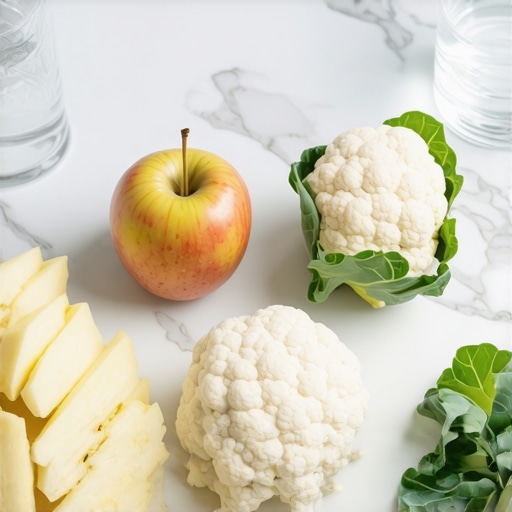
The first rule of post-cleaning care is what I call the White Diet. For the first two days, you should only eat foods that wouldn’t stain a white t-shirt. I learned this the hard way after a cleaning three years ago when I decided to treat myself to a giant beet and goat cheese salad. Within hours, my teeth had a terrifying pinkish hue that no amount of brushing could fix. I had to return to the office for a touch-up polish because those pigments had settled right into the open pores of my enamel. Stick to white rice, chicken breast, white fish, and clear liquids. Treat your teeth like a fresh coat of white paint; anything that touches them during this window is likely to leave a permanent mark. If you are also dealing with sensitivity during this time, knowing the best way to soothe sensitive teeth after a whitening session can help you stay comfortable while your enamel settles back into its protective state.
Manage Post-Cleaning Sensitivity Effectively
It is completely normal to feel a bit of a zinger when you sip something chilled right after a deep scale. If you’ve ever wondered why your tooth hurts when you drink cold water but not hot coffee, it’s often because the professional tools have reached areas near the gumline that haven’t seen the light of day in months. To handle this, avoid extreme temperatures for at least 24 hours. Think of your teeth as a delicate circuit board that has just been cleaned; sudden temperature shocks can cause temporary ‘short circuits’ in the nerves. This is especially true if your hygienist had to do significant work around existing dental crowns, as the interface between the restoration and the natural tooth can be particularly sensitive to pressure and cold immediately after a cleaning.
Use the Water Rinse Technique for Staining Drinks
I know asking you to give up coffee for two days is a tall order. If you must indulge, use the ‘Bypass and Rinse’ method. Use a straw to direct the liquid past your front teeth and immediately follow every sip of coffee or tea with a swish of plain water. This dilutes the chromogens—the color-producing compounds—before they have a chance to bond with the tooth surface. It’s a simple mechanical way to prevent the formation of new stains. This is a vital habit to master if you want the secret to making your dental bonding last more than five years, as bonding resin is even more prone to surface staining than natural enamel.
Ditch the Abrasive Pastes and Harsh Brushing
Your teeth are at their most vulnerable right after the hygienist’s polish. This is the time to switch to the softest brush you own and a non-abrasive toothpaste. Many people make the mistake of scrubbing harder to maintain the clean feeling, but this actually causes micro-scratches that trap future plaque. If you are looking for how to whiten sensitive teeth without the sharp shooting pains, the answer is often found in the products you use during these first 72 hours. Gentleness is your best friend. Imagine your teeth are a polished silver platter; you wouldn’t use steel wool to keep it clean, you’d use a soft cloth. By reducing the mechanical friction on your teeth for a few days, you allow the natural pellicle layer to reform perfectly smooth, making it much harder for new stains to stick in the coming weeks.
Let’s dig deeper. Most people assume that once the tartar is gone, they need to keep that smooth feeling by any means necessary. But here is the contrarian truth: that ‘squeaky clean’ sound is sometimes the sound of you stripping your enamel. I see patients all the time who, in an attempt to maintain their results, switch to heavy-duty whitening pastes the day after a cleaning. This is the ultimate ‘oops’ factor. A study published in the Journal of the American Dental Association (JADA) highlights that the Relative Dentin Abrasion (RDA) of certain ‘whitening’ or ‘smokers’ toothpastes is so high that they can wear down your tooth structure significantly more than standard pastes, especially when the natural pellicle is still reforming. Using these is one of the quickest ways to ensure the truth about charcoal toothpaste and long-term enamel damage becomes your personal reality.
Another trap I see advanced dental patients fall into is misinterpreting ‘feeling’ for ‘healing.’ If you have dental crowns explained as a solution for your damaged teeth, you expect them to feel perfect after a cleaning. However, if you notice that why your porcelain crown feels too high when you bite down is becoming a consistent thought, don’t just blame it on ‘post-cleaning inflammation.’ A professional cleaning can sometimes dislodge tiny amounts of debris that were masking a ‘high’ spot in your bite or, worse, a failing margin. This is why paying attention to the mechanical feel of your bite in the days following a visit is so critical for long-term success.
Can you distinguish between sensitivity and a leaking crown?
It is a nuanced question that many overlook. Genuine sensitivity usually fades within 48 hours and responds primarily to temperature. But if you have a dull ache that lingers or a sharp pain when you release a bite, you might need to learn how to tell if your crown is leaking and trapping bacteria. A common mistake is assuming the hygienist would have automatically caught every micro-leak. While they are experts, some margins only become visible for inspection once the surrounding tissue is fully cleaned and the inflammation subsides. If you’ve invested in expert cosmetic dentistry solutions, catching these early is the difference between a simple reseal and a full, expensive replacement. 
We often talk about the role of family dentistry in ensuring oral health for all ages, and that includes educating the next generation that ‘clean’ doesn’t mean ‘scratched.’ If you are following a family dentistry guide-building a lifetime of healthy smiles, remember that the goal is a bio-compatible surface. Even if you are eager for the secret to making professional teeth whitening results last longer, jumping straight into strips the day after a cleaning is an amateur move. Wait at least 72 hours to let your enamel re-mineralize and your gums settle. Have you ever fallen into the trap of over-cleaning and ended up with more sensitivity? Let me know in the comments.
I used to think my manual toothbrush was a magic wand, but my dentist eventually broke the news to me: I was essentially scrubbing my enamel with a broom. After investing in a professional cleaning and some minor adjustments, I realized that the hardware you use at home dictates whether your results last for six months or six weeks. If you want to avoid the common pitfalls we discussed earlier, you have to upgrade your toolkit. It’s not just about the brush; it’s about understanding the specific physics of your mouth, especially if you have complex restorations like implants or bridges.
Stop Guessing and Start Using a Pressure Sensor
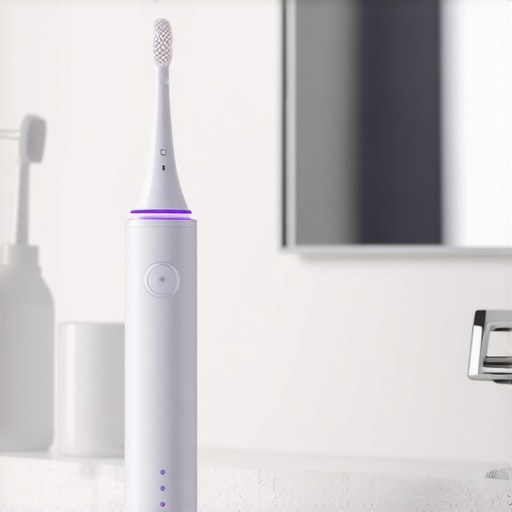
The biggest game-changer for me was switching to an electric toothbrush with a visible pressure sensor. Most of us are ‘aggressive brushers’ without realizing it. I personally use a high-end Sonicare, but the specific brand matters less than the technology that stops the motor when you press too hard. Why does this matter? Because high-pressure brushing on freshly cleaned teeth is the number one cause of gum recession. If you’ve ever wondered how to tell if your gum recession is caused by brushing too hard, the sensor gives you real-time feedback. I recommend following a family dentistry guide-building a lifetime of healthy smiles that emphasizes technique over force. By letting the bristles do the work, you preserve that glass-like finish from the hygienist’s chair without micro-scratching your enamel.
When it comes to the technical side of things, I look at the Relative Dentin Abrasion (RDA) scale. Most commercial whitening pastes have an RDA score over 150, which is like using sandpaper. According to the Clinical Research Associates (CRA) Newsletter, founded by the renowned Dr. Gordon Christensen, using a paste with an RDA below 70 is the gold standard for maintaining the integrity of understanding dental crowns-when and why they are needed. If you have expensive porcelain work, an abrasive paste will eventually dull the glaze, making it look matte and ‘fake’ under bathroom lights.
Why Floss Threaders are a Crown’s Best Friend
If you have any restorative work, standard flossing is rarely enough to keep the margins clean. I personally swear by a combination of a water flosser and super-floss (the kind with the stiffened end). This is non-negotiable if you are trying to master the best way to clean under a dental bridge to prevent smells. Bacteria loves to hide in the tiny crevices where your crown meets your gum line. If you don’t clear that out, you risk inflammation that can lead to why your gums are receding in only one area of your mouth. I’ve found that using the water flosser on a medium setting—never the highest—effectively flushes out the ‘biofilm’ that manual flossing misses. This is especially important for parents teaching child-friendly dental care-the foundation of good oral health, as kids often lack the dexterity for traditional floss.
How do I keep my dental work looking brand new for years?
Consistency is key, but so is staying ahead of the curve with new technology. Looking forward, the next big shift is AI-integrated dental apps that use your phone’s camera to scan for plaque buildup between visits. We are already seeing this in revamp your smile-top cosmetic dentistry trends for 2025, where ‘tele-hygiene’ becomes a standard part of maintenance. For now, the best thing you can do is treat your home care like a professional ritual. If you have a night guard, don’t just rinse it; learn how to clean a night guard without using harsh chemicals or bleach to ensure you aren’t reintroducing bacteria into your mouth every night. My challenge to you: swap your manual brush for a pressure-sensing model tonight and see if your teeth don’t feel smoother by morning. If you have any concerns about how your current tools are affecting your restorations, don’t hesitate to contact us for a personalized evaluation.
Lessons I Learned the Hard Way About My Own Smile
Over the years, I’ve realized that the ‘high’ of a professional cleaning can blind you to the tiny maintenance errors that add up. Here are the lightbulb moments that finally made the results stick for me:
- The ‘Invisible Window’ is non-negotiable: Those first 48 hours are the difference between a smile that stays white and one that fades by next Tuesday. If you treat your teeth like fresh porcelain, they will look like it.
- Gums dictate the look: You can have the whitest teeth in the world, but if your gums are retreating, the look is compromised. Learning how to tell if your gum recession is caused by brushing too hard was my biggest wakeup call to stop scrubbing.
- Maintenance isn’t a chore, it’s a ritual: Once I stopped seeing brushing as a task and started seeing it as protecting an investment, everything changed.
- Restorations need specialized love: If you have dental work, your routine cannot be generic. Deciding between dental crowns vs other restorations means knowing each requires its own specific care plan post-cleaning.
The Only Tools You Actually Need to Stay Bright
I have tried every gadget on the market, but these are the few that actually deliver on the promise of long-term health. First, a water flosser is indispensable, especially if you need to know the best way to clean under a dental bridge to prevent smells; it reaches where strings simply can’t. Second, I swear by a dedicated family dentistry guide to keep our household on the same page regarding preventative care. Finally, keep a supply of alkaline mouthwash on hand—it neutralizes the acids that lead to that ‘furry’ feeling just days after your appointment.
Go Forth and Keep That Shine
Your smile is often the first thing people notice, but it is also one of the most dynamic parts of your body. It responds to how you treat it every single day. By following these steps and respecting the vulnerability of your enamel after a professional cleaning, you aren’t just delaying the next visit; you are elevating your entire quality of life. Don’t let that fresh, glassy feeling fade away. If you have questions about specific restorations or need a professional check-up, feel free to contact us anytime. Have you ever noticed your teeth staining faster after a cleaning because you couldn’t resist that first cup of coffee? Let me know in the comments!