I was sitting in my car, gripping the steering wheel so hard my knuckles were white, trying not to breathe through my mouth. Every tiny draft of air felt like a jagged ice cube was being pressed directly into the nerves of my front teeth. I’d just left a session for expert cosmetic dentistry, feeling like a million bucks—until the ‘zingers’ started. You know the ones. Those sudden, sharp flashes of pain that make you jump out of your skin. I thought I was being smart by finally investing in my smile, but as I sat there, I seriously questioned if I’d just made a massive mistake in my journey toward a better smile.
Stop the Zingers Before They Take Over Your Day
The truth is, I made a classic rookie error early on. I figured that once the whitening gel was rinsed off, the process was over. I went straight for a celebratory iced coffee, and let me tell you, my enamel was not ready for that kind of betrayal. We often focus so much on the results of cosmetic dentistry innovations that we forget the recovery phase is just as important as the treatment itself. If you’re currently hovering over a glass of water, wondering if it’s safe to take a sip, I’ve been exactly where you are. I spent years trial-and-erroring my way through various products until I finally learned how to whiten your teeth without making them sensitive in the first place, but if the ache is already here, you need a rescue plan right now. Today, I’m sharing the exact routine I use to settle those over-excited nerves. We’re going to talk about why this happens and, more importantly, how to stop the sharp pain so you can actually enjoy your new look. Have you ever had a whitening session that left you feeling like you were chewing on aluminum foil? Drop a comment and let me know—I want to know I’m not the only one who has suffered for a glow-up!
Does professional whitening actually ruin your enamel forever?
This was my biggest fear during my first bad experience. I was convinced that by chasing a brighter smile, I had permanently stripped away my protection and that I’d need dental crowns just to eat again. However, the American Dental Association (ADA) notes that while peroxide-based whiteners can cause temporary sensitivity by dehydrating the tooth and opening up microscopic tubules, this is generally a transient side effect rather than permanent structural damage. The key is how you handle those first 48 hours. If you’ve also noticed the real reason your fillings are sensitive to cold months after a procedure, you already know that dental nerves are incredibly sensitive to any chemical or thermal change. I used to think I could just ‘tough it out,’ but that is a recipe for a miserable week. Instead, I learned that the secret to painless dental cleanings for sensitive teeth actually applies here too: it is all about proactive desensitization. Whether you’re dealing with sensitivity from a recent cosmetic update or a standard tray, the goal is to soothe the inflammation and rehydrate those thirsty teeth immediately.
Turn Your Toothpaste Into a Five-Minute Shield
Most people just brush and spit, but when you’re in the middle of a zinger-fest, you have to treat your desensitizing toothpaste like a topical medication. I remember one Tuesday, three days after a heavy bleaching session, I was literally hiding in the bathroom at work because the air conditioning vent was blowing directly onto my face and making my teeth throb. I took a pea-sized amount of potassium nitrate toothpaste—the kind often recommended in any family dentistry guide—and smeared it directly onto my front teeth with my finger. I didn’t rinse. I just let it sit there for five minutes like a face mask for my enamel. The relief wasn’t instant, but within twenty minutes, the sharp edges of the pain started to dull. This works because you’re giving the active ingredients time to actually seep into those microscopic tubules I mentioned earlier, effectively ‘closing the windows’ to the cold air. If you’ve ever wondered the secret to painless dental cleanings for sensitive teeth, it’s often this exact type of pre-treatment. 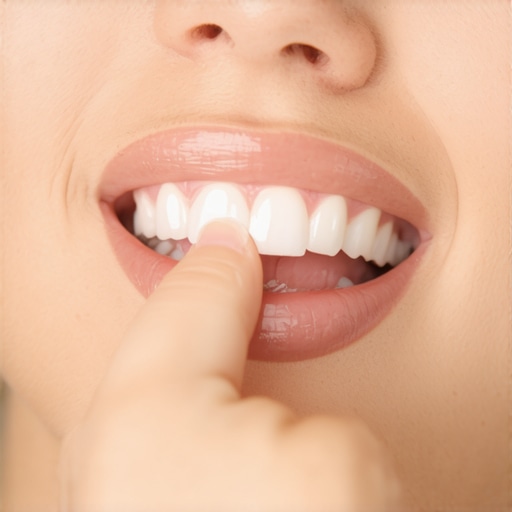
Ditch the Ice and Embrace the Lukewarm Life
You have to treat your mouth like a construction zone for at least 48 hours. Think of your enamel as a sponge that has been squeezed dry; it is looking to absorb anything it can, and it is hyper-reactive to temperature shifts. I once made the mistake of eating a bowl of hot ramen followed by a cold soda right after a session of expert cosmetic dentistry. I thought my teeth were going to shatter. Now, I stick to the ‘lukewarm rule.’ Everything—water, coffee, soup—stays at room temperature. This prevents the rapid expansion and contraction of the tooth structure that triggers those nerves. This is especially important if you already know why your teeth are sensitive to sugar and sweets, as the chemical reaction from whitening makes that baseline sensitivity even more volatile.
Stop Your Gums from Joining the Riot
It is not just the teeth that suffer; the peroxide can often migrate to the gum line, causing chemical irritation. If your gums feel like they’re on fire, stop using your electric toothbrush for a few days—the vibration is like a jackhammer to irritated nerves. Switch to a manual brush with the softest bristles you can find. I also found that knowing how to stop your gums from hurting when you use a water flosser helped me during this phase; I turned the pressure down to the lowest setting and used warm water instead of cold. If the irritation is severe, a quick application of fluoride varnish at your next checkup can help strengthen the area, but for immediate home care, a simple saltwater rinse can reduce the inflammation without adding more chemicals to the mix.Let’s dig deeper into why we often prioritize the ‘look’ over the ‘feel.’ Most of us assume that if it looks good in the mirror, the job is done. But I’ve learned that the most expensive mistake you can make in expert cosmetic dentistry is ignoring the mechanics of your mouth. Everyone says the goal is the whitest shade possible, but in my experience, chasing the brightest white often backfires.
Don’t Fall for the ‘Toilet Bowl White’ Trap
There’s a hidden nuance to shade matching that most beginners miss. If you choose a shade that is too opaque, you end up with what I call the ‘Lego tooth’ effect. This is precisely why your porcelain veneers might look bulky or unnatural. Natural teeth have a certain level of translucency at the edges. When you over-bleach or choose a restoration that’s too ‘solid,’ you lose that light-filtering quality. A study published in the Journal of Dentistry highlights that the perceived ‘naturalness’ of a smile depends more on the color gradient than the absolute whiteness. 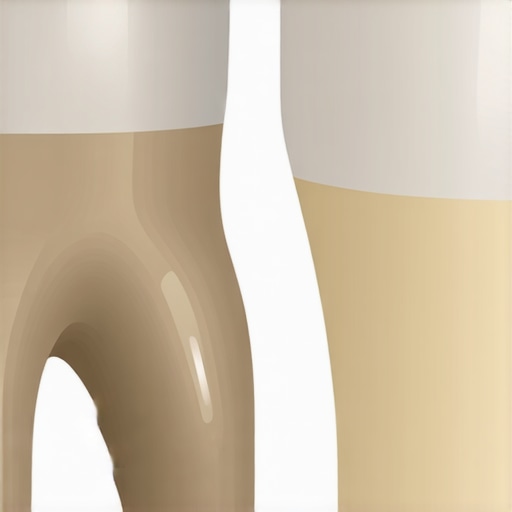
Why does your new crown feel weird even if the X-ray looks perfect?
This is the ‘Oops’ factor I wish someone had warned me about. You leave the chair, the numbness wears off, and suddenly it feels like you’re biting on a pebble. This happens because your jaw is sensitive to changes as small as a human hair. If you feel like why your porcelain crown feels too high when you bite down, it’s not something that will just ‘settle’ on its own. Ignoring a high spot can lead to bruxism or even a cracked restoration. It’s a classic trap: we assume the dentist got it perfect, so we ignore our own discomfort.
The Crucial Link Between Family Care and High-End Aesthetics
We often treat cosmetic work as a separate ‘luxury’ category, but it’s deeply rooted in the basics. You can’t build a skyscraper on a swamp. That’s where the role of family dentistry in ensuring oral health for all ages becomes vital. If the underlying gum tissue isn’t healthy, your expensive new dental crowns will fail prematurely. Have you ever fallen into this trap of prioritizing the ‘glow up’ over the foundation? Let me know in the comments—I’ve certainly been guilty of it! Following the revamp-your-smile-top-cosmetic-dentistry-trends-for-2025 means staying updated on both the tech and the recovery protocols. Remember, understanding dental crowns-when-and-why-they-are-needed is about more than just filling a gap; it’s about restoring the harmony of your entire bite. Take it from someone who has been through it: the best cosmetic result is the one that no one knows you had.I spent thousands on my smile only to realize that the ‘set it and forget it’ mindset is a dangerous myth for anyone who has invested in dental crowns explained as a long-term solution. You have to treat your new teeth like a luxury car—regular maintenance is the only way to avoid a total breakdown. One tool I swear by is a high-pressure water flosser, but with a specific tweak: I add a tiny capful of alcohol-free antimicrobial rinse to the water reservoir. This is the best way to clean under a dental bridge to prevent smells because the oxygenated water reaches those tiny crevices where traditional string floss just shreds and fails. Most people ignore the base of their restoration, but that’s exactly where the bacteria hide. If you don’t stay on top of it, you’ll eventually start wondering why your breath smells like sulfur despite regular flossing. #IMAGE_PLACE_HOLDER_D#
Keep Your Investment from Smelling Like a Science Experiment
According to research in the Journal of Prosthetic Dentistry, even high-strength materials like lithium disilicate are susceptible to fatigue and micro-fractures if the bite isn’t protected from nocturnal bruxism. That’s why my custom night guard is my non-negotiable insurance policy. I use a hard-soft laminate; it’s rigid enough to take the impact but soft enough to stay comfortable through the night. Learning the best way to clean a night guard to prevent odors changed my routine entirely—nobody wants to wake up and put a petri dish in their mouth.
What does it take to keep your smile looking new for ten years?
The secret isn’t just brushing harder; it’s monitoring. Once a month, I do a self-check with a high-intensity flashlight to inspect the margins where the porcelain meets the gum. If you see a dark shadow or a ledge, you need to know how to tell if your dental crown is leaking bacteria before it hits the nerve. Looking ahead, I predict we’ll see a massive shift toward AI-powered toothbrushes equipped with micro-cameras that scan for these margin failures in real-time, much like the tech we’re seeing in the revamp-your-smile-top-cosmetic-dentistry-trends-for-2025.
Why Your Night Guard is the Only Insurance Policy That Actually Works
For those of you managing a full household, don’t forget that caring-for-your-childs-teeth-essential-family-dentistry-tips often mirror adult maintenance—it’s all about the foundation. If you ever notice a chip in your own work, don’t just ignore it. Investigating the real reason your porcelain crown keeps chipping is vital because it’s usually an indicator of a bite imbalance rather than a faulty crown. My best advice for right now? Go buy a water flosser and start using the ‘pulse’ setting on your gumline today—it’s the single most effective way to keep your family dentistry guide habits from falling by the wayside.
The Aesthetic Mistakes I’ll Never Repeat
After years of trial and error, I’ve realized that the glossiest veneers mean nothing if the foundation is crumbling. One major lightbulb moment was discovering the safest way to whiten teeth if you have thin enamel; it’s not about intensity, it’s about frequency and pacing. Another lesson? Never ignore a slight ‘click’ or ‘catch’ in your bite. I used to think I was just being paranoid, but learning how to tell if your dental crown has a hidden crack early on saved me from an emergency root canal later. Lastly, remember that your teeth are living organs, not just porcelain caps. They need hydration, minerals, and rest.
#IMAGE_PLACEHOLDER_E#
My Toolkit for a Pain-Free Glow Up
If you’re serious about upkeep, you need more than just a toothbrush. I swear by my adjustable-pressure water flosser—knowing how to stop your gums from hurting when you use a water flosser by starting on the lowest setting changed my daily routine from a chore to a massage. I also recommend keeping a professional-grade desensitizer on hand. Reading up on the truth about fluoride varnish for kids and adults convinced me to ask for a treatment during every cleaning; it creates an invisible barrier that lasts for months. High-quality restorations deserve high-quality maintenance gear.
Commit to the Maintenance of Your Masterpiece
Your smile is one of the few things you wear every single day. While the initial investment in expert cosmetic dentistry can feel like the finish line, it’s actually the starting block for a more confident version of yourself. Don’t let the fear of temporary sensitivity or the complexity of maintenance hold you back from the look you deserve. Treat your teeth with the respect they deserve, and they’ll keep you smiling for decades.
Which part of your dental routine feels like the biggest chore right now? Let’s swap tips in the comments!