I remember standing in front of my bathroom mirror three years ago, scrubbing my teeth until my gums were raw, thinking, ‘I have never touched a cigarette in my life, so why do I look like I have been smoking for forty years?’ It was incredibly frustrating. I was doing everything right—or so I thought—but the reflection staring back at me was stubborn, dull, and distinctly yellow. It felt like a personal failure, especially when I was trying so hard to maintain a perfect smile for my family photos. If you have ever felt that same pang of ‘but I am doing everything right,’ I want you to take a deep breath because you are definitely not alone. Today, I am going to peel back the curtain on why this happens and show you that it is rarely about how hard you brush.
Stop Blaming Your Lifestyle for Your Genetics
The biggest mistake I made early on was assuming that more scrubbing equaled more white. I actually ended up causing teeth to hurt when eating citrus because I had worn down my protective enamel. You see, the outer layer of your tooth, the enamel, is naturally white. But underneath it lies a substance called dentin, which is naturally yellowish. As we age, or if we are aggressive with our hygiene, that white enamel thins out, and the yellow dentin starts to peek through like a dark shirt under a thin white tee. According to the American Dental Association, genetics play a massive role in how thick your enamel is from birth, meaning some of us are just born with a slightly more ‘golden’ starting point than others. It is not a sign of being dirty; it is just how you are built. Even my go-to family dentistry expert pointed out that my ‘healthy’ habit of sipping lemon water was actually accelerating the thinning process.
Is professional whitening just a giant marketing scam?
I used to be so skeptical of the ‘pros.’ I spent a fortune on charcoal toothpaste to remove stains, only to realize I was essentially sandpapering my teeth. You might wonder if the stuff dentists suggest is just a way to get you to spend more money. The reality is that expert cosmetic dentistry solutions are designed to penetrate the enamel safely rather than just scratching the surface. When I finally stopped trying to DIY my way to a Hollywood smile and looked into the truth about professional whitening gels, the results were night and day compared to those grocery store strips that always slipped off. Have you ever tried a ‘natural’ remedy that ended up making your teeth more sensitive instead of whiter? I would love to hear about your experience in the comments so we can all avoid those traps together. We are going to dive into how to actually protect the enamel you have left while brightening what is underneath.
Get a Professional Eyes-On Evaluation First
You have to treat your teeth like a high-end porcelain countertop; you would never use steel wool on marble, so why would you use harsh abrasives on your smile? The very first step is moving beyond the bathroom mirror and getting a professional assessment. I spent years guessing what was wrong with my smile, but it wasn’t until I looked into expert cosmetic dentistry solutions that I realized my staining was actually internal. A dentist can tell you if your yellowing is surface-level grime or thinning enamel that requires a different approach entirely. If you have kids, this is the perfect time to integrate caring for your childs teeth essential family dentistry tips into your household routine so they don’t make the same mistakes with abrasive products later in life. 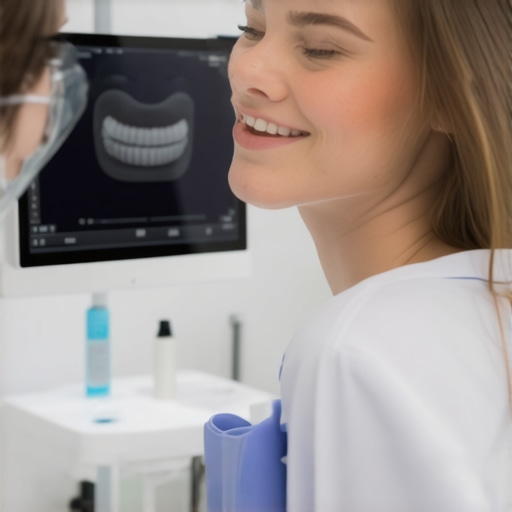
When Whitening Fails to Fix Structural Damage
Sometimes, no amount of bleach will work because the tooth itself is compromised. If you have a greyish hue or deep fractures, you might be understanding dental crowns when and why they are needed rather than just looking for a whitening strip. I remember the exact moment my dentist showed me a tiny crack in my front molar using an intraoral camera. I had been trying to whiten a tooth that was actually dying from the inside out. Whitening a damaged tooth is like painting over a rotted fence—it looks okay for a minute, but the structure is still failing. In those cases, a crown or veneer is the only way to get that bright, healthy look back safely.
Whiten the Right Way Without the Shooting Pains
Once you know your enamel is healthy enough for a brightening boost, the technique matters more than the product. I once tried a high-concentration gel I bought from a sketchy website, thinking I could skip the professional fee. By midnight, it felt like someone was driving tiny electric shocks into my jaw every time I took a breath of cool air. I had to sit in the dark with a mouthful of lukewarm water just to find a second of relief. This taught me that learning how to whiten sensitive teeth without the sharp shooting pains is about using lower concentrations for longer periods rather than ‘blasting’ your teeth with 40% peroxide for twenty minutes. Slow and steady wins the race when it comes to chemical brightening.
Stop the Re-Staining Process in Its Tracks
The 48 hours following a whitening session are the most critical because your tooth pores are literally wide open. Think of your teeth like a white sponge during this time; anything you put in your mouth will be absorbed instantly. I made the mistake of celebrating a successful whitening session with a huge glass of red wine, only to wake up the next morning with teeth that looked darker than when I started. You must master how to avoid staining your teeth after a professional cleaning by sticking to a ‘white diet’ of chicken, rice, and water. Beyond the initial window, the secret to making professional teeth whitening results last longer is simply rinsing with water after every cup of coffee or tea. It sounds too simple to work, but it prevents the pigments from settling into the enamel in the first place.
A Dental Crown Is Not a Lifetime Shield
Many people believe that once a tooth is capped, it is effectively ‘bulletproof.’ I used to think the same—until I learned that the interface where the porcelain meets the natural tooth is actually the most vulnerable part of your mouth. It is a common myth that crowned teeth cannot get cavities. In reality, the margin is a magnet for plaque if your hygiene is not surgical in its precision. If you do not stay vigilant, you will eventually be searching for how to tell if your crown is leaking and trapping bacteria. A study published in the Journal of Dentistry highlights that while the porcelain itself is durable, the biological failure of the supporting tooth remains the primary reason for restoration replacement. If you treat a crown like a ‘set it and forget it’ solution, you are walking into a very expensive trap.
Why does your breath still smell bad after a professional cleaning?
It is incredibly frustrating to leave the dentist’s chair only to feel like your breath has not improved. Most people assume the dentist missed a spot, but the hidden nuance is often related to internal health rather than surface-level grime. Beyond the standard cleaning, the role of family dentistry in ensuring oral health for all ages involves screening for systemic issues. For instance, chronic mouth breathing or even the hidden link between sleep apnea and grinding your teeth can alter your oral microbiome, leading to persistent odors that no amount of scaling can fix. Have you ever felt like your dental cleanings were not ‘sticking’? Let me know in the comments if you have experienced this mystery.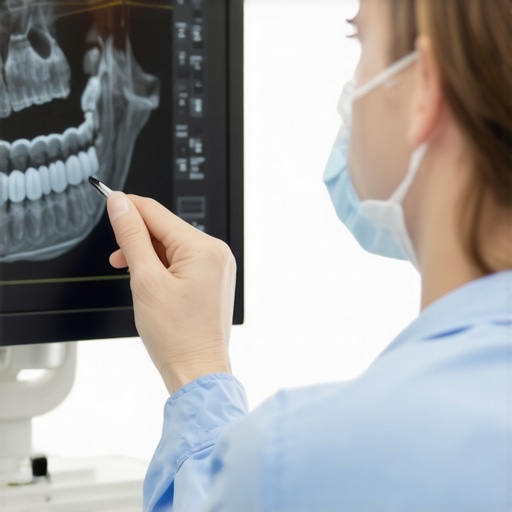
The Trap of Fixing the Look Without the Root Cause
The biggest ‘oops’ I see in modern care is the rush toward a Hollywood smile without checking the foundation. When you look into top cosmetic dentistry trends for 2025, it is easy to get swept up in the aesthetic. However, if you add veneers or crowns to a mouth where the bite is misaligned, you are effectively putting a fresh coat of paint on a crumbling wall. I have seen patients spend a fortune on cosmetic work only to have it crack because they did not realize the real reason your crown feels loose when you chew gum was an underlying bite force issue. Always ensure your dentist is looking at the ‘why’ before the ‘what.’ If you are currently noticing a strange sensation in an old restoration, it is time to stop guessing. You can contact us to schedule a comprehensive evaluation that looks beyond just the surface of your smile.
Stop guessing and start measuring your brush pressure
The transition from ‘scrubbing’ to ‘maintaining’ was the single biggest shift in my dental health. I used to think a manual toothbrush gave me more control, but I was actually destroying the work my dentist did. I finally invested in a high-quality electric toothbrush with a pressure sensor because I realized I was part of the 65% of people who brush way too hard. This is especially dangerous if you have already invested in restorations; you need to know the truth about how often you really need to replace your toothbrush or brush head because frayed bristles become abrasive weapons. If you are teaching your kids, caring for your childs teeth essential family dentistry tips starts with showing them that a light, circular touch is more effective than a heavy-handed scrub.
How do I make these results last for the long haul?
Maintenance is not just about brushing; it is about the tools that reach where bristles cannot. I personally swear by a water flosser for anyone with crowns or bridges. A 2023 study published in the International Journal of Dental Hygiene highlights that water flossing can be up to 29% more effective at removing plaque from difficult-to-reach areas around crowns compared to traditional string floss. This tool is your best defense against the margin decay I mentioned earlier. If you are currently debating dental crowns vs other restorations which is right for you, remember that the longevity of the crown depends almost entirely on how well you clean the space where the porcelain meets your gum line. Without that precision, you will eventually be looking for how to tell if your crown is leaking and trapping bacteria, which is a headache nobody wants.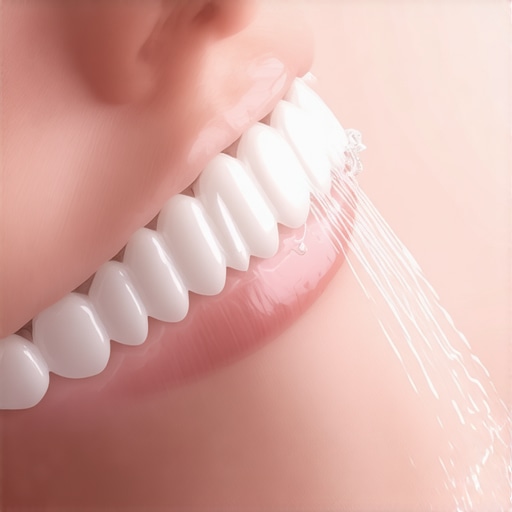
The future of the dental chair looks a lot like your smartphone
We are entering an era where dental care is becoming more predictive than reactive. I am personally following several cosmetic dentistry innovations to watch, specifically AI-driven apps that can scan your smile from a photo and detect early signs of gum recession or crown failure. In the next five years, I predict we will see smart-toothbrushes that communicate directly with your family dentist to flag issues before they become painful. This level of technology makes family dentistry more efficient and less scary for the little ones. If you want to stay ahead of the curve, I highly recommend trying a ‘disclosing tablet’ once a week. These tiny chewable pills dye the plaque on your teeth a bright color, showing you exactly where you are missing during your routine. It is a humbling experience, but it is the only way to truly audit your own habits. My challenge to you: pick up a pack of disclosing tablets this week and see what your brush is leaving behind; it might just save your next crown.
The Most Expensive Mistakes I Made So You Don’t Have To
Reflecting on my journey, I realized that my biggest hurdle wasn’t my coffee habit; it was my lack of patience and the DIY ‘hack’ culture. Here is the insider wisdom I wish someone had handed me years ago:
- Enamel is a non-renewable resource. Once you scrub it away with charcoal or harsh pastes, it is gone for good. Protect what you have left by being boringly gentle.
- Whitening isn’t a one-size-fits-all solution. If your teeth are yellow because the enamel is thin, more bleach will only make them more sensitive. You need a strategy tailored to your specific anatomy.
- A crown is a medical restoration, not a shield. I learned the hard way that a crown requires more attention than a natural tooth, not less. Checking if you are understanding dental crowns when and why they are needed is the first step to making them last decades.
What I Keep in My Medicine Cabinet Now
I’ve cleared out the gimmick products and replaced them with tools that have a proven track record. First and foremost, a pressure-sensing electric toothbrush is non-negotiable. I stopped over-scrubbing the moment the light turned red on my brush handle. I also realized the truth about how often you really need to replace your toothbrush—waiting six months is a recipe for gum recession. I also swear by a water flosser, which has been a game-changer for keeping the margins of my dental work clean. Finally, disclosing tablets have become my weekly ‘audit’ to ensure I’m not missing the same spots over and over again. If you’re just starting out, follow a family dentistry guide to build these habits into your daily life without the stress.
Your Smile Deserves More Than a Quick Fix
It’s easy to get discouraged when the results don’t happen overnight, but remember that oral health is a marathon, not a sprint. Whether you are looking into expert cosmetic dentistry solutions to fix past damage or just trying to keep your natural teeth bright, the best thing you can do is partner with a professional who understands your goals. You don’t have to navigate the world of peroxides and porcelains alone. If you’re ready to stop guessing and start seeing real, sustainable results, feel free to contact us to map out a plan that actually works for your unique smile. Have you ever tried a whitening ‘hack’ that ended up doing more harm than good? I’d love to hear your stories in the comments below!