I remember sitting on my porch last summer, eagerly biting into a juicy slice of grapefruit. One second I was enjoying the refreshing tang, and the next, it felt like a bolt of electricity had shot straight through my front teeth. I actually dropped the fruit. It wasn’t just a little tingle; it was that sharp, lingering ache that makes you wonder if you need to call a [dentist](https://alignorthodonticz.com/contact-us) immediately. For a long time, I thought I was just cursed with bad luck or that I’d eventually need a full set of [expert cosmetic dentistry solutions](https://alignorthodonticz.com/transform-your-look-with-expert-cosmetic-dentistry-solutions) just to be able to eat a salad again. But after a few frantic searches and some honest conversations with my dental team, I realized I was making a few classic mistakes that were literally stripping the armor off my teeth. Today, I want to share exactly why this happens and how you can keep the fruit in your diet without the fear of that sudden, zingy pain. Have you ever had to avoid your favorite lemonade because you were scared of how your mouth would react?
That Sharp Sting Doesn’t Have to Be Your New Normal
I used to think that tooth sensitivity was just something you developed as you got older, like a bad back or a weird knee. I was wrong. My biggest mistake early on was my ‘hygiene’ routine. I thought I was being a superstar by brushing my teeth immediately after eating citrus. I figured I was getting the acid off. In reality, I was using my toothbrush like sandpaper on softened enamel. It’s a common blunder that many of us make in the name of [family dentistry](https://alignorthodonticz.com/the-role-of-family-dentistry-in-ensuring-oral-health-for-all-ages) habits, but it actually accelerates the wear. We’re going to look at how to properly time your cleaning and what products actually help build that barrier back up. It is often a matter of distinguishing whether [your tooth sensitivity is actually a hidden fracture](https://alignorthodonticz.com/how-to-tell-if-your-tooth-sensitivity-is-actually-a-hidden-fracture) or just a reaction to your environment.
Is my love for lemons actually worth the hype?
You might be wondering if you should just give up on citrus entirely. Is the vitamin C worth the potential for permanent damage? The fear of needing [dental crowns](https://alignorthodonticz.com/understanding-dental-crowns-when-and-why-they-are-needed) because of erosion is real, but you don’t have to go to extremes. The key isn’t necessarily elimination, but moderation and technique. I was skeptical too, thinking my enamel was gone for good, but the mouth is remarkably resilient if you treat it right.
The Science of Why Your Enamel Hates Acid
The reason your teeth react so violently to citrus is because of pH levels. Your enamel is the hardest substance in your body, but it has one major weakness: acid. When you eat a lemon or drink a lime-heavy cocktail, that acid temporarily softens the mineral surface of your teeth. According to the American Dental Association, some citrus juices have a pH as low as 2.0, which is remarkably close to the acidity level of stomach acid. When that protection is compromised, the tiny tubules leading to your nerves are exposed. It is the same reason [why your tooth hurts when you drink cold water](https://alignorthodonticz.com/why-your-tooth-hurts-when-you-drink-cold-water-but-not-hot-coffee) even when you don’t have a cavity. Even [sugar-free soda still ruins your enamel](https://alignorthodonticz.com/why-sugar-free-soda-still-ruins-your-enamel) for this very reason—the acid content is the true culprit, not just the sugar. Once I understood that I was essentially putting my teeth through a chemical bath every morning, I knew I had to change my approach.
Rinse Immediately But Put the Brush Down
The very first thing you need to do after eating a grapefruit or drinking lemonade is reach for a glass of plain water. Think of this like a firefighter dousing a small flame before it becomes a forest fire. Rinsing with water helps physically wash away the residual citric acid and brings your mouth’s pH level back toward a neutral state. This simple habit prevents the acid from sitting on your teeth for extended periods. However, the most important part of this step is what you don’t do: do not pick up your toothbrush. Brushing right after an acid exposure is like using a wire brush on wet cement; you will literally scrub away your softened enamel. This is a common error I see parents make when [caring for your childs teeth with essential family dentistry tips](https://alignorthodonticz.com/caring-for-your-childs-teeth-essential-family-dentistry-tips), accidentally causing premature wear in young smiles.
Wait at Least Sixty Minutes After Your Citrus Snack
Saliva is your mouth’s natural defense system. It contains minerals like calcium and phosphate that help remineralize the enamel after it has been softened by acid. You need to give your saliva a window of at least 30 to 60 minutes to do its job. I learned this the hard way last April during my ‘lemon water detox’ phase. For three weeks, I brushed my teeth immediately after my morning drink, thinking I was being proactive. By week four, I couldn’t even breathe in cold air without a sharp zing. I had to learn [how to tell if your gum recession is caused by brushing too hard](https://alignorthodonticz.com/how-to-tell-if-your-gum-recession-is-caused-by-brushing-too-hard-2) or if I was just dissolving my teeth. Once I started waiting an hour to brush, that raw, sensitive feeling gradually subsided. 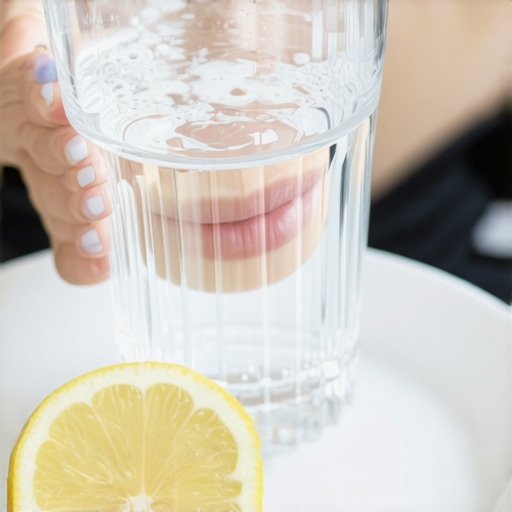
Choose a Paste That Plugs the Tubules
If you are already dealing with sensitivity, your choice of toothpaste is a strategic tool, not just a soap for your mouth. Look for formulations containing potassium nitrate or stannous fluoride. These ingredients act like tiny plugs for the microscopic tunnels (tubules) that lead to your tooth’s nerves. Over a few weeks of consistent use, these ‘plugs’ build up a barrier that blocks the ‘zing’ from reaching the nerve. It is also vital to check [the truth about how often you really need to replace your toothbrush](https://alignorthodonticz.com/the-truth-about-how-often-you-really-need-to-replace-your-toothbrush) because frayed bristles can be too abrasive on sensitive areas. If you’re looking for cosmetic improvements but have thin enamel, you’ll need to find [the safest way to whiten teeth if you have thin enamel](https://alignorthodonticz.com/the-safest-way-to-whiten-teeth-if-you-have-thin-enamel) to avoid making the sensitivity worse.
Eat Cheese to Neutralize the Acid
One of my favorite tricks is pairing citrus with a ‘buffer’ food. If you’re having a salad with a heavy lemon vinaigrette, try following it up with a small piece of cheese or a sip of milk. Dairy products are alkaline and rich in calcium, which helps neutralize the acid and jumpstarts the remineralization process. It turns a chemical attack on your teeth into a manageable event. I started keeping string cheese in my bag for after-lunch snacks, and it made a world of difference. It’s an easy habit to teach kids as part of their [family dentistry guide for building a lifetime of healthy smiles](https://alignorthodonticz.com/family-dentistry-guide-building-a-lifetime-of-healthy-smiles).
When Enamel Loss Requires Professional Reinforcement
Sometimes, the damage is already done, and home care is just a band-aid. If your teeth have visible notches near the gumline or appear translucent at the edges, your enamel might be too thin to protect the nerves on its own. In these cases, you might want to look into [dental crowns explained as the ultimate solution for damaged teeth](https://alignorthodonticz.com/dental-crowns-explained-the-ultimate-solution-for-damaged-teeth). A crown acts like a helmet for your tooth, completely sealing it off from acid and temperature changes. If the sensitivity only happens during aesthetic treatments, you should learn [how to whiten sensitive teeth without the sharp shooting pains](https://alignorthodonticz.com/how-to-whiten-sensitive-teeth-without-the-sharp-shooting-pains) before your next session. Protecting your teeth is about combining these daily tactical choices with professional intervention when the ‘armor’ gets too thin.
Cosmetic Fixes Aren’t Just for Vanity
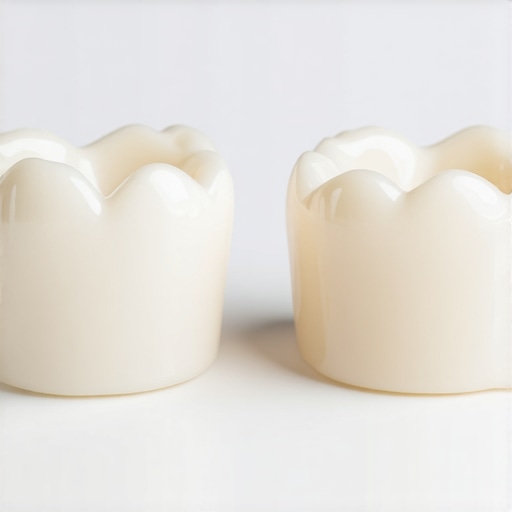
Many people assume that cosmetic dentistry is purely elective, a luxury for those who want a Hollywood smile. But here is the contrarian truth: most of these treatments are actually high-level restorative work. If you have been struggling with citrus sensitivity because your enamel has thinned out, looking into expert cosmetic dentistry solutions isn’t about vanity—it’s about structural survival. In my conversations with specialists, I learned that a well-placed veneer or crown doesn’t just change the color; it replaces the missing barrier that the acid eroded. The Journal of the American Dental Association (JADA) highlights that restorative materials today are designed to mimic the biomechanical properties of natural teeth, meaning they can actually protect your pulp from the thermal shocks you feel when eating cold fruit.
How much enamel are you willing to trade for a whiter smile?
One of the most common “oops” factors I see is people choosing the wrong treatment for the sake of speed. For instance, aggressive whitening on already-thinned enamel is a recipe for disaster. If your sensitivity is rooted in actual loss of tooth structure, you need to understand dental crowns vs other restorations before you commit. A common trap is getting dental bonding when you actually need a crown. While bonding is great, if it’s used on a high-pressure biting surface, you’ll be back in the chair in six months. Knowing the secret to making your dental bonding last more than five years involves realizing its limitations. Sometimes, the healthier choice for the tooth’s long-term survival is a more invasive crown because it prevents micro-fractures that citrus acid would otherwise exploit.
Beware of the Quick Fix Trap
When you are visiting a dentist to discuss these options, don’t just ask about the price or the time; ask about the long-term enamel preservation. We often get caught up in top cosmetic dentistry trends for 2025 without considering if our foundational health can support them. For example, if you have children, the way you handle their early acid exposure is part of child-friendly dental care that prevents the need for these complex fixes later in life. Ignoring the underlying cause of sensitivity while chasing a whiter smile is like painting a house while the foundation is sinking. Have you ever fallen into this trap of choosing a quick aesthetic fix only to have the sensitivity return? Let me know in the comments below!
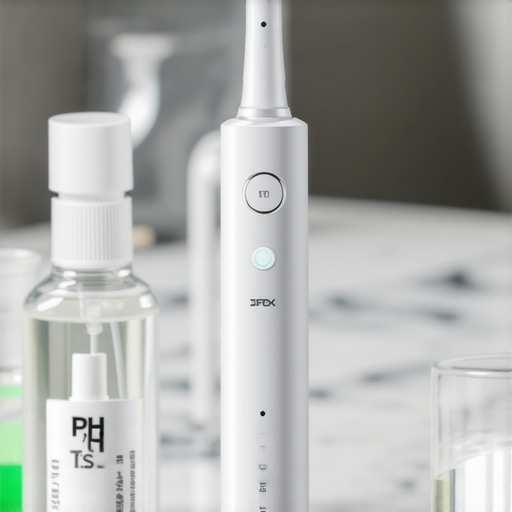
I didn’t just stop at changing my diet and waiting an hour to brush; I decided to get technical with my toolkit. If you want to keep your teeth from dissolving under the pressure of a healthy, fruit-filled diet, you need to think like a specialist. My first move was to stop guessing and start measuring. I actually started using digital pH strips to test my water. Most bottled waters are surprisingly acidic, but adding a tiny pinch of baking soda can neutralize the liquid, turning a potential enamel-etching session into a safe hydration break. When you are visiting your dentist, ask them about the specific pH of your saliva—it’s a data point that can predict your risk for future decay before it even starts.
The Hardware That Makes the Difference
I switched my manual toothbrush for an oscillating-rotating electric model with a built-in pressure sensor. This is non-negotiable if you have sensitive teeth. Most of us scrub far too hard when we’re stressed, but the sensor flashes red the second I apply too much force. This prevents me from grinding the acid-softened enamel right off my dentin. For the night, I also started wearing a custom-fitted guard to prevent clenching. Learning how to clean a night guard without using harsh chemicals or bleach became part of my nightly ritual, ensuring I wasn’t introducing more irritants to my gums. These tools are the front-line defense that keeps minor sensitivity from turning into a need for dental crowns explained as the ultimate solution for damaged teeth.
How do I maintain these results for the next decade?
Maintenance is a long game. It isn’t just about one good cleaning; it’s about cumulative protection. Research published in the Journal of Dentistry has shown that bioactive glasses, specifically those containing calcium sodium phosphosilicate (often marketed as NovaMin), are significantly more effective at sealing off the tubules than traditional fluoride alone. This isn’t just marketing hype; it is molecular science. I started using a high-concentration paste every night, not just once a week. I also began looking into the truth about fluoride treatments for adults with thin enamel. It turns out that professional-grade varnish applications twice a year can create a ‘shield’ that lasts much longer than any at-home product.
Bio-Remineralization is the New Frontier
The trend in top cosmetic dentistry trends for 2025 is moving away from purely additive materials toward bio-remineralization. This means we are entering an era where we can actually ‘regrow’ the mineral density of our teeth using specialized peptides. This is the future of family dentistry—treating the tooth as a living, repairable organ rather than a static piece of porcelain. If you are serious about your long-term health, grab a pack of pH strips this weekend and test your favorite morning beverage. You might be shocked at what you find, and that one small insight could save you years of discomfort and thousands in restorative costs.
Three Shifts in Perspective That Saved My Smile
Before I understood the mechanics of acid erosion, I felt like a victim of my own biology. Now, I see tooth sensitivity as a dashboard warning light rather than a permanent curse. First, I stopped viewing ‘clean’ as a feeling of raw, squeaky teeth; if your enamel feels too stripped, you’ve likely scrubbed away your natural protection. Second, I realized that the role of family dentistry isn’t just for children’s checkups—it is about a lifelong partnership with a team that tracks your enamel thickness over decades. Finally, I accepted that intervention is not a sign of failure. Sometimes, the most proactive thing you can do is admit that your natural armor needs help from professional reinforcements to prevent further decay.
The Gear That Keeps My Teeth Acid-Proof
I have curated a specific toolkit that turned my dental health around. First, I swear by a high-quality electric toothbrush with a pressure sensor; it is the only way to ensure I am not my own worst enemy during a morning routine. Second, I keep pH testing strips in my kitchen to check the acidity of new favorite beverages, which was a total game-changer for my morning juice habits. Third, I highly recommend looking into the truth about fluoride treatments for adults with thin enamel as these professional-grade varnishes provide a shield that at-home pastes simply cannot match. If your damage is more advanced, understanding dental crowns vs other restorations can help you choose the right ‘helmet’ for your sensitive teeth.
Reclaim Your Kitchen from the Fear of the Zing
You do not have to live in a world where a glass of lemonade or a fresh summer salad is a source of anxiety. By timing your brushing correctly, using the right ingredients to plug your dental tubules, and knowing when to contact a dentist for a professional evaluation, you can keep your smile strong and painless. It is all about consistent family dentistry habits and listening to the signals your body sends you. Don’t let the fear of a sharp sting dictate what you eat any longer. Have you ever found yourself avoiding a favorite food because you were scared of a sudden dental bolt? Let me know in the comments below!