I stood in my bathroom three years ago, staring at a reflection that looked like it belonged in a horror movie. My teeth were completely coated in pitch-black soot. I had fallen hook, line, and sinker for the viral trend of charcoal whitening. I wanted that Hollywood glow without the ‘chemicals,’ so I scrubbed away with a tub of raw activated charcoal I bought online. It felt gritty. I assumed that grit was just hard work paying off. Little did I know, I was effectively using sandpaper on the most precious layers of my smile. Today, I want to pull back the curtain on why this ‘natural’ fix might be the worst thing you ever do for your oral health.
Why I Regret Brushing with the Black Sooty Paste
I made the mistake of thinking ‘natural’ always meant ‘safe.’ For six months, I replaced my regular fluoride paste with charcoal, hoping to scrub away years of coffee stains. At first, they looked brighter because I was literally scraping off the top layer of surface stains. But then, the sensitivity hit. Suddenly, your teeth hurt when you eat citrus fruits or even take a sip of cold water. I realized I wasn’t just whitening; I was thinning my protective shield. This is a common pitfall in modern cosmetic dentistry trends where we trade long-term health for a quick aesthetic fix. The American Dental Association (ADA) has even warned that there is no evidence charcoal toothpaste is safe or effective for teeth, and its abrasive nature can actually lead to permanent damage.
Is scrubbing with charcoal actually worth the sensitivity?
You might be wondering if you can just use it ‘sparingly.’ I thought so too. But even occasional use can contribute to those tiny cracks in your tooth enamel that eventually lead to decay or the need for expensive restorations. When you wear down enamel, you expose the dentin underneath, which is naturally more yellow. This is exactly why your teeth look yellow even though you have never smoked. My goal today is to show you a better path. We are going to look at how to actually protect your enamel while achieving a brighter look. Have you ever tried a ‘natural’ remedy only to have it backfire on your dental health? I’d love to hear your story in the comments so we can all learn from those ‘oops’ moments together. Before you reach for that black tube again, let’s talk about how to whiten your teeth without making them feel sensitive or causing irreparable harm.I had to learn the hard way that once your enamel is gone, it is gone for good. My dentist sat me down and explained that my ‘natural’ charcoal habit had left me with a structural nightmare. When the damage goes beyond the surface, you need to look at dental crowns explained as the ultimate solution for damaged teeth. Think of a crown like a custom-fitted helmet for a soldier; it absorbs the impact of chewing so your weakened tooth does not have to.
Reclaiming Your Smile After Enamel Damage
I remember sitting in the chair, clutching the armrests, as my dentist showed me a high-resolution scan of my upper molar. There was a jagged line I had never noticed before—a stress fracture caused by the loss of supporting structure. I had spent so much time trying to make my teeth white that I had made them brittle. We spent a long time understanding dental crowns and when they are needed versus just trying to patch things up with a temporary filling. I ended up needing a full restoration because that sooty paste had acted like a slow-motion wrecking ball on my enamel.
Why a Protective Helmet is Better Than a Patch
If you are currently dealing with the fallout of an abrasive trend, you are likely weighing dental crowns vs other restorations to see which is right for your specific level of wear. For me, a crown was the only way to stop the ‘lightning bolt’ pain every time I bit into something crunchy. While a filling just fills a hole, a crown encapsulates the tooth, preventing those tiny cracks in your tooth enamel from splitting the tooth in half.
Smarter Ways to Achieve a Brighter Look
If you still want that Hollywood glow—and let us be honest, we all do—you need to move toward expert cosmetic dentistry solutions that use chemical reactions rather than physical friction. Modern chemical whitening uses peroxides to lift deep stains out of the microscopic pores of the enamel without thinning the protective wall itself. This is a staple in modern cosmetic dentistry trends for 2025 because it prioritizes the long-term integrity of your smile. 
Set a Solid Foundation for the Whole Household
My charcoal disaster did more than just hurt my wallet; it changed how I viewed my children’s dental care. I realized that child-friendly dental care is the foundation for everything. You do not want your teenagers falling for the same viral trends I did. This is where family dentistry plays a massive role in educating everyone from toddlers to grandparents. By following a professional family dentistry guide for building healthy smiles, you ensure that the focus stays on prevention and science-backed methods like how to whiten your teeth without making them feel sensitive or damaged.
One of the biggest myths I encounter in the dental community is the idea that once you get a crown, that tooth is ‘saved’ forever. I used to believe that myself, especially after my charcoal incident, but the reality is far more nuanced. Even when utilizing expert cosmetic dentistry solutions, a crown is a biological-mechanical hybrid. A landmark study in the Journal of Prosthodontic Dentistry highlights that the average lifespan of a restoration is often 10 to 15 years, yet many patients treat them as permanent fixtures. The ‘oops’ factor here is assuming the tooth underneath is invincible; in fact, the margin where the crown meets the gum is a high-stakes battleground for bacteria.
The Truth Behind the Dreaded Black Line
You might have noticed why your gums look dark around an old metal-fused crown and assumed it was just a sign of aging. While often it is simply the metal substrate showing through as gums recede, it can also be a red flag for micro-leakage. This occurs when the seal between the crown and the tooth begins to fail, allowing microscopic debris to seep in. This is why understanding dental crowns and when they are needed involves more than just fixing a visible break; it is about maintaining a hermetic seal to prevent the silent decay of the underlying structure.
Can you really spot a failing crown before it hurts?
The short answer is: not always. If you wait for a ‘lightning bolt’ of pain, you might already be facing an extraction rather than a simple replacement. I have learned to look for subtle indicators, such as how to tell if your dental crown has a tiny crack or a sudden change in how you floss around that specific tooth. If you have ever felt a slight shift, don’t brush it off; the real reason your crown feels loose when you chew gum is often a breakdown of the bonding agent, which creates a vacuum for bacteria to thrive. 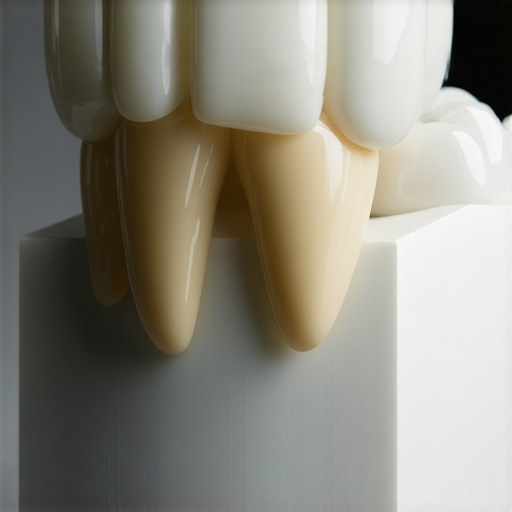
Why Restorative Choice Matters More Than You Think
When you are weighing dental crowns vs other restorations, the material choice is not just about color—it is about how that material interacts with your biological tissues. Modern revamp-your-smile cosmetic dentistry trends for 2025 are moving toward zirconia and lithium disilicate because they mimic the wear patterns of natural enamel. Using a material that is too hard can actually damage the opposing teeth, a mistake many make when rushing into cheap ‘abroad’ dental work. This level of detail is exactly why family dentistry plays a massive role in long-term health; a consistent provider knows the history of your bite and can spot these microscopic changes before they become emergencies.
Building a family dentistry guide for building healthy smiles means teaching the next generation that dental work is a partnership, not a product. From child-friendly dental care to complex adult restorations, the goal is always preservation. Have you ever had a ‘permanent’ restoration fail when you thought everything was fine? I would love to hear your story in the comments so we can de-mystify these common dental traps together.
I used to think a toothbrush and a bit of luck were enough to keep my smile intact, but my dentist basically laughed (kindly) when I told him that. Once you have a crown or a bridge, your toolkit has to evolve. I’ve become obsessed with high-precision interdental cleaning. I personally switched to a professional-grade water flosser using the ‘Plaque Seeker’ tip. It is specifically designed to navigate the margins of restorative work where traditional floss often snags or fails to reach. If you are investing in expert cosmetic dentistry solutions, you cannot afford to ignore the daily hardware. It is the only way I have found to truly master how to clean your dental bridge to prevent chronic gum disease or keep my crown margins from leaking.
Stop Guessing and Use Data to Track Your Oral Health
The biggest shift in my routine came when my dentist started using AI-powered diagnostic software. Specifically, tools like Pearl’s FDA-cleared ‘Second Opinion’ use computer vision to spot microscopic decay and bone loss that are virtually invisible to the human eye on a standard X-ray. This is one of the most exciting cosmetic dentistry innovations to watch because it takes the guesswork out of maintenance. It is not just about looking for big holes anymore; it is about catching a failing seal before it requires a full replacement. In the world of family dentistry, having this objective ‘second pair of eyes’ ensures that we are not just reacting to pain, but proactively managing the secret to keeping your dental implants healthy for life and protecting our natural teeth.
How do I make my expensive dental work last another decade?
It comes down to managing the pH of your mouth and the mechanical stress on your teeth. I started wearing a custom night guard because I realized that stress-related grinding was the ‘real’ reason I was seeing tiny cracks in my tooth enamel. Mechanically, you need to protect the porcelain from your own jaw muscles. Chemically, you need to realize why sugar-free soda still ruins your enamel—the acidity alone can soften the bonding agents used in your restorations. I recommend transitioning to a high-fluoride, low-abrasion paste that supports remineralization without the ‘sandpaper’ effect of those viral charcoal trends I fell for years ago. 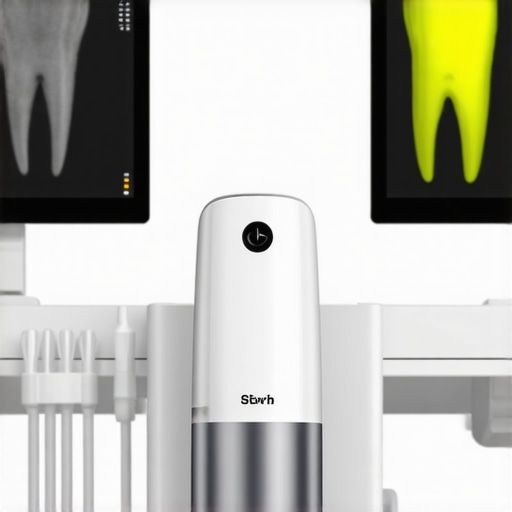
The Future of Bio-Regenerative Dentistry
Looking ahead, I predict we are moving toward a ‘bio-hybrid’ era. We are already seeing revamp-your-smile cosmetic dentistry trends for 2025 focusing on materials that actually release minerals back into the tooth structure over time. Instead of just ‘patching’ a problem, your future crown might actually help the natural tooth underneath stay stronger. This is a massive leap forward from the traditional dental crowns vs other restorations debate. While we wait for those technologies to become mainstream, the best thing you can do is focus on caring for your child’s teeth with essential family dentistry tips to ensure they never need the heavy-duty restorations I did. If you want to level up your routine today, I challenge you to try the ‘disclosing tablet’ test—chew one after you brush to see exactly where you are missing the margins of your dental work. It is a humbling but necessary wake-up call.
Lessons My Dentist Had to Teach Me Twice
Reflecting on my journey from charcoal-stained disaster to a stable, healthy smile has taught me that patience is the ultimate dental virtue. First, I learned that enamel is a non-renewable resource; once you scrub it away, you cannot simply wish it back. This is why understanding dental crowns and when they are needed becomes so critical—they are not just cosmetic, they are structural lifelines. Second, I realized that ‘natural’ is often a marketing term, not a medical one. Trusting the science behind expert cosmetic dentistry solutions rather than a social media clip saved what was left of my molars. Finally, the best dental work is the kind you never have to get because you prioritized child-friendly dental care and preventative maintenance from the start.
The Gear I Actually Use Every Single Day
Maintaining a smile that has undergone restoration requires a shift in tools. I no longer just ‘brush and hope.’ Here is what stays on my bathroom counter:
- A Custom-Fitted Night Guard: To stop the mechanical wear that causes those tiny cracks in your tooth enamel and keep my new crowns safe from nighttime grinding.
- A High-Precision Water Flosser: Essential for how to clean your dental bridge or the margins of a crown where traditional floss might snag.
- Fluoride-Rich, Low-Abrasion Paste: To support remineralization without the sandpaper effect of charcoal.
#IMAGE_PLACEHOLDER_E#
Take the First Step Toward a Healthier Smile
If you are currently staring at a sensitive or damaged smile, know that there is a path back to confidence. You do not have to settle for pain or yellowing enamel. By leaning into the role of family dentistry and exploring modern cosmetic dentistry innovations to watch, you can rebuild a foundation that lasts decades rather than weeks. Your smile is your signature—treat it with the professional respect it deserves. Have you ever tried a DIY dental hack that you immediately regretted? Tell me your story in the comments below so we can keep others from making the same mistakes!