I was sitting in a sun-drenched bistro in Florence, just about to dive into a rustic loaf of bread, when it happened. I took a bite, heard a sickening crack, and felt a sharp jolt of lightning shoot through my jaw. My tongue immediately found the jagged edge where my molar used to be. Panic is a cold companion when you are thousands of miles from your regular [dentist](https://alignorthodonticz.com/contact-us). I spent the next four hours franticly googling, wondering if I should fly home early or just stop eating for the rest of the week. [IMAGE_PLACEHOLDER]
Stop the Panic When Your Tooth Cracks Miles from Home
Most of us spend weeks planning our travel outfits and itineraries, but we rarely think about what happens if a [dental crown](https://alignorthodonticz.com/dental-crowns-explained-the-ultimate-solution-for-damaged-teeth) decides to bail out in the middle of a road trip. It is a unique kind of stress. Today, I am going to share the exact steps I took—and the ones I should have taken—to save your vacation from a dental disaster. We will talk about how to stabilize your mouth, find a reputable clinic in a strange city, and keep your sanity intact. Early in my travels, I made the huge mistake of trying to ignore a dull throb in my gums while in a remote area, thinking it would just go away. It didn’t. Instead, it blossomed into a full-blown infection that required me to learn [how to manage a toothache when you are traveling abroad](https://alignorthodonticz.com/how-to-manage-a-toothache-when-you-are-traveling-abroad) while staring at a pharmacy shelf in a language I didn’t speak.
Can a random emergency clinic actually fix the problem?
It is totally normal to be skeptical of a clinic you found on page three of a search result. You might worry about hygiene, the cost, or whether they will just make things worse. However, the American Dental Association notes that while hospital ERs can offer antibiotics or pain relief, only a licensed dentist can actually perform the restorative work needed to save a tooth. If you have lost a filling or your [temporary crown pops off during dinner](https://alignorthodonticz.com/what-to-do-when-your-temporary-crown-pops-off-during-dinner), you need someone with the right tools, not just a prescription pad. Have you ever had a tooth disaster while you were away from home? Finding a local expert who understands [family dentistry](https://alignorthodonticz.com/family-dentistry-guide-building-a-lifetime-of-healthy-smiles) values can be the difference between a minor hiccup and a ruined trip. If the worst happens and a tooth is fully dislodged, knowing [the best way to store a broken tooth until you see a dentist](https://alignorthodonticz.com/the-best-way-to-store-a-broken-tooth-until-you-see-a-dentist) is the only way to ensure it can be saved. Let’s get into the practical DIY fixes you can do right now in your hotel room.
Why Saltwater is Your First Line of Defense
The first rule of travel dental disasters is to treat your mouth like a crime scene—don’t disturb the evidence. When my tooth snapped in Florence, I immediately rinsed with warm salt water to clear away debris. This isn’t just an old wives’ tale; it helps prevent infection before you can get to a proper dentist. If the tooth was knocked out entirely, you need to know the best way to store a broken tooth until you reach the er. Think of your tooth like a living organ; it needs to stay hydrated and protected to survive the trip to the clinic. I’ve seen people try to scrub the tooth clean, but that’s a rookie mistake that kills the delicate fibers needed for re-attachment.
Grab a Temporary Kit from the Local Pharmacy
Next, hit the local ‘farmacia.’ In many countries, you can find a temporary dental repair kit. This is essentially like a small tube of ‘caulk’ for your mouth. If you’ve ever had dental crowns explained, you know they are held on by powerful adhesives. When that bond breaks, you can use a tiny dab of temporary cement or even sugar-free gum in a pinch to cover the jagged edge. I remember frantically trying to smear this paste onto my molar while looking in a handheld mirror in a dark alleyway in Italy. It wasn’t pretty, and the paste tasted vaguely of cloves and chalk, but it stopped the air from hitting the nerve. Air exposure is the real source of that lightning-bolt pain. Understanding why your temporary crown keeps falling off before the final one can help you realize that these fixes are strictly for the short term, acting more like a spare tire than a permanent replacement.
Spot a Reliable Local Clinic in Minutes
Searching for a local expert feels like a gamble, but you can stack the odds in your favor. Look for clinics that emphasize the role of family dentistry in ensuring oral health for all ages. These practices usually prioritize long-term care and gentle techniques, which is exactly what you want when you’re already stressed. I look for the same standards I’d expect back home: clean waiting rooms, transparent pricing, and a provider who actually listens. Sometimes a quick patch is all you need to finish your trip, but if you’re worried about the look of your smile for those once-in-a-lifetime vacation photos, you might even ask about expert cosmetic dentistry solutions. When researching, I don’t just look at stars; I look for recent photos of the facility. A clinic that showcases its technology often cares about child-friendly dental care and modern hygiene standards. If you have an old restoration and notice the hidden reason your gums look dark around an old dental crown, a travel emergency might be the catalyst to finally seek a permanent upgrade when you get home.
Shield Your Mouth from Sharp Tooth Edges
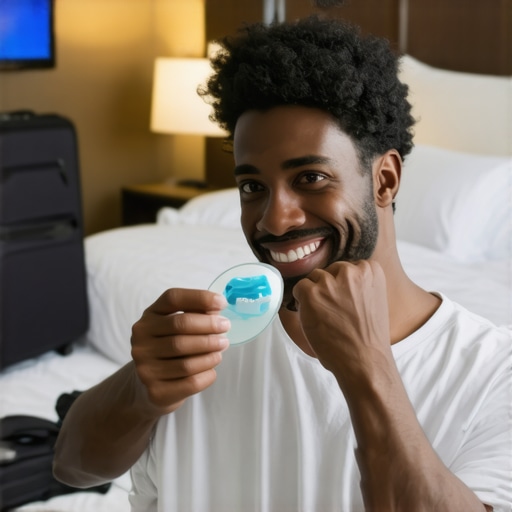
If the issue is a sharp edge cutting your tongue, you can actually learn how to fix a jagged tooth edge without a trip to the emergency room by using dental wax or even a piece of orthodontic relief wax. This was a lifesaver for me when my molar felt like a literal razor blade against my cheek every time I tried to speak. I simply molded a small piece of wax over the sharp point. It’s like putting a rubber bumper on the sharp corner of a glass table so a toddler doesn’t get hurt. It buys you precious time until you can sit in a professional chair and discuss dental crowns vs other restorations. The goal is to minimize friction so you can focus on the local scenery instead of a bleeding cheek.
Your Crown Isn’t a Force Field
Common wisdom suggests that once a tooth is capped, it’s effectively ‘safe’ from future decay. I used to think the same—until that incident in Florence. The reality is that the most vulnerable part of your tooth is the microscopic seam where the restoration meets your natural gum line. If you are only focused on understanding dental crowns when and why they are needed, you might miss the crucial maintenance required to keep the underlying structure healthy. A crown doesn’t make a tooth invincible; it actually creates a new area for bacteria to hide if your hygiene isn’t surgical in its precision. I learned the hard way that a beautiful porcelain cap can actually mask a slow-brewing disaster if you aren’t vigilant about cleaning the margins.
Can bacterial leakage happen even if the crown feels tight?
This is the question that haunts seasoned travelers and dental patients alike. The short answer is a resounding yes. According to a study published in the Journal of Prosthetic Dentistry, the ‘marginal fit’ of a restoration is rarely perfect at a molecular level. Over time, even the best adhesives can degrade, allowing microscopic pathogens to seep underneath. This is exactly how to tell if your crown is leaking and trapping bacteria: you might notice a faint, sour taste or a subtle sensitivity to temperature that wasn’t there before. By the time it feels loose, the decay underneath may already be extensive. This is why I always suggest a quick check-up at a dentist before any long-haul trip—it’s about verifying the seal, not just the stability.
Don’t Let Aesthetics Blind You to Functional Health
One of the biggest traps travelers fall into when seeking an emergency fix is focusing purely on the look of the smile. We want that perfect vacation photo, so we push for expert cosmetic dentistry solutions without addressing the bite mechanics. If a local clinic rushes a repair and the height of your tooth is off by even a fraction of a millimeter, you risk developing TMJ issues or cracking the opposing tooth. It’s a domino effect. While it’s exciting to look at cosmetic dentistry innovations to watch, the foundation must be structurally sound. I once saw a fellow traveler opt for a quick veneer fix that looked great but made it impossible for them to chew properly for the rest of the month. Always prioritize function over the ‘Hollywood’ finish during a crisis.
Spotting the Tell-Tale Dark Line
If you have older dental work, you might notice a grayish shadow near the gums. Most people assume this is just a sign of aging, but it’s often the hidden reason your gums look dark around an old metal fused crown. This is usually the metal substructure showing through as the gums recede, but it can also signal that the margin is no longer sealed. In a family setting, caring for your childs teeth with essential family dentistry tips involves teaching them that dental work isn’t ‘one and done.’ It’s a lifelong commitment. Have you ever fallen into the trap of thinking a crown was a permanent, maintenance-free shield? Let me know in the comments below—I’d love to hear your stories or answer your questions about managing these nuances while on the road.
Stop Letting Plaque Sabotage Your Crowns
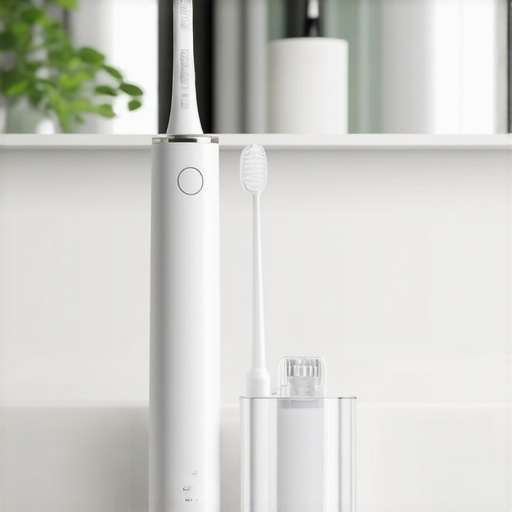
Once you’ve gone through the stress of a travel emergency or a major restoration, you start to view your mouth differently. It isn’t just a part of your body; it’s an investment in your confidence. I’ve realized that the tools I used before my Florence mishap—a basic manual brush and some cheap floss—simply weren’t enough. To truly preserve the role of family dentistry in ensuring oral health for all ages, you have to upgrade your kit. Personally, I switched to an ultrasonic toothbrush with a pressure sensor. Why? Because most of us scrub too hard on our gums, which causes recession and exposes the edges of dental crowns to bacteria. If you want the secret to making your dental bonding last more than five years, it starts with reducing that mechanical friction.
How do I keep my dental work healthy for the long haul?
Maintenance is a daily game of defense. I now use a high-powered water flosser every single night. It’s the only way to flush out the debris that hides under the ‘lip’ of a crown or bridge. I also religiously wear a custom-fitted night guard. Stress—especially travel stress—leads to clenching, and that pressure can snap a porcelain restoration in seconds. You also need to know the best way to clean your night guard so it doesn’t smell, because a bacteria-laden guard is just as bad for your gums as skipping brushing altogether. According to Dr. Gordon J. Christensen of Clinicians Report, the longevity of a resin-bonded restoration is directly tied to the patient’s ability to manage their occlusal (bite) forces. If you aren’t protecting your teeth from grinding, you are essentially throwing money away.
Why Your Night Guard is Your Best Insurance Policy
Think of your night guard as the airbag for your teeth. When I was in Italy, I had left mine at home to save space in my carry-on—that was my second mistake. Without that buffer, my stress-induced grinding weakened the already stressed molar until it finally gave up. Now, I never travel without it. If you are looking at top cosmetic dentistry trends for 2025, you’ll see a massive shift toward preventative biomechanics. We are moving toward a world where AI-powered smartphone apps will allow us to scan our own mouths and detect microscopic leaks before they become ‘Florence-level’ disasters. This kind of tech will change how we manage family dentistry guide practices, making ‘waiting for it to hurt’ a thing of the past.
If you have any existing dental work, my challenge to you is this: don’t wait for your next cleaning. Invest in a high-quality water flosser this week and use it on the lowest setting around your restorations. You’ll be shocked—and maybe a little grossed out—at what a standard toothbrush misses. Staying ahead of the decay is the only way to ensure your cosmetic dentistry innovations actually stand the test of time. If you’re unsure if your current work is still holding up, it might be time to contact us for a professional evaluation before your next big adventure.
The Hard Truths I Learned While My Molar Was in a Zip-Lock Bag
Reflecting on my Florence disaster, I have realized that cosmetic dentistry is only half the battle. You can have the most beautiful porcelain in the world, but if the foundation is weak, the whole structure remains at risk. One major lesson I learned is that ignoring a tiny ‘fringe’ of sensitivity is the fastest way to a massive dental bill later. Furthermore, never let the fear of a local dentist in a foreign country stop you from seeking help; the ‘wait and see’ approach usually leads to an extraction rather than a simple patch. I also discovered that while standard travel insurance is great for lost bags, a specific dental rider is what actually saves your bank account during a crisis. If you are worried about your existing work, it is worth learning how to handle a chipped veneer while youre on vacation to stay ahead of the game.
My Carry-On Toolkit for Total Peace of Mind
[IMAGE_PLACEHOLDER]
I never leave the country without my ‘smile insurance’ kit now. First, a portable water flosser is non-negotiable for cleaning a dental bridge to prevent chronic gum disease when you are eating sticky street food. Second, a pre-loaded dental wax stick can buy you 48 hours of peace from a sharp, jagged edge. Third, I always carry a high-quality night guard—just make sure you know how to clean a night guard without using harsh chemicals or bleach so you do not introduce new bacteria to your system while traveling. These simple tools turn a potential emergency into a manageable inconvenience.
Don’t Wait for the Crack to Call Your Dentist
Your smile is often the first thing people see when you are making friends across the globe, so do not let a preventable disaster steal that confidence. Whether you need dental crowns explained or just a routine cleaning, a proactive approach is always cheaper and less painful than an emergency flight home. Following a comprehensive family dentistry guide ensures you and your loved ones have a foundation of health before your next big adventure. Investing in your oral health today means more time focused on the sights and less time focused on the pain. Have you ever had a tooth disaster ruin a perfectly good vacation? Let me know your story in the comments below!