I was leaning in to whisper a joke to my wife at a quiet dinner party when I saw her nose crinkle. It wasn’t a cute crinkle; it was the ‘something died’ crinkle. I panicked. I had brushed, flossed, and used enough mouthwash to sanitize a hospital wing. Yet, there it was—that unmistakable, sulfurous whiff. That was the moment I realized my oral hygiene routine had a massive, hidden blind spot. If you’ve ever felt like the real reason your breath smells like mothballs is coming from deep within your throat, you aren’t crazy. You probably have tonsil stones. Today, I’m going to share exactly how I cleared my throat (literally) and regained my confidence without having to go under the knife.
Those Tiny White Pebbles are More Common Than You Think
When I first saw a small, white lump in the back of my throat, I thought it was strep throat. I even wondered if I needed dental crowns because surely that smell was coming from a rotting tooth, right? Wrong. These little ‘stones’ are actually just calcified debris caught in your tonsil crypts. I made the massive mistake early on of trying to ‘mine’ them out with a sharp toothpick. Don’t do that. I ended up with bleeding gums and a sore throat that lasted a week. It’s a common struggle I’ve seen mentioned in many a family dentistry guide, yet we rarely talk about it. Interestingly, a study published in the British Dental Journal suggests that up to 75% of people with high concentrations of volatile sulfur compounds in their breath also have tonsil stones. You are definitely not alone in this.
Is poking at your tonsils actually worth the risk?
Many people fear that if they don’t manually remove every stone, they’ll never have fresh breath again. I used to be one of them, frantically gagging myself every morning. If you struggle with this, learning how to stop gagging every time you brush your back teeth is a lifesaver. But the truth is, there are much gentler ways to handle this than aggressive poking. Have you ever tried to dig one out and immediately regretted the decision? It’s a painful lesson to learn.
Why Your Standard Brushing Routine is Failing You
We are taught from a young age that brushing and flossing are the holy grail of health. While they are vital, they don’t reach the nooks and crannies where stones form. Even in children, you might notice that your childs mouth smells bad even after brushing, which is a sign those tonsil crypts are already collecting debris. To fix this, we have to look beyond the teeth and focus on the landscape of the entire mouth. I had to learn the hard way that a standard toothbrush is a tool for teeth, not a shovel for the throat. We need a different strategy, one that involves hydration, specific gargling techniques, and a bit of patience.
Flush Out Debris with a Targeted Gargle
When I finally stopped poking my throat with random objects, I realized that simple physics is a much better ally. The goal is to vibrate the debris out of the tonsil crypts using liquid. I tried the generic warm salt water trick, and it works, but you have to be aggressive with the ‘gargle’ part—not just swishing. I remember one Tuesday morning, after three minutes of vigorous gargling with a warm saline solution, a stone the size of a grain of rice just… popped out. It was disgusting and immensely satisfying.
The magic ratio for salt and water
Don’t just dump salt into a cup. Use half a teaspoon of salt in eight ounces of warm water. This creates an isotonic environment that helps reduce inflammation while loosening the mucus that acts as the ‘glue’ for these stones. It’s a foundational step I found in a family dentistry guide for maintaining overall oral health.
Use a Low-Pressure Water Flosser
If gargling isn’t enough, you need to step up your game, but proceed with caution. I bought a water flosser specifically to target the back of my mouth. The first time I used it, I turned the pressure up to ‘max’ and nearly sent myself to the emergency room with a bleeding throat. Always use the lowest setting. I learned that the safe way to use toothpicks without damaging gums is actually simpler than trying to use high-pressure water on delicate tissue. Aim the stream next to the stone, not directly at it, to gently coax it out. 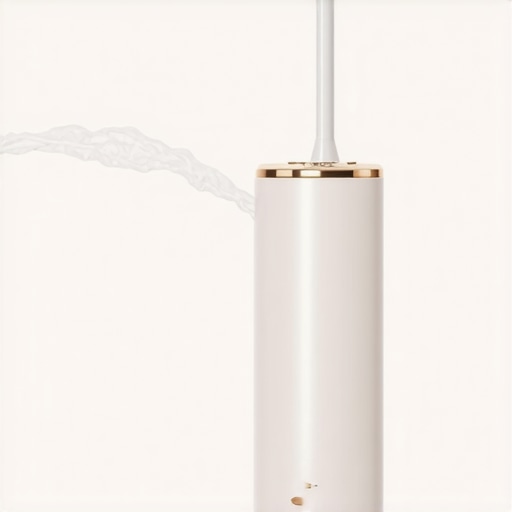
Why high pressure is a recipe for disaster
Your tonsils are lymphoid tissue, meaning they are soft and full of blood vessels. When I overdid it, my throat felt like I’d swallowed a handful of thumbtacks. If you’re already dealing with issues like why your gums are throbbing after a routine cleaning, you know how sensitive the mouth can be. Respect the tissue.
Stop the Build-Up Before It Starts
Removing stones is only half the battle; preventing them from returning is where the real fresh breath lives. I noticed my stones were way worse when I was dehydrated or drinking too much coffee. A dry mouth is a playground for the bacteria that create these foul-smelling pebbles. You might even find why your mouth feels like sandpaper every morning is a direct precursor to a new stone forming.
The connection between dry mouth and stones
Saliva is your mouth’s natural cleaning agent. When it’s absent, food particles and dead cells stagnate in your tonsils. I started carrying a water bottle everywhere and noticed a 50% reduction in stones within a month. This is also a critical tip when caring for your childs teeth, as they often forget to hydrate. If you have existing work, like dental crowns, keeping your mouth hydrated also protects those investments from the acidic byproduct of the same bacteria that cause stones. I also suggest switching to a non-alcoholic mouthwash. Alcohol-based rinses dry out the mouth further, which is the exact opposite of what you want.While we are on the subject of ‘hidden’ issues in the back of the mouth, let’s talk about the biggest misconception I encountered during my dental journey: the idea that a restoration is a ‘set it and forget it’ solution. I used to think that once a dentist put a cap on a tooth, that tooth was essentially encased in a suit of armor. In reality, the margin—the tiny seam where the tooth meets the crown—is the most vulnerable spot in your mouth. If you’ve been understanding dental crowns as permanent shields, you’re missing the nuance.
Stop treating your dental crowns like they’re invincible
Many people assume that because porcelain can’t decay, the tooth underneath is safe. However, a study published in the Journal of Dentistry highlights that recurrent caries at the margin is the primary reason restorations fail. If you aren’t flossing specifically at that gum line, you’re inviting bacteria to seep underneath. This is where family dentistry guide principles become vital; it’s not just about the work you get done, but how you maintain it. If you neglect this, you might eventually face the real cost of delaying a necessary dental crown replacement, which can lead to a full extraction if the decay goes too deep. 
Cosmetic dentistry is about function as much as fashion
A common myth is that ‘cosmetic’ work is purely for vanity. In my experience, and as seen in cosmetic dentistry innovations to watch, these procedures are often functional necessities. Fixing a gap or a chip isn’t just about a selfie; it’s about preventing tooth migration and wear. When deciding between dental crowns vs other restorations, the goal is to restore the bite force. If you’ve been caring for your childs teeth, you know that early intervention prevents the need for these complex solutions later. Establishing child friendly dental care early is the best way to ensure they never need a full mouth reconstruction as adults.
Why is your gum line turning dark around that old restoration?
This is a question I get asked a lot. If you notice a gray or black line at the base of your tooth, it isn’t always a sign of rot. Often, it’s the metal framework of an older porcelain-fused-to-metal crown showing through as your gums naturally recede. While top cosmetic dentistry trends for 2025 focus on all-ceramic and zirconia options that eliminate this ‘dark line’ effect, many people still carry the older versions. However, if that dark line is accompanied by a foul taste, it might be a persistent bad taste under a dental bridge or crown, indicating that the seal has failed. In some cases, your dentist might need a 3d scan to see what’s happening beneath the surface.
The dangerous DIY traps you must avoid
When my tonsil stones or dental pain were at their worst, I was desperate. That desperation often leads to bad decisions, like ‘gluing’ a loose cap back on. Please, listen to me: the danger of using super glue to fix a broken crown cannot be overstated. The chemicals are toxic and can kill the tooth nerve. Similarly, the hidden dangers of using a toothpick to ‘clean’ under a bridge are real. If something feels loose, contact us or a professional immediately. Have you ever fallen into this trap of trying a home ‘hack’ that ended up making things worse? Let me know in the comments.Once I moved past the desperate phase of ‘mining’ for tonsil stones, I realized that oral health is a long game. You can’t just fix a problem and assume it stays fixed without the right equipment. For me, that meant upgrading my toolkit to something more sophisticated than a standard plastic brush.
The one tool that actually saved my gums
I used to be a traditional floss purist, but after getting several dental crowns, I found that string often snagged on the margins, causing irritation. I switched to a cordless water flosser, and it changed everything. The reason I swear by this is the precision; it allows you to flush out the areas where family dentistry guide principles suggest bacteria love to hide. A study published in the Journal of Clinical Periodontology found that water flossing is significantly more effective at reducing gingival bleeding than traditional string floss. I personally use it with lukewarm water and a tiny splash of saltwater to keep the area around my restorations pristine. This is especially helpful if you are caring for your childs teeth because kids often find the ‘water jet’ much more fun than manual flossing. 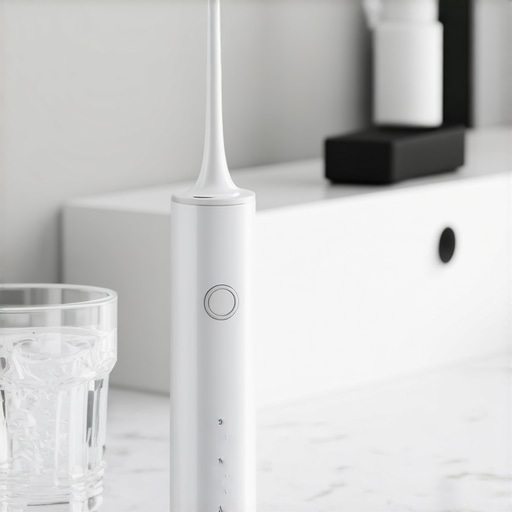
How do I keep these results for the next decade?
Consistency is the boring answer, but the way you are consistent matters. I’ve learned to treat my mouth like a high-end machine. When you invest in expert cosmetic dentistry solutions, you aren’t just buying a pretty smile; you’re managing a biological environment. I make it a point to check the seal of my crowns every few months. If you ever notice a persistent bad taste under a dental bridge or crown, it’s a red flag that the margin is leaking. Don’t wait for pain. Pain is usually the last symptom of a failing restoration. This is why your dentist might need a 3d scan during your annual check-up to catch microscopic gaps that the naked eye—and even traditional X-rays—might miss.
AI is coming for your toothbrush and that is a good thing
Looking ahead, I predict we will see a massive shift toward bio-monitoring. We are already seeing top cosmetic dentistry trends for 2025 that include smart toothbrushes with sensors that analyze the pH levels of your saliva in real-time. This tech will tell you exactly when your mouth is becoming too acidic, allowing you to neutralize it before a tonsil stone even has the chance to form or before your enamel starts to thin. It’s about moving from reactive ‘drilling and filling’ to proactive ‘monitoring and maintaining.’ If you want to scale your oral health routine, start with the data. I highly recommend picking up a toothbrush that syncs with an app; seeing a heat map of where you’re missing spots in your mouth is a humbling but necessary experience. My advanced tip for you today: Try adding a drop of iodine-free saline to your water flosser reservoir tonight—it’s the ultimate way to deep-clean those hard-to-reach tonsil crypts without the trauma of physical poking.
The Hardest Lesson I Learned While Chasing Fresh Breath
After years of obsessing over every little pebble and worrying about my breath in social situations, I realized that oral health isn’t about one-time fixes; it’s about the ecology of your entire mouth. Here are the lightbulb moments that finally clicked for me:
- Your tonsils are a filter, not a flaw. I spent so much time being angry at my tonsils for having ‘crypts,’ but I had to learn that they are part of my immune system. The goal isn’t to destroy the tissue but to keep the debris moving.
- Maintenance is cheaper than repair. Whether it is preventing stones or understanding dental crowns, waiting for pain is the biggest mistake you can make. By the time a stone smells or a tooth aches, the problem has been brewing for weeks.
- Don’t ignore the ‘ghost’ flavors. That weird, metallic or sulfurous taste is your body’s early warning system. I used to mask it with gum, but now I know it’s a sign to hydrate and reach for my water flosser.
- Technology is your best ally. Embracing top cosmetic dentistry trends for 2025 like smart brushes and advanced imaging changed my perspective from fear-based cleaning to data-based care.
My Toolkit for Staying Stone-Free Every Single Day
I’ve distilled my routine down to three essential things that keep my mouth feeling fresh and my restorations secure. First, a low-pressure water flosser is non-negotiable for anyone with deep tonsil crypts or existing dental work. Second, I rely on a pH-balanced, non-alcoholic mouthwash to prevent the dry-mouth environment where stones thrive. Third, I prioritize regular professional check-ups where your dentist might need a 3d scan to ensure nothing is hiding in the shadows. This proactive approach is the core of any solid family dentistry guide and has saved me from thousands in potential ’emergency’ costs.
Stop Hiding and Start Smiling Again
It is exhausting to live in a state of constant self-consciousness, wondering if the real reason your breath smells like mothballs is obvious to everyone in the room. But once you move from ‘mining’ to ‘maintaining,’ that anxiety starts to melt away. You deserve to speak, laugh, and lean in without fear. Whether you are managing tonsil stones or looking into expert cosmetic dentistry solutions to restore your confidence, remember that the best time to start a better routine was yesterday—the second best time is right now. Have you ever discovered a ‘secret’ trick that finally cleared up your tonsil stones or improved your oral health? Let me know in the comments below!