I remember sitting on my bathroom floor at 11 PM, flashlight in one hand and a tiny makeup mirror in the other, convinced I had ruined my mouth forever. I’d just come back from my first scaling and root planing—the fancy term for a deep cleaning—and I was a nervous wreck. My gums were tender, my teeth felt weirdly exposed to the air, and I was sure my dentist had been a bit too enthusiastic with those metal tools. It’s a vulnerable place to be, especially when you’ve spent years following a family dentistry guide only to end up needing the big guns to save your smile. I made the classic mistake of thinking that because things looked a little ragged and felt sensitive, the treatment had somehow failed. In reality, my body was just starting the heavy lifting of repair. Today, I’m going to walk you through exactly what those first few days should look like so you can stop worrying and start healing properly. If you’ve been staring at your reflection wondering if your mouth is supposed to look like a construction zone, I promise there is a light at the end of the tunnel.
Your Gums Will Likely Look a Bit Angry Before They Look Healthy
It sounds counterintuitive, I know. You go in to get the gunk out, and you expect to walk out looking like a model in a cosmetic dentistry advertisement. Instead, you might see some redness or even slight bruising where the instruments had to reach deep. When I had mine done, I was shocked by why my gums were throbbing so intensely that first night. I even worried I might need dental crowns because my teeth felt so sensitive to cold water. But here’s the secret: those deep pockets were filled with bacteria and tartar for a long time, causing constant inflammation. Once that’s gone, your gums have to shrink-wrap back onto the tooth. According to the American Academy of Periodontology, it can actually take up to six weeks for the soft tissue to fully reattach to the root surfaces. That’s a significant recovery period! You might even notice that your teeth look longer as the swelling goes down, which is actually a sign of success, not a sign of your gums disappearing.
Is all this post-cleaning soreness actually worth it?
I get the skepticism; I’ve been there, clutching an ice pack and wondering if I should have just skipped the whole ordeal. But if you don’t clear out that infection, you’re looking at bone loss and tooth loss down the road. Have you ever looked in the mirror and felt like your gums just weren’t bouncing back as fast as you expected? It’s a common fear that keeps people from finishing their treatment plans. Even if you are looking for painless dental cleanings, the reality is that deep work requires a bit of grit. The real trick is knowing the difference between normal post-op inflammation and a real problem, like why your gums feel spongy after the initial swelling should have subsided. Let’s dive into the specific physical cues that tell you the healing process is officially underway so you can rest easy.
Make the First 48 Hours Your Priority
The immediate aftermath of a deep cleaning is when your gums are most vulnerable. During my first recovery, I found that the first 48 hours dictated how the rest of the week would go. If you overdo it, you’ll find why your gums are throbbing becomes a constant question in your mind. The priority is to minimize irritation while your body starts the reattachment process. One of the most effective tools in your arsenal is a simple warm salt water rinse. Mix about half a teaspoon of salt into eight ounces of warm water and swish gently. This helps reduce swelling by drawing out excess fluid and keeping the area clean without the harsh chemicals found in some store-bought mouthwashes.
Rinse Like Your Recovery Depends on It
When you rinse, the goal isn’t to power-wash your teeth. You want a gentle bath for your gums. I remember being terrified that I would wash away the healing progress, especially when I noticed a slight metallic taste. If you ever wonder why your breath smells metallic, it is often just a sign of minor, expected oozing from the deep cleaning sites. Just let the salt water roll around and then lean over the sink to let it fall out naturally. Do not spit with force; the suction can interfere with the delicate clots forming in the gum pockets.
Keep the Crunch Away for a Few Days
Dietary choices are the biggest hurdle. I once made the mistake of trying to eat a crusty baguette just a few hours after leaving the chair. The sharp crust felt like a needle against my tender tissue. You need to pivot to soft, cool, or lukewarm foods. Looking toward child-friendly dental care strategies is actually a great way to plan your meals. Smoothies, yogurts, and lukewarm soups are your best friends. Avoid anything with small seeds—like strawberries or poppy seeds—as these can get lodged in the newly cleaned pockets and cause an infection. If you’re struggling for ideas, many of the the best foods to eat when your new braces are sore are perfect for this recovery phase too. 
Gently Clean Those Tender Areas
You shouldn’t stop brushing, but you must change your technique. Use a manual toothbrush with the softest bristles you can find. I found that my electric toothbrush was far too aggressive for the first few days. Tilt the brush at a 45-degree angle toward the gum line and use very small, circular motions. If you see why your gums are purple or dark red in specific spots, don’t panic. This is often just minor bruising from where the instruments had to reach. Gentle cleaning prevents the buildup of new bacteria that could lead to the the secret to painless dental cleanings becoming a distant memory due to recurring inflammation.
Manage the Zaps of Sensitivity
Without that layer of tartar, your roots are now exposed to temperature changes. You might feel a sharp ‘zap’ when drinking cold water. While you might worry about needing more work or understanding dental crowns to fix the sensitivity, it’s usually just a temporary adjustment. Try using a desensitizing toothpaste and even rubbing a little bit of it directly onto the sensitive tooth like a topical ointment before you go to bed. This helps block the pathways to the nerve and makes the transition much more comfortable.
Most people think of scaling and root planing as a simple reset button—hit it once, and your mouth is magically back to factory settings. But here is the contrarian truth that your dentist might not have time to explain: the cleaning itself isn’t the cure; it is merely the removal of the roadblock. I used to believe that once the plaque was gone, I was ‘healed.’ In reality, your immune system is the one doing the heavy lifting. I’ve seen many people follow a strict role of family dentistry in their daily life and still see poor results because they view the clinician as the sole provider of their health. Your dentist just clears the path so your body can finally stop fighting a losing battle against tartar.
Why Your Restorative Work Depends on These Tiny Pockets
One of the biggest ‘oops’ factors I see involves the rush toward cosmetic dentistry before the foundation is stable. We all want that perfect, bright-white Hollywood smile, but placing expensive veneers or dental crowns on top of gums that are still recovering from a deep cleaning is a recipe for disaster. If the tissue is still ‘spongy’ or inflamed, the margin where the crown meets the tooth will eventually be exposed as the gums recede to their true, healthy level. This leads to that unsightly dark line at the gumline and, eventually, the real cost of delaying a necessary dental crown replacement because of new decay at the margins.
#IMAGE_PLACE_HOLDER_C#
Can You Actually Reverse Bone Loss After a Deep Cleaning?
This is the question that separates the casual patient from the expert. The common belief is that once the bone supporting your teeth is gone, it’s gone forever. While it’s true that scaling doesn’t magically ‘grow’ bone back in a traditional sense, a study published in the Journal of Periodontology suggests that by effectively managing the bacterial load, we can stop the active destruction and, in specific types of angular defects, allow for a significant amount of ‘bone fill.’ It isn’t magic; it’s biology. However, if you treat the cleaning as a one-time event and fail to stick to a family dentistry guide for maintenance, the bone loss will simply resume the moment the bacteria return.
The most dangerous trap to avoid is ‘the comfort plateau.’ Once the initial soreness fades after forty-eight hours, many people stop their salt-water rinses and revert to lazy flossing habits. Don’t fall for it. Your gums are in a delicate state of reattachment for up to six weeks. If you introduce new bacteria too soon, those pockets won’t close, and you’ll find yourself back in the specialist’s chair sooner than you think. Have you ever fallen into this trap? Let me know in the comments.
I’ll be honest: I used to be a “floss-when-I-remember” kind of person. But after seeing the literal blood, sweat, and tears that went into my scaling and root planing, I realized that my cheap manual toothbrush was like bringing a toothpick to a gunfight. If you want those pockets to stay closed and avoid the regression of your gum health, you need to upgrade your toolkit and your mindset. Your family dentistry guide isn’t just a set of suggestions; it’s a survival manual for your mouth.
Why I Swear by Interdental Brushes Over Standard Floss
First on my list of essential tools are interdental brushes. Not the flimsy ones that snap after one use, but high-quality, ergonomic ones like the TePe brand. Dr. Michael P. Rethman, former president of the American Academy of Periodontology, has long advocated that “the mechanical disruption of biofilm is the bedrock of periodontal stability.” I personally use these because standard floss is a straight line, but your teeth are naturally curved. Floss often misses the concave “indent” in the root where bacteria love to hide, especially after you’ve had a deep cleaning. By switching to these tiny, bottle-brush-style tools, I finally stopped seeing the pink in the sink when I brushed.
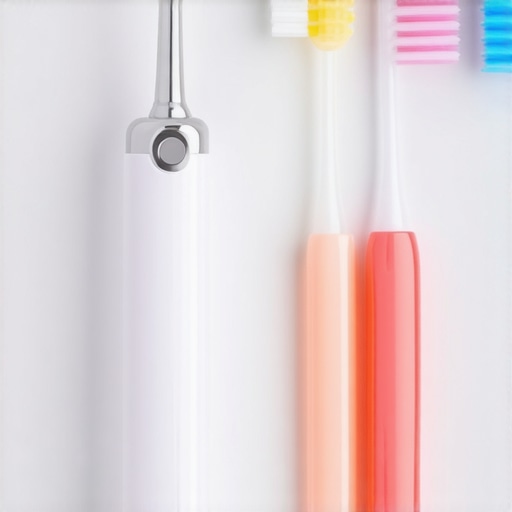
Next, let’s talk about the water flosser. I know they are messy at first, and you will likely spray your bathroom mirror at least twice, but nothing flushes out a 5mm pocket quite like a pulsating stream of water. It’s particularly vital if you have dental crowns explained: the ultimate solution for damaged teeth because the margins where the crown meets the tooth are prime real estate for new plaque accumulation. Just remember that the safe way to use toothpicks without damaging gums is essentially to stop using them for deep cleaning altogether—swap them for a soft-pick or water flosser to protect that delicate reattaching tissue.
How do I keep those deep pockets from coming back?
Maintaining your results isn’t about one heroic cleaning; it’s about the boring, daily rituals that prevent bacterial recolonization. Within the role of family dentistry in ensuring oral health for all ages, the focus is rapidly shifting toward “periodontal maintenance” visits every three to four months rather than the standard six. This is because the specific bacteria that cause gum disease—the “red complex” pathogens—can repopulate a pocket and start damaging the bone again in about 90 days. If you wait six months for your next visit, you are basically letting the invaders rebuild their fortress before you try to knock it down again.
The Future of Keeping Your Smile Stable
Looking ahead, I predict we are moving toward personalized oral microbiome testing. In a few years, your enhance your confidence: cosmetic dentistry innovations to watch list will probably include a DNA swab of your saliva to tell you exactly which probiotic strain you need to fight your specific gum bacteria. We are moving away from the old “kill all bacteria with harsh mouthwash” approach to a more sophisticated “cultivate the good ones” philosophy. My challenge to you is simple: tonight, skip the standard floss for just one section of your mouth and try an interdental brush instead. You’ll be both horrified and satisfied by what the floss was leaving behind.
Three things I wish I knew before my gums started healing
Reflecting on my own journey, the first thing that shocked me was how my teeth felt slightly more mobile for a few days. It is completely normal for teeth to feel a bit ‘loose’ while the inflammation leaves the area. Secondly, I learned that knowing how to tell if your toothache is a cavity or just sensitivity is vital for your mental health during recovery; most of what you feel is just the root surfaces getting used to the environment again. Finally, the ‘black triangles’ or small gaps you might see between your teeth aren’t a mistake—they are physical proof that the swelling has gone down and your gums are finally becoming firm and healthy again.
The toolkit that keeps my periodontal pockets at bay
I don’t leave my oral health to chance anymore. I rely on three specific things: a high-quality water flosser to reach deep into the pockets, interdental brushes that actually fit between the gaps, and a comprehensive family dentistry guide that focuses on daily prevention. I also highly suggest checking out the secret to cleaning your teeth while wearing a retainer if you have any orthodontic hardware, as those areas are massive magnets for the bacteria that caused the need for a deep cleaning in the first place. These tools aren’t just extras; they are the insurance policy for the work your dentist just did.
Your best smile is finally within reach
The discomfort of scaling and root planing is temporary, but the stability of your bone and gum tissue is a lifelong investment. You’ve already done the hard part by showing up for the procedure and taking control of your health. Now, the mission is simply to stay consistent with your salt-water rinses and gentle cleaning. Once your gums are healthy, stable, and pink again, you can finally look into cosmetic dentistry with a foundation that will actually support your investment for years to come. You’ve got this, and your future self will thank you for the extra effort today. Have you noticed your teeth feeling extra sensitive to cold air or water since your cleaning? Let me know your experience in the comments below!