I remember looking in the bathroom mirror one Tuesday morning and noticing a tiny, jagged notch in my gum line right above my front tooth. I panicked. I honestly thought my teeth were starting to fail me or that I would need some terrifying gum graft surgery involving scalpels and weeks of soup-only meals. It felt visceral—that sudden realization that my smile wasn’t as bulletproof as I thought. I had spent years priding myself on my dental hygiene, yet there it was: a visible snag in the pink tissue. I even went through a phase where I was checking my reflection every hour, convinced the recession was moving like a slow-motion tidal wave. Eventually, I realized that my aggressive habits were the culprit, not some unstoppable decay.
Stop Panicking About That Little Notch
Most of us assume that once the gum line starts to pull back, it is a one-way street to the operating table. It is a scary thought, but it is often an exaggeration of the reality. If you have been wondering why your gums are receding despite using a soft toothbrush, you are not alone. I spent years scrubbing my teeth like I was trying to strip old paint off a fence. That was my first big mistake. I thought more pressure meant cleaner teeth, but instead, I was literally wearing away my own tissue. Today, we are going to walk through the non-surgical habits and cosmetic tweaks that can actually make a difference before you have to call a specialist. We will look at how to stabilize the area and even how expert cosmetic dentistry solutions can mask these imperfections without a single stitch.
Will My Gums Ever Grow Back on Their Own?
Here is the hard truth I had to swallow: gum tissue does not grow back like skin on a scraped knee. However, you can absolutely stop the recession in its tracks and use clever, non-invasive methods to restore the look of your smile. Before you start researching if dental crowns are needed to hide the gap, we need to address the mechanical cause of the snag. According to the American Academy of Periodontology, nearly half of American adults have some form of periodontal issues, often triggered by simple mechanical trauma or plaque buildup. I found that switching to an electric brush with a pressure sensor was a game-changer for my ‘snagged’ look. Have you ever noticed your gums feeling extra sensitive or looking a bit lower after a particularly stressful week of frantic brushing? Let me know, because that’s usually the first sign that you’re overdoing it. If the snag is specifically around existing dental work, you might want to see if your gum line looks dark around an old crown, as that can often mimic the appearance of a snagged line.
Recalibrate Your Routine to Save Your Gums
The first thing I did after noticing my snagged gum was switch to an electric toothbrush with a built-in pressure sensor. It felt like I was learning to brush all over again because the red light kept flashing every few seconds. I was shocked at how much force I had been applying to my mouth. If you are in the same boat, you should also reconsider the truth about how often you should replace your toothbrush head. Old, frayed bristles are essentially sandpaper for your sensitive gum line. A fresh, soft head and a light touch are your first line of defense to stop the recession from creeping further up the tooth. I once spent a stressful week brushing so hard I actually caused a small bleed right at the snag. It was a terrifying wake-up call that more effort does not equal cleaner teeth.
Let Your Dentist Fill the Voids with Composite Bonding
If the ‘snagged’ look is driving you crazy when you smile, you do not always need a surgeon. One of the most effective ways to mask that notch is through dental bonding. Think of it like using high-tech wood filler for a scratch in a fine table. Your dentist can apply a tooth-colored resin directly into the recessed area, smoothing out the transition between the tooth and the gum. This not only makes the snag disappear visually but also protects the exposed root, which is much softer than enamel. When exploring this, it helps to dive into the closing a gap without braces: the bonding vs. veneer debate. For small snags, bonding is often the quicker, more cost-effective choice that requires zero drilling of your healthy tooth structure.
Examine Your Old Dental Work for Hidden Damage
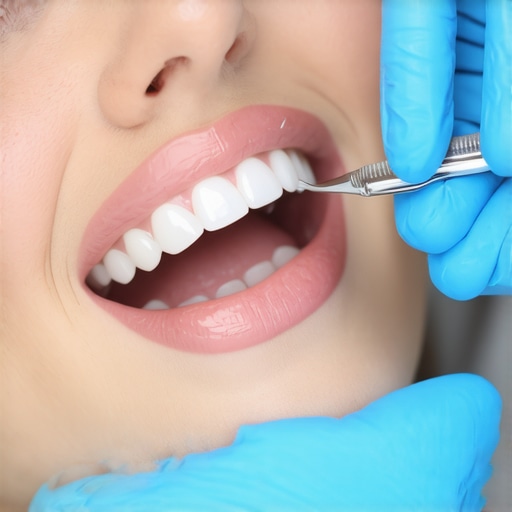
Sometimes that notch or snag isn’t your natural tooth at all, but a failing restoration. I have seen cases where a small gap at the gum line was actually the first sign that an old porcelain cap was pulling away. It is vital to know how to tell if your dental crown has a hidden crack or if the cement has begun to wash out. If you notice the snag is specifically localized around a tooth that was treated years ago, you need to determine how to tell if your crown needs to be replaced immediately. Ignoring a gap between a crown and the gum line can trap bacteria, leading to a cavity under the restoration that you won’t even see until it’s a major emergency.
Trust Your Local Family Practice for Long-Term Stabilization
Stabilizing a snagged gum line is a marathon, not a sprint. This is where the role of family dentistry in ensuring oral health for all ages becomes so important. A consistent provider can track the exact millimeter of recession over several years. If they notice the snag is staying the same, they might suggest simple cosmetic tweaks or just a better cleaning routine. However, if they see it moving, they can catch it before you actually need a graft. Even if you are just looking for a quick fix, like how to fix a tiny chip in your front tooth without a crown, having a professional oversee the health of the underlying tissue is the only way to ensure your cosmetic results actually last. For those looking at the future of their smile, staying updated on revamp your smile: top cosmetic dentistry trends for 2025 can provide insights into newer, less invasive materials that are specifically designed to mimic natural gum transitions.
Everyone told me that if I wanted to fix the snag in my gum, I needed a perfectly symmetrical, level line across my entire mouth. But here is the contrarian truth I learned from the pros: symmetry is often the enemy of a natural-looking smile. In my experience, patients who chase a perfectly horizontal gum line often end up with a ‘plastic’ look that screams dental work rather than health. Real gums have a natural, scalloped flow that mimics the unique architecture of your jawbone. When you look at cosmetic dentistry innovations to watch, the focus is shifting away from flat perfection and toward ‘biological harmony.’ If you force a dentist to give you a perfectly straight line where your bone doesn’t support it, you are inviting chronic inflammation.
The Invisible Two-Millimeter Rule That Can Ruin a Great Crown
The biggest ‘oops’ factor I see in the world of high-end restorations is the violation of the biological width. This is a nuance that most beginners miss. According to research published in the Journal of Periodontology, the body requires a sacred 2-millimeter zone of soft tissue attachment above the bone. If a crown or a veneer is pushed too deep into the gum line to hide a snag, your body will fight back. This leads to permanent redness and swelling that no amount of flossing can fix. This is often the real reason your porcelain crown keeps chipping or why the gum around it never seems to heal. Have you ever fallen into the trap of thinking a crown was just a ‘cap’ that could be placed anywhere? Let me know in the comments, because this is the most common mistake people make when they rush into a fix.
Why Does My Crown Feel Tight Every Time I Wake Up?
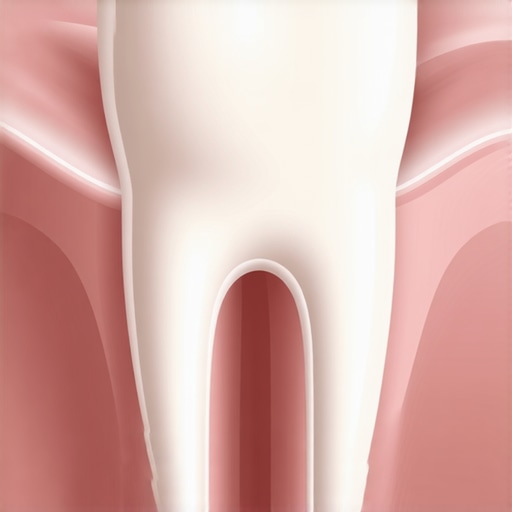
If you have recently had work done to fix a recession snag, you might notice a strange pressure in the morning. While you might worry about the fit, you should investigate why your crown feels tight when you wake up. It is often a sign of micro-bruxism—clenching your teeth because your brain is trying to ‘find’ the new biting surface. This is why a family dentistry guide for building a lifetime of healthy smiles always emphasizes the importance of a post-procedure bite adjustment. A crown that is just a fraction of a millimeter too high can cause the surrounding gum tissue to recede even faster than before, effectively undoing all your hard work. When looking at top cosmetic dentistry trends for 2025, we see a massive shift toward using 3D occlusal mapping to prevent this exact type of mechanical failure. Don’t let a simple ‘tight’ feeling turn into a lost restoration because you ignored the subtle signals your mouth was sending you.
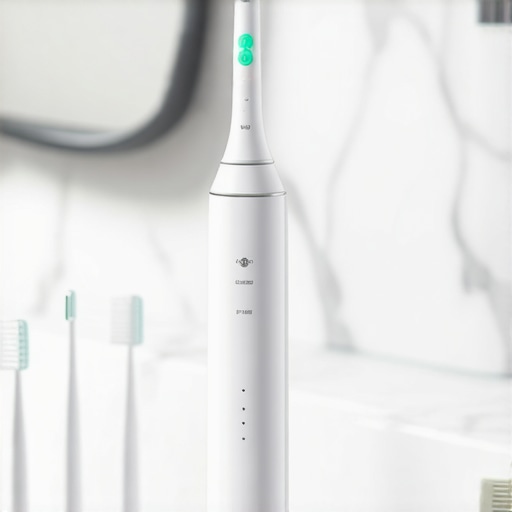
I’ve spent a small fortune on dental gadgets over the years, but I’ve finally narrowed it down to a ‘holy trinity’ of tools that actually work for long-term maintenance. First, the Oral-B iO series is non-negotiable for me. I prefer the oscillating-rotating movement over simple sonic vibrations because it feels like a professional polish every single morning. More importantly, the smart pressure sensor turns green when I’m doing it right and red when I’m being too aggressive. If you’re still using a manual brush, you’re playing a dangerous game with your gum recession. Beyond the brush, I’ve swapped traditional floss for TePe interdental brushes for the larger gaps near my molars. A study published in the Journal of Clinical Periodontology confirms that interdental brushes are significantly more effective at removing plaque from concave tooth surfaces than floss alone. This is critical if you want to avoid the real cost of delaying a necessary dental crown because of a preventable cavity at the root line.
How do I maintain my smile results over time?
The secret isn’t just the tools you use at home; it’s the frequency of your professional oversight. I’ve committed to a four-month cleaning schedule instead of the standard six months. Why? Because my hygienist can spot how to tell if your dental crown has a hidden crack before it becomes a painful emergency. This proactive approach is the backbone of any family dentistry guide for building a lifetime of healthy smiles. If you aren’t already, make sure you are asking for a periodontal probe reading at every visit. It’s the only way to objectively track if your snagged gum line is stabilizing or if you need to transform your look with expert cosmetic dentistry solutions to reinforce the area. Consistency is the only thing that keeps that ‘snag’ from becoming a hole.
Why 3D Scans Are the New Standard for Crown Care
Looking ahead, the next five years will change how we view dental maintenance entirely. I predict we will see the rise of ‘smart crowns’ embedded with sensors that can detect pH changes or bacterial spikes before a cavity even forms. We are already seeing this shift in top cosmetic dentistry trends for 2025, where digital twin technology allows dentists to simulate years of wear and tear on your restorations in a matter of seconds. If your current provider isn’t using high-resolution 3D imaging, you might want to find out why your dentist might need a 3d scan to find hidden tooth pain that doesn’t show up on a traditional X-ray. My advice? Take the plunge and invest in a top-tier electric toothbrush with a pressure sensor this week. It is the cheapest insurance policy you will ever buy for your smile.
What I Learned After Chasing a Perfect Gum Line
The biggest lightbulb moment in my journey was realizing that my mouth isn’t a machine; it is a biological system. I used to think I could just ‘fix’ a snag with one procedure and be done. But if you ignore the 2-millimeter biological width rule, you’re setting yourself up for failure. This is often the real reason your porcelain crown keeps chipping—the restoration is essentially fighting your body for space. I also learned that the role of family dentistry in ensuring oral health for all ages isn’t just about kids; it is about having a doctor who knows the history of every millimeter of your gum line. Chasing symmetry for the sake of aesthetics alone usually leads to more trouble than it’s worth.
Tools That Actually Stopped My Recession
If you want to keep your results, you need a toolkit that prioritizes gentleness over power. I personally trust the Oral-B iO series because the smart sensor removes the guesswork of ‘how hard is too hard.’ To complement the mechanical side, I’ve found that a family dentistry guide for building a lifetime of healthy smiles is the best roadmap for preventive care. I also recommend keeping a close eye on any older restorations, as learning how to tell if your dental crown has a hidden crack can save you from a major infection. These aren’t just gadgets; they are the frontline defense for your smile architecture.
#IMAGE_PLACEHOLDER_E#
Take the First Step Toward a Healthier Smile
Repairing a snagged gum line is about more than just vanity; it is about protecting the longevity of your teeth. Whether you decide to move forward with dental bonding or simply adjust your brushing habits, the goal is to create a stable environment where your tissue can thrive. Don’t wait until a small notch becomes a major root exposure. When you are ready to transform your look with expert cosmetic dentistry solutions, you will find that a little proactive care goes a long way. Your smile is unique, and it deserves a customized approach that respects your natural biology. Have you ever caught yourself brushing way too hard because of a stressful day? Let me know your routine in the comments!