I remember standing in my bathroom last Tuesday, tilting my head back, and catching a glimpse of something that made my heart sink. The very bottom edges of my front teeth looked like stained glass. They were almost completely translucent, catching the light in a way that made them look grey and fragile. I felt like a human ice sculpture that was slowly melting away from the bottom up. For a long time, I just assumed I was getting old, but the truth was much more preventable—and much more common—than I realized.
Those See-Through Edges Are Not Just Your Imagination
When I first noticed that the tips of my front teeth were looking a bit like frosted glass, I did what most people do: I ignored it for a week, then I obsessed over it. I spent hours in front of the vanity mirror, wondering if I was the only one seeing it. The edges weren’t solid white anymore; they were bluish-grey and thin. It is a jarring realization. You spend your life thinking teeth are solid blocks, but they are actually covered in a precious, finite layer of enamel that can wear down until it is literally paper-thin. I eventually realized that the real reason your smile looks aged often comes down to this loss of opacity at the biting edges.
My biggest mistake during that panic phase? I thought I just needed to whiten them more. I thought the “grey” was just a deep stain. I doubled down on abrasive pastes and whitening strips, not realizing I was essentially sanding down what little protection I had left. I was horrified to learn later that the truth about charcoal powder and other trendy abrasives is that they can be devastating for thinned enamel. According to the American Dental Association (ADA), enamel is the hardest tissue in the human body, yet it has no living cells, meaning it cannot regenerate once it is gone. Today, we are going to solve the mystery of why this is happening to you and exactly how to protect the enamel you have left before it becomes a bigger issue.
Is This Actually Something I Can Fix at Home?
You might be feeling a bit of skepticism right now. We see so many “miracle” remineralization products advertised on social media that it is hard to know what is actually worth the hype. I used to think I could just brush my way back to thick, white teeth, but once that translucency starts, you need a more strategic approach. While you cannot technically grow back what is lost, you can certainly strengthen the remaining structure and explore expert cosmetic dentistry solutions to restore the vibrant look you used to have. Have you noticed that ghostly glow at the tips of your teeth when you look in the mirror lately? If so, you are not alone, and you are definitely not helpless. Let us get into the grit of what is causing that see-through look and how we can halt the damage.
Stop the Acid That Is Dissolving Your Enamel
The first step in halting that see-through look is identifying the silent attackers in your diet. It isn’t just about candy; it is about the constant acid bath your teeth endure from ‘healthy’ habits like lemon water or morning smoothies. When the pH level in your mouth drops below 5.5, the minerals in your enamel begin to dissolve. You might notice why your teeth feel gritty after eating spinach or other oxalic-rich foods; this is often a sign of temporary mineral disruption. To fight back, you need to raise the pH level in your mouth as quickly as possible after consuming anything acidic.
Neutralize Your Mouth Immediately After You Eat
I learned this the hard way back when I was on a massive apple cider vinegar kick. I thought I was being healthy, but within three weeks, my teeth were so sensitive I couldn’t even breathe in cold air. I realized that the best thing you can do is not to brush immediately—which actually rubs the acid deeper into the weakened surface—but to rinse vigorously with plain water or a fluoride-rich mouthwash. This simple act buffers the acid and starts the remineralization process. If you are struggling with a lifestyle that is hard on your teeth, following a family dentistry guide building a lifetime of healthy smiles can help you establish these protective routines for everyone in your household.
Strengthen What You Still Have Left
While you can’t regrow enamel, you can reinforce the existing structure using hydroxyapatite or high-concentration fluoride pastes. These minerals act like a temporary patch, filling in the microscopic pits on the tooth surface. Think of it like applying a clear coat to a car’s paint; it doesn’t replace the metal, but it stops the rust from spreading. You should also consider if mechanical wear is part of the problem. Many people with translucent edges are also ‘clenchers.’ If you wake up with a sore jaw, you might need a night guard. Just remember to learn the best way to clean a night guard to prevent odors so you don’t introduce bacteria to your already fragile enamel.
Invest in Professional Barriers for Long-Term Health
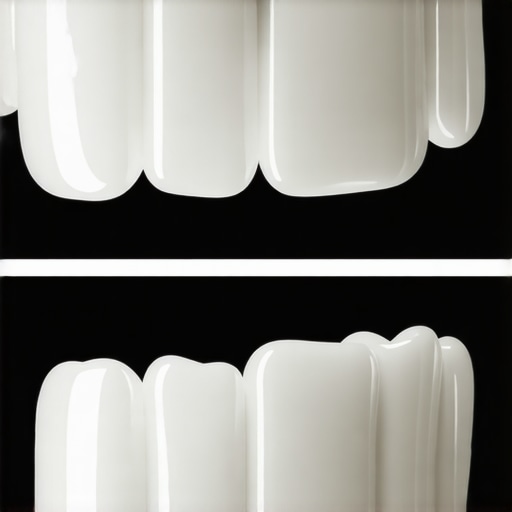
Sometimes, the enamel is so far gone that home care is merely a holding pattern. When the biting edge is paper-thin, it becomes prone to chipping and fractures, no matter how much specialized toothpaste you use. This is where modern dentistry steps in to provide a physical shield that mimics the natural opacity of a healthy tooth. If you have been wondering why your teeth are chipping easily despite a healthy diet, it is likely because the structural integrity of the biting edge has been compromised by that translucency.
Replace Thinned Edges with Durable Porcelain
For those of us who want our solid white smile back, there are two primary routes. You can opt for composite bonding, which is a resin applied directly to the edge, or you can choose more permanent solutions like veneers or crowns. When you are weighing your options, looking into dental crowns vs other restorations which is right for you is essential. Crowns offer a 360-degree shield that protects the entire tooth from further acid erosion and physical wear. As we look at the revamp your smile top cosmetic dentistry trends for 2025, it is clear that materials are becoming more lifelike and durable than ever. By choosing a high-quality porcelain, you aren’t just fixing the look; you are essentially giving your tooth a second skin that is immune to the acid that caused the problem in the first place. If the damage is extensive, understanding dental crowns when and why they are needed will help you decide if it is time to stop patching and start protecting.
You might think that once a tooth is capped with porcelain, it is effectively retired from the risks of decay. This is perhaps the most dangerous myth in the world of oral health. While the porcelain itself cannot get a cavity, the sliver of natural tooth remaining at the gum line is more vulnerable than ever. I have seen so many people invest in expert cosmetic dentistry solutions only to return three years later with a failure because they assumed the crown was a ‘set it and forget it’ shield. In reality, the margin—the microscopic seam where the restoration meets your natural anatomy—is the new frontline in your battle against bacteria.
Why Does Your New Bite Feel Slightly ‘Off’ After Lunch?
If you have recently had work done and notice that your bite feels fine in the morning but ‘high’ or uncomfortable after a meal, you aren’t imagining it. This is a nuance often missed by general advice: inflammation in the periodontal ligament. When you chew, especially if the crown is even a fraction of a millimeter too high, the ligament becomes bruised. This can lead to a cycle where you think you just need to ‘get used to it,’ but you are actually causing micro-trauma to the bone. If you don’t address how to fix a temporary crown that feels too high or a permanent one that isn’t perfectly calibrated, you risk cracking the porcelain or, worse, the root underneath.
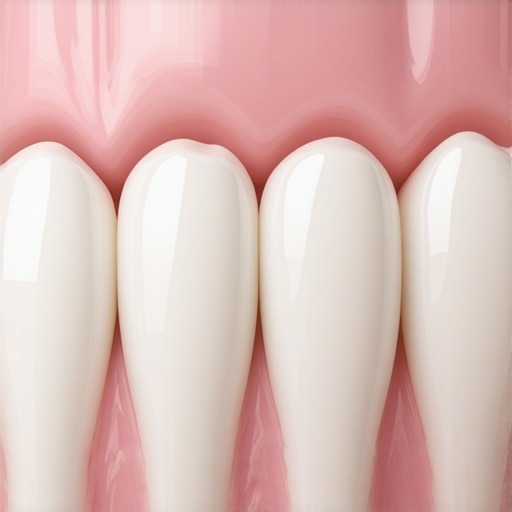
A major ‘oops’ factor many people encounter is the sudden appearance of a shadowy boundary at the base of their restoration. Most assume this is a stain, but why your gum line looks dark around an old crown often signals a deeper issue like recession or the metal substructure of an older porcelain-fused-to-metal (PFM) crown becoming exposed. Modern cosmetic dentistry innovations to watch have moved toward all-ceramic materials to prevent this, but the health of your gums remains the deciding factor in longevity. According to a study published in the Journal of Prosthetic Dentistry, the marginal fit of a restoration is the single most important predictor of its long-term success; even a gap as small as 120 microns can invite ‘leaking’ bacteria. This is why how to tell if your dental crown is leaking bacteria is a skill every patient should have in their toolkit.
The Trap of Choosing Material Over Biomechanics
Another common mistake is choosing a material based on price or ‘whiteness’ rather than how it interacts with your opposing teeth. For example, some incredibly strong zircons are so hard they can actually wear down your natural teeth on the opposite jaw like sandpaper. This is why the role of family dentistry in ensuring oral health is so vital—it’s not just about cleanings, it’s about a professional monitoring how your specific bite evolves over decades. When considering the truth about the lifespan of composite vs porcelain veneers, the mechanical load of your jaw is more important than the material’s brand name. Have you ever fallen into the trap of thinking a crown was indestructible? Let me know in the comments. If you are noticing sensitivity or a change in your bite, it may be time to look at understanding dental crowns when and why they are needed before a small leak becomes a major fracture.
I’ve learned that the biggest threat to expensive dental work isn’t a piece of hard candy; it’s the arrogance of thinking the job is finished once you leave the chair. Once I got my first crown, I realized I had to upgrade my toolkit significantly. I swapped my manual brush for a high-frequency sonic one with a built-in pressure sensor because the vibration helps disrupt biofilm at the microscopic margins where a manual bristle simply cannot reach. I’ve also become obsessive about the truth about how often you should replace your toothbrush head because frayed, bacteria-laden bristles are essentially just scrubbing pathogens into your gum line. If you’re serious about the longevity of your smile, you need to incorporate interproximal brushes. These tiny tools reach the concave surfaces of the roots that floss often misses entirely, which is especially critical if you are following the best routine for cleaning under a dental bridge.
How do I keep my dental work from failing prematurely?
The secret to success isn’t just about cleaning; it’s about the chemistry of your mouth. I keep a bottle of alkaline mouth rinse on my counter to neutralize acidity immediately after eating. If you don’t keep your pH in check, even the most expensive expert cosmetic dentistry solutions will eventually fail because the natural tooth structure underneath will soften and decay. According to Dr. Gordon Christensen of the Clinicians Report, many modern zirconia restorations are nearly indestructible, but the resin cements holding them can still undergo micro-leakage if the oral environment is consistently acidic. This leads to that silent bacterial infiltration I mentioned earlier. To prevent this, I’ve made the secret to painless dental cleanings for sensitive teeth a priority by scheduling maintenance-only visits that focus specifically on the health of the gum-to-crown seal rather than just scraping away tartar.
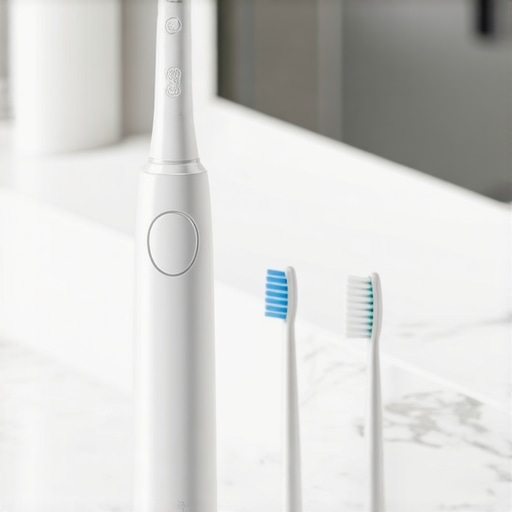
Looking toward the future, we are moving away from a ‘drill and fill’ mindset toward a ‘predict and prevent’ model. Within the next few years, I expect we’ll see smart night guards equipped with pressure sensors that sync to your smartphone, alerting you to nocturnal grinding levels before you ever see the real reason your porcelain crown keeps chipping. We are already seeing revamp your smile top cosmetic dentistry trends for 2025 move toward 3D-printed bio-glass restorations that can actually release calcium and phosphate back into the tooth structure. If you are currently wearing a protective appliance, please ensure you know the best way to clean a night guard to prevent odors and bacterial buildup. My best advice for right now? Try adding a high-fluoride ‘pre-brush’ rinse to your nightly routine to harden the interface between your natural tooth and the porcelain. It is a simple habit that can literally save you thousands of dollars in replacement costs.
What I Wish I Knew Before My Enamel Hit the Point of No Return
Looking back on my journey with translucent teeth, I realized that I spent way too much time treating the symptoms instead of the cause. I thought ‘whiter’ meant ‘healthier,’ but I was actually polishing away the very shield I needed. One of the biggest lightbulb moments was realizing that the real cost of delaying a necessary dental crown isn’t just financial; it’s the loss of the natural tooth structure that you can never get back. I also learned that translucency is a structural alarm bell, not just a cosmetic flaw. If you can see through your teeth, they are already physically weaker, and waiting for a fracture to happen is a high-stakes gamble. Finally, I discovered that regular checkups are about more than just cleaning; it’s about a professional spotting the microscopic wear patterns that lead to how to tell if your crown needs to be replaced immediately or if your enamel is thinning at an accelerated rate.
The Daily Setup That Keeps My Smile Intact
I’ve replaced my shelf of whitening strips with a curated toolkit designed for preservation. My first recommendation is a pH-neutralizing oral rinse; keeping your mouth at a healthy pH is the single most important thing you can do for your enamel. Second, I suggest reading dental crowns explained the ultimate solution for damaged teeth to understand how modern materials can actually mimic the light-reflecting properties of natural teeth without the fragility. Third, I always keep a high-quality interproximal brush in my travel bag because the margins of your teeth are where the most acid damage occurs. If you are unsure where to start your restoration journey, you should contact us to consult with a professional who specializes in biomechanical oral health.
Take Back Your Smile Before the Glass Shatters
It is easy to feel defeated when you look in the mirror and see those grey, see-through edges, but you aren’t stuck with a fading smile. Enamel doesn’t regenerate, but our ability to protect and replace it has never been better. By shifting your focus from ‘scrubbing’ to ‘shielding,’ you can stop the erosion in its tracks. Whether you need a simple lifestyle change or expert cosmetic dentistry solutions to restore what’s been lost, the most important step is the one you take today. Your smile is your most visible asset—don’t let it disappear from the bottom up. Have you noticed your teeth looking thinner or more translucent lately? Let me know in the comments below.