The moment the dentist pointed to that tiny, dark shadow on my six-year-old’s X-ray, I felt my stomach drop into my shoes. My son, Leo, was humming a Minecraft tune, blissfully unaware, while I was already spiraling into a massive guilt trip. “We need a filling,” the dentist said calmly, and suddenly, I was the one who wanted to hide under the heavy lead apron. My first instinct was a total disaster—I lied. I told him it was just a “quick tooth wash” and that he wouldn’t feel a thing. Big mistake. Huge. When we finally got to the chair, that betrayal of trust made everything ten times harder for him. I learned the hard way that child-friendly dental care isn’t about hiding the truth; it is about framing the reality so they feel like the hero of the story. I am going to show you how to swap that parental panic for a strategy that actually works.
Stop Treating the Dental Chair Like a Punishment
We often treat cavities as a moral failure or a consequence of “not listening,” don’t we? I certainly did. I found myself lecturing Leo about those extra juice boxes right there in the waiting room, which only made him associate the clinic with being in trouble. If you have ever found yourself in a desperate power struggle over a toothbrush, you know that fighting your toddler during brushing is exhausting, but it is nothing compared to the drama of a first filling when they feel cornered. Today, we are flipping the script. We are moving away from the “scary drill” and toward the idea of a “superhero tooth shield.” This moment matters because it is the foundation for how they will view healthcare for the next fifty years.
Is it actually possible to avoid a total meltdown?
I know exactly what you are thinking. My kid won’t even eat broccoli without a negotiation, so how am I supposed to get them to sit still for a high-speed handpiece? It sounds like a total pipe dream. But here is the reality: dental anxiety is often “caught” from parents rather than being something children are born with. According to the American Academy of Pediatric Dentistry, about 20% of school-age children have a genuine fear of the dentist, and much of that is fueled by the specific language used at home. My early mistake was using words like “shot,” “needle,” and “hurt” while trying to reassure him. I was essentially handing him a script for a horror movie and then asking him why he was crying. [image_placeholder]
Give Your Child the Big Kid Upgrade
The secret is making the filling feel like an exclusive club membership. Instead of a scary repair, we started calling it a custom-fit “tooth armor.” In our house, we now focus on building a lifetime of healthy smiles by celebrating these milestones rather than mourning the cavity. I told Leo that his tooth was getting a special upgrade that only the bravest kids get. Have you ever noticed how much kids crave being treated like they are older? By the time we walked back into the clinic for the actual procedure, he wasn’t shaking; he was standing tall. We even talked about how dental sealants and fillings are just different types of shields for his mouth-warriors. Have you ever felt that surge of panic when you realize your child needs their first real dental work? You aren’t alone, and it doesn’t mean you have failed. We are about to dive into the step-by-step game plan to get you through that big day without the tears.
Replace Your Vocabulary Before You Reach the Clinic
The first step in a successful dental visit is a total language overhaul. When Leo was about to get his filling, I realized I was using words like ‘shot’ and ‘drill’ out of habit. I quickly pivoted to ‘sleepy juice’ and ‘the spinning toothbrush.’ It sounds minor, but it changes the entire emotional landscape of the room. Caring for your child’s teeth requires a bit of creative marketing. Instead of describing a restoration, tell them the dentist is a tooth-mechanic fixing a tiny ‘sugar bug’ dent in their race car. If the damage is more extensive, like if they need dental crowns, explain it as a custom-made royal helmet for a brave tooth warrior. By removing the clinical weight of these terms, you remove the fear associated with them.
Turn Your Living Room Into a Practice Clinic
Preparation doesn’t start in the waiting room; it starts on your couch. I spent fifteen minutes with Leo ‘practicing’ the big day. I sat him back, shone a flashlight in his mouth, and counted his teeth one by one. We even used an electric toothbrush to mimic the vibration of the dental tools. This desensitization is a core part of the role of family dentistry—bridging the gap between the unknown and the familiar. When the actual day arrived, he already knew how to keep his mouth wide like a ‘hungry hippo’ because we had turned it into a game. 
Dealing With the Weird Post-Filling Sensations
The most challenging part for a child often isn’t the procedure itself; it is the sensation of the numbing agent wearing off. Leo started crying about an hour after we left because he thought his face was ‘missing.’ I had to explain that his lip was just taking a nap. You might need to learn how to manage a metallic taste in your mouth after a filling if they are old enough to describe the sensation, but for toddlers, it is all about the physical ‘puffiness.’ Keep them distracted with a favorite movie or a story until the feeling returns to normal. This is also the perfect window to discuss how choosing the best snacks for kids can help avoid another ‘tooth nap’ in the future.
Plan for the Sugar Bug Cleanup Day Recovery
On the day of the procedure, clear your schedule. I made the rookie mistake of trying to squeeze in a grocery trip immediately after Leo’s appointment. He was tired, his mouth felt funny, and he was over-stimulated. Treat the filling like a significant event that deserves a ‘recovery’ afternoon with soft foods and zero stress. While you rest, you can talk about the ‘shield’ they just received. We discussed the truth about the lifespan of composite tooth-colored fillings in kid-friendly terms, telling him his new shield would stay strong as long as he kept up his superhero brushing habits. Keeping the vibe low-key prevents the child from feeling like they have been through an ordeal.Most parents I talk to have this lingering thought: “Why go through all this stress if the tooth is going to fall out anyway?” It is a logical question, but it misses the most critical nuance of building a lifetime of healthy smiles. Primary teeth are not just for chewing; they are the biological space-maintainers for the adult jaw. If a baby tooth is lost too early due to an untreated cavity, the surrounding teeth shift into the gap, creating a ‘traffic jam’ that often requires years of expensive orthodontics later. Expert research from the Journal of the American Dental Association (JADA) confirms that children with significant decay in their primary teeth are three times more likely to develop decay in their permanent teeth, primarily because the high bacterial load in the mouth persists even as the new teeth erupt. 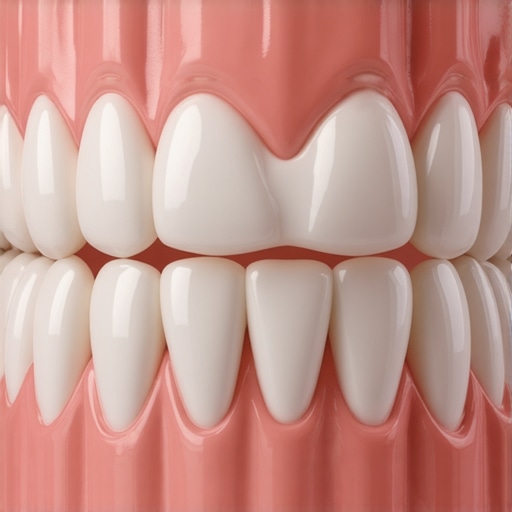
Stop viewing baby teeth as disposable placeholders
I also see many parents panicking when those first adult molars finally appear because they look strikingly yellow compared to the surrounding baby teeth. Before you rush to investigate whitening, realize that adult teeth naturally look darker because they possess a much thicker layer of dentin beneath the enamel. This is a vital nuance of child-friendly dental care; understanding the biology prevents unnecessary worry and helps you focus on what actually matters—structural health.
Avoid the set-it-and-forget-it trap with dental work
One of the biggest mistakes I see is assuming that once a tooth has a filling or a crown, it is ‘invincible.’ This is a dangerous trap. Whether you are looking at caring for your child’s teeth or your own, the margin where the restoration meets the natural tooth is the most vulnerable spot in your mouth. If you aren’t flossing that specific edge, you are inviting ‘recurrent decay’ to hide underneath the work where a toothbrush can’t reach. Even the most advanced cosmetic dentistry innovations cannot fully replace the need for meticulous home care at the gum line.
Can you actually tell if your dental crown is leaking bacteria?
For those of us with older kids or our own complex dental history, the stakes are even higher. You might need to know how to tell if your dental crown is leaking bacteria before the situation turns into a painful abscess or a root canal. Watch for a persistent ‘off’ taste that doesn’t go away after brushing or a slight sensitivity when you bite down on something hard. While we often view expert cosmetic dentistry solutions as purely aesthetic, the real value lies in the seal. If you notice a dark line appearing where the porcelain meets the gum, it may not just be a cosmetic flaw; it could be the seal failing and allowing microscopic debris to enter. Choosing between dental crowns vs other restorations always comes down to which option provides the best long-term protection for the remaining natural tooth structure. Have you ever fallen into the trap of thinking a filling meant you could slack off on brushing that tooth? Let me know in the comments.
My Daily Ritual for Crown Longevity
After the shock of Leo’s cavity wore off, I realized that I needed to treat our family’s dental work like a high-performance engine. You wouldn’t put cheap gas in a Ferrari, so why would you treat dental crowns like they are indestructible? My secret weapon is a water flosser with a specialized plaque seeker tip. I personally use the Waterpik Aquarius because it allows me to get into the microscopic gaps where my porcelain meets the gum line. If you have ever wondered why your porcelain crown feels too high when you bite down, it could be inflammation from trapped debris rather than a structural issue. Since I started this routine, my hygienist noticed a massive reduction in the ‘furry’ feeling around my restorations.
How do I maintain my child’s dental work over the long haul?
Maintenance for kids is about building layers of defense. I don’t just rely on brushing; I’ve integrated the truth about fluoride varnish for kids and adults into our semi-annual visits. This isn’t just for the little ones—it creates a desensitizing barrier that protects the margins of existing fillings. Dr. Nigel Carter of the Oral Health Foundation points out that the real challenge isn’t just cleaning, but managing the biofilm that regenerates every twelve hours. That is why I introduced Leo to disclosing tablets once a week. These little purple chewables stain the plaque he missed, turning brushing into a high-stakes game of ‘hide and seek.’ It is the most effective way I’ve found to ensure his child-friendly dental care actually sticks when I’m not hovering over his shoulder. 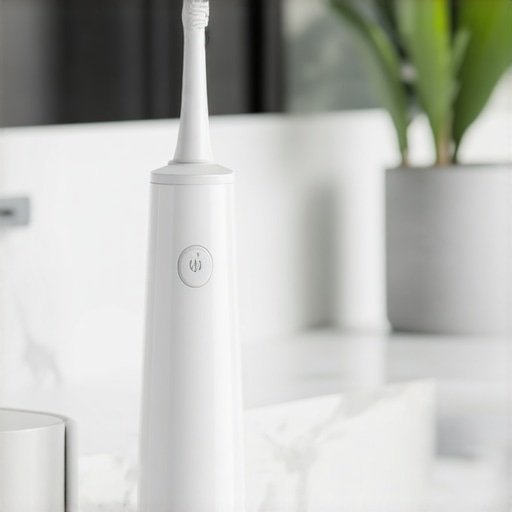
The Smart Tech Coming to Your Bathroom Sink
Looking ahead, I predict we are moving toward a world where your toothbrush doesn’t just buzz; it diagnoses. We are already seeing top cosmetic dentistry trends for 2025 focusing on AI-integrated handles that map your mouth in 3D. These tools will eventually be able to alert your dentist to a leaking crown or a thinning patch of enamel before you ever feel a twinge of pain. While we wait for those gadgets to become affordable, focus on the basics of caring for your child’s teeth by monitoring their gum health. If you notice why your gums bleed only when you use an electric toothbrush, it is a sign that the soft tissue needs more attention, not less. My best advice? Buy a pack of disclosing tablets today and let your child see exactly where the ‘sugar bugs’ are hiding. It changes their perspective instantly.
Lessons That Finally Ended Our Waiting Room Anxiety
Reflecting on our journey with Leo, I realized that my own projection of fear was his biggest hurdle. First, I had to accept that a cavity wasn’t a grade on my parenting. Second, I learned that how to stop your toddler from fighting you during tooth brushing starts with my own calm demeanor. Finally, I discovered that children don’t actually fear the dentist; they fear the feeling of losing control. By giving Leo small choices—like which flavor of polish to use—we gave him that control back.
What I Keep in My Survival Kit for Healthy Smiles
I don’t leave our dental health to chance anymore. My essential toolkit includes disclosing tablets to make plaque visible and a high-quality electric toothbrush with a built-in timer. I also swear by a list of the best snacks for kids to keep the ‘sugar bugs’ at bay between meals. For professional protection, we never skip the truth about fluoride varnish for kids and adults, which has been a total lifesaver for Leo’s sensitive spots. [image_placeholder]
Create a Future Where Your Child Loves the Dentist
The transition from dental drama to dental success doesn’t happen overnight, but it is entirely possible. By focusing on education rather than intimidation, you are setting your child up for a life free from dental phobia. Remember, child-friendly dental care is a partnership between you, your child, and your provider. Use this family dentistry guide building a lifetime of healthy smiles to keep your momentum going. You’ve got this! If you have more questions or need a supportive team, feel free to contact us anytime. Have you ever felt that ‘parental guilt’ after a cavity diagnosis? Let me know in the comments below!