I’ll never forget the Tuesday I walked out of my dentist’s office feeling like a total superhero because I finally tackled that overdue cavity. Then I took a sip of water. Instead of refreshing hydration, it tasted like I’d just licked a rusty pipe. I spent the next four hours obsessively checking the mirror, wondering if my mouth was somehow turning into a chemistry set. It’s a visceral, annoying, and frankly alarming sensation that makes every meal feel like a chore. If you’re sitting there right now wondering why your morning coffee tastes like aluminum foil, I’ve been in your shoes, and I promise there is a way out of this metallic fog.
That Penny-Like Tang Isn’t Just in Your Head
Most people think a filling is a “one and done” deal, but the reality of family dentistry is that our mouths are complex ecosystems. When I first dealt with this, I made the classic mistake of assuming my toothbrush was the enemy. I brushed until my gums bled, thinking I could just scrub the taste away. Spoiler: I couldn’t. I eventually learned that what I was experiencing was often linked to a phenomenon called “galvanism,” where different metals in the mouth create a tiny electric current. According to the American Dental Association, this can happen if you have an older gold crown and a new silver filling nearby, effectively turning your saliva into an electrolyte. We’re going to break down why this happens, how to fix it at home, and when you absolutely need to head back to the chair. Have you ever noticed that weird “zing” when your fork hits a specific tooth? It’s more common than you’d think.
Is this metallic taste actually worth the worry?
It is easy to spiral into “what-if” scenarios. You might wonder if the filling is leaking or if you’re allergic to the material. While a persistent bad taste in your mouth can stem from several issues, a post-filling metallic tang is usually temporary and perfectly normal. If you also notice your new filling feels sharp to your tongue, that’s a different mechanical issue, but the taste is often chemical or electrical. Sometimes, it’s just your saliva reacting to the fresh material as it settles. My biggest fear was that I’d have to live with this forever, but once I understood the “why,” the panic faded. [IMAGE_PLACEHOLDER]
Why Your Mouth Feels Like a Battery
I remember thinking my dentist must have used “cheap” materials. I was wrong. Even high-quality fillings that are sensitive to cold months later can have an initial adjustment period. This “battery” feeling is real. If you’ve ever had jaw soreness after a filling replacement, you know the mouth is sensitive to any change. This metallic sensation is often just your body’s way of saying, “Hey, something new is here!” We’ll look at the simple salt-water rinses that saved my sanity and the specific foods to avoid while your mouth recalibrates. It takes a little patience, but the “nickel-licking” phase doesn’t have to ruin your week. Have you ever felt a literal shock in your mouth after a dental visit? Let me know, because I felt like I was the only one until I started digging into the science.
Neutralize the pH with a Simple Rinse
The very first thing I did—and what most dentists recommend—is a warm salt-water rinse. It sounds basic, but it’s remarkably effective because it balances the pH level in your mouth. If your saliva is too acidic, it accelerates that galvanism or “battery” effect I mentioned earlier. Mix about half a teaspoon of salt into eight ounces of warm water and swish gently for 30 seconds. I did this three times a day for the first 48 hours after my procedure. It doesn’t just help with the taste; it also aids the gums if they are tender. If you’re dealing with a persistent bad taste in your mouth, this is your first line of defense.
Avoid Acidic Foods for a Few Days
Coffee, citrus, and soda are the enemies of a fresh filling. I learned the hard way that my morning orange juice was essentially acting as a fuel for that metallic tang. These acids increase the conductivity of your saliva. By cutting them out for just 72 hours, I noticed a significant drop in that “copper penny” flavor. It’s a small sacrifice to make while your mouth’s chemistry stabilizes.
Swap Your Utensils to Stop the Spark
This was the biggest “aha!” moment for me. If you have an older gold crown and just got a new amalgam filling, using a stainless steel fork can literally complete a circuit. This is the “galvanism” I talked about. I remember trying to eat a bowl of acidic tomato soup with a silver-plated spoon right after a filling; it felt like I was chewing on a 9-volt battery. Switching to a plastic spoon changed everything instantly. 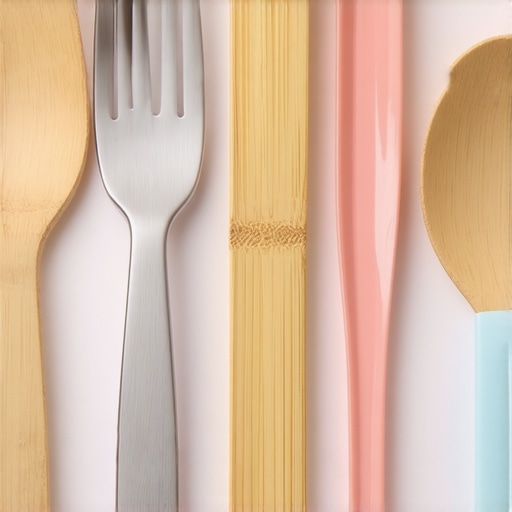 I switched to using plastic or bamboo utensils for three days. It felt a bit like a picnic at my own dinner table, but the metallic shocks stopped immediately. This gives the surface of the new restoration time to “passivate,” or form a thin, non-reactive layer that stops the electrical current. If you’re considering dental crowns vs other restorations, keep in mind that mixing metals is often what causes this temporary drama.
Check if a Crown is the Culprit
Sometimes the taste isn’t just a chemical reaction; it’s a sign of a mechanical failure. I once had a metallic taste that wouldn’t quit, only to find out it was a dental crown leaking bacteria underneath. If the taste is accompanied by a foul odor, the “metal” you’re tasting might actually be the byproduct of decay trapped under an old restoration.
Is Your Crown Actually Cracked?
Run your tongue over the area. Does it feel jagged? You should learn how to tell if your dental crown has a hidden crack because a fracture can expose the metal substructure of a porcelain-fused-to-metal (PFM) crown. If you see a dark line at the gum line, it’s often just the metal frame showing, which is more of a cosmetic dentistry issue than a health one. However, if that metal starts to interact with new fillings, the taste returns. You might need to know how to tell if your crown needs to be replaced immediately to stop the cycle.
Address Lingering Sensitivity
It is quite common to find your new filling feels sensitive to pressure weeks later, and this inflammation can sometimes mess with your taste buds. If your bite feels off, your teeth are essentially “bruising” the ligament underneath, which can cause a strange sensory overlap. I found that getting a quick bite adjustment—where the dentist files down a microscopic high spot—resolved both the pressure and the weird taste within 24 hours. If the sensitivity persists, especially to temperature, check out why fillings are sensitive to cold months later to see if you’re dealing with a deeper nerve issue.The biggest mistake I see—and one I almost made—is assuming that the solution to a metallic taste is simply removing all the metal. There is a common belief in cosmetic dentistry circles that replacing every silver amalgam filling with white composite will fix your oral environment instantly. In reality, modern family dentistry teaches us that the trauma of removing a stable, decades-old filling can sometimes cause more nerve damage than the battery effect we are trying to avoid. If you rush into a replacement without checking the seal, you might trade a weird taste for a throbbing ache.
Can your body actually reject a new restoration?
While rejection is usually a term reserved for implants, your mouth can absolutely react to the chemical bonding agents used in newer dental crowns vs other restorations. A study published in the Journal of Oral Rehabilitation highlights that ion release is not just about the metal; it is about how the restoration interacts with your specific salivary pH. If your mouth is chronically acidic, even high-end materials can leach trace elements that trigger that copper-like sensation.  This is the oops factor most patients miss: they treat the material, but not the environment. If you do not address your oral acidity, even the most expensive top cosmetic dentistry trends will not save you from the metallic tang. I have even seen cases where a patient thinks they have a metal allergy, but the real issue was a dental crown leaking bacteria, creating a sulfurous by-product that mimics a metallic taste. Before you insist on a total overhaul, ask your dentist for a marginal integrity check. It is also vital to understand how to tell if your dental crown is causing your bad breath, as these sensory issues often travel in pairs. Sometimes, the metallic ping is just the first warning sign of a mechanical failure like your porcelain crown keeps chipping due to a misaligned bite. Have you ever fallen into the trap of thinking a more expensive material would automatically solve your dental woes? Let me know in the comments.I’ve spent years obsessing over my dental hygiene, but it wasn’t until I started viewing my mouth as a piece of high-end machinery that things finally clicked. If you’ve invested in dental crowns as a solution for damaged teeth, you can’t just set them and forget them. You have to maintain the ‘seal.’ One tool that changed the game for me wasn’t a fancy toothbrush, but a simple pH testing kit. By checking my saliva acidity after meals, I could tell if I was literally dissolving the cement holding my crowns in place. If your levels are consistently low, you’re basically bathing your dental work in acid.
How do I keep my dental work looking new for a decade?
Beyond just brushing, you need to focus on the marginal integrity. This is where the role of family dentistry becomes vital; a professional ‘prophy’ cleaning every six months clears the biofilm that your home tools simply can’t reach. I personally swear by using a water flosser on the ‘massage’ setting. Most people blast their gums on high, but I found that following the advice on how to stop your gums from hurting when you use a water flosser allowed me to clean under my bridges without causing inflammation.
Specific Tech That Prevents a Second Trip
For those of us looking into cosmetic dentistry innovations to watch, the rise of intraoral scanners is a lifesaver. According to research published in the Journal of Prosthetic Dentistry, digital impressions for dental crowns vs other restorations result in a significantly better marginal fit than traditional ‘goop’ molds. This tighter fit is exactly what prevents that metallic taste from returning, because there’s no room for bacteria to seep in. 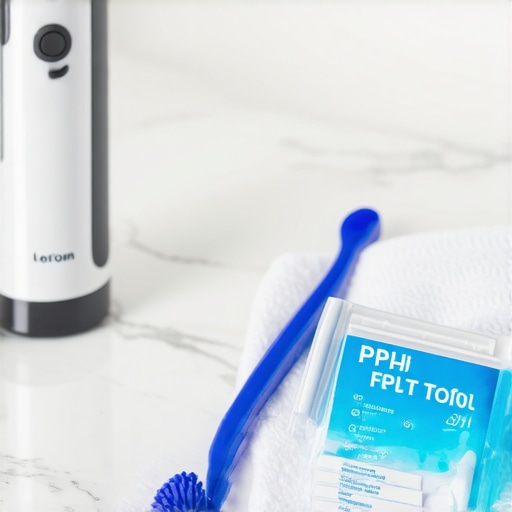 In the near future, I predict we’ll see smart-fillings equipped with biosensors that alert your phone the second they start to leak or crack. Until then, my best advice is to grab a pack of pH strips and start tracking how your favorite snacks affect your mouth. If you’re already feeling a weird sensation, don’t wait—learn how to tell if your crown needs to be replaced immediately before a small leak becomes a full-blown root canal. Try testing your saliva pH tomorrow morning; you might be surprised at how ‘metallic’ your morning environment actually is.
The One Habit That Actually Saved My Dental Crowns
If there is one thing I’ve learned through trial and error, it’s that a dental procedure is just the beginning of the story. I used to think of dental crowns as a solution for damaged teeth that would last forever without any effort on my part. The hard truth is that the ‘battery’ taste or that weird zing is often a messenger, not a mistake. I realized that my own oral acidity was the culprit, and ignoring it was like letting saltwater sit on a car engine. Now, I prioritize family dentistry checkups not because my teeth hurt, but because I want to ensure the marginal integrity of my restorations is still solid. I’ve learned that a quick adjustment or a change in my rinsing routine can prevent that metal flavor before it even starts.
The Kit Every Dental Patient Needs
To keep my mouth from feeling like a science experiment, I’ve curated a small toolkit that goes beyond a standard toothbrush. First, I use pH testing strips once a week to make sure I’m not creating an acidic environment that could lead to a dental crown leaking bacteria. Second, I’ve mastered how to stop your gums from hurting when you use a water flosser by using lukewarm water and the lowest pressure setting around my crowns. Finally, I never skip a ‘prophy’ cleaning. Understanding why a prophy treatment is much more than just a simple tooth cleaning changed how I view preventative care; it’s about polishing away the microscopic buildup that triggers chemical reactions between different metals. #IMAGE_PLACE_HOLDER_E#
Stop Fearing the Dentist and Start Mastering the Science
That metallic fog doesn’t have to be your new normal. Whether you are looking at top cosmetic dentistry trends for 2025 or just trying to get through the week with a new filling, remember that you have more control over your oral environment than you think. Dentistry has evolved so much that we no longer have to settle for discomfort or ‘battery mouth.’ By staying proactive and working closely with the role of family dentistry in your life, you can enjoy a smile that feels as good as it looks. Don’t let a temporary metallic tang keep you from the relief a filling provides. Have you ever experienced a strange ‘electrical zing’ when your fork hit a tooth? Let me know in the comments below!